


The New Jersey Department of Environmental Protection (NJDEP) has issued a Code Orange Air Quality Alert for Middlesex County and neighboring Mercer County. While many people may not notice a significant difference in the outdoor air, these increased air pollution levels can create health concerns for thousands of residents. These concerns are increased even further if you or someone you know has a preexisting condition and are more susceptible to poor air quality.
We are here to help you understand what a Code Orange alert means and taking a few simple precautions can help keep you and your family safe. Even after the code orange alert is passed us, most of these suggestions will help protect you.
What Does a Code Orange Air Quality Alert Mean?
A Code Orange Air Quality Alert indicates that air pollution levels are high enough to be unhealthy for sensitive groups. Although healthy adults can usually continue their normal activities, certain individuals may experience symptoms even after short periods outdoors.
Sensitive groups include:
- Children and teenagers
- Older adults
- People with asthma
- Individuals with chronic lung diseases such as COPD
- Those with heart disease
During a Code Orange alert, pollutants can irritate the respiratory system and make existing health conditions worse.
How Poor Air Quality Can Affect Your Health
Exposure to elevated air pollution may cause:
- Coughing or throat irritation
- Shortness of breath
- Wheezing
- Chest discomfort
- Eye irritation
- Increased asthma symptoms
- Fatigue during outdoor activities
* If you or a family member experience severe breathing difficulties or chest pain, seek medical attention immediately.
How to Stay Safe During a Code Orange Alert
Fortunately, there are several practical steps you can take to reduce your exposure.
Limit Time Outdoors
If possible, avoid long outdoor activities during the afternoon and early evening, when ozone levels are often at their highest. If you exercise outside, consider moving your workout indoors until air quality improves.
Keep Windows and Doors Closed
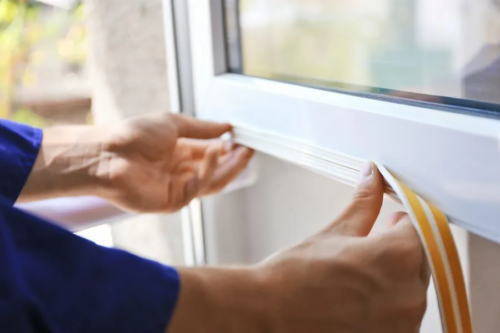
Keeping your home sealed can help reduce the amount of polluted outdoor air entering your living space. If your home has central air conditioning, use it instead of opening windows.
Replace Dirty HVAC Filters
Your HVAC system helps circulate air throughout your home. A clean filter can improve airflow and capture more airborne particles than an old, clogged filter can. Follow the replacement schedule on the HVAC, especially during seasons with frequent air quality alerts.
Avoid Adding Indoor Air Pollution
During periods of poor outdoor air quality, try to reduce indoor pollutants by:
- Avoiding smoking indoors
- Limiting candle burning
- Postponing projects involving paint or strong chemicals
- Using kitchen and bathroom exhaust fans when cooking or showering
Pay Attention to Air Quality Updates
Conditions can change throughout the day. Monitor local weather and air quality forecasts so you know when it is safer to spend time outdoors.
What If Your Indoor Air Quality Doesn’t Improve?
Sometimes poor indoor air quality isn’t caused by outdoor pollution alone.
Water damage, hidden mold growth, smoke residue, or excessive moisture can all contribute to unhealthy indoor air long after the outdoor air quality alert has ended. If you’ve recently experienced flooding, leaks, fire damage, or persistent musty odors, these issues may continue affecting the air inside your home or business.
Professional inspection and remediation can help identify and address these underlying problems, creating a healthier indoor environment.
PuroClean of Middlesex Is Here To Help
While no restoration company can change outdoor air quality conditions, PuroClean of Middlesex can help when indoor air quality has been effected by water damage, mold growth, smoke damage, or other property-related issues.
Our team uses professional equipment and proven remediation methods to identify contaminants, remove damaged materials when necessary, and help restore a cleaner, healthier indoor environment.
Staying informed and taking simple precautions during a Code Orange Air Quality Alert can help protect your health today. Addressing indoor air concerns can provide peace of mind long after the alert has passed.