


Keeping your home clean is about more than making surfaces look tidy. Regular cleaning and disinfection can help reduce germs, control odors, and keep moisture and organic materials from becoming bigger problems. While many household cleaning tasks can be handled with a regular routine, some situations require more thorough cleaning and specialized equipment.
Here is a simple schedule to clean your home and keep it clean throughout the year.
Weekly Home Disinfection Tasks
Some areas of your home are touched constantly and should be cleaned and disinfected at least once a week. During cold and flu season, or when someone in the household is sick, you may want to disinfect high-touch surfaces more frequently.
You should focus on areas such as:
- Doorknobs and handles
- Light switches
- Cabinet and drawer handles
- Faucets and toilet handles
- Kitchen and bathroom counters
- Remote controls and frequently used electronics
- Stair railings
- Refrigerator and appliance handles
- Children’s toys
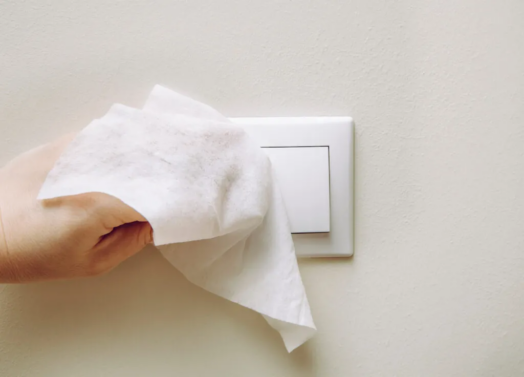
Bathrooms and kitchens deserve extra attention because they are exposed to moisture, food residue, and other contaminants. Clean visible dirt and debris before applying an appropriate disinfectant, and always follow the product’s directions for contact time and safe use.
You should also wash bedding and towels regularly, vacuum carpets and upholstery, mop hard floors, and empty household garbage.
Monthly Cleaning
Once a month, move beyond the surfaces you touch every day. Monthly cleaning is a good opportunity to reach areas that can collect dust, dirt, grease, and moisture over time.
Consider cleaning:
- Inside and underneath appliances
- Refrigerator shelves and drawers
- Kitchen cabinets and pantry shelves
- Bathroom exhaust fans and vents
- Ceiling fans and light fixtures
- Baseboards and trim
- Door frames and less frequently touched handles
- Window tracks and sills
- Air vents and return grilles
- Upholstered furniture
- Pet beds, crates, and feeding areas
Pay particular attention to areas where moisture collects. Around sinks, toilets, tubs, washing machines, and refrigerators, small leaks can sometimes go unnoticed. If you discover recurring dampness, musty odors, staining, or deterioration, cleaning the surface may not be enough. The source of the moisture should be identified and corrected.
Seasonal Deep Cleaning
Several times a year, it is worth giving your home a more thorough cleaning. Spring and fall are particularly useful times to inspect areas that are easy to overlook.
Move furniture so you can clean underneath and behind it. Wash curtains and removable upholstery covers, clean carpets and rugs, inspect basements and crawl spaces, and check around windows and exterior doors for signs of water intrusion.
Your seasonal cleaning routine is also a good time to inspect your home for water damage. Look for discoloration, bubbling paint, warped flooring, peeling wallpaper, swollen trim, and unusual odors. Catching a moisture problem early can prevent a much larger restoration project later.
When A Professional Should Clean Your Home
Not every cleanup should be handled with household cleaning products. Some situations can involve contaminated materials, extensive moisture, strong odors, or areas that are difficult to safely clean without professional equipment.
Consider calling our IICRC certified restoration team after:
Sewage or Contaminated Water
A sewage backup can leave bacteria and other contaminants throughout floors, walls, and personal belongings. Professional restoration teams can safely contain the affected area, remove contaminated materials when necessary, clean and disinfect surfaces, and address lingering odors.
Water Damage
If a significant leak, burst pipe, appliance failure, or flooding affects your home, professional drying can help prevent secondary damage. Water can become trapped behind drywall, beneath flooring, and inside other materials even after standing water has been removed.
Mold Concerns
Mold can develop when moisture remains inside a property for too long. If you discover extensive visible mold, recurring growth, or mold associated with a larger water-damage event, professional remediation may be appropriate. The moisture source should be addressed so the problem does not return.
Fire and Smoke Damage
After a fire, cleaning often involves much more than removing visible soot. Smoke and odor can affect walls, ceilings, flooring, contents, and areas that were not directly burned. Professional restoration can help clean affected materials and address persistent smoke odors.
Biohazard Situations
Blood, bodily fluids, sewage, and other potentially infectious materials require special handling. Professional biohazard cleanup can provide containment, removal, disinfection, and deodorization while reducing the risk of exposure.
A Cleaner Home Starts With a Consistent Routine
Weekly and monthly cleaning can go a long way toward keeping your home comfortable, but regular cleaning should also include looking for problems that may be hiding underneath the surface. A strange odor, unexplained moisture, staining, or recurring mold growth can be a warning sign that your home needs more than a routine cleaning.
When a cleanup involves water damage, sewage, mold, fire and smoke, or potentially hazardous materials, PuroClean Disaster Response can help assess the situation and determine what needs to be done. Professional restoration can address the underlying damage, clean and disinfect affected areas, and help return your home to a safe and comfortable condition.