By PuroClean Disaster Response
For local planning and updates, use the New Jersey Office of Emergency Management’s hurricane guidance and National Hurricane Center forecasts. This guide is not a live storm advisory.
Knowing how to prepare for hurricanes starts with an emergency kit, an evacuation plan, and reliable alerts. For Middlesex, NJ households, plan for heavy rain, flooding, wind, and power outages. Follow evacuation orders and local emergency instructions; property protection must never delay leaving.
The National Hurricane Center lists the Atlantic hurricane season as June 1 through November 30, with most activity from mid-August to mid-October. Prepare before a storm is forecast and use the three stages below.
On this page: Before the hurricane · During the hurricane · After the hurricane · Local flood restoration
1. How to Prepare for Hurricanes Before They Arrive
- Create an emergency kit. FEMA recommends packing the following items in your emergency kit:
- Water for drinking and sanitation: at least one gallon per person per day for three days;
- Non-perishable food for at least three days;
- Hand-crank or battery-powered radio (tuned in to NOAA Weather Radio), as well as spare batteries;
- Flashlight with extra batteries;
- First aid kit;
- Whistle to call for help;
- Dust mask, plastic sheeting, and duct tape for emergency supplies;
- Moist towelettes and garbage bags for sanitation;
- Pliers or wrench to turn off utilities;
- Can opener;
- Local maps;
- Cell phone with a charger and charged power bank; prescription medicines, pet supplies, and items for individual needs.
- Learn your area’s flooding risk and community hurricane evacuation routes. Know the geographical location you live in.
- Create a family evacuation plan. Determine a meeting place for your family and routes to get there. Plan how to get in touch with your family if separated. Plan where you’ll go if you must evacuate, such as a shelter.
- Review your insurance with your insurer well before storm season. Ask about flood coverage, exclusions, and any waiting period before a new policy takes effect.
- Find out whether your property is flood-prone due to its elevation level.
- If there are levees and dams in your area, find out if they pose a hazard to you when the storm hits.
- Store copies of important documents, such as proof of ownership of any property in your emergency kit.
- Back up the data on your electronic devices to ensure it’s secure if your computer or other devices are damaged during the hurricane.
Secure Your Property Before the Weather Worsens
- Secure your roof. Have a qualified contractor assess loose shingles, flashing, and roof connections before storm season. Use appropriate repairs and approved reinforcement systems rather than improvised roof work.
- Maintain gutters and downspouts. Clean your gutters and downspouts regularly to prevent clogs. These could cause water damage to your home when the rain starts to pour. Also, ensure your gutters are firm and not sagging.
- Secure your windows. Strong winds can shatter your windows, leaving your home vulnerable. The best way to secure your windows is to install permanent storm shutters made of steel, aluminum, and other materials. Installing plywood is also a good defense for your windows. However, avoid taping as it doesn’t prevent the glass from breaking.
- Caulk your home. Inspect seals around windows and doors and arrange appropriate repairs. Caulking may reduce leaks but does not make a house floodproof or strengthen its structure.
- Plan flood protection. Ask a qualified professional about measures suitable for your building and flood risk. Do not rely on insulation or plastic sheeting to keep floodwater out.
- Reinforce your garage. Have a qualified installer assess your garage door and any approved wind-rated reinforcement. Follow the door manufacturer’s requirements and local building rules.
- Trim trees and shrubs. Loose branches in your yard (and neighborhood) could be struck by powerful winds during a storm, damaging your house. So cut those dead or loose branches to safeguard your property.
- Secure loose objects. Your yard may also host things that could become projectiles in high winds. Tie down and secure anything that could be swept up by winds, such as potted plants, lawn furniture, and dog houses. When a storm is imminent, bring light objects inside.
- Protect appliances from power outages. Plan for outages in advance. Unplug nonessential devices before the storm only when it is safe. Surge protection may help with some voltage surges but cannot guarantee protection from lightning or flooding.
- Move valuables to a higher floor. As electronics and appliances are susceptible to water damage, move them to a higher floor. If you can’t, at least raise them off the floor on concrete blocks.
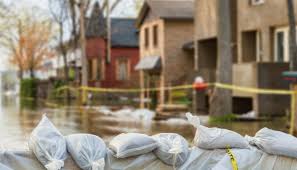
- Use sandbags when a storm is hours from arriving. Follow local emergency-management guidance for suitable barriers and placement. Barriers cannot guarantee protection and must not delay evacuation.
- When a storm is hours from arriving:
- Ensure your car is in good working condition and fill up the gas tank. If you’re going to evacuate, stock your vehicle with emergency supplies.
- Charge your cell phone to have a full battery if the power goes out.
- Turn your refrigerator to the coldest setting so that food lasts longer during a power outage.
- Be alert for the latest weather updates and emergency instructions.
2. Stay Safe During the Hurricane
- If authorities advise or order you to evacuate your area, take your emergency kit and leave immediately. Strictly follow posted evacuation routes and do not try to take shortcuts.
- If you are outside and the storm approaches, get indoors as soon as possible to avoid being hit by flying debris.
- If your home is on low-lying ground or if you’re in a mobile home, go to the nearest safe place, such as a shelter.
- While indoors, stay away from windows, skylights, and glass doors. For wind protection, use an interior room away from glass on a level not threatened by flooding. If flooding develops, move to higher ground or a higher level as instructed.
- During the storm, winds and rain may damage electrical wiring; don’t use electrical appliances to avoid fire hazards and electrical shocks.
- If your home is at risk of flooding, shut off electricity only if you can reach the panel safely from a dry location. Never enter water to reach it. Have affected electrical systems checked before power is restored.
- Never run a generator or use charcoal-burning devices inside a home, basement, or garage. Follow CDC generator guidance: operate generators outdoors at least 20 feet from doors, windows, and vents.
- If trapped in a building that’s flooding, go to the highest level. However, don’t climb into a closed attic, as rising floodwater may trap you.
- Lightning is also a safety risk. Stay safe from lightning in your home during a storm by avoiding showers, corded phones, and plugged-in electrical equipment.
- Be aware that the eye of the storm may pass over your area, during which the storm will calm. However, the storm can start again without warning.
- Stay indoors until the local authorities have announced that the storm is over. Listen to the radio or turn on the TV (if safe, do so) to get the latest updates.
3. Take Care After the Hurricane
- Listen to authorities for information and special instructions.
- Never walk or drive on flooded roads or through the water. Just six inches of fast-moving water can knock you down, and one foot of moving water can sweep your vehicle away. Floodwater may also contain contaminants, dangerous debris, or downed power lines.
- Enter a damaged building only after a professional has inspected the electrical system, gas lines, and plumbing for damage.
- Take photos of any property damage and contact your insurance company for assistance. Wear protective equipment such as gloves, safety glasses, rubber boots, and masks when inspecting your home.
- Do not touch wet electrical equipment or electrical devices while standing in water.
- Throw out food that has been exposed to floodwaters or has not been maintained at a proper temperature. When in doubt, throw it out.
- Don’t drink tap water if you’re not sure it’s safe.
Flood Cleanup and Restoration in Middlesex, NJ
Storm damage can occur even after careful preparation. Once authorities allow safe access, PuroClean Disaster Response can assess affected materials and provide water damage mitigation and restoration. Some materials can be dried and cleaned; others may need removal because of contamination or damage. Ask about mold remediation when growth is present.

After storm-related property damage, call our Middlesex team at 732-366-9300 or request restoration help. For immediate danger, call emergency services.