Table of Contents
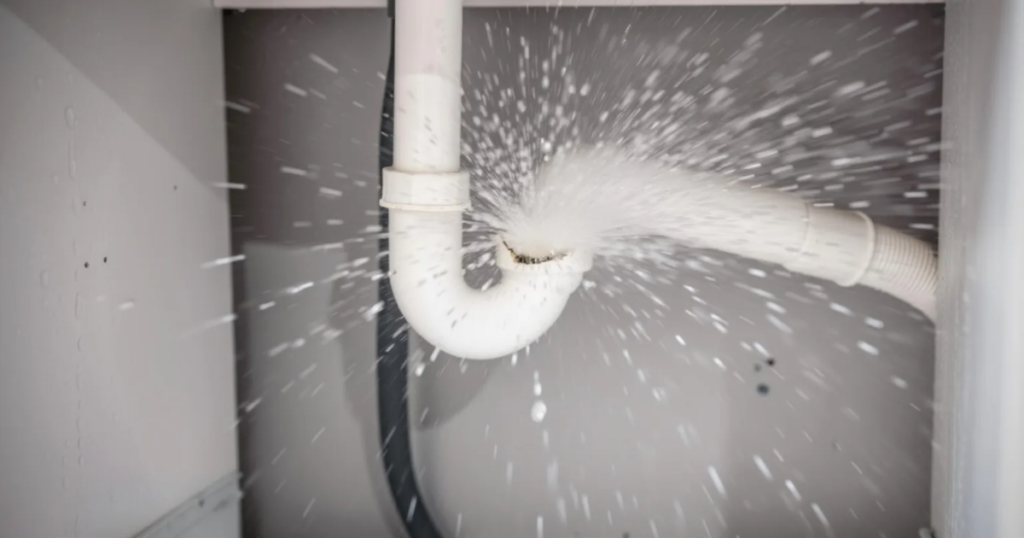
A burst pipe can quickly turn into a homeowner’s nightmare. Water can rapidly flood your home, damaging flooring, drywall, furniture, and personal belongings. In coastal areas like Mobile, where humidity can accelerate mold growth, acting quickly is especially important.
Knowing what to do when a pipe bursts can help minimize damage and reduce repair costs. Immediate action and the right response can protect your home and speed up the restoration process.
This guide walks through the essential steps to take during a burst pipe emergency—from shutting off the water to starting cleanup and contacting professionals like water damage restoration experts who can help restore your property.
Recognizing a Burst Pipe Emergency
Detecting a burst pipe early can prevent severe water damage. Homeowners should stay alert for warning signs that indicate a plumbing emergency may be happening behind walls or under floors.
Common indicators of a burst pipe include:
- Unexplained water pooling on floors or near walls
- Sudden drops in water pressure
- Strange sounds from pipes such as banging, rattling, or whistling
If you notice any of these symptoms, quick action is critical.
Routine plumbing inspections can also help detect problems before they escalate. Identifying early signs allows you to act fast and avoid widespread property damage.
What To Do When a Pipe Bursts: Stopping the Water
The first and most important step during a burst pipe emergency is stopping the water flow.
Locate your home’s main water shut-off valve and turn it off immediately. This single step can significantly reduce the amount of flooding and damage inside your home.
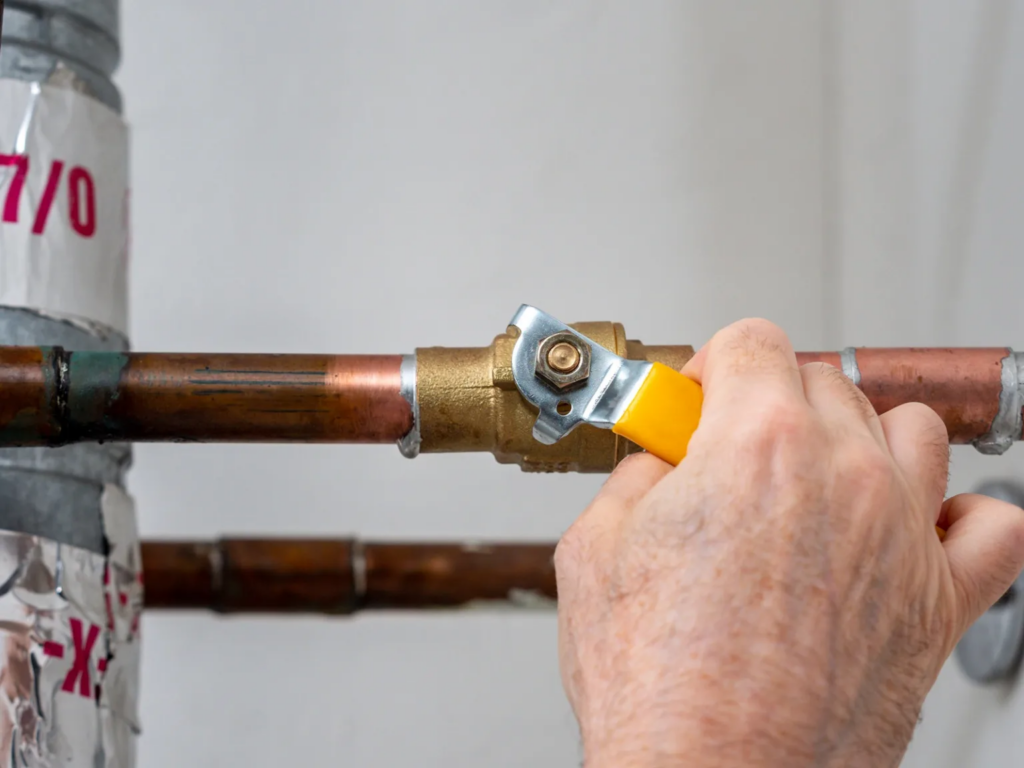
Once the water is off, inspect the area for safety risks. Water and electricity together can be dangerous, so if water is near outlets or appliances, turn off electricity to those rooms.
You should also ventilate the affected area to reduce moisture and slow mold growth.
Immediate steps to take:
- Turn off the main water supply
- Shut off electricity in affected rooms if needed
- Open windows or doors to improve airflow
After these steps, check nearby plumbing lines for additional leaks. Sometimes pressure surges from one burst pipe can stress other parts of the system.
Quick action can greatly reduce the damage to your home.
Calling for Urgent Plumbing Help
Once the immediate danger is under control, contact a licensed plumber to repair the pipe.
Burst pipes often require professional repair to ensure the plumbing system is restored safely and properly.
When you call for help:
- Contact a trusted emergency plumber
- Explain the situation clearly
- Ask for an estimated arrival time
- Follow any instructions they provide before arrival
While the plumber focuses on repairing the pipe, restoration professionals such as PuroClean technicians can help manage water damage cleanup and structural drying.
Water Damage Response: Containing and Cleaning Up
Once the leak is controlled, it’s important to start limiting the water damage inside your home.
Standing water can quickly soak into flooring, drywall, and insulation, creating conditions for mold growth.
Begin by removing as much water as possible using towels, mops, or a wet/dry vacuum.
Next, start drying the space by improving airflow.
Water damage response checklist:
- Remove standing water
- Use fans or dehumidifiers to dry the area
- Check walls and flooring for moisture damage
- Move furniture and belongings away from wet areas
These steps can slow damage while waiting for professional restoration services.
Documenting the Damage for Insurance and Restoration
Proper documentation can help ensure a smoother insurance claim.
Before major cleanup begins, take detailed photos and notes of the damage.
Important things to document include:
- Photos of flooded areas and damaged materials
- Estimated water levels or affected zones
- Lists of damaged belongings
Keep receipts and records for anything that must be replaced.
Restoration professionals can also assist by documenting moisture levels and damage for insurance purposes.
Temporary Burst Pipe Repair: What You Can Do Until Help Arrives
Temporary fixes can help reduce additional leaking while waiting for professional plumbing repairs.
First, identify the location of the burst pipe if possible.
Then try one of the following temporary repairs:
- Pipe clamps
- Waterproof repair tape
- Epoxy putty
These methods may slow or stop small leaks temporarily, but they are not permanent solutions.
Professional plumbing repairs are still necessary to fully restore the system.
Signs, What It Means, and What To Do
| Stage of Burst Pipe Emergency | Purpose | Key Actions |
|---|---|---|
| Recognizing a Burst Pipe | Identify the problem early | Look for unexplained water, pressure drops, or pipe noises |
| Stopping the Water | Prevent additional flooding | Turn off the main water valve and electricity if needed |
| Calling for Plumbing Help | Ensure safe pipe repair | Contact a licensed plumber immediately |
| Containing Water Damage | Reduce structural damage | Remove water and start drying the area |
| Documenting Damage | Support insurance claims | Photograph damage and record affected items |
| Temporary Pipe Repair | Slow additional leaks | Apply pipe clamps, repair tape, or epoxy |
| Professional Restoration | Fully remove moisture | Dry structures and restore damaged materials |
| Understanding Causes | Reduce future risk | Identify freezing, pressure, corrosion, or clogs |
| Emergency Preparation | Improve response time | Know shut-off locations and keep plumber contacts |
| Long-Term Prevention | Protect plumbing systems | Insulate pipes and monitor water pressure |
Professional Burst Pipe Cleanup and Restoration
After a burst pipe, professional restoration services are often necessary to completely remove moisture and prevent mold growth.
Technicians use specialized equipment such as:
- Industrial air movers
- Commercial dehumidifiers
- Moisture detection tools
These tools allow restoration teams to dry structural materials like drywall, flooring, and framing.
Professional restoration also includes inspection of hidden moisture that could otherwise lead to mold problems later.
Working with experienced restoration professionals helps ensure your property is safely and thoroughly restored.
Understanding the Causes: Why Pipes Burst
Burst pipes can occur for many reasons.
Some of the most common causes include:
- Freezing temperatures
- Aging or corroded pipes
- High water pressure
- Clogs that increase internal pressure
Understanding these causes can help homeowners reduce the risk of future plumbing failures.
Plumbing Emergency Tips: Preparing for the Unexpected
Preparation can make a major difference during a plumbing emergency.
Every homeowner should know where the main water shut-off valve is located.
It’s also helpful to keep emergency supplies on hand.
Recommended preparation steps:
- Save contact information for emergency plumbers
- Keep basic plumbing repair supplies available
- Make sure family members know how to shut off water
Being prepared can reduce stress and damage when a plumbing issue occurs.
Long-Term Solutions: Preventing Future Plumbing Disasters
Once the immediate problem is resolved, homeowners should focus on preventing future plumbing failures.
Routine maintenance can identify small problems before they turn into costly emergencies.
Helpful preventative measures include:
- Insulating exposed pipes
- Monitoring water pressure levels
- Scheduling routine plumbing inspections
Preventative care helps protect your home and reduces the risk of water damage in the future.
Frequently Asked Questions: What To Do When a Pipe Bursts
What are the first signs of a burst pipe?
Common warning signs include water stains, reduced water pressure, and the sound of running water behind walls or ceilings.
How quickly should I respond to a burst pipe?
Immediately. Turning off the water supply as quickly as possible can significantly reduce water damage.
What temporary repairs can I make?
Temporary solutions such as pipe clamps, repair tape, or epoxy putty can slow leaks until a plumber arrives.
Can burst pipes be prevented?
Yes. Regular plumbing maintenance, pipe insulation, and monitoring water pressure can reduce the risk of burst pipes.
Staying Calm and Acting Quickly During a Burst Pipe Emergency
A burst pipe can be stressful, but quick action can prevent extensive damage.
Shutting off the water, calling professionals, and beginning cleanup immediately are key steps to protecting your home.
If water damage occurs, contacting restoration specialists like PuroClean of Mobile can help ensure the property is properly dried, cleaned, and restored.
With the right preparation and response plan, homeowners can handle plumbing emergencies with confidence and minimize the long-term impact on their property.