


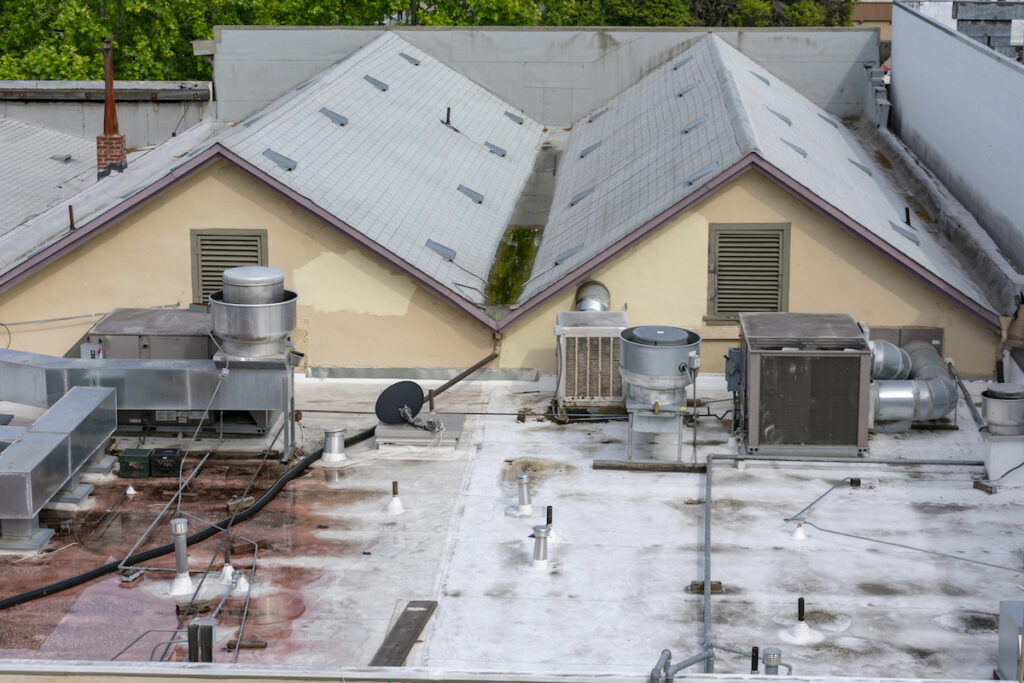
Property managers of office buildings in Montgomery are often aware that office water damage can have serious consequences. After a flood or significant water intrusion, tenants operating businesses within the building may experience substantial losses to equipment, furniture, important records, and even income due to operational downtime. Any of these issues can place a major financial strain on a company by causing lengthy restoration projects or interruptions to daily business activities.
As an office property manager, it is important to understand the costs associated with water damage restoration and mitigation. These services can directly impact a company’s finances, as office buildings may require water extraction, professional cleanup, and renovation of water-damaged areas. The overall cost of restoration services in Montgomery can vary depending on the condition of the property and the quality of the insurance coverage in place. If the office building is not adequately covered under an insurance policy, the financial responsibility for restoration may fall entirely on the property owner.
But there are far more consequences to this situation than just financial ones. Water damage in an office building can lead to poor indoor air quality and mold growth. These specific phenomena have been linked to detrimental effects on the health and well-being of employees. Studies show that employees subjected to poor air quality are two to three times more likely to develop respiratory issues.
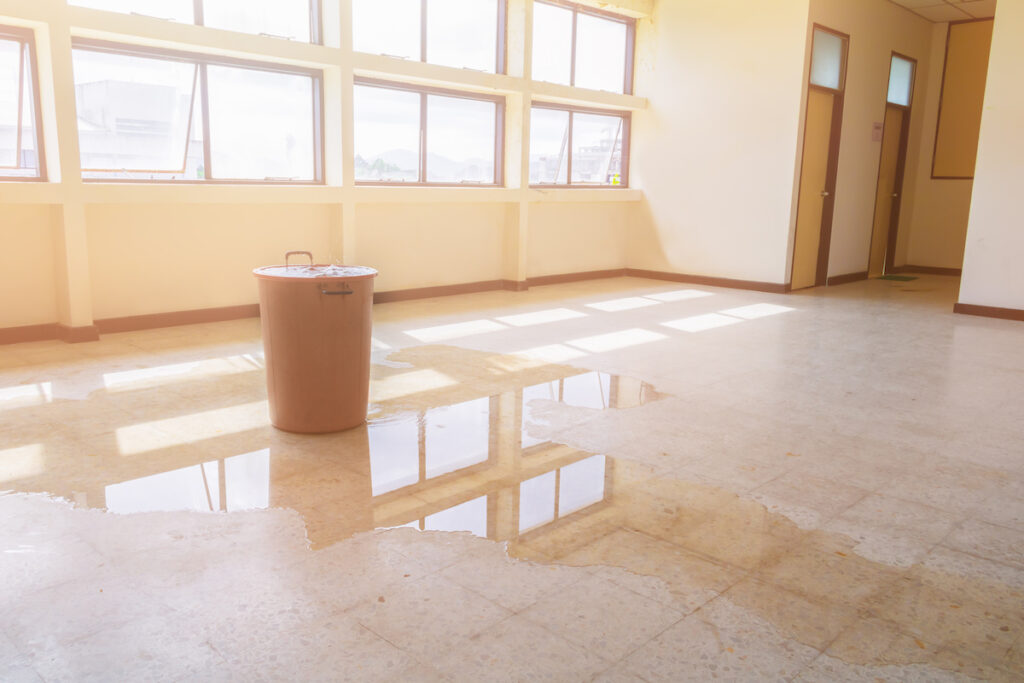
Tips to Prevent Costly Commercial Office Water Damage
Proactive Measures
Regular Inspections: Schedule professional inspections at least annually to identify water leaks, plumbing issues, and other potential water damage risks. Utilize leak detection methods like humidity monitoring and spot sensors.
Don’t wait for natural disasters to strike! Proactive inspections by licensed plumbers and contractors can catch minor issues before they become major headaches.
Look for signs of corrosion, leaks, or potential weak points in your plumbing system. Humidity monitoring and spot sensors can detect hidden leaks behind walls or under floors.
Preventative Maintenance Schedule: Implement a comprehensive maintenance plan that includes regular checks of:
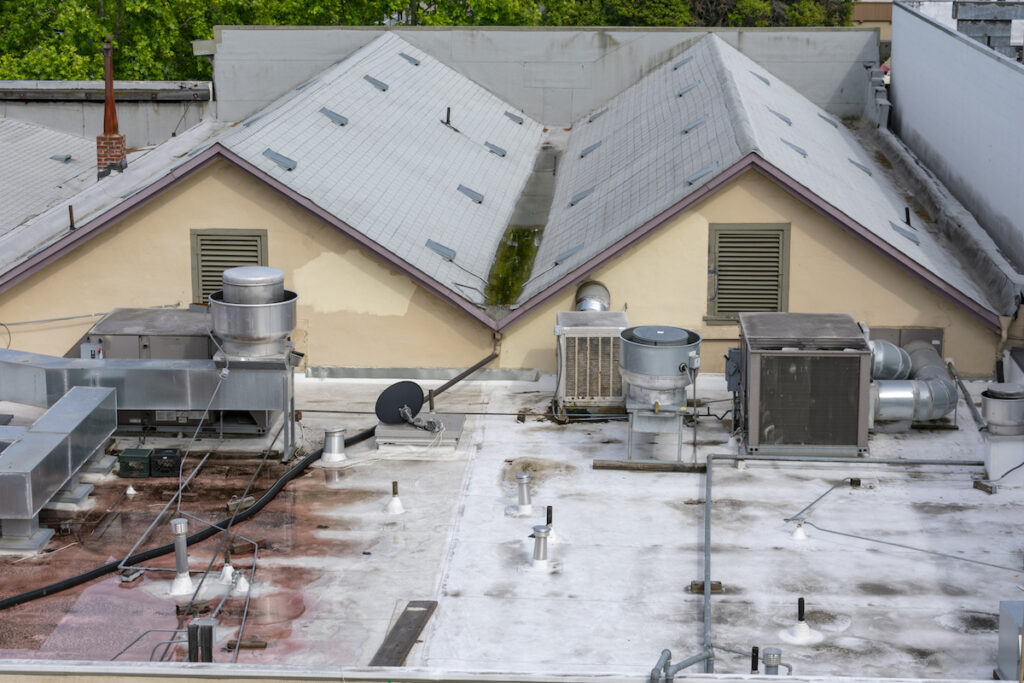
- Roof: Inspect and recoat every five years to prevent leaks. Your roof is your first line of defense against the elements. Regular inspections can identify damaged or missing shingles, cracks in flashing, or clogged drains that can lead to leaks. Re-coating your roof every few years helps maintain its waterproof seal.
- Plumbing: Check for leaks, corrosion, and proper drainage. A well-maintained plumbing system is essential for preventing water damage. Regularly check pipes for leaks, signs of corrosion, and ensure proper drainage to avoid backups and overflows.
- HVAC System: Schedule regular maintenance to prevent condensation buildup and potential leaks. Your HVAC system produces condensation, which can lead to water damage if not properly managed. Regular maintenance ensures that condensate lines are clear and draining properly.
- Appliances: Inspect and maintain water-using appliances like refrigerators, dishwashers, and water heaters. Malfunctioning appliances are a common source of water damage in offices. Inspect hoses and connections regularly for signs of wear and tear. Schedule routine maintenance for water heaters to prevent tank leaks.
- Windows and Doors: Ensure proper sealing to prevent water intrusion during storms. Cracks or gaps around windows and doors can allow water to seep in during heavy rain or storms. Inspect and reseal these areas regularly to maintain a watertight building envelope.
Flood Warning System: Install a system to provide early warnings of potential flooding, regardless of your building’s location.
Even if your building isn’t in a flood zone, flash floods and heavy rains can still pose a risk. A flood warning system gives you valuable time to prepare, move equipment to higher ground, and potentially mitigate damage.
Insurance and Financial Protection
Review Insurance Coverage
Verify your property insurance policy includes adequate coverage for water damage, including flood insurance. Most standard policies do not cover flooding, so you may need to purchase a separate policy through FEMA or a private insurer.
Don’t assume you’re covered! Carefully review your policy to understand what types of water damage are covered and for what amounts. Obtain separate flood insurance if needed, especially if your building is in a high-risk area.
Understand Coverage Limits
Be aware of your policy’s coverage limits and deductibles to ensure you have sufficient protection in case of a major flood damage event.
Knowing your policy limits helps you make informed decisions about additional coverage. If your business holds valuable equipment or inventory, consider increasing your coverage limits to ensure adequate protection.
Additional Tips
Clear Drainage Systems
Regularly inspect and clear gutters, downspouts, and storm drains to ensure proper water flow away from the building. Clogged gutters and drains can cause water to overflow and seep into your building.
Regularly remove leaves, debris, and other obstructions to ensure water flows freely away from the structure. cause water to overflow and seep into your building. Regularly remove leaves, debris, and other obstructions to ensure water flows freely away from the structure.
Employee Training
Educate employees on recognizing and reporting signs of water damage, such as leaks, stains, or musty odors. Your employees can be your first line of defense in detecting and reporting potential water damage. Train them to recognize the signs and empower them to report any concerns immediately.
Emergency Response Plan
Develop a clear plan for responding to water damage incidents, including shutting off water sources, contacting restoration professionals, and protecting valuable equipment. A well-defined plan can save valuable time and minimize damage. Outline steps for shutting off the main water supply, evacuating employees if necessary, and contacting qualified restoration professionals immediately.
Proper Landscaping
Ensure landscaping slopes away from the building to prevent water from pooling near the foundation. Proper grading and drainage are crucial for directing water away from your building. Make sure the ground slopes away from the foundation, and avoid landscaping features that could trap water near the building.
Contact Puroclean of Montgomery for Commercial Office Water Damage Restoration Services
The professional restoration experts at PuroClean of Montgomery help commercial property managers whenever water damage strikes. Water damage from any leak is an issue best solved by professionals, so call your local PuroClean of Montgomery office when your property requires these services, (866) 997-7876.