 PuroClean of Muncie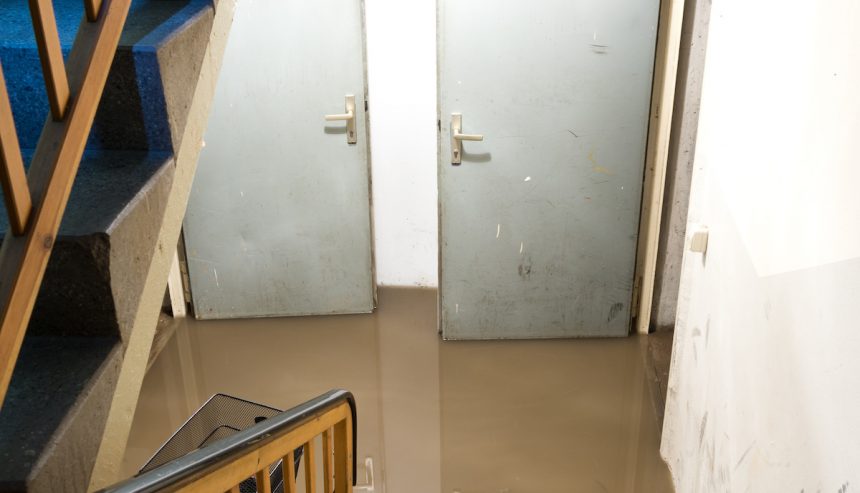
Few things are more stressful for a homeowner than walking downstairs and finding standing water in the basement. Whether caused by heavy rain, a burst pipe, or a sump pump failure, basement flooding can cause significant damage if not addressed promptly and safely. PuroClean of Muncie knows that acting quickly can minimize damage to your home and help prevent long-term issues, like mold and bacterial growth.
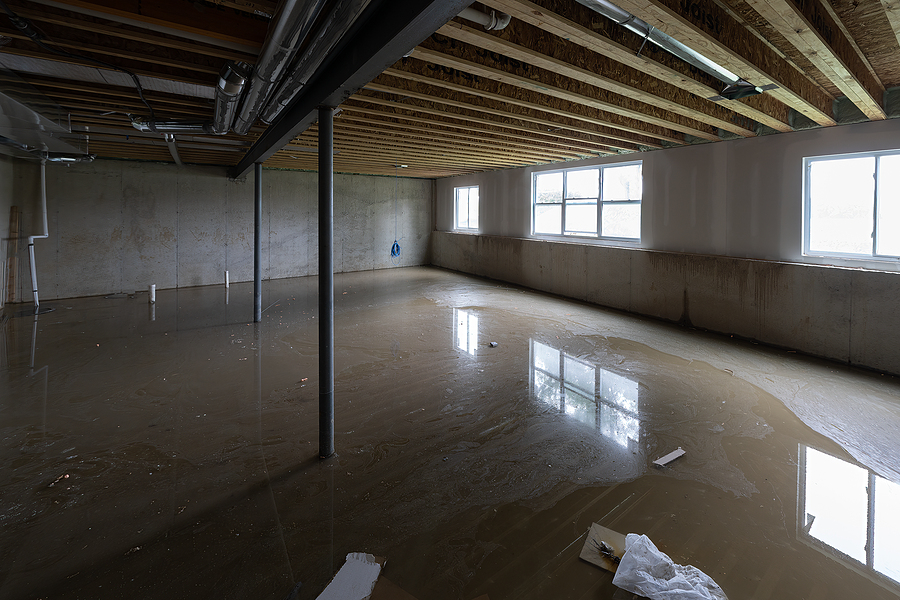
Here’s what to do if your basement floods—and how to clean it up effectively.
Step 1: Put Safety First
Before entering the flooded area, consider safety. Water in the basement can be contaminated with sewage, chemicals, or bacteria. More importantly, there is a risk of electrical shock. If the water is more than a few inches deep, or you’re unsure about electrical hazards, call a water restoration professional immediately.
Step 2: Stop the Source of Water
Identify and address the source of the water. Stopping the source prevents more water from entering while you work on the cleanup.
- If it’s a burst pipe, shut off your home’s main water supply.
- If it’s stormwater, make sure gutters, downspouts, and sump pumps are functioning properly.
- If your sump pump has failed, you may need to use a backup pump or call a plumber to repair or replace it.
Step 3: Remove the Water
Once it’s safe, start removing water as quickly as possible. The method depends on how much water is present:
- For small puddles: Use a wet/dry vacuum or towels.
- For several inches of water: A submersible pump or sump pump is best.
- For significant flooding: You may need professional water-removal services with heavy-duty equipment. The faster you remove water, the less water damage your home will sustain.
Step 4: Dry and Dehumidify
Simply removing the water isn’t enough—moisture lingers in walls, flooring, and furniture. Mold can begin growing within 24 to 48 hours, so drying is crucial.
- Open windows and run fans to increase air circulation.
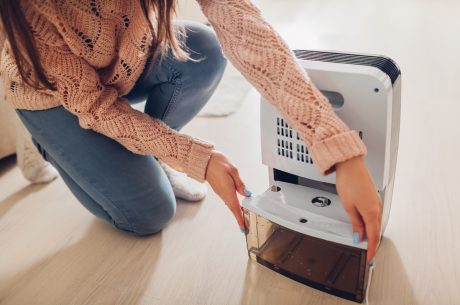
- Use a dehumidifier to reduce moisture levels.
- Remove wet items, such as rugs, furniture, and cardboard boxes, so they can dry separately.
- In severe cases, drywall and insulation may need to be cut out and replaced.
Step 5: Clean and Disinfect
Once everything is dry, thoroughly clean and disinfect surfaces.
- Use a mixture of bleach and water (or a commercial disinfectant) on hard surfaces, such as concrete and tile.
- Wash clothing, bedding, and fabrics in hot water.
- Discard items that cannot be properly cleaned, especially if the water was contaminated.
Step 6: Prevent Future Flooding
After cleanup, take steps to prevent future water damage:
- Install or maintain a sump pump with a battery backup.
- Seal cracks in basement walls and floors.
- Extend downspouts away from the foundation.
- Consider installing a French drain or other drainage system.
A basement flood can be overwhelming, but taking quick action helps limit the damage and restore your home. If the flooding is extensive or involves sewage, don’t hesitate to contact PuroClean of Muncie, a professional restoration company, at (765) 216-3210. Acting fast, staying safe, and addressing the root cause will give you the best chance of avoiding long-term issues.
 PuroClean of Muncie