How long does it take to dry out a house after water damage? It’s one of the first questions homeowners ask after a leak, burst pipe, appliance failure, or other water emergency.
The answer depends on much more than whether the floor or walls look dry.
Water can travel underneath flooring, behind drywall, into insulation, around cabinets, and into other areas you may not be able to see. Because every water loss is different, professional drying should be based on the actual moisture conditions inside the property—not simply a predetermined number of days.
At PuroClean of New Bedford, we use professional moisture-detection and drying equipment to identify affected materials, establish a drying plan, and monitor the property as drying progresses.
1. How Long Does Water Damage Usually Take to Dry?
Many water-damaged structures require several days of professional drying, but there is no universal timeline.
A small plumbing leak discovered quickly may be very different from a large water loss that has saturated drywall, flooring, insulation, cabinets, or subflooring.
The drying time can depend on:
- The amount of water involved
- How long the water was present
- The materials that became wet
- Temperature and humidity
- Whether water traveled into concealed areas
- How quickly water extraction began
- The drying equipment required for the loss
This is why two homes with what appears to be similar water damage can have very different drying times.
2. Removing Standing Water Doesn’t Mean the House Is Dry
One of the biggest misconceptions about water damage is that the problem is solved once the standing water is gone.
Water extraction is an important first step, but building materials can continue holding significant moisture after the visible water has been removed.
Drywall, wood, subflooring and other porous materials can absorb moisture.
Water can also travel into areas such as:
- Wall cavities
- Underneath flooring
- Behind cabinets
- Insulation
- Subflooring
- Ceiling assemblies
These areas may require additional drying even when the room appears normal.
3. What Equipment Is Used to Dry a Water-Damaged Home?
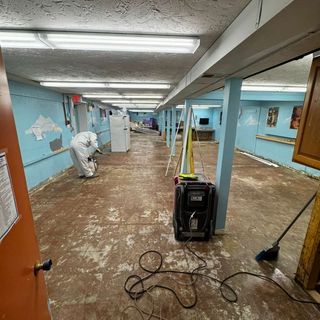
Professional structural drying may involve several different pieces of equipment.
Air Movers
Air movers create controlled airflow across wet materials to encourage evaporation.
These are significantly different from simply placing a household fan in the room.
Dehumidifiers
As moisture evaporates from wet building materials, it enters the surrounding air.
Professional dehumidification helps remove that moisture from the environment and supports the drying process.
Moisture Detection Equipment
Moisture meters and other professional detection tools help technicians determine which materials are affected and monitor drying progress.
This is particularly important because you cannot always see or feel moisture trapped inside building materials.
4. Can You Just Run Fans Until Everything Looks Dry?
Not necessarily.
Fans can move air, but drying a water-damaged structure involves more than airflow.
For example, if water has traveled underneath flooring or into a wall cavity, blowing air across the visible surface may not address the moisture underneath.
Equipment placement, airflow, dehumidification, temperature, and the materials involved all affect drying.
Professional monitoring helps determine whether the affected materials are actually progressing toward an appropriate dry condition.
5. How Do Professionals Know When a House Is Dry?
This is one of the most important parts of water damage restoration.
Drying shouldn’t be determined by appearance alone.
A wall might look completely normal while still containing elevated moisture.
Restoration technicians can take moisture readings from affected building materials and compare conditions throughout the drying process.
These readings help determine whether moisture levels are decreasing and whether additional drying is necessary.
That means the decision to remove drying equipment should be based on documented moisture conditions, not simply because several days have passed.
6. Why Hidden Moisture Can Extend the Drying Time
Water doesn’t necessarily stay where the original leak occurred.
It can migrate through building materials and gravity can carry it into areas below the original source.
For example, a second-floor plumbing leak could potentially affect:
Flooring → subfloor → ceiling cavity → drywall below
Similarly, water from a kitchen leak could travel underneath cabinets or finished flooring.
Finding these affected areas early is an important part of determining the actual extent of the water damage.
7. What Happens If a Property Isn’t Properly Dried?
Stopping the leak is only part of responding to water damage.
Moisture remaining inside building materials can contribute to additional deterioration and may create conditions that support microbial growth.
Depending on the materials involved, prolonged moisture can also contribute to:
- Swelling
- Warping
- Delamination
- Staining
- Odors
- Damage to finishes
- Deterioration of building materials
Proper drying is intended to address moisture before additional damage develops.
How Quickly Should You Call After Water Damage?
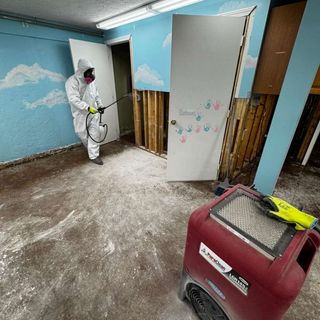
The sooner the water source is stopped and the affected areas are evaluated, the sooner the drying process can begin.
If you discover water damage:
Stop the water source if it is safe to do so.
Then document the affected areas and consider having the property professionally evaluated, particularly when water may have entered walls, flooring, ceilings, cabinets, or other concealed spaces.
Even a relatively small amount of visible water can sometimes affect a larger area than expected.
Water Damage Restoration in New Bedford, MA
If your home or business experiences water damage, PuroClean of New Bedford provides 24/7 emergency water damage restoration throughout New Bedford and surrounding communities in Southeastern Massachusetts.
Our team can assist with:
- Water extraction
- Moisture detection
- Structural drying
- Dehumidification
- Removal of affected materials when necessary
- Cleaning and restoration
- Reconstruction following significant property damage
Whether the loss comes from a burst pipe, plumbing leak, appliance failure, overflow, or another source, our goal is to identify the affected areas and develop the appropriate restoration plan.
Need Help With Water Damage?
Don’t assume a property is dry simply because the visible water is gone.
PuroClean of New Bedford is available 24 hours a day, 7 days a week for water damage emergencies.
We’re Here to Help®