24/7 Emergency Services For Water, Fire, Mold and Biohazard in South Dartmouth
Property Damage Restoration in South Dartmouth, MA may be needed after a burst pipe, plumbing failure, appliance leak, basement or crawl-space water problem, roof leak, severe storm, fire, smoke damage, sewage backup, mold problem, or another unexpected property emergency.
PuroClean of New Bedford provides 24/7 emergency property damage restoration for homes, businesses, rental properties, seasonal properties, and other buildings throughout South Dartmouth.
South Dartmouth deserves a different restoration focus from North Dartmouth.
Its location along the South Coast means properties can face a combination of ordinary household losses and weather-related concerns associated with coastal New England. Dartmouth’s coastline, Buzzards Bay, Apponagansett Bay, and other waterways make storm preparedness, wind-driven rain, and property-specific flood exposure relevant considerations.
That does not mean every South Dartmouth property is waterfront or located within a flood zone.
Actual exposure varies substantially according to:
Many restoration emergencies in South Dartmouth have nothing to do with coastal flooding.
A dishwasher can leak underneath kitchen cabinets.
A pipe can freeze inside an exterior wall.
A water heater can fail.
A toilet can overflow.
A roof leak can soak attic insulation.
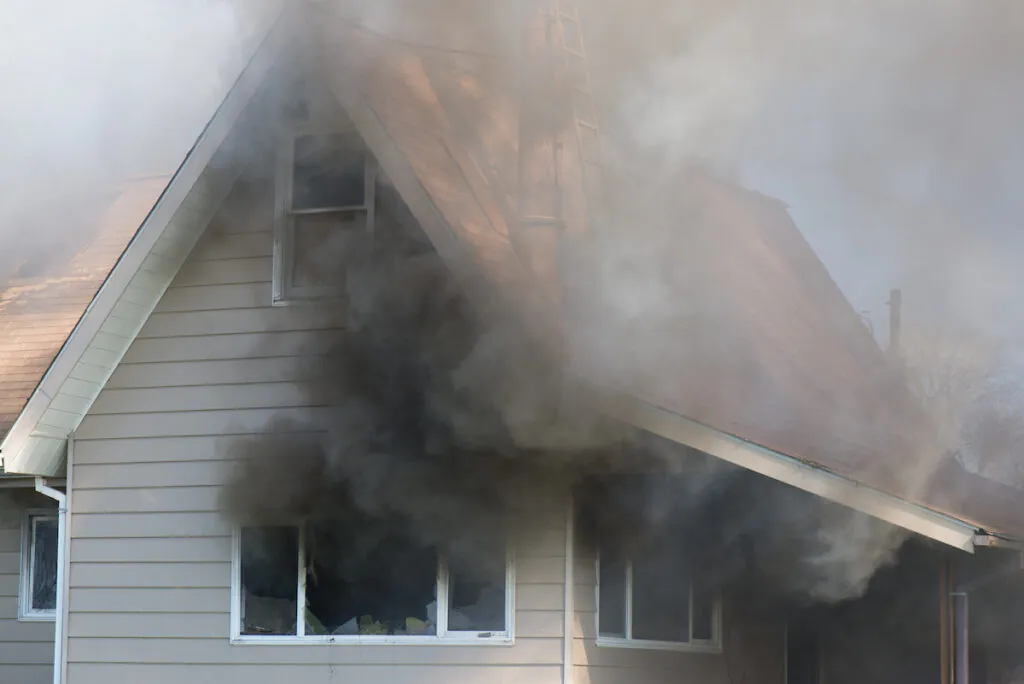
A fire can spread smoke throughout a home.
A slow plumbing leak can create hidden moisture behind a wall.
Regardless of the source, visible damage may represent only part of the problem.
PuroClean of New Bedford provides:
Stopping the source of property damage doesn’t necessarily complete the restoration process.
A plumber may repair a failed pipe while moisture remains underneath flooring.
A roofer may stop water from entering while attic insulation, framing, and ceiling materials remain wet.
Standing water may be removed while excess moisture remains inside walls or subflooring.
A fire may be extinguished while smoke, soot, odors, and firefighting water continue affecting the building.
Depending on the loss, PuroClean of New Bedford can provide:
One property emergency can require several restoration services.
A burst pipe may require water extraction, moisture detection, structural drying, damaged-material removal, and reconstruction.
A storm-related roof leak may require emergency stabilization followed by water mitigation and repairs.
A fire may require board-up, water extraction, structural drying, smoke and soot cleaning, odor removal, contents services, and reconstruction.
A sewage backup may require contaminated water removal, cleaning, sanitizing, structural drying, material removal, and repairs.
PuroClean of New Bedford provides multiple restoration services that can be coordinated throughout the recovery process.
Professional water mitigation can help determine where water traveled, which materials were affected, and what can reasonably be dried and restored.
Fire restoration may address flame damage, smoke, soot, odors, damaged contents, firefighting water, emergency stabilization, and reconstruction.
Professional mold remediation considers both affected materials and the moisture conditions contributing to the problem.
Certain property losses involve biological contamination requiring specialized cleanup procedures and safety precautions.
When mitigation or remediation requires damaged building materials to be removed, reconstruction may be necessary to return affected portions of the property to a finished condition.
Properties closer to Buzzards Bay, Apponagansett Bay, or other waterways may have different storm and water considerations from properties farther inland.
The concerns can include:
However, proximity to the coast alone does not determine whether a particular property will flood.
Professional restoration should respond to the conditions actually discovered at the individual property.
South Coast storms can combine heavy rainfall with strong winds.
Wind-driven rain may enter through vulnerable:
The location where water becomes visible indoors may not be where it originally entered.
Water can travel along framing, through insulation, and inside wall or ceiling assemblies before becoming visible.
Outside water should be approached differently from water released by a clean household plumbing line.
Depending on its source, outside water may contain contaminants picked up from:
The source and conditions of the water can influence cleaning, material-removal, and restoration decisions.
Again, not every South Dartmouth property is in a flood zone.
Property-specific conditions matter.
Coastal location does not eliminate winter plumbing problems.
South Dartmouth still experiences Massachusetts freezing temperatures.
Pipes may be particularly susceptible in:
A frozen pipe may crack before substantial water becomes visible.
When temperatures rise and the pipe thaws, water can escape into surrounding building materials.
Properties that remain unoccupied for extended periods can present a particular restoration challenge.
A plumbing leak, frozen pipe, roof leak, heating failure, or appliance problem may continue longer before someone discovers it.
Delayed discovery can allow water to migrate farther into:
Potential sources include:
Slow plumbing leaks can remain concealed underneath cabinets or behind walls before visible damage develops.
Dishwashers, washing machines, refrigerators, and water heaters can release water into surrounding materials.
A kitchen appliance leak may affect:
The visible wet area may represent only part of the affected area.
Basement water may result from:
Finished basements can conceal moisture behind drywall and underneath flooring.
Removing standing water doesn’t automatically mean those materials are dry.
Crawl spaces can present additional challenges because moisture conditions aren’t always visible from inside the occupied portion of a home.
Water or excess moisture may affect:
A crawl space should be evaluated according to the actual moisture conditions discovered.
Roof leaks can affect considerably more material than a visible ceiling stain suggests.
Potentially affected materials include:
Water can travel along framing before appearing inside the living area.
Sewage-contaminated water requires different precautions from an ordinary clean-water plumbing loss.
Affected materials may include:
Professional sewage cleanup may involve contaminated water removal, removal of materials that cannot appropriately be restored, cleaning, sanitizing, structural drying, odor treatment, and reconstruction.
Fire losses can produce multiple forms of property damage simultaneously.
A property may experience:
Smoke can also travel into rooms where flames never reached.
Mold problems are commonly associated with excess moisture.
Potential moisture sources include:
Identifying and controlling the underlying moisture condition is an important part of developing an appropriate remediation plan.
Property damage can continue affecting building materials after the original emergency has stopped.
Turning off a pipe doesn’t dry wet drywall.
Repairing a roof doesn’t dry wet insulation.
Removing standing water doesn’t automatically dry the subfloor.
Extinguishing a fire doesn’t remove smoke residue.
Beginning restoration promptly can help:
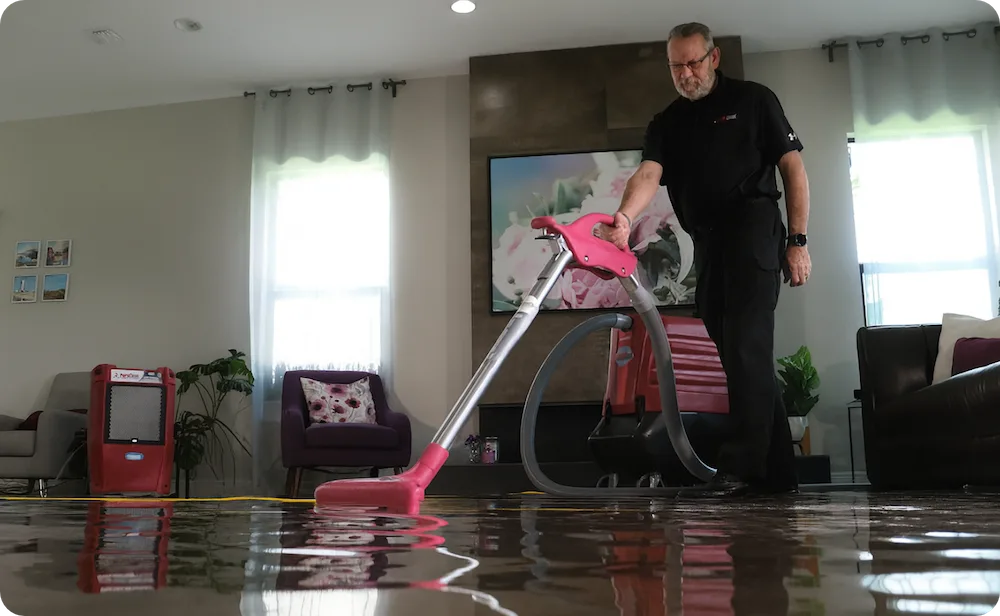
PuroClean of New Bedford provides professional water damage restoration in South Dartmouth, MA for residential and commercial properties.
Water damage may result from:
Depending on conditions, water mitigation may include:
Water doesn’t always remain where it was originally released.
It may travel:
A property may therefore appear dry after visible water has been removed while excess moisture remains inside surrounding materials.
Professional moisture detection can help identify concealed areas requiring attention.
Extraction removes standing and accessible water.
Structural drying addresses moisture remaining inside affected building materials and the surrounding environment.
Depending on conditions, controlled air movement and dehumidification may be used to promote drying.
Moisture readings can help determine how affected materials are responding throughout the drying process.
Drying decisions should be based on actual moisture conditions rather than assuming equipment has operated for a predetermined amount of time.
Water underneath finished flooring can affect:
Whether flooring can be restored depends on factors including:
Not every wet floor automatically requires complete replacement.
Kitchen and bathroom leaks may allow water to travel underneath or behind cabinets and vanities.
Affected materials may include:
Professional moisture evaluation can help determine whether drying is practical or whether portions of affected materials require removal.
Sometimes.
Professional restoration doesn’t mean automatically removing every material that became wet.
Whether a material can reasonably be dried and restored depends on:
Materials that can appropriately be restored should be considered for restoration.
Materials that cannot be safely or reasonably restored may require removal.
PuroClean of New Bedford provides professional fire and smoke damage restoration in South Dartmouth, MA.
Depending on the loss, fire restoration may involve:
Smoke can move throughout a building through air movement and openings within the structure.
It may travel through:
Rooms without direct flame damage may therefore still contain smoke residue or odors.
Different fires can produce different types of residue.
The appropriate cleaning process depends on the residue and material affected.
Professional evaluation can help determine which surfaces and belongings may be candidates for cleaning and which have sustained damage requiring replacement.
Smoke odors can remain after visible soot has been removed because residue can penetrate porous materials.
These may include:
Professional deodorization focuses on addressing odor sources rather than simply masking the smell.
Firefighting efforts may introduce water throughout a property.
Affected materials may include:
Water mitigation and structural drying may therefore be important early phases of fire restoration.
PuroClean of New Bedford provides professional mold removal in South Dartmouth, MA for qualifying residential and commercial properties.
Mold remediation should consider both affected materials and the moisture conditions associated with the problem.
Potential moisture sources include:
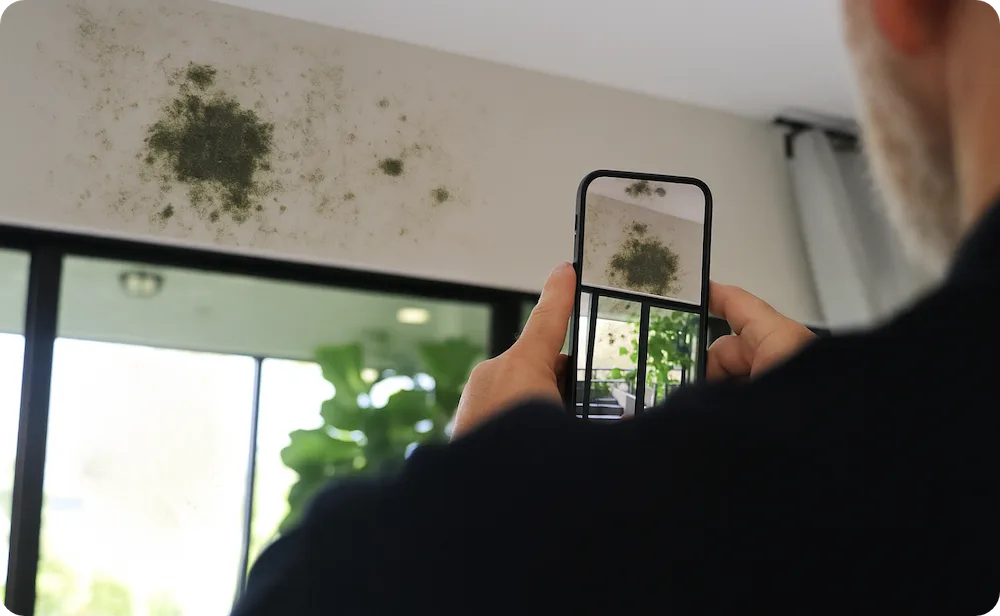
Possible warning signs include:
Mold may also occur in concealed areas where moisture has entered walls, insulation, flooring assemblies, cabinets, or other hidden portions of the property.
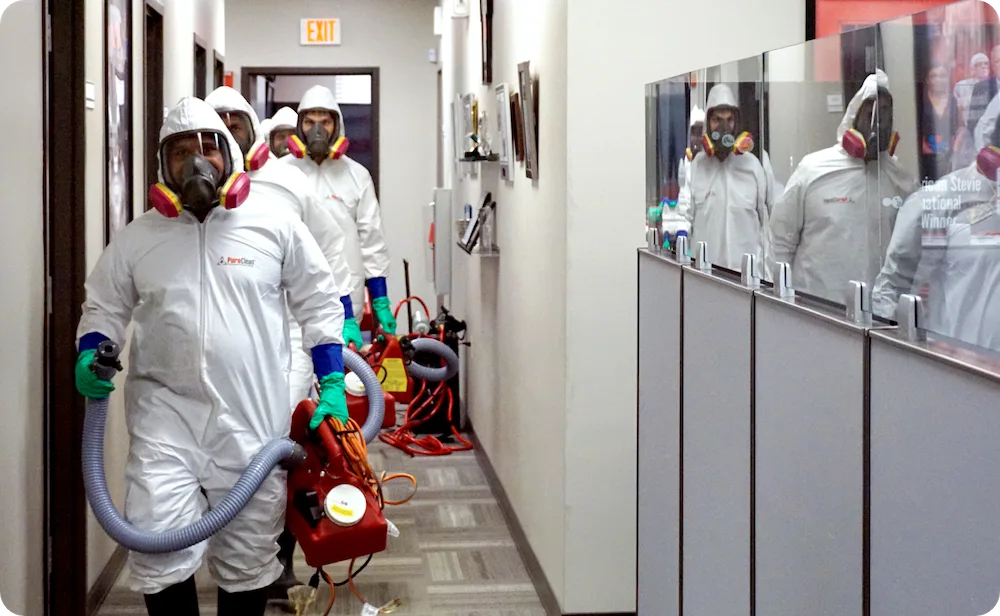
Depending on conditions, professional remediation may involve:
Correcting or controlling the underlying moisture condition is an important part of remediation.
PuroClean of New Bedford provides professional biohazard cleanup in South Dartmouth, MA for qualifying situations involving biological contamination.
These situations may include:
Biohazard cleanup requires different procedures from ordinary household cleaning.
Our approach emphasizes safety, discretion, professionalism, and respect.
Sewage-contaminated water shouldn’t be treated like an ordinary clean-water plumbing loss.
Depending on conditions, professional cleanup may involve:
Children, pets, and unnecessary occupants should remain away from sewage-affected areas.
Mitigation is often only the first phase of restoring a damaged property.
Water damage may require drywall, insulation, flooring, cabinets, or trim to be removed.
Fire restoration may require repairs to structural components and interior finishes.
Mold remediation may require affected building materials to be removed before reconstruction.
PuroClean of New Bedford provides construction, remodeling and repairs in South Dartmouth, MA for qualifying restoration projects.
Repairs may include:
This can help qualifying projects transition from emergency mitigation into repairs and reconstruction.
PuroClean of New Bedford provides professional carpet and upholstery cleaning in South Dartmouth, MA for residential and commercial properties.
Carpets and upholstered furniture can collect dirt, dust, pet hair, stains, odors, and debris through everyday use. They may also require specialized attention following certain water, fire, smoke, or odor-related property losses.
Professional cleaning may help address:
The appropriate cleaning process depends on the material, existing condition, type of soiling, and whether contamination is involved.
Whether carpeting can be restored after water damage depends heavily on the source of the water and the condition of the materials.
Carpet affected by certain clean-water losses may sometimes be a candidate for professional drying and cleaning.
Carpet exposed to sewage, outside floodwater, or other significant contamination requires different considerations.
Water may also travel beneath carpeting and affect:
Evaluating the complete floor assembly helps determine whether drying and cleaning are appropriate or whether affected materials require removal.
PuroClean of New Bedford provides professional area rug cleaning in South Dartmouth, MA.
Area rugs vary considerably in fibers, dyes, backing, construction, age, and condition.
Professional cleaning may help address:
If an area rug has been affected by water, smoke, or another property loss, its condition and the source of contamination should be evaluated before determining whether cleaning and restoration are appropriate.
PuroClean of New Bedford provides professional duct cleaning in South Dartmouth, MA for residential and commercial properties.
Dust and debris can accumulate inside ductwork over time. Fire damage, construction, remodeling, and certain restoration projects can also introduce additional particles into a building.
Duct cleaning may be considered following:
Smoke can move throughout a building and may enter portions of the HVAC system depending on the circumstances of the fire.
When smoke or soot has affected ductwork or other HVAC components, those conditions should be considered as part of the overall fire restoration project.
Property damage can become more complicated when an insurance claim is involved.
PuroClean of New Bedford performs restoration work associated with insurance claims and can provide documentation related to conditions discovered and work performed.
Depending on the project, documentation may include:
Insurance coverage and claim decisions are determined by the insurance carrier according to the terms, conditions, limits, and exclusions of the applicable policy.
Coverage depends on the cause of the loss and the individual insurance policy.
A sudden plumbing failure, long-term leak, sewage backup, storm-related water intrusion, and outside flooding may be treated differently.
Property owners should contact their insurance carrier regarding coverage for their specific loss.
Flood coverage can be separate from standard homeowners insurance.
This distinction can be particularly important for property owners in coastal communities.
Being located in South Dartmouth does not automatically mean a property requires flood insurance or is within a particular flood zone. Property owners should verify their property’s designation and individual insurance coverage.
Avoid affected areas when you suspect:
Contact emergency services when appropriate.
If a plumbing line has failed, shutting off the main water supply may help limit additional water entering the property.
Never put yourself at risk attempting to stop the source.
Outside water and sewage may contain contaminants.
Avoid unnecessary contact with standing water when its source or safety is uncertain.
When safe, photograph or record affected areas and belongings.
Professional evaluation can help determine the extent of damage, including moisture that isn’t immediately visible.
Your carrier can explain the claims process and coverage under your individual policy.
Wet materials don’t automatically require removal.
When conditions allow, materials should be evaluated to determine whether they can reasonably be dried and restored.
PuroClean of New Bedford provides residential restoration services throughout South Dartmouth.
Property damage may affect:
The construction and location of each property can influence restoration.
A burst pipe on an upper floor may affect multiple levels.
A dishwasher leak may spread underneath kitchen cabinets and flooring.
A roof leak may affect attic materials before visible damage appears inside the living space.
A crawl-space moisture problem may affect floor framing or insulation before the problem becomes obvious upstairs.
Professional restoration should respond to the actual conditions discovered at the property.
A property that isn’t occupied every day may experience additional challenges when damage occurs.
If a pipe breaks, roof begins leaking, appliance connection fails, or heating system stops working while the property is vacant, the problem may continue for an extended period before being discovered.
Delayed discovery can increase the amount of material affected.
Property owners who leave homes vacant for extended periods during cold weather should pay particular attention to:
If water damage is discovered after a property has been vacant, professional moisture evaluation can help determine how far the water traveled.
PuroClean of New Bedford provides commercial restoration services for qualifying South Dartmouth properties.
Commercial restoration may involve:
The restoration plan depends on the building, extent of damage, affected materials, contamination, and operational needs of the property.
Yes. PuroClean of New Bedford provides 24/7 emergency restoration services for qualifying property damage situations in South Dartmouth.
Services include water damage restoration, fire and smoke damage restoration, mold removal, biohazard cleanup, sewage cleanup, construction and repairs, carpet and upholstery cleaning, area rug cleaning, and duct cleaning.
Yes. PuroClean of New Bedford provides water extraction, moisture detection, structural drying, and related restoration services for qualifying water losses.
Prompt evaluation is recommended.
Water can continue migrating into flooring, walls, insulation, cabinets, subflooring, ceilings, and other materials even after the original source has stopped.
Yes.
Visible surfaces may appear dry while excess moisture remains underneath flooring, behind drywall, inside insulation, underneath cabinets, or within other concealed areas.
Professional moisture-detection equipment, visual inspection, moisture readings, and knowledge of building construction can help identify affected materials that aren’t visibly wet.
No.
Whether materials can reasonably be dried and restored depends on the water source, contamination, material type, duration of exposure, amount of moisture, physical condition, and accessibility for drying.
Sometimes.
Drywall affected by certain clean-water losses may be capable of drying depending on the conditions.
Significantly deteriorated or contaminated drywall may require removal.
It depends on the insulation material, source of water, contamination, moisture conditions, physical condition, and ability to appropriately dry the material.
Some wood flooring may be a candidate for professional drying.
Water source, duration of exposure, moisture levels, flooring construction, subfloor conditions, and physical damage should all be considered.
Water beneath finished flooring may affect underlayment, adhesives, subflooring, baseboards, and adjacent walls.
The visible flooring surface may not reveal the complete extent of moisture.
Sometimes.
Cabinet material, water exposure, swelling, deterioration, contamination, and accessibility for drying influence whether restoration is practical.
If it can be done safely, shut off the property’s main water supply.
Have the plumbing failure repaired and arrange for the resulting water damage to be professionally evaluated.
Yes.
South Dartmouth experiences freezing Massachusetts winter temperatures. Plumbing in exterior walls, basements, crawl spaces, garages, unheated areas, and poorly insulated spaces may be vulnerable.
Shut off the water supply when safe and arrange for the plumbing problem and resulting property damage to be evaluated.
Because the duration of the leak may be uncertain, concealed areas should also be considered.
Some South Dartmouth properties may have greater flood exposure because of their exact location, elevation, proximity to water, drainage, and other site-specific conditions.
That does not mean every South Dartmouth property is flood-prone.
Yes.
Outside water can contain contaminants and requires different restoration considerations from water released by a clean household supply line.
Avoid contact when the water may be contaminated or electrical hazards may exist.
When safe, document the damage and contact a professional restoration company.
Yes.
Wind-driven rain may enter around vulnerable roofing, flashing, windows, doors, siding, and exterior penetrations.
Yes.
Water entering through a roof may affect roof sheathing, attic insulation, framing, ceilings, and walls before visible staining develops.
Yes.
Excess moisture or water in a crawl space may affect floor framing, subflooring, insulation, and other materials.
Persistent moisture can create conditions that support mold growth.
Addressing the water source and properly drying affected materials are important after a water loss.
Yes.
Mold may occur in concealed areas when moisture enters wall cavities, insulation, flooring assemblies, cabinets, or other hidden building components.
Recurring mold may indicate an unresolved moisture condition.
Potential causes include plumbing leaks, roof leaks, basement or crawl-space moisture, condensation, storm-related water intrusion, and elevated humidity.
Yes. PuroClean of New Bedford provides professional mold remediation for qualifying residential and commercial properties.
Yes.
Smoke can move through hallways, doorways, stairways, attics, HVAC systems, wall cavities, ceiling cavities, and other openings.
Rooms without direct flame damage may still contain smoke residue or odors.
Smoke residue can penetrate porous materials including drywall, wood, carpeting, upholstery, clothing, cabinets, and insulation.
Professional fire restoration addresses odor sources as well as visible residue.
Some belongings may be candidates for professional cleaning and restoration.
Whether restoration is appropriate depends on the material, condition, contamination, heat exposure, and type of residue.
Firefighting efforts may introduce water into walls, ceilings, flooring, insulation, basements, and other portions of a property.
Water mitigation and structural drying may therefore be required during fire restoration.
Yes. PuroClean of New Bedford provides professional fire and smoke damage restoration for qualifying residential and commercial losses.
Avoid unnecessary contact with sewage-contaminated water.
Keep children, pets, tenants, employees, and other unnecessary occupants away from the affected area and contact a professional cleanup company.
Yes. PuroClean of New Bedford provides professional biohazard cleanup for qualifying situations involving biological contamination.
Yes. PuroClean of New Bedford provides qualifying restoration services for commercial properties as well as residential properties.
Yes. PuroClean of New Bedford can provide reconstruction for qualifying restoration projects following water mitigation, fire restoration, mold remediation, and other property damage.
Mitigation addresses the immediate damage and helps prevent conditions from becoming worse.
Depending on the loss, mitigation may include water extraction, structural drying, cleaning, contamination control, damaged-material removal, and other restoration work.
Reconstruction involves repairing or replacing building materials after mitigation is complete.
Yes. We can provide restoration documentation and communicate with insurance professionals when appropriate.
Insurance coverage and claim decisions remain with the insurance carrier under the applicable policy.
It depends on the cause of the loss and the individual policy.
Different causes of water intrusion may be treated differently. Property owners should contact their insurance carrier regarding their specific loss.
Flood coverage can be separate from standard homeowners coverage.
Property owners should review their individual policies with their insurance professional.
There isn’t one timeline that applies to every property.
The restoration period depends on the amount of water, materials affected, contamination, drying conditions, accessibility, and whether reconstruction is necessary.
Professional moisture readings can be used during structural drying to evaluate affected materials.
A building shouldn’t be considered dry solely because visible surfaces look dry or drying equipment has operated for a predetermined number of days.
PuroClean of New Bedford provides property restoration services throughout South Dartmouth and surrounding South Coast communities, including:
Water damage, coastal storms, fire, smoke, mold, sewage, and other property emergencies can affect considerably more of a building than what is immediately visible.
Water may remain underneath flooring or behind walls. A roof leak may affect attic materials before becoming visible downstairs. A plumbing problem in a vacant property may continue before being discovered. Smoke may move beyond the original fire area. Damaged portions of a property may require reconstruction after mitigation.
PuroClean of New Bedford provides 24/7 property damage restoration in South Dartmouth, MA, including:
From the initial emergency through mitigation, drying, cleaning, remediation, and qualifying reconstruction, PuroClean of New Bedford is ready to help South Dartmouth property owners recover from unexpected property damage.
Owned & Operated by Julio De Souza, Jr. & Diego De Souza
140 River Road, New Bedford, MA, 02745
(774) 770-6994
Water damage can result from unexpected leaks, flooding from storms, plumbing failures, or appliance malfunctions. Our certified teams focus on rapid water removal, drying, and stabilization to help prevent further damage and mold growth.
 Explore Our Water Damage Mitigation Services
Even after a fire is extinguished, smoke, soot, and odor can continue to affect your home. Fire damage restoration services address visible damage while also helping reduce lingering effects that impact indoor air quality and surfaces.
Explore Our Fire and Smoke Damage Restoration Services
Mold often develops as a result of unresolved moisture or hidden water damage. Professional mold remediation helps identify affected areas, contain growth, and restore healthy indoor conditions.
Explore Our Mold Removal and Remediation Services
Biohazard situations, including crime scene cleanup and virus decontamination, require specialized cleaning and handling to protect health and safety. Biohazard cleanup services address contamination using proper protocols and professional care.
Explore Our Biohazard Cleanup Services
In some cases, property damage requires repairs beyond cleanup and mitigation. Reconstruction services help restore damaged areas of the home after water, fire, or other incidents, supporting a smoother transition from damage to recovery.
Explore Our Reconstruction Services Services
When water impacts a workplace, the first priority is protecting employees, customers, and visitors from slip hazards, electrical exposure, and air-quality risks—while you keep critical areas operating. PuroClean of New Bedford helps facilities teams stabilize, extract, dry, and verify conditions with clear re-entry guidance and documentation. A commercial water event creates an immediate duty-of-care obligation for every employee, customer, and visitor who enters the space.
Explore Our Commercial Water Damage Restoration Services
For property managers, mold is an occupancy decision—not a cosmetic cleanup. PuroClean of New Bedford helps you isolate affected zones, verify airborne spore control, and document clearance so tenants and staff can return with confidence. Commercial mold is not primarily a visible surface issue — it is an airborne spore concentration problem that creates measurable health risk for everyone who occupies the space.
Explore Our Commercial Mold Remediation Services
In commercial fire losses, the biggest impact is often outside the burn area—smoke, soot, and odor can move through HVAC and hidden pathways into workspaces, inventory, and adjacent suites. PuroClean of New Bedford helps business owners assess the entire building and restore operations with a documented, phased plan.
Explore Our Commercial Fire Damage Restoration Services
For operations leaders and property managers, a biohazard incident isn’t just a cleanup—it’s a duty to remediate with controlled access, strict safety protocols, and documentation that protects your property, tenants, and stakeholders. Undocumented or incomplete biohazard remediation can create ongoing liability exposure for owners and operators—tenant complaints, failed inspections, denied claims, or disputes at the next tenancy.
Explore Our Commercial Biohazard Cleanup Services
Water damage can result from unexpected leaks, flooding from storms, plumbing failures, or appliance malfunctions. Our certified teams focus on rapid water removal, drying, and stabilization to help prevent further damage and mold growth.
Explore Our Water Damage Mitigation Services
Find answers to common questions about our services
We build an insurance-ready file as we mitigate—dated photos/video, moisture readings and drying logs, and a clear scope with detailed estimates. If hidden moisture is discovered as materials dry (common in damp coastal conditions), we document changes and communicate updates quickly so your adjuster has a clean, consistent record for South Dartmouth losses.
In South Dartmouth, higher humidity and damp stretches can slow drying and let moisture linger in building materials. Starting extraction and dehumidification quickly helps reduce secondary damage like odor, swelling, and mold risk. Calling early also lets us capture moisture baselines and produce better drying records if you’re filing an insurance claim.
Below-grade areas can hold moisture longer, so we focus on thorough moisture mapping, targeted drying, and documentation that shows progress over time. If water is re-entering (seepage, sump issues, or persistent dampness), we note conditions, adjust the drying plan, and provide clear reporting so next steps—repairs or reconstruction—are easier to approve and schedule.
When regional storms create a surge, we triage by safety and damage spread—active water intrusion, contamination, or situations that threaten structural materials come first. We’ll stabilize conditions (like emergency board-up or water control), start documentation immediately, and give South Dartmouth owners clear scheduling updates for mitigation and any reconstruction work.
What Our Customers Say:
When you need water damage restoration services near you, call the experts at PuroClean. We are here day or night, 24/7, to help remove any standing water quickly and begin your water restoration service. We monitor the drying process so you can rest assured that your property is dried thoroughly. We offer commercial water restoration services for businesses and residential water damage restoration for homeowners.

PuroClean of New Bedford
(774) 770-6994
140 River Road, New Bedford, MA 02745


© 2026 PuroClean. All Rights Reserved.