


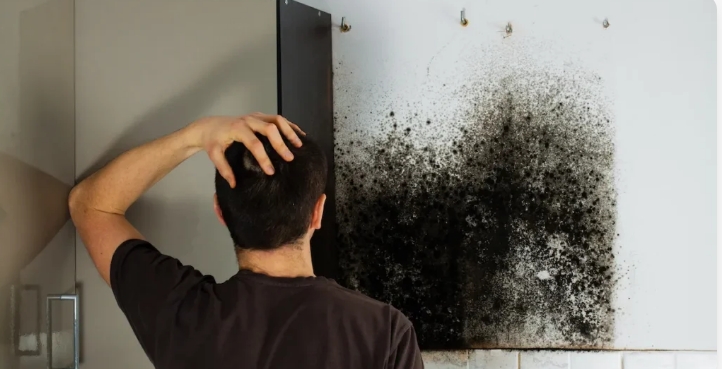
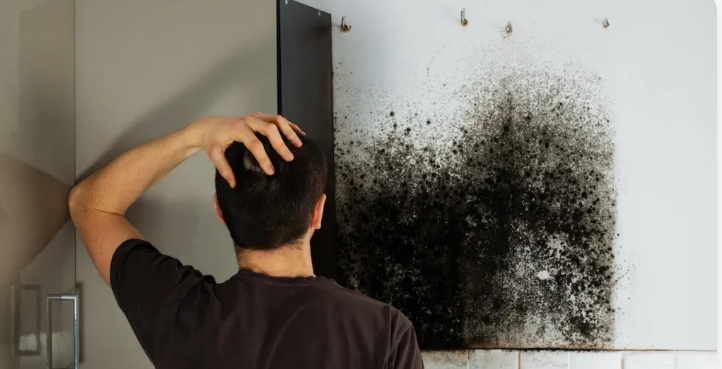
Mold removal Providence RI homeowners trust for fast, professional remediation services.
what causes mold in a house in providence ri PuroClean of New Bedford (774) 770-6994
Table of Contents
- Common Causes of Mold in Providence Homes (and How to Prevent Them)
- Flooding and Water Intrusion
- High Indoor Humidity
- Poor Ventilation
- HVAC Imbalance & Negative Pressure
- Leaking Pipes and Plumbing Issues
- Roof Leaks
- Condensation on Cold Surfaces
- Basements and Crawl Spaces
- Call PuroClean of New Bedford for Mold Removal and Prevention Services
- Summary
- FAQs
Mold plays an important role outdoors by breaking down organic material and recycling nutrients. Indoors, however, mold growth can impact indoor air quality, damage building materials over time, and create respiratory or allergy-like symptoms in sensitive individuals.
Many homeowners in Providence, RI ask, “What causes mold in a house?”
The answer almost always leads back to one factor: moisture control.
Providence homes are especially vulnerable to mold because of New England’s humid summers, older housing stock, seasonal storms, basement moisture, and coastal weather conditions.
Mold spreads through microscopic airborne spores that can always be present to some degree, indoors and outdoors. Spores only grow into active mold when the right conditions exist:
- Moisture/elevated humidity
- A food source (drywall paper, wood, carpet, dust, insulation, fabrics)
- Limited airflow
- Time—often just 24–48 hours
When moisture is controlled, mold growth can often be controlled.
The Mold Formula
Indoor mold growth occurs when three conditions come together:
| Moisture | + | Time | + | Organic/Cellulose Material |
| Leaks, humidity, flooding, condensation | → | 24–48 hours | → | Drywall, wood, insulation, dust, carpet |
Control the moisture, and you control the mold.
Common Causes of Mold in Providence Homes (and How to Prevent Them)
Understanding what causes mold in a house helps Providence homeowners take action before damage spreads. Below are the leading causes, including prevention tips rooted in practical building science and restoration industry standards.
1. Flooding and Water Intrusion
Cause:
Flooding saturates structural materials such as drywall, flooring, insulation, and framing, where moisture can remain trapped and support mold growth. Mold can begin forming in as little as 24 to 48 hours, especially in humid or poorly ventilated conditions.
Providence-area homes commonly experience water intrusion from:
- Heavy rainfall and Nor’easters
- Basement seepage
- Sewer backups
- Foundation leaks
- Frozen pipe bursts during winter
- Storm damage
Prevention & Response Tips:
- Remove standing water as soon as safely possible
- Begin drying immediately using professional air movement and dehumidification
- Use moisture meters to verify materials are drying completely
- Improve exterior drainage around the property
- Install sump pumps in flood-prone basements
DIY cleanup is rarely effective after significant flooding. Professional drying, monitoring, and documentation help prevent long-term damage and secondary mold growth.
2. High Indoor Humidity
Cause:
Activities such as showering, cooking, laundry, and even breathing release moisture into indoor air. If humidity rises above 55–60% relative humidity (RH), mold can grow even without a leak.
Providence’s humid summer climate can make indoor humidity especially difficult to manage in older homes.
Most Vulnerable Areas:
- Bathrooms
- Laundry rooms
- Kitchens
- Basements
- Crawl spaces
Prevention Tips:
- Keep indoor humidity levels between 30% and 50%
- Use dehumidifiers in moisture-prone areas
- Run air conditioning during humid weather
- Always use exhaust fans while cooking or showering
- Monitor humidity levels using a hygrometer
3. Poor Ventilation
Cause:
Poor ventilation prevents moist air from escaping the home, allowing humidity and condensation to build up. Without proper airflow, steam and vapor settle on cold surfaces, saturating drywall, caulk, and paint.
Examples include:
- Bathrooms without exhaust fans
- Kitchens venting into attics
- Laundry dryers not vented outside
- Older Providence homes with limited airflow
Prevention Tips:
- Vent bathrooms, kitchens, and laundry rooms outdoors
- Confirm exhaust fans vent outside the home
- Improve indoor airflow with HVAC adjustments or ceiling fans
- Open windows when weather allows
4. HVAC Imbalance & Negative Pressure (Often Overlooked)
Cause:
Tightly sealed homes or incorrectly balanced HVAC systems can create negative pressure, drawing humid air into walls, attics, and crawl spaces. Moisture accumulates where homeowners cannot see it.
Prevention Tips:
- Schedule routine HVAC inspections and balancing
- Keep HVAC filters clean
- Evaluate airflow issues if rooms feel stuffy or damp
- Ensure attics and crawl spaces have proper ventilation
5. Leaking Pipes and Plumbing Issues
Cause:
Slow leaks — especially behind walls or under cabinets — may go undetected for weeks. Moisture accumulates in drywall voids, insulation, and flooring, allowing mold to spread out of sight.
Warning Signs:
- Warped cabinets
- Bubbling paint
- Discoloration
- Musty odors
- Unexpected increases in water bills
Prevention Tips:
- Inspect sinks, toilets, and appliances regularly
- Install leak detection sensors near water sources
- Repair leaks immediately
- Schedule annual plumbing inspections
6. Roof Leaks
Cause:
Roof leaks are a common but often overlooked cause of mold in Providence homes. Damaged shingles, cracked flashing, clogged gutters, and winter ice dams can allow water into attics and ceiling cavities.
These areas are typically dark, warm, and poorly ventilated, allowing moisture to remain trapped for long periods.
Prevention Tips:
- Inspect your roof twice yearly and after storms
- Replace damaged shingles quickly
- Keep gutters and downspouts clear
- Check attic spaces for moisture or staining
- Address ceiling discoloration immediately
7. Condensation on Cold Surfaces
Cause:
Condensation forms when warm, moisture-laden indoor air contacts cold surfaces such as windows, exterior walls, pipes, or concrete floors.
Providence winters often create large temperature differences between indoor and outdoor air, increasing condensation risks.
Prevention Tips:
- Maintain balanced indoor humidity year-round
- Insulate cold pipes and exterior walls
- Use exhaust fans during showers and cooking
- Wipe down condensation regularly
- Improve overall airflow throughout the home
8. Basements and Crawl Spaces
Cause:
Basements and crawl spaces are among the most common problem areas when Providence homeowners ask what causes mold in a house. These areas often have:
- Higher humidity
- Cooler temperatures
- Poor ventilation
- Groundwater intrusion
- Foundation moisture problems
Because many New England homes have older basements, mold can grow unnoticed on wood framing, insulation, cardboard storage boxes, and flooring materials.
Prevention Tips:
- Use dehumidifiers year-round
- Seal foundation cracks and gaps
- Install vapor barriers in crawl spaces
- Improve basement ventilation
- Waterproof basement walls if needed
- Inspect regularly for dampness or musty odors
Mold Removal Providence RI Services by PuroClean of New Bedford
Mold can grow in hidden and unexpected areas, making professional remediation essential. If you are dealing with mold growth or want help preventing it, contact PuroClean of New Bedford for expert mold remediation services in Providence, RI.
Our technicians are IICRC-certified and trained to identify moisture problems, eliminate mold safely, and help prevent future growth using advanced equipment and proven restoration techniques.
Professional help is recommended when:
- Mold covers more than 10 square feet
- Mold keeps returning after cleaning
- Mold is inside HVAC systems or walls
- The moisture source is unknown
- Family members are experiencing respiratory concerns
Professionals Use:
- Moisture mapping
- Containment and HEPA filtration
- Controlled mold removal
- Structural drying
- IICRC S500/S520-aligned procedures
Call PuroClean of New Bedford for Mold Remediation & Moisture Control
If mold is affecting your Providence home, or if you want to prevent future problems, PuroClean of New Bedford can help.
Our IICRC-certified technicians provide:
- Moisture inspections and source identification
- Mold remediation and containment
- Structural drying and monitoring
- Water damage restoration
- Guidance to reduce future mold risks
Call (774) 770-6994 today to schedule a professional inspection.
A professional inspection today can prevent a costly problem tomorrow.
Summary
- What causes mold in a house: Mold grows indoors when excess moisture combines with organic building materials and limited airflow.
- Water damage and leaks: Flooding, roof leaks, plumbing issues, and basement moisture allow mold to grow within 24–48 hours.
- Humidity and condensation: High humidity and cold-surface condensation create ongoing moisture problems that support mold growth.
- Ventilation issues: Poor airflow traps moisture in bathrooms, kitchens, basements, attics, and crawl spaces.
- High-risk areas: Providence basements, crawl spaces, attics, and older homes are especially vulnerable.
- Mold prevention: Controlling humidity, fixing leaks quickly, improving ventilation, and responding fast to water damage are key.
- Professional help: Restoration professionals can identify hidden moisture, remediate mold safely, and help prevent recurrence.
FAQs
1. What causes mold in a house most often?
Excess moisture from water damage, plumbing leaks, roof leaks, high humidity, poor ventilation, and condensation are the most common causes.
2. Can mold grow without visible water leaks?
Yes. High humidity and condensation alone can support mold growth, especially in older or poorly ventilated Providence homes.
3. How fast can mold grow after water damage?
Often within 24–48 hours if materials remain wet and conditions are favorable.
4. Where does mold grow most in homes?
Bathrooms, kitchens, basements, crawl spaces, attics, HVAC systems, and anywhere moisture accumulates.
5. Can mold come back after removal?
Yes, if the moisture source is not corrected. Effective remediation includes identifying and addressing the underlying moisture issue.