


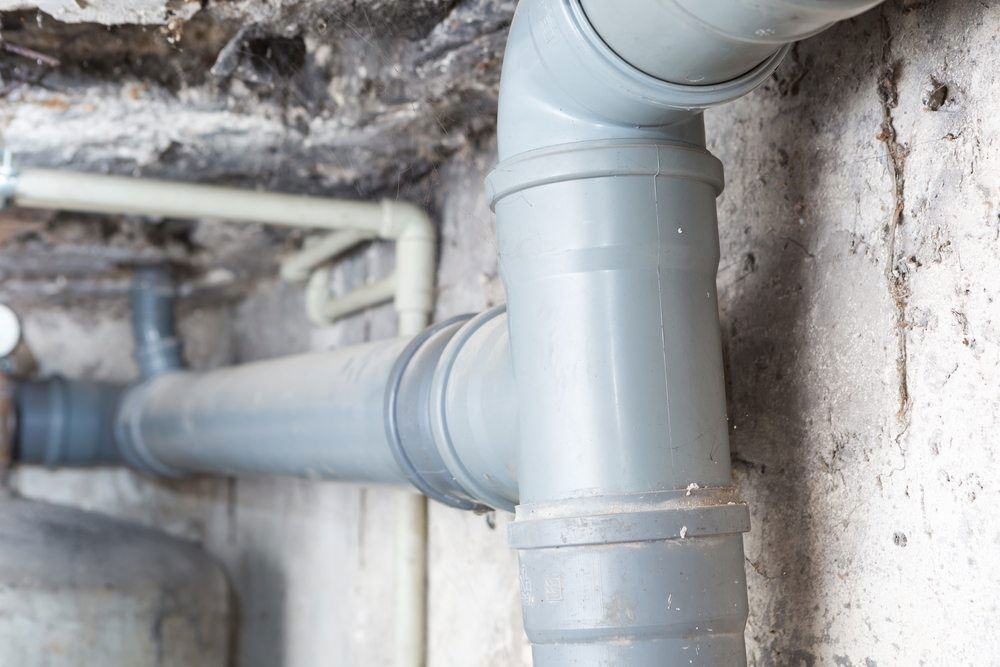
When sewer lines become obstructed, preventing wastewater from flowing through drainage pipes, a blockage occurs. The thick, black water that forms as sewage is a potential hazard, as it contains contaminants and viruses that can present a risk of severe illness if exposed to humans or animals. If you have a sewage backup in your basement, you will need to fix it quickly. However, knowing what causes sewer backups can help you prevent a hazardous situation in your basement or home. Here’s how to prevent and handle sewage backups in your pipes:
Causes for a Sewage Backup in the Basement
- Clogs – Sewage can back up into your home when either your home’s drain pipes or main sewer line becomes clogged. For example, if a toilet causes a sewage backup, the drain connected to it will likely be clogged. But if all toilets or bathtubs in your home experience backflows, there may be a clog in the main sewer line, or the sump pump may have failed. Clogs can be caused by hair, grease, or other solid materials that end up in drains.
- Tree Roots – Trees can grow really long roots that intertwine with your sewer line. Roots can grow into a pipe, causing holes or crushing the sewer line as they grow around it. Even if the roots in your yard are not the problem, roots from nearby trees can reach your sewer line and damage it.
- Damaged Sewer Lines – In the past, pipes were made of cast iron and clay piping, which don’t last very long. Aging sewage systems can deteriorate and crack, leading to sewage backups and flooded basements. Plastic sewer lines have now become the norm.
- Heavy Rainfall – Can heavy rain cause sewer backup? Yes, heavy rainfall can overburden your city’s sewer lines. If the public sewer can’t handle excess rainfall, the water can flow into connected sewer lines. This puts your home at risk of water backflows.
How to Prevent a Sewage Backup in the Basement
- Don’t pour grease down the drain. Cooking oil can harden within your pipes; it gradually stops debris from draining, creating a clog. To properly dispose of grease or fat, pour it into a heat-resistant container and throw it in the trash once it cools.
- Dispose of paper products properly. Flushing hygiene products such as paper towels, diapers, or feminine products down the toilet can easily clog your sewer line. Save yourself some trouble and discard paper products in the trash.
- Install a new plastic pipe or cut tree roots. To prevent tree roots from damaging your sewer lateral (the line buried in your yard), replace it with a new plastic pipe. If tree roots continue to grow in your sewer lateral, cut them occasionally.
- Install a backwater prevention valve. This fixture allows sewage to leave but prevents it from backing up into your home. Backwater valves are typically installed in a sewer line and sometimes in a drain line in the basement.
- Sewage pump maintenance. Ensure your sump pump doesn’t sit on debris, such as silt or gravel, which could be sucked into the pump and damage the motor. Instead, place it on a steady flat brick. Also, ensure the sump basin has a filter fabric around it to prevent debris from entering.
What You Can Do If You Have a Sewage Backup in the Basement
Calling a professional restoration company is the best way to deal with sewage backup in the basement. However, here’s what you can do to mitigate the damage in your home before the restoration team arrives:
- Evacuate the flooded area. Sewage contaminants are hazardous to pets as well.
- Turn off the electrical power in the flooded area. Electrical wires or appliances might come in contact with standing water or wet materials.
- If the main circuit breaker is in the basement, be careful. If you can’t safely turn off the power, don’t go near electrical devices.
- Wear protective clothing, such as a facemask, eyeglasses, gloves, and rubber boots, before walking through sewage water.
- Shut off the main water valve for your home. Check out how to shut off utilities during a disaster.
- Notify your insurance company about the sewage backup. Remember that sewer backups are not covered by standard homeowners insurance, unless you’ve purchased extra endorsements for sewers and drains. Learn more about homeowners’ insurance and water damage.
- Notify your municipal authority or sewer department if your home is connected to a public sewer.
- Don’t use the water supply system in your home until the backup problem is fixed – don’t flush toilets or drain tubs and sinks.
- Open windows or doors to let fresh air in and ventilate the area.
- Add some chlorine bleach to the standing water to help disinfect.
For Professional Sewage Cleanup, Call the PuroClean Water Damage Restoration Experts
If you have a sewage backup in the basement, call a restoration professional right away to remediate the black water damage. Handling the contaminated water yourself can put you at risk of contracting diseases. Contact PuroClean for water damage repair and mold remediation services.