


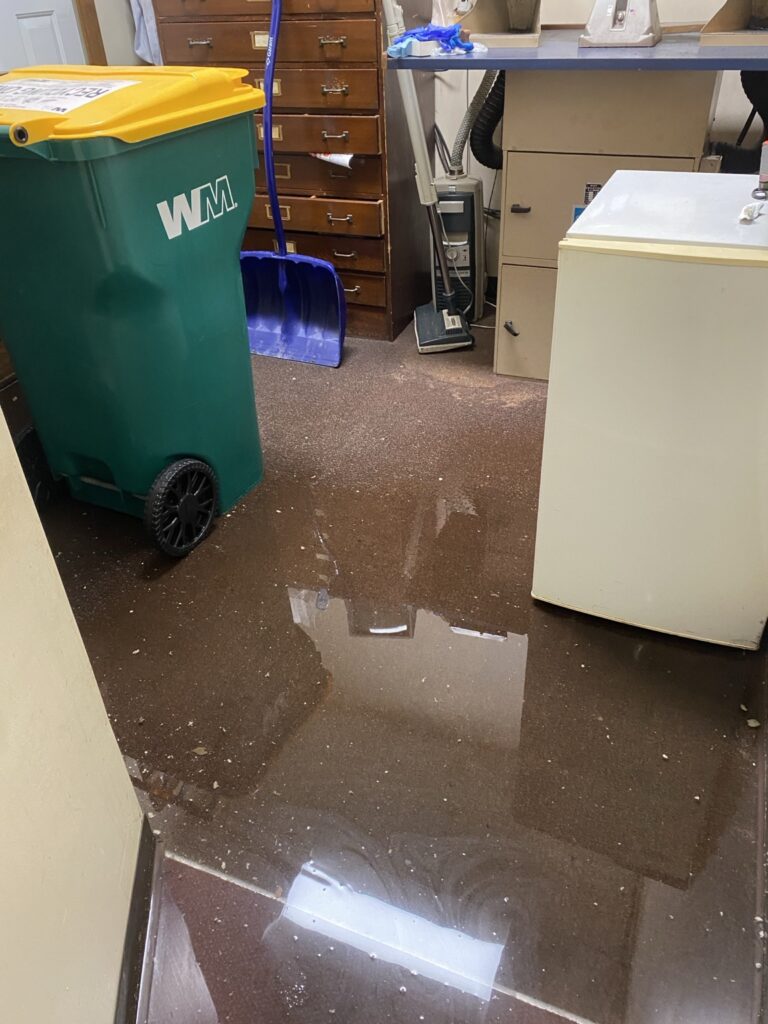
What to do after water damage starts with protecting yourself from potential hazards, stopping the source of the water when it is safe to do so, and documenting the damage. Acting quickly is important because water can travel beyond the areas you can see, reaching underneath flooring, behind walls, inside cabinets, and into insulation and other building materials.
Whether the damage comes from a burst pipe, appliance leak, overflowing fixture, roof leak, basement water intrusion, or another source, what you do during the first several hours can affect how much of the property ultimately needs to be dried, cleaned, removed, or repaired.
For homeowners and property managers throughout New Bedford and South Coast Massachusetts, understanding what to do—and what not to do—after discovering water damage can help prevent additional problems while you determine the appropriate next steps.

Quick Answer: What Should You Do After Water Damage?
If you discover water damage, follow these steps:
- Make sure the area is safe to enter.
- Stop the source of the water if you can safely do so.
- Be cautious around electricity and wet electrical components.
- Take photos and videos of the damage.
- Move unaffected belongings away from the wet area when safe.
- Determine how far the water may have traveled.
- Do not assume materials are dry because the surface feels dry.
- Contact your insurance carrier when appropriate and keep documentation.
- Contact a professional water damage restoration company when the loss requires professional mitigation.
The visible water is only part of the concern. Moisture can migrate into drywall, insulation, subflooring, hardwood flooring, wall cavities, cabinetry, and other materials that may not appear wet from the outside.
Step 1: Make Sure the Area Is Safe Before You Enter
Before worrying about cleanup, determine whether the affected area is safe to enter. Water damage can create hazards that are not immediately obvious, especially when water has reached electrical components, ceilings, contaminated areas, or structurally damaged materials.
If there is standing water near electrical outlets, appliances, wiring, an electrical panel, or other energized equipment, do not enter the area or touch the water. Avoid turning electrical devices on or off while standing in water.
You should also stay out of an affected area if you notice:
- Sagging or bulging ceilings
- Falling drywall or other building materials
- Significant structural damage
- Sewage or potentially contaminated water
- Electrical components exposed to water
- Strong unusual odors or other conditions that make the area unsafe
If you are unsure whether an area is safe, avoid entering until the potential hazard has been evaluated.
Step 2: Stop the Source of the Water When It Is Safe
Once immediate safety concerns have been addressed, try to identify where the water is coming from.
For a plumbing-related loss, stopping the water may mean shutting off the fixture, appliance supply line, or the home’s main water supply. A plumber may be necessary when the source cannot be safely identified or stopped.
Common sources of residential water damage include:
- Burst or leaking pipes
- Washing machine supply lines
- Water heaters
- Dishwashers
- Refrigerators and ice-maker lines
- Toilets and other plumbing fixtures
- Roof leaks
- Sump pump failures
- Water entering through the building exterior
Stopping the source does not mean the water damage itself has been resolved. Water that has already escaped can continue migrating through building materials even after the leak has stopped.
Step 3: Document the Water Damage
Once it is safe, take photographs and videos before moving or removing damaged materials whenever practical.
Document both the overall affected area and individual damaged items. This may include wet flooring, drywall, ceilings, cabinets, furniture, personal property, and the apparent source of the loss.
It can also be helpful to keep records of:
- When the water damage was discovered
- When the water source was stopped
- Areas and rooms that were affected
- Damaged personal property
- Emergency services performed
- Receipts, invoices, estimates, and other claim-related documents
If an insurance claim is involved, documentation can help establish the condition of the property and the work performed. Coverage depends on the cause of the loss and the terms, conditions, limits, and exclusions of the individual policy. The insurance carrier ultimately determines coverage.
Step 4: Don’t Assume the Water Stayed Where You Can See It
One of the biggest mistakes homeowners can make after water damage is focusing only on the visible wet area.
Water can migrate underneath or behind materials through openings, seams, cavities, and porous building materials. Depending on the loss, moisture may be present in:
- Drywall
- Insulation
- Wall cavities
- Subflooring
- Hardwood flooring
- Carpet and padding
- Cabinet bases and toe kicks
- Ceilings below an upstairs leak
- Trim and baseboards
A surface that looks or feels dry does not necessarily tell you what is happening inside the assembly.
This is one reason professional water mitigation may involve moisture readings and evaluating areas beyond the immediately visible damage. Finding the actual extent of the moisture helps determine what can potentially be dried and what may require additional attention.
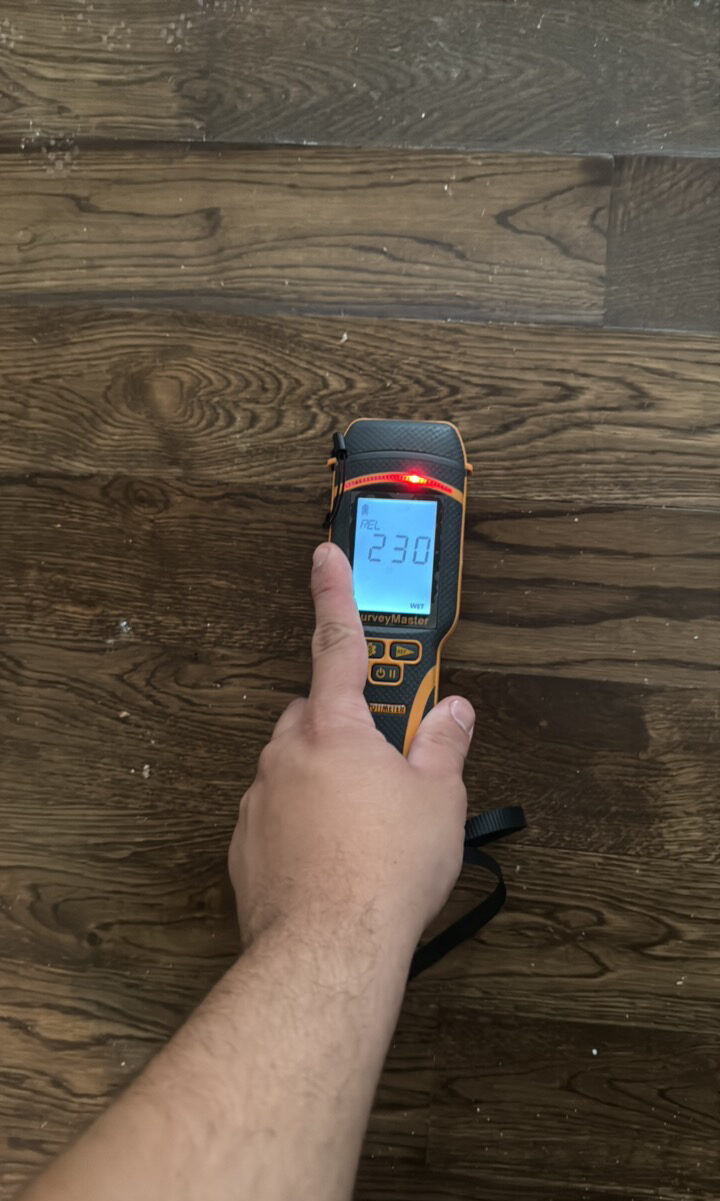
Step 5: Protect Unaffected Belongings When It Is Safe
If the area is safe to enter, move dry and unaffected belongings away from the water-damaged area. This can help prevent items from becoming wet as moisture spreads or as cleanup and drying work begins.
Depending on the situation, this may include:
- Furniture
- Area rugs
- Clothing
- Electronics
- Boxes and stored items
- Curtains and other fabrics
- Important documents
- Artwork and personal belongings
Avoid moving wet or potentially contaminated items through unaffected areas without considering the possibility of spreading moisture or contamination.
Heavy furniture can also become difficult or unsafe to move after absorbing water. Do not risk injury trying to move large items yourself.
Not every wet belonging automatically needs to be discarded. Whether an item can be cleaned, dried, or restored depends on factors such as the material, amount of water exposure, condition of the item, and source of the water.
Step 6: Begin Addressing the Moisture—But Understand That Drying Is More Than Removing Standing Water
Removing visible water is an important part of the process, but water extraction and structural drying are not the same thing.
After standing water has been removed, moisture may remain inside porous building materials and concealed areas of the property. Drywall, wood, subflooring, insulation, carpet padding, and other materials can retain moisture even when the surface no longer appears wet.
Professional water mitigation may involve evaluating moisture levels and using drying equipment based on the conditions of the loss.
Depending on what is affected, the drying process may involve equipment such as air movers and dehumidifiers. The goal is not simply to make the room feel dry. The affected materials and areas need to be evaluated to determine whether moisture remains.
This is particularly important when water has traveled underneath flooring, entered wall cavities, affected insulation, or moved from one floor of a home to another.
Step 7: Determine Which Wet Materials Can Be Dried and Which May Need Removal
Water damage does not automatically mean every wet material needs to be removed.
The appropriate decision depends on several factors, including:
- The source and condition of the water
- How long the material has been wet
- How much water the material absorbed
- Whether the material can be effectively accessed and dried
- Whether contamination is present
- Whether the material has deteriorated
- Whether moisture is trapped behind or underneath it
For example, some building materials may be capable of drying under the right conditions, while others may lose integrity, trap moisture, or become difficult to adequately clean.
Can Wet Drywall Be Saved?
Wet drywall can sometimes be dried rather than removed, depending on the source of the water, duration of exposure, amount of moisture, condition of the drywall, and whether insulation or other materials behind it are also affected.
Drywall that is significantly deteriorated, contaminated, or unable to be effectively dried may require removal.
What About Wet Insulation?
Insulation requires its own evaluation because different insulation materials react differently to water exposure. Moisture can also become trapped inside wall or ceiling cavities where it is difficult to identify from the finished surface.
Can Flooring Be Saved After Water Damage?
That depends heavily on the flooring system.
Carpet, padding, hardwood, laminate, luxury vinyl, tile, and other flooring materials respond differently to water. The condition of the flooring itself is only part of the evaluation because water may also have reached the underlayment or subfloor underneath it.
For example, hardwood flooring may show changes such as cupping or swelling after absorbing moisture. Water beneath seemingly unaffected flooring can also remain hidden without appropriate evaluation.
What About Kitchen Cabinets?
Cabinet damage can vary considerably depending on where the water traveled and how the cabinets were constructed.
Water may affect cabinet boxes, finished panels, toe kicks, and the flooring or wall behind the cabinets. Materials made from particleboard or similar products can also react differently to prolonged moisture exposure than solid wood or plywood components.
The important point is that water-damaged materials should be evaluated based on their actual condition rather than assuming everything must be removed—or assuming everything can be saved.
Step 8: Contact Your Insurance Carrier When Appropriate and Keep Good Records
If you plan to file an insurance claim, contact your insurance carrier or agent and report the loss according to your policy requirements.
Continue documenting the damage as the mitigation process moves forward. Good documentation can help create a clearer record of what happened, what areas were affected, and what work was necessary.
Useful documentation may include:
- Photos and videos of the initial damage
- Photos of the source of the water when identifiable
- Dates and approximate times related to the loss
- A list of affected rooms and materials
- Photos of damaged personal property
- Moisture readings and drying documentation when available
- Estimates and invoices
- Receipts for emergency expenses related to the loss
- Communication with contractors, restoration professionals, and the insurance carrier
Does Homeowners Insurance Cover Water Damage?
Homeowners insurance may cover certain types of sudden and accidental water damage, but not every water loss is covered.
Coverage depends on the cause of the loss and the terms, conditions, limits, and exclusions of the individual insurance policy. The insurance carrier ultimately determines coverage.
Because every claim is different, homeowners should avoid assuming that a particular type of water damage is either covered or excluded without reviewing their policy and speaking with their insurance carrier.
Step 9: Contact a Professional Water Damage Restoration Company When Needed
Small spills that are immediately contained can be very different from water that has entered building materials or traveled into multiple areas of a home.
Professional water damage restoration should be considered when there is significant water intrusion, standing water, hidden moisture, affected building materials, contamination concerns, or uncertainty about how far the water has traveled.
A professional evaluation may help determine:
- Where the water traveled
- Which materials are affected
- Whether moisture is present behind walls or underneath flooring
- Whether materials may be dried or require removal
- What type of drying process may be appropriate
- Whether additional areas need to be monitored
- When affected materials have reached appropriate drying conditions
The goal of water damage restoration is not simply to remove the water you can see. It is to identify the extent of the damage, address affected materials appropriately, and help move the property toward a dry and stable condition.
What Should You NOT Do After Water Damage?
Knowing what to do after water damage is important, but knowing what to avoid can be just as valuable.
Don’t Enter an Unsafe Area
Do not enter standing water when electrical hazards may be present. Stay away from sagging ceilings, damaged structural components, sewage, and other potentially hazardous conditions.
Don’t Assume Everything Is Dry Because the Surface Looks Dry
Water can remain underneath flooring, behind baseboards, inside wall cavities, underneath cabinets, and within other building materials.
A dry-looking surface does not necessarily mean the entire assembly is dry.
Don’t Immediately Throw Everything Away
Some affected materials and belongings may be salvageable depending on their condition and the circumstances of the loss.
When it is safe and practical, document damaged items before disposing of them, particularly when an insurance claim may be involved.
Don’t Ignore Small Areas of Water Damage
A relatively small visible area does not always represent the full extent of the moisture.
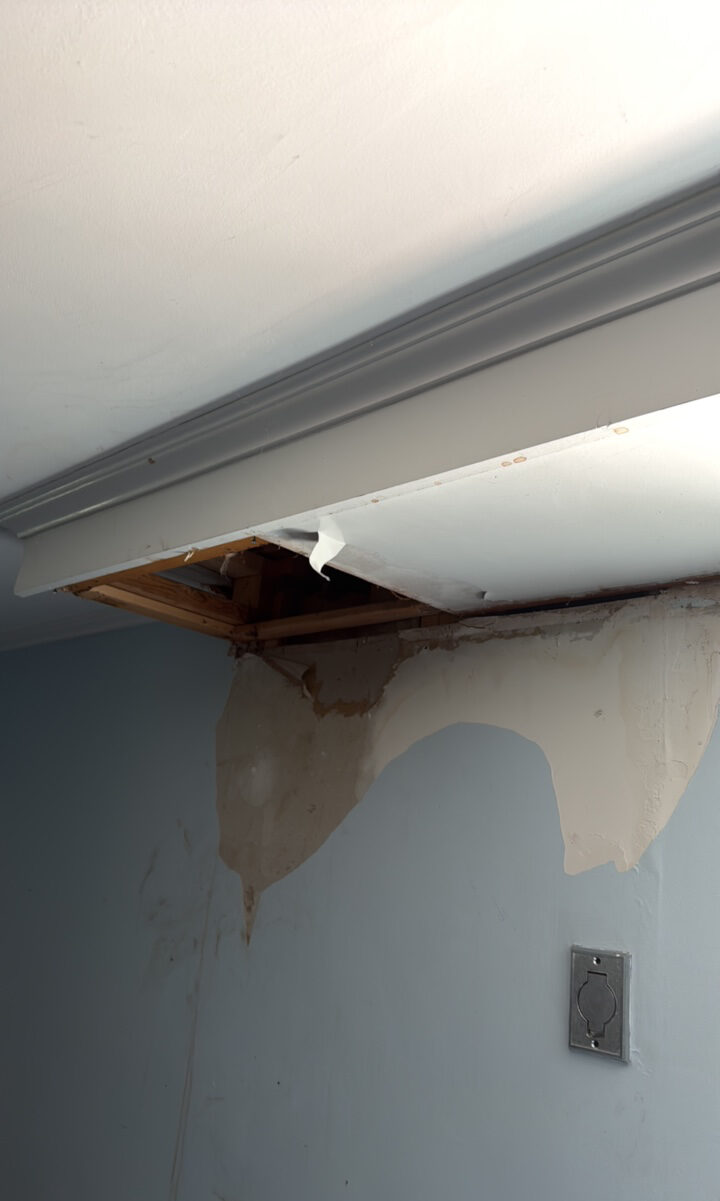
For example, water from an upstairs plumbing leak may travel through the floor assembly and affect the ceiling or walls below. A dishwasher leak may travel underneath cabinets and flooring. A roof leak may enter an attic or wall cavity before becoming visible inside the living space.
Don’t Paint Over Water Stains Without Finding the Cause
A stain on a wall or ceiling can be evidence of a current or previous moisture problem.
Before repairing and repainting the surface, determine where the water came from and whether the affected area is actually dry.
Don’t Wait for a Musty Smell Before Investigating Moisture
Hidden moisture does not always produce an immediate odor.
If you know water entered a wall, floor, ceiling, cabinet assembly, or another concealed area, the absence of a smell does not prove that the area is dry.
Why Hidden Moisture Matters After Water Damage
Visible water often receives the most attention after a leak or flood, but moisture that has migrated into concealed areas can be more difficult for a homeowner to identify.
Water may move into:
- Wall cavities
- Insulation
- Subflooring
- Flooring systems
- Ceiling assemblies
- Cabinet bases
- Areas behind baseboards and trim
- Adjacent rooms
This is why evaluating the extent of water damage is an important part of the restoration process.
Professional moisture-detection methods can help identify affected areas that may not be obvious through a visual inspection alone. Moisture readings can also help monitor drying progress rather than relying only on how a material looks or feels.
Can Mold Grow After Water Damage?
Yes. Water damage can create conditions that support mold growth when moisture remains in building materials or concealed areas.
The key issue is moisture control. Materials such as drywall, wood, insulation, carpet, and other building components can remain damp even after visible water has been removed.
This is another reason water damage should not be evaluated only by looking at the surface.
Potential warning signs of an unresolved moisture problem can include:
- Persistent dampness
- Musty odors
- Discoloration
- Swelling or deterioration of materials
- Peeling or bubbling paint
- Changes in flooring
- Recurring water stains
However, the absence of these signs does not necessarily mean concealed areas are dry.
What Happens During Professional Water Damage Restoration?
Every water loss is different, so the exact restoration process depends on the source of the water, affected materials, extent of the damage, and conditions found at the property.
A water damage restoration project may include several stages.
1. Assessing the Damage
The affected areas are evaluated to better understand where the water originated and how far it may have traveled.
What appears to be damage in one room may extend into adjacent rooms, wall cavities, flooring systems, or the level below.
2. Identifying Affected Materials
Drywall, insulation, flooring, subflooring, trim, cabinets, ceilings, and personal property may all react differently to water exposure.
Determining what is actually affected helps guide decisions about drying, cleaning, removal, and eventual repairs.
3. Water Extraction
When standing or excess water is present, removing it is an important early part of mitigation.
Extraction reduces the amount of water that must later be removed through the drying process.
4. Addressing Materials That Cannot Be Appropriately Dried or Cleaned
Some affected materials may need to be removed depending on their condition, contamination, accessibility, and ability to be effectively dried or cleaned.
The presence of water does not automatically mean everything needs demolition. Decisions should be based on the conditions of the individual loss.
5. Structural Drying
After excess water has been addressed, drying may continue using equipment appropriate for the affected areas and materials.
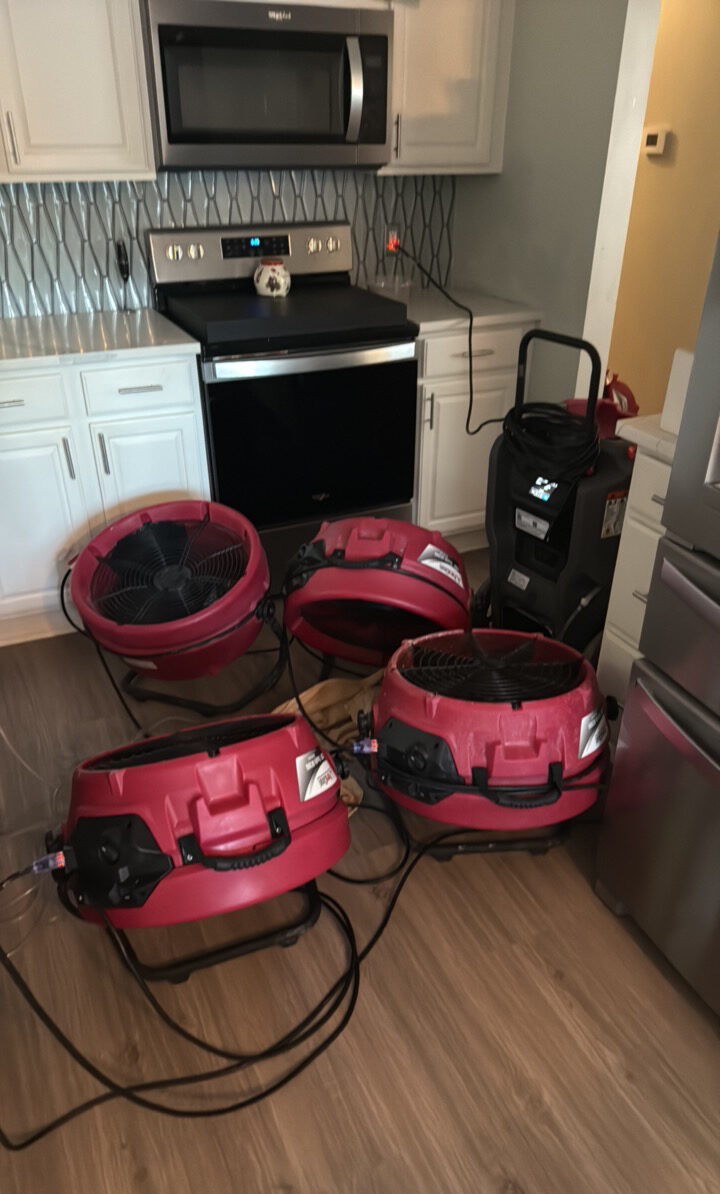
Air movers and dehumidification can be part of this process.
Air movement helps promote evaporation from wet materials, while dehumidification helps remove moisture from the air.
6. Monitoring the Drying Process
Drying should not be judged only by appearance.
Moisture readings can help evaluate affected materials and monitor changes during the drying process.
This provides more useful information than simply touching a wall or floor and assuming it is dry.
7. Cleaning and Restoration
Depending on the type of loss, additional cleaning may be necessary.
Once mitigation is complete, repairs or reconstruction may also be needed to return areas that required removal to their pre-loss function and appearance.
Water Mitigation and Reconstruction Are Not the Same Thing
Homeowners sometimes hear the terms mitigation, restoration, and reconstruction used during the same water damage project.
Water mitigation focuses on addressing the immediate effects of the water loss. This may include water extraction, evaluating affected materials, necessary removal, drying, cleaning, and monitoring.
Reconstruction generally refers to repairing or replacing building materials after mitigation is complete.
For example, a water loss might require damaged drywall and insulation to be removed during mitigation. After the affected structure has been appropriately addressed, reconstruction may include installing new insulation, drywall, trim, flooring, cabinetry, or other materials depending on the damage.
Understanding this difference can make the overall restoration process easier to follow.
Water Damage in Southeastern Massachusetts Homes
Homes throughout New Bedford and Southeastern Massachusetts can experience water damage from many different sources throughout the year.
Plumbing failures and appliance leaks can happen at any time, while seasonal conditions can create additional concerns.
During colder Massachusetts weather, frozen plumbing can lead to burst pipes and significant interior water damage. Heavy rain and coastal storms can also contribute to basement water intrusion, roof leaks, and water entering around vulnerable areas of a building.
Regardless of the cause, the basic principle remains the same: identify the source, address the water, determine how far the moisture traveled, and make sure affected materials are properly evaluated.
Homeowners should also remember that older properties may contain building assemblies or materials that require additional consideration before demolition or repairs begin.
What If Your Basement Floods?
Basement water damage deserves particular attention because water can affect more than the visible floor surface.
In a finished basement, moisture may reach:
- Drywall
- Insulation
- Baseboards
- Carpet and padding
- Finished flooring
- Subflooring
- Stored belongings
- Wall cavities
Before entering a flooded basement, consider electrical hazards and the source of the water.
Once the area is safe, determining how far the water traveled is important. Water can migrate behind finished walls or underneath flooring even when only a portion of the basement appears affected.
A basement that looks dry after the standing water disappears may still contain moisture within its building materials.
Frequently Asked Questions About Water Damage
How quickly should you respond to water damage?
Water damage should be addressed as soon as it is safe to do so. Even after the source has been stopped and visible water has been removed, moisture may remain in drywall, flooring, insulation, cabinets, subflooring, and other building materials.
The sooner the affected areas are evaluated, the sooner you can determine the extent of the moisture and what steps may be necessary.
How do you know if water damage is serious?
Water damage may require professional attention when there is standing water, multiple affected rooms, wet building materials, water traveling between floors, suspected hidden moisture, contamination concerns, or uncertainty about the extent of the damage.
A small visible stain does not necessarily indicate a small problem. Water can travel behind walls, underneath flooring, and through ceiling assemblies before becoming visible.
Can you dry water damage yourself?
Very small amounts of clean water that are immediately contained may sometimes be manageable without professional restoration.
However, professional evaluation should be considered when water has entered building materials, spread into concealed areas, affected a large area, remained for an extended period, or may contain contamination.
The challenge is often determining what is wet beyond what can be seen.
How long does a water-damaged house take to dry?
There is no single drying time that applies to every water-damaged property.
Drying time can vary based on the amount of water, materials affected, extent of water migration, environmental conditions, accessibility of wet materials, and drying methods being used.
Rather than relying on a predetermined number of days, moisture conditions should be evaluated throughout the drying process.
Can drywall dry after a water leak?
Some wet drywall may be capable of drying depending on the circumstances of the loss.
The source of the water, duration of exposure, condition of the drywall, amount of moisture, contamination, and materials behind the drywall can all affect whether it can remain in place.
Drywall that has significantly deteriorated, cannot be effectively dried, or has been affected by contaminated water may require removal.
Can water damage be hidden behind walls?
Yes. Water can enter wall cavities through plumbing leaks, roof leaks, openings around windows, water from an upper floor, and other sources.
Moisture may affect drywall, insulation, framing, and other materials without immediately producing obvious damage on the finished wall surface.
This is why identifying hidden moisture can be an important part of evaluating a water loss.
Should you remove wet carpet immediately?
Not necessarily in every situation.
Whether carpet can remain depends on the source of the water, condition of the carpet, amount of exposure, condition of the padding and materials underneath, and whether the affected materials can be appropriately cleaned and dried.
Water from a contaminated source requires different considerations than water from a clean source.
Can water damage cause mold?
Water damage can create conditions that support mold growth when moisture remains.
Promptly addressing the source of the water and drying affected materials are important parts of moisture control. Areas behind walls, underneath flooring, and inside other concealed spaces should not be overlooked simply because the visible surfaces appear dry.
Should I call my insurance company after water damage?
If you believe you may have an insurance claim, contact your insurance carrier or agent according to the requirements of your policy.
Documenting the condition of the property with photographs, videos, receipts, estimates, and other records may also be helpful during the claim process.
Coverage depends on the cause of the loss and the terms, conditions, limits, and exclusions of the individual insurance policy. The insurance carrier ultimately determines coverage.
When should I call a water damage restoration company?
Consider contacting a water damage restoration company when there is significant water intrusion, standing water, wet building materials, water affecting multiple areas, suspected hidden moisture, contamination concerns, or uncertainty about how far the water has traveled.
Professional water damage restoration can help identify affected areas, evaluate materials, address excess water, establish an appropriate drying process, and monitor moisture conditions as the property dries.
Need Help With Water Damage in New Bedford or Southeastern Massachusetts?
Knowing what to do after water damage can help you make better decisions during the first critical stages of a water loss. Start with safety, stop the source when possible, document the damage, and remember that the water you can see may not represent the full extent of the problem.
Water can travel underneath flooring, behind walls, into insulation, through ceilings, beneath cabinets, and into other concealed areas. Properly evaluating these areas can help determine what materials can be dried and restored and what may require removal or repair.
PuroClean of New Bedford provides 24/7 emergency water damage restoration services for homeowners, property managers, and businesses throughout New Bedford and surrounding communities in Southeastern Massachusetts.
Our water damage restoration services can help with the process of evaluating affected areas, addressing water and moisture, drying the property, and determining the next steps toward restoration.
If your property has experienced water damage, call PuroClean of New Bedford at (774) 770-6994 to discuss the situation and the next steps.
Don’t wait for hidden moisture to become a bigger problem. If you’re dealing with water damage, getting the affected areas properly evaluated is an important first step toward restoring your property.