


Table of Contents
Causes of Water Damage in New Jersey
Water damage is a persistent and widespread concern for both homeowners and businesses across the Garden State. While New Jersey is known for its resilience and vibrant communities, it is not immune to the costly and disruptive effects of water-related issues. From heavy rainfall to unexpected plumbing failures, the causes of water damage in New Jersey are varied and often interconnected.
This blog explores the most common causes of water damage specific to New Jersey and provides practical insight into prevention strategies. Understanding these risks is the first step toward protecting your property and minimizing long-term damage.
Understanding the Causes of Water Damage in New Jersey
Water damage can occur suddenly or develop slowly over time. In many cases, the damage is hidden until it becomes severe. Because New Jersey experiences a mix of coastal storms, seasonal temperature shifts and aging infrastructure, property owners must take a proactive approach.
Below are some of the most common causes of water damage in New Jersey and how to reduce the risks associated with each.
1. Heavy Rainfall and Flooding
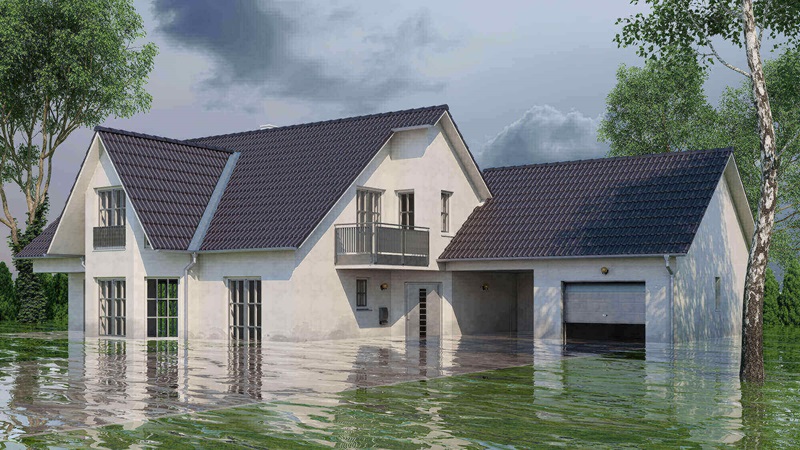
New Jersey frequently experiences heavy rainfall, flash flooding and overflowing rivers. Coastal storms and nor’easters can overwhelm drainage systems, causing water to infiltrate homes and commercial buildings.
Understanding local flood patterns and risks is essential, particularly in low-lying or flood-prone areas.
Preventive Measures:
- Landscaping: Grade soil to direct water away from foundations.
- Infrastructure: Invest in flood-resistant materials and consider elevation for new construction.
- Drainage: Keep storm drains and exterior drainage systems clear and functional.
2. Leaky Roofs and Poor Drainage
A small roof leak may seem insignificant, but over time it can lead to major water intrusion, mold growth and structural deterioration. Poor drainage systems compound the problem by allowing water to pool near foundations.
Routine maintenance is key to preventing roof-related water damage.
Preventive Measures:
- Roof Inspections: Schedule regular inspections, especially after severe weather.
- Gutters and Downspouts: Keep them clean and ensure they direct water away from the structure.
- Drainage Systems: Install or upgrade drainage solutions to prevent water buildup.
3. Frozen and Burst Pipes
Winter temperatures in New Jersey significantly increase the risk of frozen pipes. When water freezes inside plumbing lines, it expands, placing pressure on the pipes and often causing them to burst.
Frozen pipes are one of the most common seasonal causes of water damage in New Jersey, particularly in basements, crawl spaces and attics.
Preventive Measures:
- Pipe Insulation: Insulate pipes in exposed or unheated areas.
- Temperature Control: Keep indoor temperatures consistent during cold weather.
- Faucet Dripping: Allow faucets to drip slightly during freezing conditions to relieve pressure.
4. Faulty or Aging Plumbing Systems
Outdated or poorly maintained plumbing systems are a major contributor to water damage. Corroded pipes, loose fittings and failing connections can leak without warning.
Routine inspections and timely upgrades can prevent unexpected water-related disasters.
Preventive Measures:
- Regular Inspections: Schedule periodic plumbing evaluations.
- Timely Repairs: Address small leaks before they worsen.
- System Upgrades: Replace aging plumbing with modern, durable materials.
5. Mold Growth Due to Moisture
Mold is both a consequence and a cause of further damage following water intrusion. New Jersey’s humid climate creates ideal conditions for mold growth when moisture is not properly controlled.
Unchecked mold can damage building materials and pose serious health risks.
Preventive Measures:
- Ventilation: Ensure proper airflow in bathrooms, basements and kitchens.
- Dehumidification: Use dehumidifiers to maintain healthy humidity levels.
- Prompt Restoration: Address water damage immediately to prevent mold from developing.
Conclusion: Safeguarding Your Property in New Jersey
Understanding the causes of water damage in New Jersey is the first and most important step toward protecting your home or business. Whether water damage results from heavy rainfall, leaky roofs, frozen pipes, faulty plumbing or mold growth, proactive prevention and swift response are essential.
By staying informed and implementing the strategies outlined above, New Jersey property owners can reduce risk, limit damage and safeguard their investments. Awareness, preparation and timely action are the keys to navigating water-related challenges in the Garden State.
Stay informed. Stay protected. And take action before water damage takes hold.ctively. Stay informed, stay protected, and implement these strategies to navigate the depths of potential water-related challenges in the Garden State.