


Table of Contents
Hoarding Safety Risks and Clean-Up Procedures
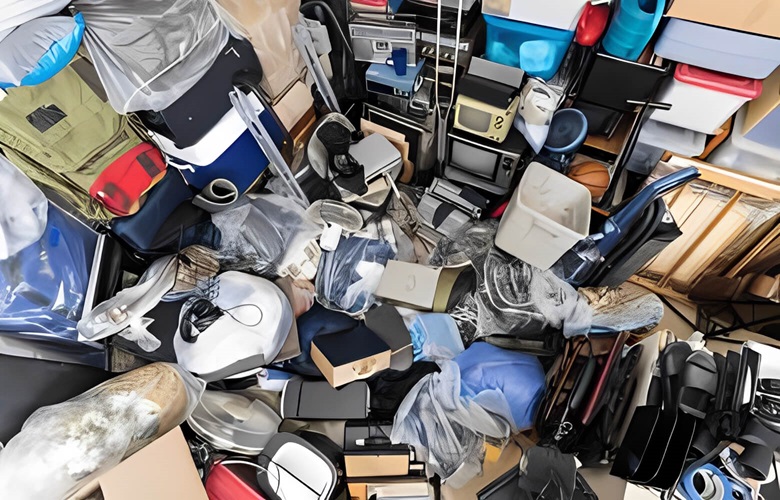
Hoarding is a complex psychological condition characterized by the excessive accumulation of possessions and an inability to discard them. Over time, this behavior can pose serious safety risks to both individuals and their living environments.
As clutter builds up, so do the dangers associated with compromised structural integrity, increased fire hazards and unsanitary living conditions. Recognizing the urgent need for effective intervention, this guide explores the safety risks inherent in hoarding situations and outlines essential clean-up procedures to help mitigate those hazards.
By understanding these risks and implementing appropriate measures, individuals, families and professionals can work together to create safer, healthier living spaces for those affected by hoarding. This resource is designed to provide practical guidance and awareness, helping readers navigate the challenges of hoarding while prioritizing safety and well-being.
Understanding Hoarding Behavior
Some individuals develop a strong tendency to keep large quantities of items, whether they are useful or not, often driven by emotional attachment or obsessive behavior. In the process, hoarders may stockpile items that hold little or no practical value, believing they may be useful someday.
Emotional attachment plays a significant role in hoarding. Many individuals struggle to discard possessions because of the money spent acquiring them or personal meaning attached to those items. One defining characteristic of hoarding behavior is the difficulty in letting things go.
Over time, items continue to accumulate, occupying more and more space within the home. When one room becomes filled, rather than sorting and discarding unnecessary items, the stockpile often spreads to other areas of the house. Eventually, clutter can extend into nearly every room, creating serious health and safety risks for everyone living in the home.
Many individuals who hoard may not fully recognize the dangers associated with their behavior or may choose to ignore them. A cluttered living environment can contribute to depression, emotional distress and frequent conflicts among household members. Daily living becomes increasingly difficult as movement within the home is restricted and basic activities become challenging.
Hoarding Safety Risks
Poor Air Quality
When large amounts of items are stored in confined spaces with limited ventilation, materials may decay, become damaged or trap moisture. This can significantly degrade indoor air quality.
Poor air quality can lead to health problems such as chronic coughing, breathing difficulties, lung irritation and other respiratory issues, posing serious risks to everyone in the home.
Ideal Conditions for Mold Growth
Leaks, spills or decaying waste can be difficult to detect in heavily cluttered environments. When left unattended, moisture creates ideal conditions for mold and fungal growth.
Unwashed dishes and food containers left for long periods further contribute to mold development. Mold exposure is dangerous and can cause infections, allergic reactions and long-term health complications if not addressed promptly.
Pest Infestation
Hoarding creates ideal conditions for pests. Rodents, cockroaches and insects are attracted to decomposing materials and food waste.
Once pests gain access to a hoarded home and find a food source, they can quickly establish themselves, reproduce and spread throughout the property, often without immediate notice.
Fire Hazards
In hoarded homes, electrical systems and appliances are often neglected or obstructed. Clutter can cover exposed wiring or heat-producing devices, increasing the risk of sparks and electrical fires.
Many hoarded items are highly flammable, allowing fires to spread rapidly throughout the home if ignition occurs.
Structural Damage
Hoarding affects not only health but also the structural integrity of a home. Rodents often chew through walls, insulation and structural materials to create nesting areas, weakening the building over time.
Additionally, prolonged mold growth can deteriorate walls, flooring and support structures, leading to costly repairs and unsafe living conditions.
Clean-Up Procedures for Hoarding Situations
Develop a Cleaning Plan
Cleaning a hoarded home is a complex process that requires careful planning. Begin with a thorough assessment to understand the severity of the situation, identify hazards and determine the appropriate approach.
A clear plan helps ensure the safety of everyone involved and prevents unexpected risks during the clean-up process.
Build Trust With the Hoarder
Hoarding is deeply rooted in emotional attachment. Compassion and empathy are essential when assisting someone with a clean-up.
Professionals should communicate respectfully, avoid judgment and acknowledge the individual’s feelings. Building trust increases cooperation and reduces emotional distress during the process.
Prioritize Safety
Anyone involved in the clean-up should wear appropriate protective equipment, including masks, gloves and goggles. Fire extinguishers, flashlights and first-aid kits should also be readily available in case of emergencies.
Gather Cleaning Supplies
Before starting, ensure all necessary equipment is on hand. This may include trash bags, disinfectants, buckets, cleaning tools and protective gear to keep the process efficient and safe.
Establish a Designated Disposal Area
Create a specific area for items removed from the home. This allows the hoarder to review items and decide what can be kept, repaired or discarded, helping maintain trust and transparency.
Create Clear Exit Routes
The first priority during clean-up is establishing a clear exit path for emergencies and item removal. Begin by clearing the main entrance and work outward from areas closest to exits to ensure safe movement throughout the home.
Sort Items Methodically
Once items are removed, sort them into categories such as keep, donate, repair or discard. This process helps the individual understand what remains usable and what should be safely removed.
Deep Clean and Disinfect
After the home is cleared, perform a thorough cleaning and disinfection. Pay close attention to mold, electrical hazards and structural damage. Proper sanitation helps eliminate lingering health risks.
Restore the Home
The final step involves restoring the living space by returning essential items in an organized manner. Establishing functional layouts and storage systems helps prevent future hoarding and supports long-term safety.
Conclusion
Addressing hoarding safety risks through thoughtful and thorough clean-up procedures is essential for protecting health, safety and overall quality of life. As outlined in this guide, hoarding affects far more than clutter—it can compromise structural integrity, increase fire risk and create hazardous living conditions.
Successfully mitigating these risks requires a collaborative approach involving individuals, families and trained professionals. With awareness, compassion and structured intervention, it is possible to transform unsafe environments into clean, functional and supportive living spaces—empowering individuals to move toward healthier, more sustainable lives.