

For facilities managers, a water or fire loss is about more than repairing damage. Every incident can disrupt operations, impact tenants or employees and lead to costly repairs, insurance claims and downtime.
While not every emergency can be prevented, many repeat losses can. A proactive maintenance strategy helps identify risks before they become costly restoration projects.
At PuroClean of Newark, we work with commercial property owners, facility managers and property management companies throughout Essex, Hudson, Bergen, Passaic, Morris and Union counties to respond to emergencies and help reduce the likelihood of future losses.
Schedule Routine Building Inspections
Many water and fire losses begin with small issues that go unnoticed until significant damage has already occurred.
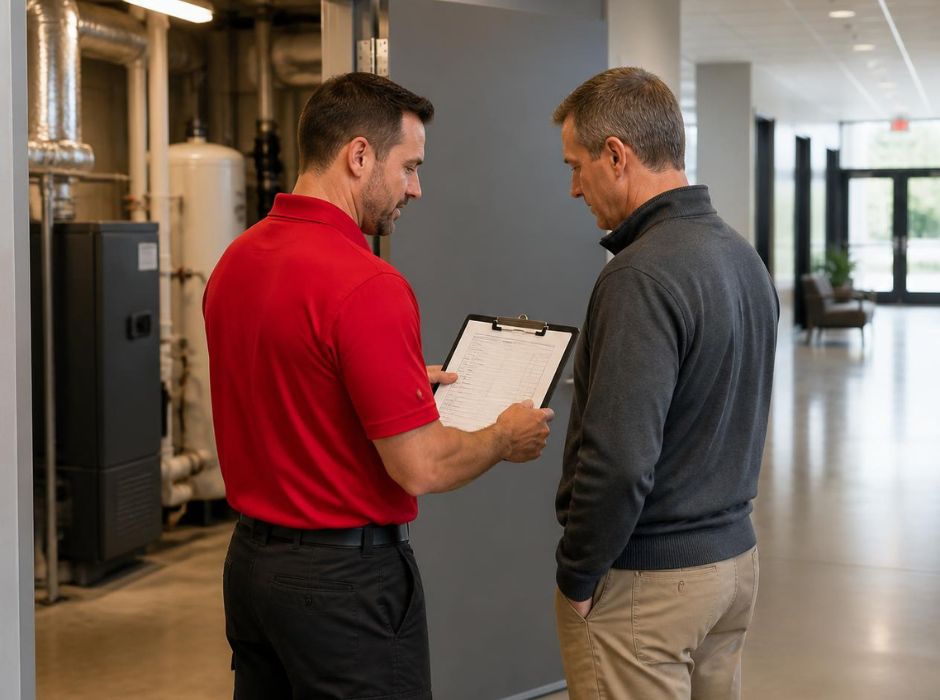
Routine inspections should include:
- Plumbing fixtures and supply lines
- Water heaters and mechanical rooms
- HVAC equipment and condensate drains
- Roofs, flashing and drainage systems
- Windows, doors and exterior sealants
- Electrical panels and wiring where accessible
Identifying leaks, corrosion or equipment deterioration early can prevent much larger restoration projects later. Schedule an inspection with Puroclean of Newark by calling 973-528-1877.
Monitor for Hidden Water Leaks
Not every water loss involves a burst pipe. Slow leaks behind walls, beneath flooring or above ceilings can continue for weeks before becoming visible.
Facilities managers should watch for:
- Water stains
- Bubbling paint
- Soft drywall
- Musty odors
- Unexpected increases in water usage
- Mold growth
Installing leak detection systems and monitoring water consumption can help identify problems before they spread throughout the building.
Maintain Fire Protection Systems
Fire prevention requires more than functioning smoke detectors.
Facilities should regularly inspect and maintain:
- Fire alarm systems
- Sprinkler systems
- Fire extinguishers
- Emergency lighting
- Exit signage
- Electrical equipment
Routine maintenance not only helps protect occupants but may also support compliance with applicable safety requirements.
Keep Mechanical Systems Operating Properly
Many commercial water losses originate from equipment failures.
Regular maintenance should include:
- HVAC servicing
- Boiler inspections
- Chiller maintenance
- Plumbing inspections
- Roof drain cleaning
- Sump pump testing
Preventive maintenance extends equipment life while reducing the risk of unexpected failures.
Develop an Emergency Response Plan
Even the best maintenance program cannot eliminate every emergency.
Facilities should have a written response plan that identifies:
- Emergency contact information
- Utility shutoff locations
- Vendor contact lists
- Employee responsibilities
- Evacuation procedures
- Insurance information
When everyone understands their role before an emergency occurs, response efforts are typically faster and more organized.
Respond Quickly When Damage Occurs
One of the biggest factors influencing the severity of water or fire damage is response time.
Water can begin affecting drywall, flooring and furnishings within hours. Moisture trapped inside building materials can also create conditions that allow mold growth if mitigation is delayed.
Prompt emergency response helps reduce secondary damage, shorten restoration timelines and minimize disruption to business operations.
How PuroClean of Newark Helps Protect Commercial Properties
PuroClean of Newark partners with facility managers, property management companies and commercial property owners throughout Northern New Jersey to help protect buildings before, during and after a loss.
When emergencies occur, our team responds quickly with professional mitigation services, advanced moisture detection equipment and thorough documentation to help guide restoration efforts.
Our commercial restoration capabilities include:
- Water damage mitigation
- Fire and smoke damage restoration
- Mold remediation
- Contents cleaning
- Structural drying
- Moisture mapping and thermal imaging
- Reconstruction services
- Detailed project documentation
For commercial clients and insurance professionals, PuroClean of Newark also offers the Certified Priority Response (CPR) Program. The CPR Program provides rapid emergency response, timely inspections and consistent reporting to help facilities recover more efficiently while minimizing operational disruptions.
Build a More Resilient Facility
Preventing repeat losses requires more than responding to emergencies. It requires ongoing inspections, preventive maintenance, employee preparedness and a trusted restoration partner when unexpected events occur.
Whether you manage an office building, healthcare facility, retail center, industrial property or multifamily community, PuroClean of Newark is ready to help protect your investment.
We proudly serve commercial properties throughout Essex, Hudson, Bergen, Passaic, Morris and Union counties with emergency mitigation, restoration services and proactive support that helps facilities recover quickly and reduce the risk of future losses.