

Table of Contents
Smoke infiltration, soot particles, structural instability, and lingering odors continue to damage your property long after the flames are extinguished. For homeowners dealing with unexpected disasters, one urgent question always arises:
“What are the most effective strategies for managing complex Fire Damage—and how does professional mitigation actually work?”
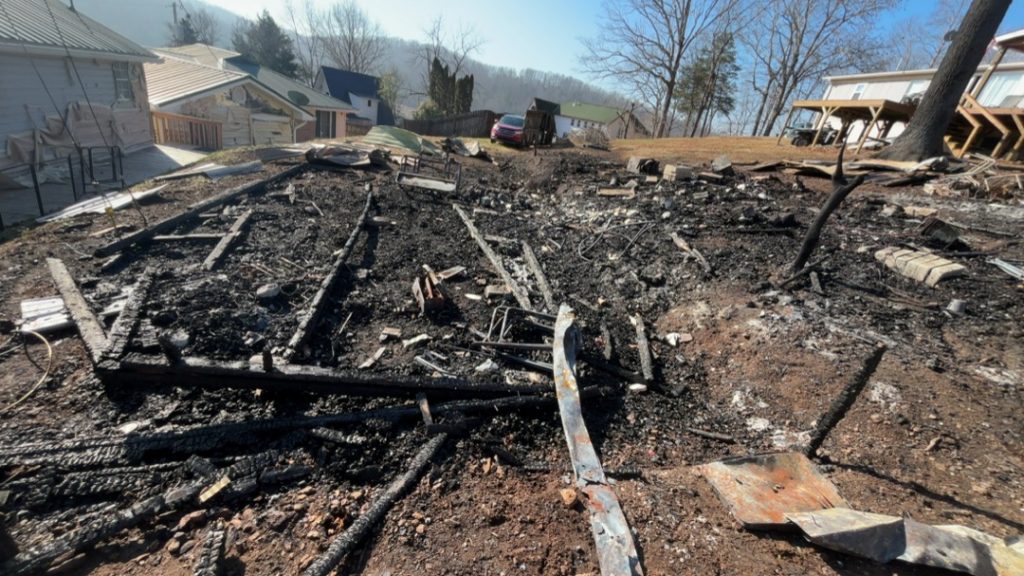
This is one of the most critical questions a homeowner can ask after a fire incident. Fire Damage is rarely straightforward. Even a small house fire can affect multiple systems of a home—electrical, structural, HVAC, and even air quality—making proper mitigation essential for safety and long-term restoration.
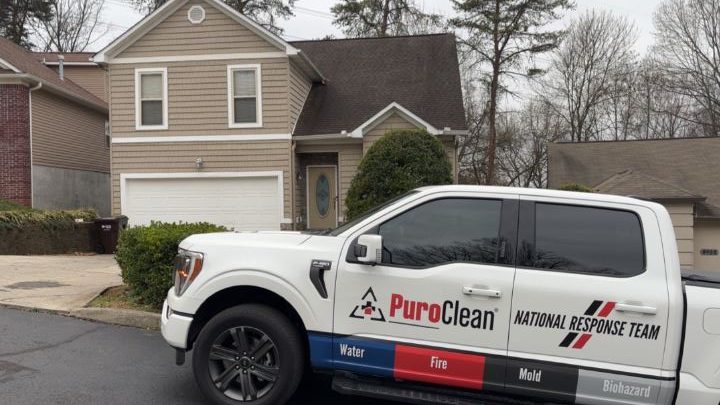
At PuroClean of North Knoxville, our technicians specialize in advanced Fire Damage mitigation designed to stabilize properties, prevent secondary damage, and restore homes efficiently and safely.
This guide explores the science behind Fire Damage, the step-by-step mitigation process, and the professional strategies used to handle even the most complex restoration scenarios.
Why Fire Damage Is More Complex Than It Appears
Fire Damage is not limited to burned materials. In fact, much of the destruction occurs after the fire is extinguished. A structure is often left vulnerable to a combination of hidden threats:
- Thermal damage from extreme heat exposure
- Smoke infiltration throughout the building
- Soot contamination on surfaces and HVAC systems
- Water damage from firefighting efforts
- Chemical corrosion from combustion byproducts
These effects begin immediately and continue progressing over time. Without professional intervention, Fire Damage can worsen significantly within hours.
Even areas untouched by flames may still require full remediation due to airborne contaminants and odor absorption.
The First 24–48 Hours of Fire Damage: Why Timing Is Critical
The period immediately following a fire is the most important phase in the entire restoration process. During this window, Fire Damage escalates rapidly if not properly managed.
1. Soot Begins Permanent Etching
Soot contains acidic compounds that begin to etch and stain surfaces almost immediately. Metals tarnish, plastics discolor, and porous materials like drywall begin absorbing contaminants.
2. Smoke Odor Penetrates Deep Into Materials
Smoke particles are microscopic and easily embed themselves into furniture, insulation, carpets, and even structural wood. The longer they remain, the harder they are to remove.
3. Water Damage Creates Secondary Issues
Firefighters often use large volumes of water to extinguish flames. While necessary, this introduces additional risks such as:
- Mold growth within 24–48 hours
- Structural weakening
- Swelling or warping of materials
This is why immediate Fire Damage mitigation is essential for minimizing long-term loss.
Complex Fire Damage Mitigation: A Structured, Science-Based Restoration Process
Professional Fire Damage restoration follows a structured, science-based approach. At PuroClean of North Knoxville, every step is designed to stabilize the property and prevent further deterioration.
Step 1: Emergency Inspection and Damage Assessment
The first phase involves a comprehensive evaluation of the property to determine the extent of Fire Damage.
Technicians assess:
- Structural integrity of walls, floors, and ceilings
- Extent of smoke and soot spread
- Electrical safety hazards
- Water saturation levels
- Air quality and contamination risks
This step ensures that no hidden dangers are overlooked and that the correct mitigation strategy is implemented.
Step 2: Property Stabilization and Security
After assessment, the property must be secured to prevent additional damage. This may include:
- Boarding up broken doors and windows
- Installing roof tarps for exposed areas
- Restricting unsafe zones
- Disconnecting compromised utilities
These measures protect the structure from weather exposure, theft, and further Fire Damage deterioration.
Step 3: Debris Removal and Hazard Clearance
Once the property is stabilized, technicians begin removing damaged materials such as:
- Burned furniture
- Charred drywall and insulation
- Damaged flooring
- Structural debris
This process clears the way for deeper Fire Damage remediation and helps identify hidden contamination zones.
Step 4: Water Extraction and Drying (Critical but Overlooked)
Many property owners are surprised to learn that Fire Damage restoration often begins with water removal.
Professional equipment is used, including:
- High-powered water extractors
- Industrial air movers
- Dehumidifiers
- Moisture detection tools
Proper drying prevents mold growth and ensures that Fire Damage does not evolve into a secondary water disaster.
Step 5: Soot and Smoke Residue Removal
Soot removal is one of the most technical aspects of Fire Damage restoration. Different fires produce different types of soot:
- Dry soot from fast-burning fires
- Oily soot from smoldering fires
- Protein-based residue from kitchen fires
Each requires a specific cleaning method.
Technicians carefully clean:
- Walls and ceilings
- Cabinets and countertops
- HVAC systems and ductwork
- Flooring and baseboards
- Personal belongings
Proper soot removal is essential not just for appearance but for indoor air quality and long-term safety.
Step 6: Advanced Odor Neutralization
One of the most persistent effects of Fire Damage is odor. Smoke odor molecules are extremely resilient and cannot be removed with standard cleaning methods.
Professional mitigation uses advanced technologies such as:
- Thermal fogging
- Hydroxyl generators
- Ozone treatments (when appropriate)
These methods neutralize odors at the molecular level rather than masking them.
Step 7: Air Quality Restoration and HVAC Cleaning
Fire Damage often contaminates HVAC systems, spreading soot and smoke throughout the entire property.
Cleaning includes:
- Air duct decontamination
- Filter replacement
- Vent cleaning
- Air purification treatments
Restoring air quality is essential for making the home safe for occupancy again.
Step 8: Full Reconstruction and Property Restoration
After mitigation and cleaning, reconstruction begins. Depending on the severity of Fire Damage, this may include:
- Drywall replacement
- Structural repairs
- Flooring installation
- Painting and finishing
- Cabinet and fixture restoration
At PuroClean of North Knoxville, we provide complete restoration services, ensuring a seamless transition from mitigation to rebuilding.
Common Mistakes Homeowners Make After Fire Damage
Many property owners unintentionally worsen Fire Damage by making early mistakes such as:
- Delaying professional cleanup services
- Attempting DIY soot cleaning
- Using household air fresheners to mask odors
- Running HVAC systems before cleaning
- Entering unsafe structural areas
These actions can spread contamination and increase restoration costs significantly.
How Long Does Fire Damage Mitigation Take?
The timeline depends on the severity of the incident, but generally follows three phases:
- Emergency mitigation: 1–3 days
- Deep cleaning and odor removal: several days to weeks
- Reconstruction: varies based on structural damage
Every Fire Damage case is unique, and professional evaluation is required for accurate timelines.
Why Professional Fire Damage Restoration Matters
Fire Damage is a multi-layered problem requiring technical expertise, specialized equipment, and safety protocols. Professional restoration ensures:
- Complete removal of hazardous residues
- Prevention of long-term structural issues
- Proper odor elimination
- Safe air quality restoration
- Efficient insurance coordination
At PuroClean of North Knoxville, we combine advanced technology with trained specialists to restore homes quickly and safely.
Recommended External Resources
For additional fire safety, prevention, and recovery guidance, explore these trusted organizations:
- Federal Emergency Management Agency – https://www.fema.gov
Learn about disaster recovery programs, emergency preparedness, and assistance after residential fires. - Ready.gov – https://www.ready.gov/home-fires
Access practical guides on home fire prevention, emergency planning, and evacuation strategies. - United States Environmental Protection Agency – https://www.epa.gov/indoor-air-quality
Find expert guidance on indoor air quality, smoke contamination, and environmental health after fire damage. - Institute of Inspection Cleaning and Restoration Certification – https://iicrc.org
Review industry standards and certifications that guide professional fire damage restoration practices. - American Red Cross – https://www.redcross.org
Get support resources, emergency assistance, and recovery tips for families affected by house fires.
Your Trusted Partner in Fire Damage Recovery
Recovering from Fire Damage is overwhelming, but you don’t have to face it alone. Professional mitigation ensures your property is stabilized, cleaned, and restored with precision and care.
If you experience Fire Damage in your home or business, immediate action is critical. The sooner mitigation begins, the more of your property can be saved.
For expert assistance, contact PuroClean of North Knoxville for 24/7 emergency Fire Damage response, or visit our Google Business Profile to read local reviews and learn more about our services.