24/7 Emergency Services For Water, Fire, Mold and Biohazard in North Knoxville, TN
We Provide Home Restoration Throughout Tennessee
When your home is damaged, you need a restoration company you can trust to help you through the process. You’re looking for a company that understands the difficult time you’re in, who will offer guidance and compassion, as well as the highest quality of expert restoration solutions. PuroClean of North Knoxville is a professional Tennessee company that provides restoration for both your property and for you. We fulfill our mission to care for the people in our community through our fully certified and educated restoration services.
Owned & Operated by Keegan Trudgen / Tim Lohse
3500 Workman Road, Suite 102, Knoxville, TN, 37921
(865) 895-9110
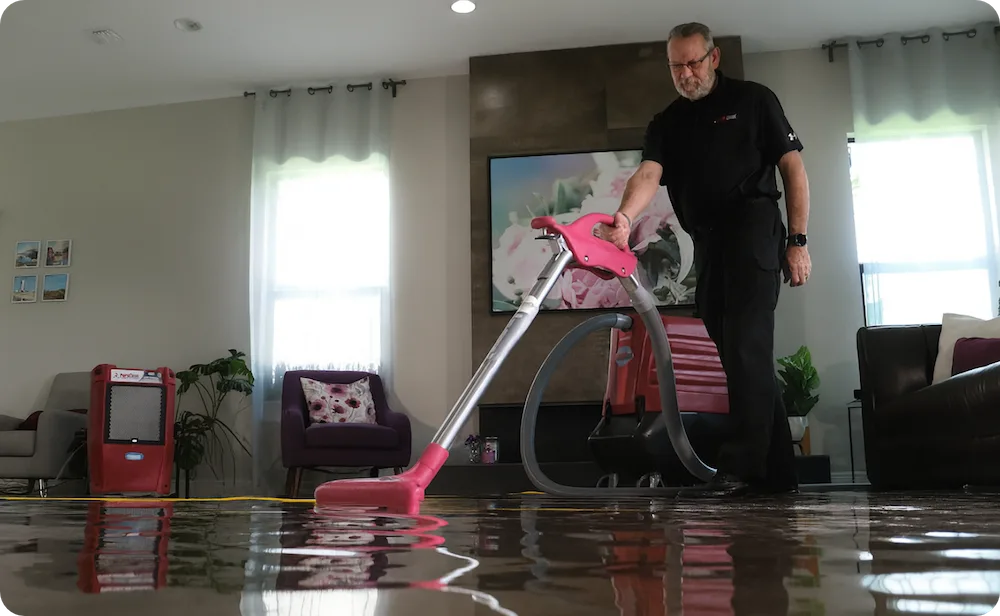
Water damage can result from unexpected leaks, flooding from storms, plumbing failures, or appliance malfunctions. Our certified teams focus on rapid water removal, drying, and stabilization to help prevent further damage and mold growth.
 Explore Our Water Damage Mitigation Services
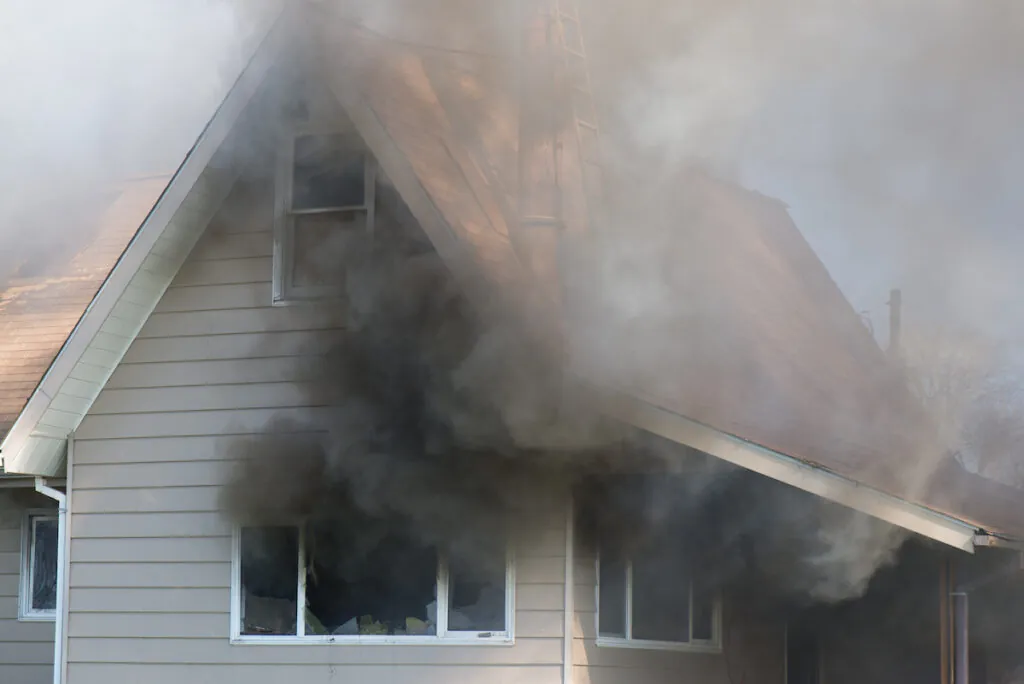
Even after a fire is extinguished, smoke, soot, and odor can continue to affect your home. Fire damage restoration services address visible damage while also helping reduce lingering effects that impact indoor air quality and surfaces.
Explore Our Fire and Smoke Damage Restoration Services
Mold often develops as a result of unresolved moisture or hidden water damage. Professional mold remediation helps identify affected areas, contain growth, and restore healthy indoor conditions.
Explore Our Mold Removal and Remediation Services
Biohazard situations, including crime scene cleanup and virus decontamination, require specialized cleaning and handling to protect health and safety. Biohazard cleanup services address contamination using proper protocols and professional care.
Explore Our Biohazard Cleanup Services
In commercial environments, a biohazard event is both a safety issue and a visibility issue. As a property manager, you may need to protect tenants, employees, and customers while also limiting disruption to adjacent suites and maintaining a normal appearance in public-facing areas. PuroClean of North Knoxville provides access-controlled biohazard cleanup designed for discreet execution, clear documentation, and coordinated re-entry decisions.
Explore Our Commercial Biohazard Cleanup Services
For property managers and risk/compliance stakeholders, the biggest commercial fire risk is rarely limited to what you can see. Fire, smoke, soot, and suppression water can affect electrical systems, fire-rated assemblies, and accessible routes—work that your municipality may require to be rebuilt to current code on the portions that are replaced. That can change scope, budget, permitting, and re-occupancy timelines unless it’s identified early and documented clearly for the carrier.
Explore Our Commercial Fire Damage Restoration Services
Mold remediation in commercial buildings is rarely a “shut the doors and come back later” project. For operations leaders and property managers, the real challenge is keeping people working, tenants served, and access controlled while the affected area is remediated and verified. PuroClean of North Knoxville approaches commercial mold as a source-driven problem: mold is a symptom of moisture, and remediation without moisture correction is temporary and can create repeat liability.
Explore Our Commercial Mold Remediation Services
For property managers, commercial water damage is rarely “just a dry-out.” It can trigger insurance notifications, owner reporting, tenant communications, and—depending on occupancy—internal safety and re-entry requirements. PuroClean of North Knoxville focuses on speed-to-dry and rapid stabilization while building a defensible documentation chain (photos, moisture mapping, drying logs, and scope notes) that supports decisions about phased reopening and claim handling.
Explore Our Commercial Water Damage Restoration Services
Water damage can result from unexpected leaks, flooding from storms, plumbing failures, or appliance malfunctions. Our certified teams focus on rapid water removal, drying, and stabilization to help prevent further damage and mold growth.
Explore Our Water Damage Mitigation Services
Find answers to common questions about our services
When a fire occurs, most homeowners are understandably focused on the visible damage caused by flames and smoke. However, once the fire is extinguished, another serious issue often remains: water damage.
Firefighters may use hundreds or even thousands of gallons of water to suppress a fire and prevent it from spreading. While this water helps save lives and property, it can create significant damage of its own if not addressed quickly.
If you’ve recently experienced a fire, you may be wondering: What should I do with the water that was used to put out the fire?
The answer is simple: remove it as quickly as possible and begin the drying process immediately.
Why Firefighting Water Can Be a Major Problem
The water left behind after a fire doesn’t simply evaporate on its own. It often seeps into:
If moisture remains trapped within these materials, it can lead to additional damage long after the fire is extinguished.
Without proper cleanup, property owners may face:
In many cases, water damage can become as costly as the fire damage itself.
Is Firefighting Water Clean?
Not always.
Water used during fire suppression often mixes with:
As a result, standing water may contain contaminants that require specialized cleanup and disposal procedures.
For safety reasons, homeowners should avoid direct contact with standing water whenever possible.
What Should I Do Immediately After the Fire?
Once emergency personnel have declared the property safe to enter, several important steps should be taken.
1. Contact Your Insurance Company
Notify your insurance carrier as soon as possible.
Your insurer may:
Keeping detailed records and photographs can help support your claim.
2. Remove Standing Water Quickly
Time is critical.
The longer water remains inside the property, the greater the risk of:
Professional restoration companies use industrial water extraction equipment to remove standing water efficiently.
3. Begin Drying and Dehumidification
Even after visible water is removed, moisture often remains hidden within walls, floors, and structural materials.
Professional drying equipment may include:
These tools help identify and eliminate hidden moisture before additional problems develop.
4. Avoid Disturbing Soot-Damaged Areas
Soot particles can spread easily throughout the home.
Avoid:
Improper cleaning can worsen staining and increase cleanup costs.
How Quickly Can Mold Grow After Firefighting Water Is Left Behind?
Mold can begin developing within 24 to 48 hours when moisture remains present.
After a fire, affected materials often stay damp due to:
This makes prompt water removal and drying essential for preventing mold growth.
Can I Remove the Water Myself?
For very minor incidents, some cleanup may be possible. However, most fire-related water damage requires professional restoration.
Challenges often include:
Professional restoration teams have specialized equipment and training to address all of these issues safely and effectively.
What Happens During Professional Fire and Water Damage Restoration?
The restoration process typically includes:
Emergency Water Extraction
Removing standing water from the property.
Moisture Detection
Locating hidden moisture behind walls, beneath flooring, and inside structural materials.
Structural Drying
Using commercial drying equipment to remove excess moisture.
Smoke and Soot Cleanup
Cleaning surfaces affected by smoke residues and soot contamination.
Odor Removal
Using specialized deodorization techniques to eliminate smoke odors.
Restoration and Repairs
Repairing or replacing damaged materials to restore the property.
Why Fast Response Matters
The first 24 to 48 hours after a fire are often critical.
Prompt restoration can help:
Delaying cleanup often results in additional restoration expenses and a longer recovery process.
Trust PuroClean of North Knoxville for Fire and Water Damage Restoration
At PuroClean of North Knoxville, we understand that recovering from a fire can be overwhelming. Our experienced team provides comprehensive fire damage restoration services, including water extraction, structural drying, smoke cleanup, odor removal, and property restoration.
We respond quickly to help homeowners and businesses throughout the Knoxville area minimize damage and begin the recovery process as soon as possible.
Whether your property has experienced a small kitchen fire or a major structural fire, our trained restoration professionals are ready to help restore your property and your peace of mind.
Final Thoughts
The water used to extinguish a fire should never be ignored. Standing water and hidden moisture can cause significant secondary damage, including mold growth, structural deterioration, and costly repairs.
The best course of action is to have the water professionally extracted and the property thoroughly dried as soon as possible. Fast action can help protect your home, reduce restoration costs, and speed up the recovery process.
If your property has suffered fire and water damage, contact PuroClean of North Knoxville for professional restoration services you can trust.
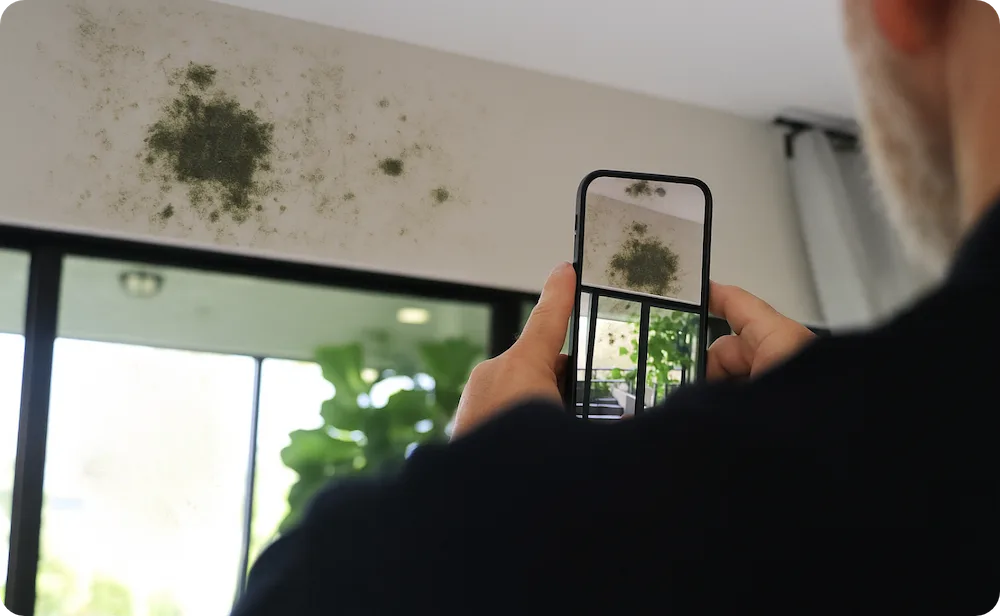
Mold can be a serious problem for homeowners, especially after water damage, plumbing leaks, flooding, or high humidity. While many people know mold can be harmful, they are often unsure what it actually looks like or how to identify it in their homes.
Understanding the appearance of mold can help you catch a problem early and prevent costly property damage. Here’s what every homeowner should know about identifying mold.
What Is Mold?
Mold is a type of fungus that thrives in damp, humid environments. It reproduces through microscopic spores that travel through the air and settle on surfaces where moisture is present. Once mold begins growing, it can spread quickly throughout a home if the underlying moisture issue is not addressed.
What Does Mold Typically Look Like?
Mold can appear in several colors, textures, and patterns depending on the species and the surface where it is growing.
Common mold colors include:
Mold often appears as:
Unlike ordinary dirt or dust, mold tends to expand and change in appearance as it continues to grow.
Does Black Mold Always Look Black?
Not necessarily.
Many homeowners associate mold with “black mold,” but not all black-colored growth is toxic black mold. Likewise, some dangerous mold species may appear green, gray, or brown.
Because mold identification requires professional testing, it is difficult to determine the exact type of mold based solely on appearance.
Where Is Mold Most Commonly Found?
Mold grows wherever moisture is present. Common areas include:
Bathrooms
Bathrooms often provide the perfect environment for mold growth due to frequent humidity and moisture exposure.
Check:
Basements
Basements are particularly vulnerable because of:
Look for mold on:
Kitchens
Mold frequently develops near:
Attics
Roof leaks and poor ventilation can lead to mold growth in attic spaces.
Inspect:
What Does Mold Look Like on Drywall?
Mold on drywall may appear as:
In some cases, mold may be growing behind the drywall before visible signs appear on the surface.
What Does Mold Look Like on Wood?
Wood mold often appears as:
Wood framing, subfloors, and structural components can all support mold growth when exposed to prolonged moisture.
Can Mold Be Hidden?
Yes.
Not all mold is visible. Hidden mold may grow behind:
Signs of hidden mold include:
If you smell mold but cannot see it, professional inspection may be necessary.
How Can You Tell the Difference Between Mold and Mildew?
Mildew is generally:
Mold is typically:
While both indicate moisture problems, mold usually poses a greater risk to building materials and indoor air quality.
Is Mold Dangerous?
Certain mold types can trigger:
Individuals with weakened immune systems, respiratory conditions, or allergies may be particularly sensitive to mold exposure.
What Should You Do If You Find Mold?
If you discover mold in your home:
Professional mold remediation addresses both the visible mold and the moisture source that caused the problem.
Trust PuroClean of North Knoxville for Mold Remediation
If you’ve discovered mold in your home or business, the experienced team at PuroClean of North Knoxville can help. Our trained professionals identify moisture sources, contain affected areas, remove mold contamination, and restore your property safely and efficiently.
Whether mold resulted from a plumbing leak, storm damage, flooding, or long-term humidity issues, we provide professional remediation services to help protect your property and your peace of mind. Contact PuroClean of North Knoxville today to schedule a mold inspection and learn more about our mold remediation services.
Experiencing a traumatic event on your property is something no homeowner, business owner, or property manager ever expects. In the aftermath of a crime, unattended death, or other biohazard situation, many people are left wondering how they will handle the cleanup process—and whether their insurance policy will help cover the costs.
The good news is that many insurance policies may provide coverage for professional crime scene cleanup services. However, coverage varies depending on the type of policy, the circumstances of the event, and the terms outlined by your insurance provider.
Here’s what property owners in Knoxville should know.
What Is Crime Scene Cleanup?
Crime scene cleanup is a specialized biohazard remediation service that involves the safe removal, cleaning, sanitization, and disposal of biological materials that may be present after a traumatic event.
Professional crime scene cleanup may be necessary following:
These situations often require specialized equipment, personal protective gear, and strict adherence to health and safety regulations.
Why Professional Cleanup Is Necessary
Many people are surprised to learn that law enforcement agencies do not perform crime scene cleanup after completing their investigation.
Property owners are typically responsible for arranging professional remediation services.
Biohazard materials can contain harmful pathogens and should never be cleaned without proper training. Professional remediation teams are equipped to:
Does Homeowners Insurance Cover Crime Scene Cleanup?
In many cases, homeowners insurance may provide coverage for crime scene cleanup when the event occurs on the insured property.
Coverage often falls under sections of the policy related to:
However, every policy is different. Coverage limits, exclusions, deductibles, and claim requirements vary by insurer.
The best way to determine coverage is to review your policy and contact your insurance representative directly.
Does Business Insurance Cover Crime Scene Cleanup?
Commercial property insurance policies may also provide coverage for biohazard cleanup and restoration services following a covered event.
Businesses that may benefit from this type of coverage include:
Business owners should review their policy details to understand what types of incidents are covered and whether additional endorsements apply.
What Factors Affect Insurance Coverage?
Several factors may influence whether crime scene cleanup expenses are covered.
These include:
Type of Incident
Coverage may differ depending on whether the event involved:
Policy Language
Insurance policies often contain specific provisions regarding biohazard remediation and cleanup expenses.
Deductibles
Even when cleanup is covered, policyholders may still be responsible for paying a deductible before insurance benefits apply.
Coverage Limits
Some policies place limits on the amount available for specialized cleanup services.
What Should You Do After a Crime Scene Incident?
If a traumatic event occurs on your property:
1. Ensure Safety
Do not enter or disturb the affected area until authorities indicate it is safe to do so.
2. Contact Your Insurance Company
Notify your insurance provider as soon as possible to begin the claims process and verify potential coverage.
3. Document the Situation
Keep records of any communications, claim numbers, and instructions provided by your insurer.
4. Contact a Professional Cleanup Company
Choose a certified biohazard remediation company with experience handling crime scene cleanup and insurance-related documentation.
Can a Cleanup Company Help With Insurance Claims?
Many professional restoration companies work directly with insurance carriers and can help simplify the process.
This may include:
Working with an experienced restoration provider can help reduce stress during an already difficult time.
Why Choose PuroClean of North Knoxville?
At PuroClean of North Knoxville, we understand that crime scene and biohazard situations require compassion, discretion, and professionalism. Our trained technicians are available to provide prompt response, thorough remediation, and respectful service during challenging circumstances.
Our team follows strict industry protocols to safely remove biohazard materials, sanitize affected areas, and restore properties to a safe condition. We also work with many insurance providers and can help guide property owners through the claims process whenever possible.
Final Thoughts
While many homeowners and commercial insurance policies may help cover the cost of crime scene cleanup, coverage depends on the details of your specific policy and the circumstances surrounding the event.
If you’re facing a biohazard situation and need professional assistance, PuroClean of North Knoxville is here to help. Our experienced team provides compassionate, confidential, and professional cleanup services when you need them most. Contact PuroClean of North Knoxville today to learn more about our crime scene cleanup and biohazard remediation services.
Whether you’re attending a family gathering, community event, church service, sporting event, or workplace meeting, it’s not uncommon to find yourself near someone who is coughing or sneezing. While a cough or sneeze doesn’t necessarily mean a person is contagious, it’s understandable to want to protect your health and reduce your risk of exposure to germs.
Here are some practical steps you can take if someone nearby is coughing or sneezing in a social setting.
Stay Calm and Avoid Assumptions
The first thing to remember is that coughing and sneezing can occur for many reasons. Allergies, asthma, seasonal irritants, dry air, and other non-contagious conditions can cause symptoms that look similar to a cold or flu.
Avoid jumping to conclusions or making the other person feel uncomfortable. Instead, focus on simple preventive measures that help protect everyone.
Create a Comfortable Distance
If possible, increase the distance between yourself and the person who is coughing or sneezing. Even moving a few feet away can help reduce exposure to respiratory droplets.
In crowded environments, consider:
This can often be done politely and discreetly without drawing attention.
Practice Good Hand Hygiene
Many illnesses spread through contaminated surfaces. If someone nearby coughs or sneezes, avoid touching your face until you’ve had an opportunity to wash your hands.
Good hand hygiene includes:
Improve Airflow When Possible
Fresh air can help dilute airborne particles in indoor environments.
If you’re hosting a gathering or spending time indoors:
Proper ventilation is one of the most effective ways to improve indoor air quality.
Be Mindful of High-Touch Surfaces
Frequently touched surfaces can harbor germs and contaminants.
Examples include:
Regular cleaning and disinfection can help reduce the spread of bacteria and viruses in homes, offices, and public spaces.
Consider Your Personal Health Risk
Individuals with certain health conditions may need to take additional precautions.
You may want to be extra cautious if you:
In these situations, maintaining distance and practicing good hygiene become even more important.
Keep Your Home Environment Healthy
Reducing exposure to contaminants doesn’t stop when you leave a social event. Maintaining a clean indoor environment at home can support overall health and comfort.
Key steps include:
Poor indoor air quality can aggravate respiratory symptoms and allergies, making a healthy home environment especially important.
The Connection Between Indoor Air Quality and Health
Many people are surprised to learn that indoor environmental conditions can significantly impact respiratory health. Mold, excess moisture, dust accumulation, and poor ventilation can contribute to coughing, sneezing, and allergy symptoms.
If your home has experienced water damage, flooding, plumbing leaks, or elevated humidity, professional inspection and remediation may be necessary to restore healthy indoor conditions.
Trust PuroClean of North Knoxville for Property Restoration Services
At PuroClean of North Knoxville, we understand the importance of maintaining a safe, clean, and healthy environment for your family and employees. Our team provides professional restoration services for water damage, mold remediation, fire damage, and biohazard cleanup.
If your property has been affected by moisture issues, mold growth, or other environmental concerns, we’re here to help restore your space and your peace of mind. Contact PuroClean of North Knoxville today to learn more about our restoration and remediation services throughout the Knoxville area.
Water damage can happen unexpectedly, whether from a burst pipe, roof leak, appliance failure, storm damage, or flooding. While many homeowners focus on drying visible water, one of the biggest concerns is what can happen next: mold growth.
A common question we hear at PuroClean of North Knoxville is, “How fast does mold grow after water damage?” The answer may surprise you. Under the right conditions, mold can begin developing much sooner than most people realize.
Mold Can Begin Growing Within 24 to 48 Hours
Mold spores are naturally present in both indoor and outdoor environments. These microscopic spores typically remain harmless until they encounter moisture and a suitable surface for growth.
When water damage occurs, mold can begin growing in as little as 24 to 48 hours if affected materials are not properly dried.
This means that a small leak or minor flooding event can quickly become a mold problem if left untreated.
Why Does Mold Grow So Quickly?
Mold requires three basic conditions to thrive:
Moisture
Water is the primary catalyst for mold growth. Common moisture sources include:
Organic Materials
Many building materials provide an ideal food source for mold, including:
Warm Temperatures
Mold grows particularly well in warm, humid environments, making East Tennessee’s climate favorable for mold development if moisture issues are not addressed quickly.
What Happens During the First Week After Water Damage?
First 24 Hours
Water begins soaking into porous materials such as drywall, wood, carpet, and insulation.
24 to 48 Hours
Mold spores may begin colonizing damp surfaces if moisture remains present.
48 to 72 Hours
Early mold growth may become established, although it may not yet be visible to the naked eye.
3 to 7 Days
Visible mold colonies often begin appearing. Musty odors may develop, and mold can spread to nearby materials.
Beyond One Week
Mold growth can accelerate significantly, leading to structural damage, indoor air quality concerns, and more extensive remediation needs.
Where Does Mold Commonly Grow After Water Damage?
Following a water loss, mold often develops in hidden areas that remain damp.
Common locations include:
Because mold frequently grows out of sight, homeowners may not realize a problem exists until odors or visible signs appear.
Signs Mold May Be Growing After Water Damage
Watch for these warning signs after a leak, flood, or water intrusion:
If you notice any of these signs, prompt inspection is recommended.
Can Mold Grow Even If Surfaces Feel Dry?
Yes.
Many homeowners assume that if a room feels dry, mold is no longer a concern. However, moisture can remain trapped inside:
Professional drying equipment and moisture detection tools are often necessary to ensure all hidden moisture is removed.
How Can Mold Be Prevented After Water Damage?
The best way to prevent mold growth is to act quickly after water damage occurs.
Important steps include:
Stop the Water Source
Identify and repair the source of the leak or intrusion.
Remove Standing Water
Water extraction should begin as soon as possible.
Dry Affected Materials
Industrial-grade air movers and dehumidifiers help remove moisture efficiently.
Monitor Moisture Levels
Professional moisture meters can detect hidden moisture that may otherwise go unnoticed.
Sanitize and Treat Affected Areas
Antimicrobial treatments may help reduce the risk of mold growth in certain situations.
Why Professional Water Damage Restoration Matters
While some minor spills can be handled by homeowners, significant water damage often requires professional intervention.
Professional restoration services provide:
The faster drying begins, the lower the risk of mold contamination and costly repairs.
Trust PuroClean of North Knoxville for Water Damage and Mold Remediation
At PuroClean of North Knoxville, we understand that every hour counts after water damage occurs. Our team responds quickly to help homeowners and businesses minimize damage, prevent mold growth, and restore their properties safely.
Using advanced drying equipment and proven restoration techniques, we help ensure moisture is removed before mold has an opportunity to spread.
Whether you’ve experienced a burst pipe, storm damage, appliance leak, or flooding event, our experienced restoration professionals are ready to help.
Final Thoughts
Mold can begin growing within 24 to 48 hours after water damage, making fast action critical. The sooner water is removed and affected materials are properly dried, the better your chances of avoiding costly mold remediation and structural damage. If your property has experienced water damage, don’t wait for mold to appear. Contact PuroClean of North Knoxville for professional water damage restoration and mold remediation services throughout the Knoxville area.
What Our Customers Say:
When you need water damage restoration services near you, call the experts at PuroClean. We are here day or night, 24/7, to help remove any standing water quickly and begin your water restoration service. We monitor the drying process so you can rest assured that your property is dried thoroughly. We offer commercial water restoration services for businesses and residential water damage restoration for homeowners.

PuroClean of North Knoxville
(865) 895-9110
3500 Workman Road, Suite 102, Knoxville, TN 37921

© 2026 PuroClean. All Rights Reserved.