


Table of Contents
If you want to restore your bathtub to pristine condition, knowing how to deep clean a bathtub properly is essential. In this article you’ll learn exactly what “deep cleaning” means for a tub, the best techniques and products, and how to keep your bathroom looking fresh.

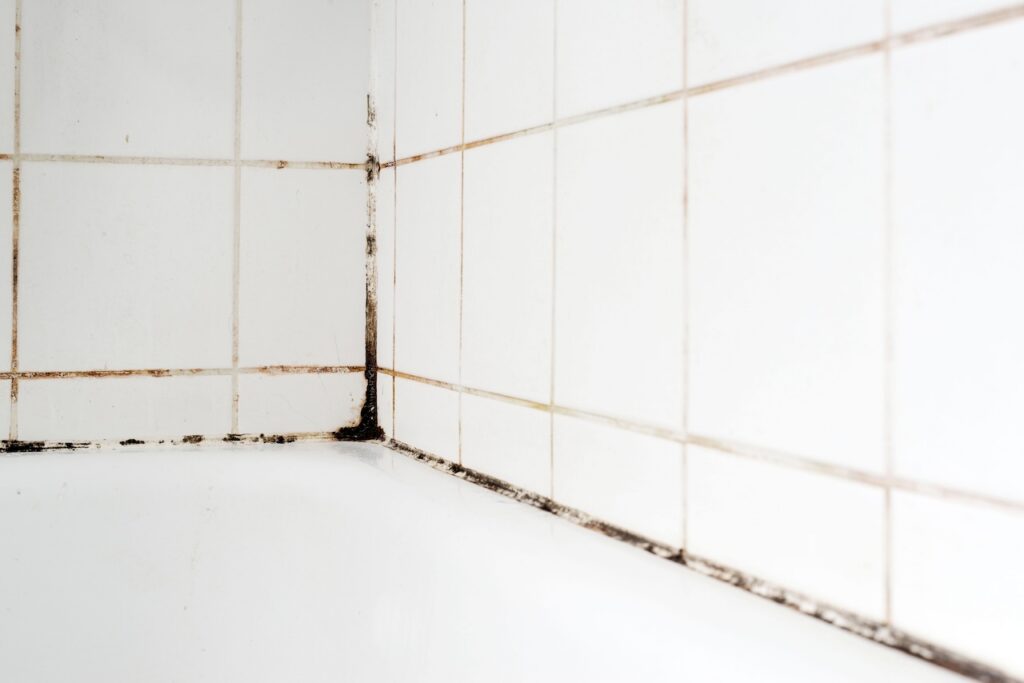
Mildew growth could hurt your bathroom’s overall appearance and be uninviting for visitors.
What Does “Deep Clean a Bathtub” Mean?
Deep cleaning a bathtub goes beyond routine surface cleaning. It means:
- Removing built-up soap scum, body oils, and mineral deposits. Over time, these residues form a dull film that makes your tub look dirty and feel slippery. A true deep clean breaks down this buildup to reveal a smooth, fresh surface again.
- Disinfecting and sanitizing the bathtub surface and surrounding grout. Germs, mildew, and bacteria thrive in damp bathroom environments. Deep cleaning kills these contaminants, helping to protect your skin and prevent unpleasant odors.
- Treating hidden problems like mold, mildew, or stains. Mold spores and rust stains often form around drains, caulking, or tile edges. A proper deep clean targets these hard-to-reach areas to restore both appearance and air quality.
- Performing a thorough cleaning that restores the finish and prevents future buildup. Using the right tools and cleaners helps preserve your tub’s material—whether acrylic, enamel, or porcelain—so it stays glossy longer and resists future residue.
According to cleaning experts, tubs used daily should be cleaned weekly and deep-cleaned monthly to avoid heavy grime.
Why Deep Cleaning Matters
Deep cleaning your bathtub isn’t just about appearances—it’s about protecting your health, safety, and investment. A well-maintained tub prevents contamination, improves hygiene, and keeps your bathroom looking and feeling fresh.
- Makes routine cleaning easier and quicker. When your bathtub is deep cleaned regularly, soap scum and grime don’t have time to harden. This means less scrubbing during your weekly clean and a smoother, more efficient maintenance routine.
- Prevents bacteria, mold, and mildew from accumulating. Moist, warm surfaces are a breeding ground for microorganisms. Deep cleaning eliminates harmful bacteria and mold spores, helping reduce allergy triggers and respiratory irritation.
- Removes slippery soap scum and mineral buildup. Built-up residue can make your tub slippery and unsafe. Removing this layer not only restores shine but also reduces slip hazards and helps water drain freely instead of pooling.
- Extends the lifespan of your tub material. Regular deep cleaning protects the finish of acrylic, fiberglass, porcelain, and enamel tubs. By preventing corrosion, staining, and dullness, you preserve both the look and structural integrity of your bathtub for years to come.
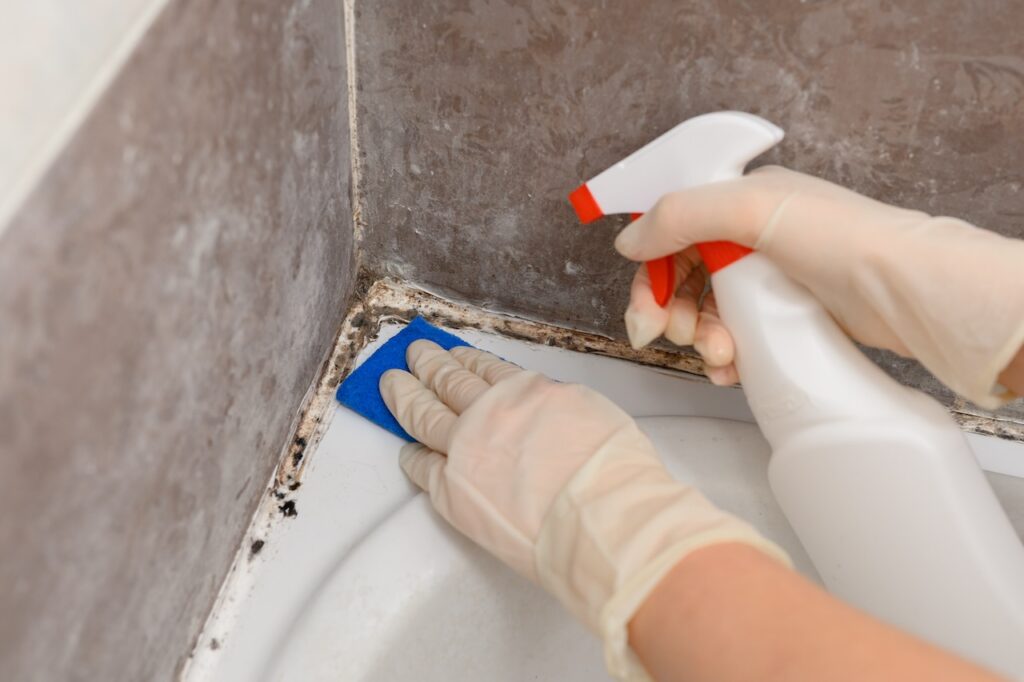
Use a spray bottle.
Step-by-Step: How to Deep Clean a Bathtub
Follow this simple yet effective process to restore your bathtub’s shine and freshness.
Step 1: Clear the Space
Start by removing everything from and around the bathtub—shampoo bottles, soap dishes, mats, toys, and any decor items. This gives you full access to every surface, including the edges and corners that often collect grime. Wipe down ledges and tiles to eliminate loose dust or hair before you begin cleaning. Having a clear space also prevents cleaning products from reacting with leftover residues from personal items.
Step 2: Choose the Right Cleaner for Your Tub Material
Different bathtub materials require different cleaning approaches.
- Acrylic or fiberglass tubs: These are prone to scratching, so avoid harsh abrasives and scouring pads. Use a gentle, non-scratch sponge and a mild, pH-balanced cleaner.
- Porcelain or enameled steel tubs: These can handle stronger cleaners but still avoid steel wool or metal brushes that can damage the finish. A baking soda paste or a soft scrub cleaner works best here.
Always test any cleaner on a small, hidden area first to ensure it doesn’t dull or discolor the surface.
Step 3: Pre-Treat Soap Scum and Stains
Before scrubbing, loosen the dirt and buildup. Sprinkle baking soda evenly across the tub surface—it acts as a mild abrasive that lifts residue without scratching. Then, spray or pour a mix of white vinegar and dish soap over the area. Let it sit for 10–15 minutes so the solution can break down soap scum, hard water stains, and body oils. For heavy buildup, extend the wait time and reapply the mixture as needed.
Step 4: Scrub and Rinse Thoroughly
Use a soft brush or non-scratch sponge to scrub the entire tub, starting from the walls and working downward. Focus on corners, grout lines, and around fixtures where grime tends to accumulate. Circular motions help loosen dirt more effectively. Once clean, rinse the bathtub thoroughly with warm water to remove all residue and cleaning solution. Check for slippery areas—if any feel greasy, repeat the scrub on those spots.
Step 5: Disinfect and Treat the Drain or Jets (if applicable)
For standard tubs, disinfecting with a mild cleaner or diluted bleach solution will kill remaining bacteria. For whirlpool or jetted tubs, fill the tub with hot water, then add one cup of white vinegar and half a cup of baking soda (or a manufacturer-approved cleaner). Run the jets for 10–15 minutes to clean internal pipes and remove buildup, then drain and rinse thoroughly. This step prevents odors and ensures water lines stay sanitary.
Step 6: Dry and Maintain
Once the cleaning is complete, use a microfiber cloth or soft towel to dry every surface. This step helps prevent water spots and new soap scum from forming. For extra shine, buff with a dry cloth or use a small amount of rubbing alcohol on a cloth to polish the finish. To maintain results, rinse the tub after each use and wipe it dry—these small habits drastically reduce how often you’ll need to deep clean.
Comparison: DIY vs Commercial Cleaners
| Option | Pros | Cons |
|---|---|---|
| DIY solutions (vinegar, baking soda) | Low cost, minimal chemicals | May require more elbow-grease |
| Commercial cleaners | Fast acting, often disinfects | Higher cost, may contain harsh chemicals |
| Professional deep clean | Best for serious stains or older tubs | Higher cost and scheduling required |
FAQ: How to Deep Clean a Bathtub
Q1: How often should I deep clean a bathtub?
A: If you use the bathtub frequently, perform a full deep clean every 1-2 months, and do lighter weekly cleaning. Experts suggest weekly cleaning and monthly attention for high-use tubs.
Q2: Can I use bleach to deep clean any tub?
A: Only when safe for the material and with proper ventilation. Some acrylic tubs may discolor or get damaged by harsh bleach. Always check manufacturer instructions.
Q3: What’s the best method to remove soap scum?
A: A paste of baking soda + dish soap, or a spray of vinegar + dish soap, left to sit then scrubbed, works very well for most surfaces.
Q4: Does water hardness affect my bathtub cleaning?
A: Yes. Hard water leaves mineral deposits that can accelerate soap-scum build-up and require more aggressive cleaning if neglected. Regular cleaning slows that process.
Q5: Any special considerations for jetted tubs?
A: Yes – jets harbor soap residue and bacteria. Use hot water, vinegar and baking soda, run the jets, then drain and rinse thoroughly.
Conclusion
Learning how to deep clean a bathtub and maintain it with smart cleaning habits ensures a healthier, more attractive bathroom and prolongs your tub’s lifespan. Whether you’re tackling built-up soap scum, mineral deposits, or mildew, following a proven routine gives results.
Ready to refresh your bathroom with confidence? Grab your cleaning supplies, choose the method that fits your tub, and give it the deep clean it deserves this weekend. If you’d rather leave it to the experts, contact our professional cleaning team today at (945) 234-4566. We’ll handle the tough scrubbing, stain removal, and sanitizing—so you can enjoy a spotless, sparkling bathtub without the effort.


