



Table of Contents
Sewer gas leaks can silently affect your home’s safety, air quality, and even your family’s health. Recognizing the warning signs early is key to preventing serious hazards. This guide explains what sewer gas is, how to detect leaks, and when to call professionals like PuroClean of North McKinney for help.
What Is Sewer Gas and Why It’s Dangerous
Sewer gas is a mix of toxic and non-toxic gases that accumulate in sewage systems and plumbing lines. The main components include:
- Hydrogen sulfide (H₂S): Responsible for the “rotten egg” odor. Toxic in high concentrations.
- Methane (CH₄): A flammable gas that can cause explosions if it builds up indoors.
- Ammonia and carbon dioxide: Common irritants that contribute to poor indoor air quality.
Even though trace amounts may not be harmful, high concentrations of sewer gas can pose serious health and fire risks. According to the Centers for Disease Control and Prevention (CDC), hydrogen sulfide exposure can cause dizziness, headaches, and respiratory distress.
Quick Summary: How to Spot Sewer Gas Leaks
| Sign | What It Means | What To Do |
|---|---|---|
| Rotten egg smell | Hydrogen sulfide from decomposing waste | Inspect drains, toilets, and basement floors |
| Gurgling sounds | Blocked or dry plumbing traps | Run water through unused drains |
| Mold growth | Moisture from leaks increases humidity | Check for cracks and leaks near plumbing |
| Health symptoms | Headaches, nausea, coughing | Ventilate and call a professional |
| Dry drains | Traps not holding water | Pour water in floor and shower drains weekly |
Common Signs of a Sewer Gas Leak
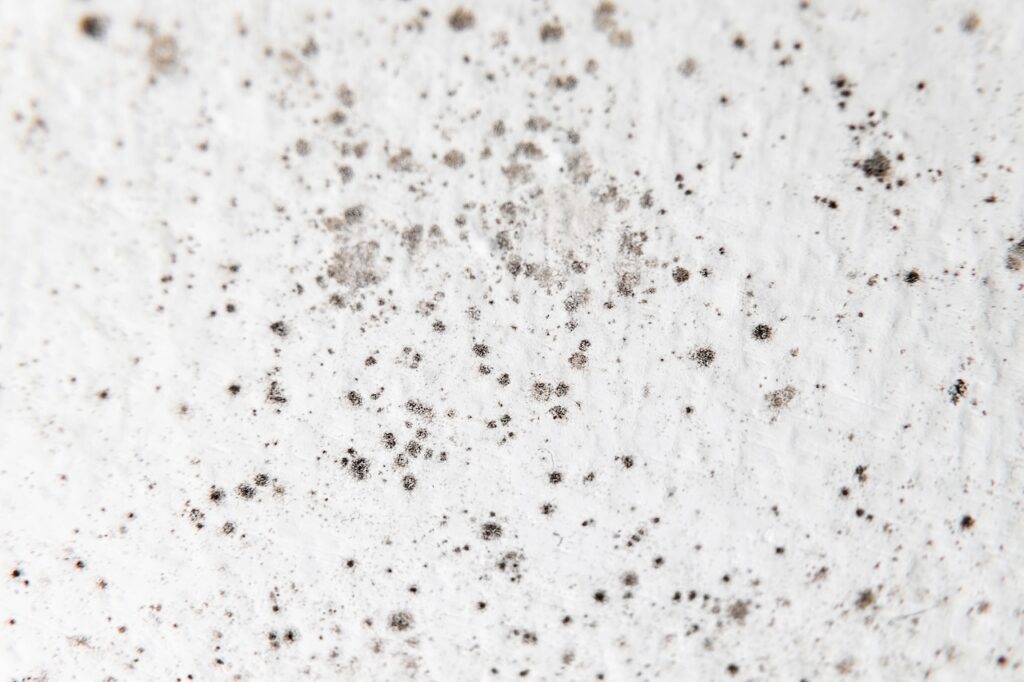
Sewer gas leaks can contribute to mold growth in your home.
Identifying a sewer gas leak starts with recognizing the common warning signs. Sewer gas can impact indoor air quality, cause health problems, and damage your home if ignored.
Unpleasant Odors
A strong, rotten egg or sulfur smell is the most common sign of a sewer gas leak. The odor comes from hydrogen sulfide produced by decaying waste. It’s often strongest near bathrooms, basements, or floor drains—especially if a drain trap has dried out. Masking the smell won’t solve the issue, so it’s important to investigate promptly.
Health Symptoms
Exposure to sewer gas can cause headaches, dizziness, nausea, and respiratory irritation, particularly in children or people with asthma. If these symptoms ease when you leave home, sewer gas may be to blame. Prolonged exposure can lead to more serious effects, making quick action vital.
Gurgling Drains
If drains or toilets gurgle or bubble, air or gas may be trapped in the pipes. This usually means a blocked vent or partial clog, which allows gases to push back into the home. These sounds are an early warning of pressure buildup that can lead to leaks.
Mold Growth
Excess humidity from leaking or unsealed pipes can encourage mold growth around drains, walls, or basements. Mold in unusual areas often points to hidden leaks or poor ventilation—and may be linked to a sewer gas problem that needs professional attention.
How to Identify Sewer Gas Leaks
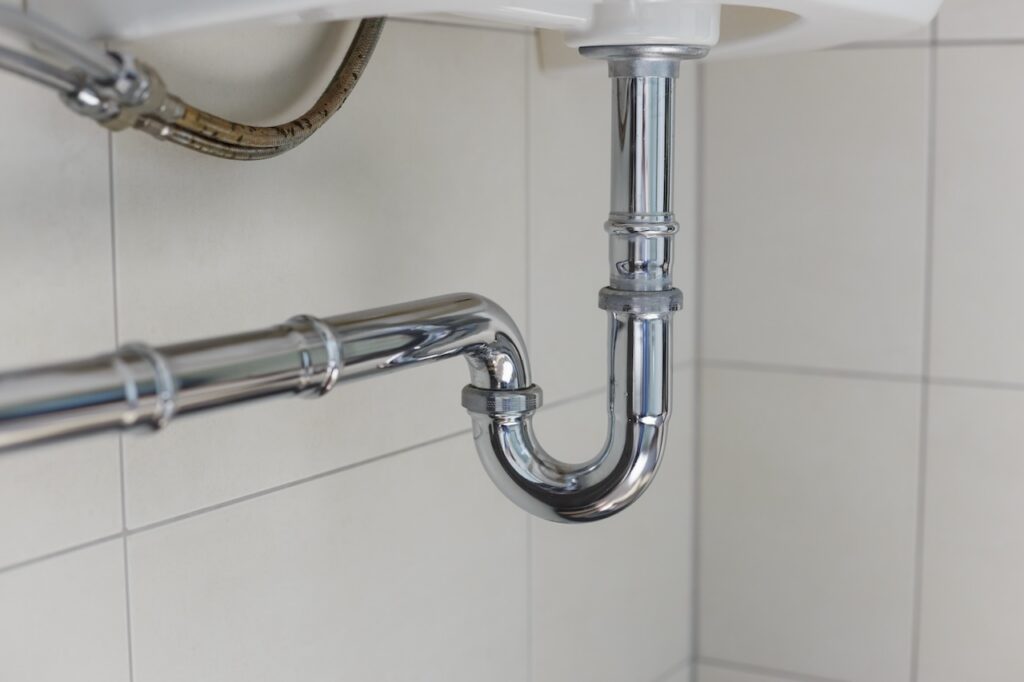
One of the most common sources of sewer gas leaks is in the plumbing traps.
Identifying a sewer gas leak requires a systematic approach. Because gases can escape from different points in your plumbing, it’s important to check several areas carefully.
Check for Dry Traps
Plumbing traps, or P-traps, hold water that seals off gases from entering your home. When drains aren’t used often—like in guest bathrooms or basements—the water can evaporate, breaking the seal and letting odors in. Run water weekly in all fixtures to keep traps filled, or add a small amount of mineral oil to slow evaporation.
Inspect Vent Pipes
Vent pipes release gases outdoors and balance pressure in your plumbing system. When they’re clogged, cracked, or disconnected, sewer gas can back up inside. Look for gurgling drains or odors after flushing, and check roof vents for blockages like leaves or nests. If issues persist, have a plumber inspect the vent line.
Use a Smoke Test
A smoke test helps professionals locate hidden leaks. Non-toxic smoke is pumped into the system and escapes through cracks or gaps, showing exactly where gas may be leaking. It’s one of the fastest and safest ways to confirm the problem without tearing into walls.
Install Gas Detectors
Modern carbon monoxide and air-quality detectors can also sense gases like hydrogen sulfide and methane. Place them near bathrooms, basements, and drains for 24/7 monitoring. Early alerts from these devices can prevent health risks and pinpoint sewer gas leaks before they worsen.
Preventing Sewer Gas Leaks
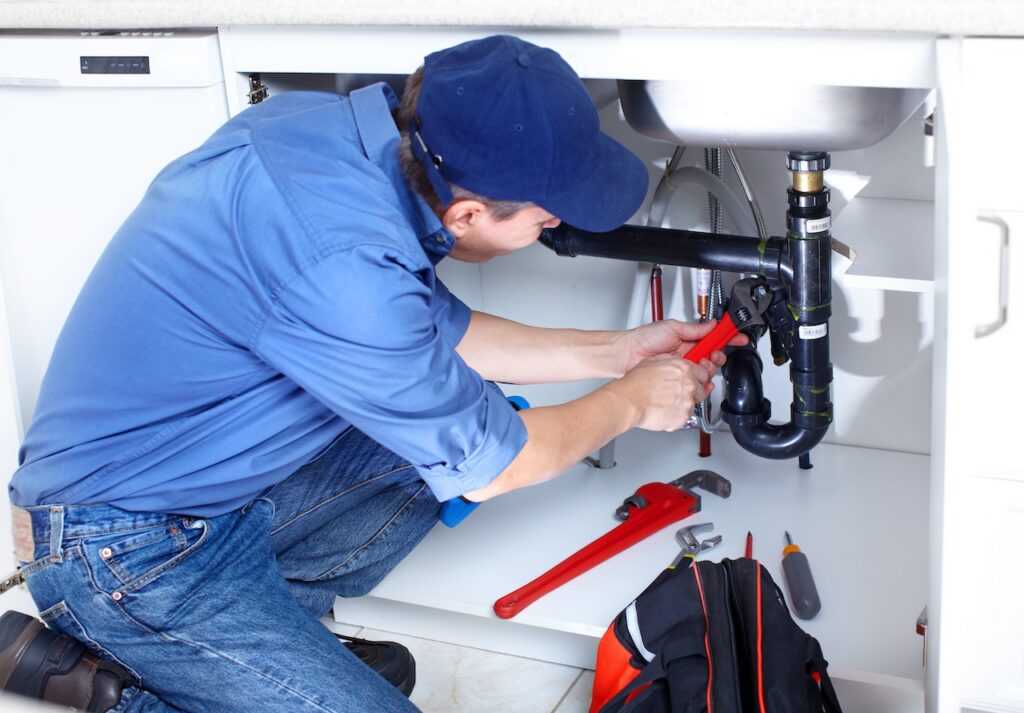
Scheduling regular inspections will keep your plumbing in order and prevent sewer gas leaks from occurring.
Prevention is always better than cure. By taking proactive steps, you can stop sewer gas leaks before they pose a risk to your home or health.
Regular Plumbing Maintenance
Schedule annual plumbing inspections to detect early signs of leaks, clogs, or venting problems. A licensed plumber can check traps, vent pipes, and seals to ensure everything functions properly. Regular maintenance not only prevents sewer gas issues but also extends the lifespan of your plumbing system.
Seal Cracks and Openings
Even small cracks in your foundation, walls, or around pipe entries can allow gas to seep indoors. Seal gaps with waterproof caulk or epoxy and check areas around toilets, floor drains, and basements. Keeping these points airtight helps maintain indoor air quality and reduces the chance of gas infiltration.
Improve Ventilation
Proper ventilation in bathrooms, laundry rooms, and basements helps disperse any minor gas buildup. Use exhaust fans or open windows regularly to allow fresh air circulation. A well-ventilated home reduces both odors and potential health risks from lingering sewer gases.
FAQ: Sewer Gas Leaks Explained
1. What causes sewer gas leaks in homes? They often result from dry traps, cracked vent pipes, broken seals around toilets, or blocked drains. Over time, these allow gases from the sewer system to escape indoors.
2. Are sewer gas leaks dangerous to breathe? Yes. Hydrogen sulfide and methane can cause headaches, nausea, and dizziness at low levels. High concentrations can be toxic or even explosive.
3. How can I test for sewer gas leaks myself? You can start by checking for dry drains and using a gas detector. However, smoke tests and system inspections should always be done by professionals.
4. Can sewer gas leaks cause illness in pets? Yes. Pets are often more sensitive to airborne toxins. If your pet shows lethargy or disorientation, leave the area and call a professional immediately.
5. Who should I call for sewer gas leak cleanup? If you suspect contamination or a leak, contact PuroClean of North McKinney for expert biohazard and sewage cleanup services.
Contact PuroClean of North McKinney
By understanding how to identify a sewer gas leak and taking proactive steps, you can maintain a safe and healthy home environment for you and your loved ones.
If you suspect a sewer gas leak in your home, don’t wait to take action. Protect your family’s health and safety by contacting the professionals at PuroClean of North McKinney. Call us today at (945) 234-4566 to schedule an inspection and get peace of mind.


