


Table of Contents
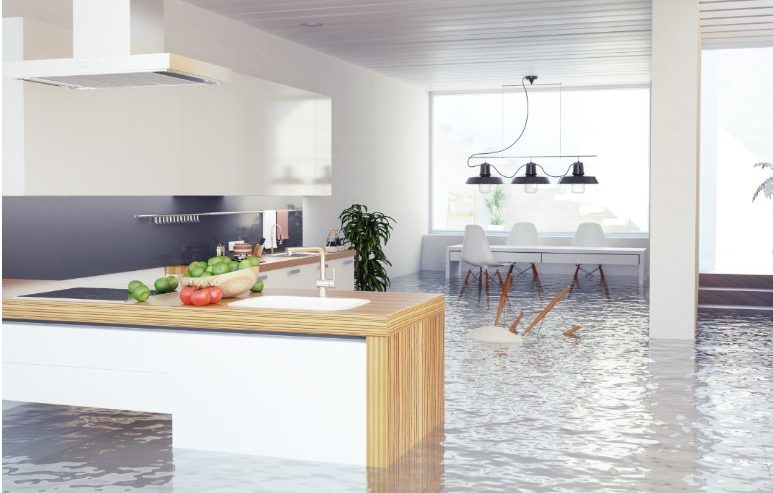
Even brand-new or recently built houses can suffer water damage in newer homes due to construction shortcuts, modern building materials, plumbing failures, and North Texas weather patterns. New doesn’t mean immune—early detection and fast response are critical to preventing long-term structural damage and mold.
Homeowners in McKinney often assume water damage is an “old house problem.” In reality, newer homes can fail in different—but very predictable—ways.
Why Water Damage in Newer Homes Is More Common Than You Think
Water damage in newer homes refers to moisture intrusion, leaks, or flooding that occurs within homes typically built in the last 10–20 years.
Modern construction prioritizes speed and efficiency. While that keeps costs down, it can introduce hidden vulnerabilities that don’t appear until months—or years—after move-in.
1. Construction Defects and Rushed Builds
Many newer neighborhoods are built quickly to meet demand. That speed can lead to mistakes that aren’t obvious during a standard home inspection.
Common construction-related causes of water damage:
- Improperly sealed windows and doors
- Incorrect roof flashing installation
- Missing or poorly installed vapor barriers
- Sloped grading that directs water toward the foundation
Even small gaps can allow water intrusion during heavy rain.
2. Modern Plumbing Systems Still Fail
New plumbing doesn’t mean flawless plumbing.
Frequent plumbing-related risks in newer homes:
- Loose fittings behind walls
- Defective PEX connections
- Poorly installed appliance lines (washers, refrigerators)
- Failed shut-off valves
A single hidden leak can cause hidden water damage long before stains appear.
3. Slab Foundations and Hidden Moisture Problems
Most newer homes in McKinney are built on slab foundations, which can conceal water issues.
Why slab homes are vulnerable:
- Underground pipe leaks go unnoticed
- Moisture wicks upward into flooring
- Foundation cracks allow groundwater intrusion
By the time symptoms appear, damage is often widespread.
4. Extreme Weather and Drainage Challenges in McKinney
North Texas weather is unpredictable. Heavy rainstorms and flash flooding put pressure on newer drainage systems.
Weather-related contributors to water damage:
- Overwhelmed storm drains
- Poor yard grading around new builds
- Inadequate gutter systems
- Water pooling near foundations
New homes aren’t always designed for extreme rainfall patterns.
5. Energy-Efficient Materials Can Trap Moisture
Modern homes are tightly sealed for energy efficiency—but that can backfire.
Moisture risks from modern materials:
- Reduced airflow increases condensation
- Trapped humidity behind walls
- Mold growth without visible leaks
This is why mold from water damage is common even in newer properties.
How Newer Homes vs. Older Homes Experience Water Damage
| Issue Area | Newer Homes | Older Homes |
|---|---|---|
| Plumbing | Installation defects | Aging pipes |
| Structure | Poor sealing | Material deterioration |
| Detection | Hidden longer | Visible sooner |
| Mold Risk | High due to tight seals | Moderate |
Early Warning Signs Homeowners Shouldn’t Ignore
Watch for these indicators of water damage in newer homes:
- Warped flooring or bubbling laminate
- Musty or damp odors
- Sudden spikes in water bills
- Cracks near baseboards or ceilings
- Discoloration around windows
Catching issues early can drastically reduce repair costs.
What to Do If You Suspect Water Damage
Step-by-step response:
- Shut off the water source if possible
- Avoid using affected rooms
- Document visible damage with photos
- Call a professional restoration company immediately
Delaying action increases the risk of mold and structural damage.
How PuroClean Helps Homeowners in McKinney, TX
PuroClean specializes in detecting and restoring water damage in newer homes, including:
- Moisture mapping and leak detection
- Water extraction and structural drying
- Mold prevention and remediation
- Insurance documentation support
Fast, professional intervention limits damage and speeds recovery.
FAQs About Water Damage in Newer Homes
Can a home under 10 years old really have water damage?
Yes. Construction defects, plumbing failures, and drainage issues can cause serious damage regardless of a home’s age.
Is water damage covered by homeowners insurance?
Often yes—if the damage is sudden and accidental. Gradual leaks may not be covered.
How long does it take for mold to grow after a leak?
Mold can begin forming within 24–48 hours if moisture isn’t properly dried.
Are slab leaks common in newer homes?
They’re less common than in older homes, but when they happen, they’re harder to detect and more damaging.
Should I call a plumber or a restoration company first?
If damage is already present, start with a restoration company like PuroClean to prevent further loss.
Call PuroClean for Expert Water Damage Help
If you’re dealing with water damage in newer homes in McKinney, TX, don’t wait. PuroClean provides rapid response, expert assessment, and complete restoration to protect your home and your investment. Contact us at (945) 234-4566 today.
Key Takeaways
- Professional restoration minimizes long-term damage
- New homes are not immune to water damage
- Construction speed increases hidden risk
- Plumbing and slab leaks are common culprits
- McKinney weather intensifies drainage issues
- Early detection prevents mold and major repairs
Read also about:


