 PuroClean of North McKinney
Table of Contents
Water damage in walls after a winter freeze often develops quietly, days after temperatures rise again. In McKinney, TX, pipes can freeze overnight and leak once they thaw, allowing moisture to spread behind drywall. Homeowners should know the early warning signs, why this damage is easy to miss, and what steps help prevent long-term structural and mold issues.
What Happens to Pipes During a Freeze
When temperatures drop below freezing, water inside pipes expands. This pressure can crack or weaken the pipe, even if it doesn’t burst immediately. Once the weather warms, water begins flowing again and escapes through damaged sections inside walls.
This delayed failure is why many homeowners don’t notice a problem until damage has already spread.

Why Wall Damage Is So Common After Freezes in North Texas
Homes in McKinney aren’t always built for extended cold weather. Pipes often run through exterior walls, attics, or garages with limited insulation. A short freeze can be enough to create hidden leaks that affect drywall, insulation, and framing.
Cold weather also slows evaporation, allowing moisture to remain trapped longer.
Water Damage in Walls After a Winter Freeze Is Often Hidden
Unlike visible flooding, water damage in walls after a winter freeze usually starts out of sight. Moisture can travel vertically and horizontally before surfacing, which makes early detection difficult.
Common hidden effects include:
- Saturated insulation that holds moisture
- Softened drywall behind paint
- Wood framing exposed to prolonged dampness
By the time surface signs appear, damage may already be widespread.
Early Warning Signs Homeowners Should Watch For
Visual Signs
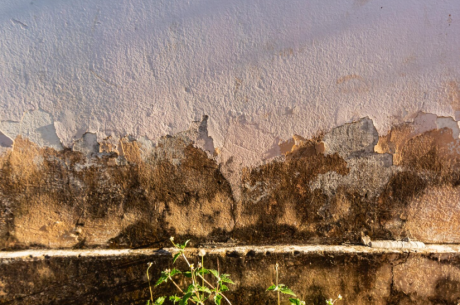
- Yellow or brown staining on walls or ceilings
- Bubbling or peeling paint
- Warped baseboards or trim
Sensory Signs
- Musty or damp odors near walls
- Walls that feel cool or soft to the touch
- Increased indoor humidity in one area
These indicators often appear days after a freeze event.
How This Type of Damage Progresses
If moisture remains untreated, it can lead to secondary issues. Drywall loses strength when wet, insulation stops performing effectively, and wood framing may begin to weaken. Mold growth can start within 24–48 hours under the right conditions.
This progression is why early evaluation is critical.
Winter Wall Damage vs. Typical Plumbing Leaks
| Winter Freeze Damage | Typical Plumbing Leak |
|---|---|
| Often delayed after thaw | Often noticed quickly |
| Hidden inside walls | May be visible |
| Slower drying conditions | Faster evaporation |
| Higher mold risk | Easier to control |
Understanding the difference helps homeowners respond appropriately after cold weather events.
What to Do If You Suspect Wall Moisture
If you think freezing temperatures caused a hidden issue, take these steps:
- Document visible signs with photos
- Avoid opening walls or removing materials yourself
- Shut off water if a leak is suspected
- Schedule a professional inspection
Professional assessment helps identify how far moisture has spread.
When to Call PuroClean in McKinney
If signs persist or worsen, professional help is recommended. PuroClean of McKinney has experience identifying hidden moisture issues caused by winter freezes and restoring affected areas safely and thoroughly.
Addressing the problem early can significantly reduce repair costs and disruption.
FAQs
Can pipes freeze even if they don’t burst?
Yes. Pipes can crack or weaken during a freeze and leak later when they thaw.
How long after a freeze does damage appear?
Damage may appear days later, once water begins flowing again and moisture spreads.
Is wall damage from frozen pipes covered by insurance?
Many policies cover sudden pipe failures, but coverage depends on the cause and documentation.
Which walls are most at risk?
Exterior walls, garage-adjacent walls, and walls near unheated spaces are most vulnerable.
Can I dry wall moisture with fans alone?
Surface drying is not enough if moisture is trapped inside walls.
Conclusion
Ignoring water damage in walls after a winter freeze can lead to mold growth, structural issues, and costly repairs. For McKinney homeowners, understanding the risks and acting quickly after cold weather is the best way to protect your home.
Call to Action
If you suspect freeze-related moisture issues in your home, contact PuroClean at (945) 234-4566 for a professional inspection and guidance on next steps.
Key Takeaways
- Early action helps limit long-term damage
- Pipes can crack during freezes and leak after thawing
- Wall damage often develops out of sight
- Early signs include stains, odors, and paint changes
- Cold weather slows drying and increases mold risk
- DIY repairs may miss hidden moisture
- Professional assessment identifies the full scope

 PuroClean of North McKinney