


Table of Contents
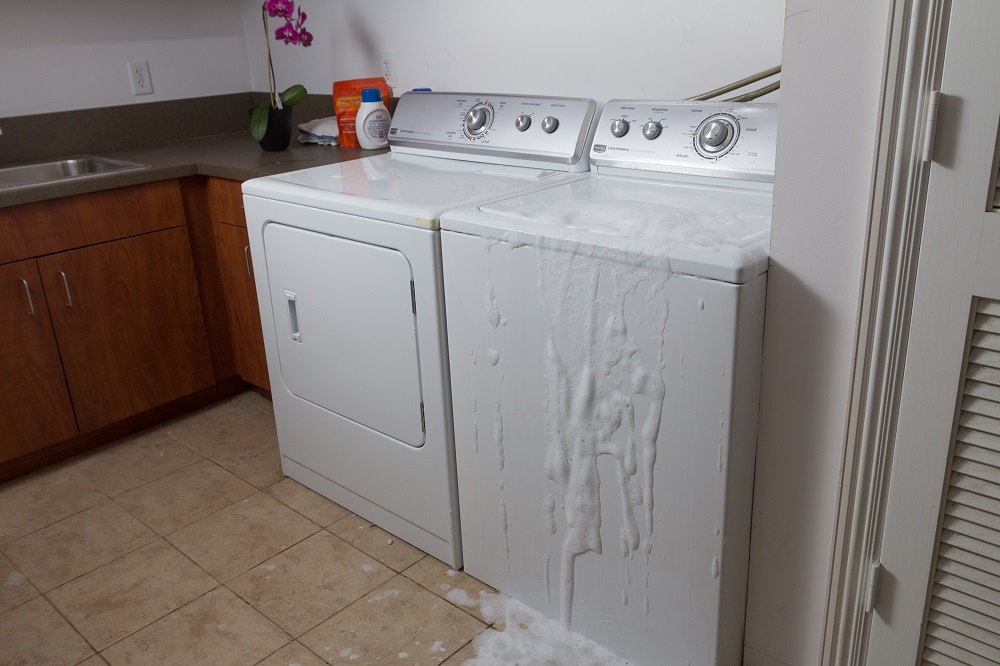
A washing machine leak can release a large amount of water in a short time, damaging flooring, drywall, cabinets, and even rooms below the laundry area. If your washer floods, stop the water source, shut off electricity to affected areas if it is safe to do so, remove standing water, and begin drying as quickly as possible. If water has reached walls, ceilings, insulation, or multiple rooms, professional water damage restoration may be necessary.
In many newer North McKinney homes, laundry rooms are located near finished living areas or on upper floors. That layout can allow a failed hose or drain connection to cause laundry room water damage well beyond the appliance itself.
What Causes a Washing Machine Leak?
A washing machine can leak from several components. Identifying the source helps determine whether the problem is limited to the appliance or has affected surrounding building materials.
Common causes include:
- Failed supply hoses: Rubber or braided hoses can loosen, crack, or rupture, allowing pressurized water to escape.
- Drain hose problems: A disconnected, cracked, or improperly positioned drain hose can release water during the drain cycle.
- Loose plumbing connections: Connections behind the washer can slowly leak or suddenly fail.
- Overflow or drainage problems: A clogged drain or appliance malfunction may cause water to back up and overflow.
- Door seal failure: Front-loading washers can leak when the door gasket becomes damaged or obstructed.
Even a relatively small appliance leak can spread beneath flooring or behind baseboards before it is noticed.
What Should You Do Immediately After a Washing Machine Flood?
The first few actions you take can help reduce the extent of washing machine flood damage.
1. Stop the Water Source
Turn off the washing machine and close the hot and cold water supply valves behind the appliance if you can reach them safely.
If a supply hose has ruptured and the valves cannot be accessed, you may need to shut off the home’s main water supply.
2. Watch for Electrical Hazards
Water and electricity are a dangerous combination. Do not walk through standing water to reach outlets, appliances, or the electrical panel.
If water has reached electrical components, outlets, or wiring, avoid the area until it has been evaluated and made safe.
3. Remove Standing Water
If the area is safe, remove accessible standing water using towels, a wet vacuum, or other appropriate equipment.
Removing visible water is only the first step. Moisture can remain beneath flooring, inside walls, and around baseboards even after the surface appears dry.
4. Move Wet Items
Move rugs, laundry baskets, furniture, and other movable belongings away from the affected area.
Wet fabrics and porous materials can retain moisture and slow the drying process.
5. Check Adjacent Areas
Inspect nearby rooms, closets, walls, and floors. If the laundry room is upstairs, check the ceiling and walls directly below it for staining, dripping, bubbling paint, or dampness.
How Far Can Washing Machine Water Damage Spread?
Water often travels farther than homeowners expect, particularly when a washing machine is located on an upper floor or beside finished rooms.
| Where Water Reaches | Potential Damage |
|---|---|
| Tile or sealed flooring | Water may enter grout lines, edges, or transitions |
| Hardwood or laminate | Swelling, warping, or trapped moisture underneath |
| Drywall and baseboards | Staining, softening, or hidden moisture |
| Carpet and padding | Saturation beneath the visible surface |
| Ceiling below laundry room | Wet drywall, insulation, or framing |
| Wall cavities | Hidden moisture that may not be immediately visible |
This is why simply drying the floor around the washer may not fully address the problem.
Signs of Hidden Water Damage After a Washing Machine Leak
Some effects of a washing machine leak appear immediately, while others develop over the following hours or days.
Watch for signs such as:
- Soft or swollen flooring
- Discolored drywall or ceilings
- Bubbling or peeling paint
- Warped baseboards
- Damp carpet near adjoining rooms
- Musty odors
- Water stains on the level below the laundry room
Professional moisture detection can help determine whether water has moved into areas that cannot be inspected visually.
When Does a Washing Machine Leak Require Professional Drying?
A minor leak caught immediately may sometimes be manageable with basic cleanup and drying. Professional restoration becomes more important when water has spread beneath finished surfaces or into structural materials.
Consider professional help when:
- Water has entered more than one room.
- The laundry room is upstairs and water has reached the floor below.
- Drywall, insulation, carpet padding, or wood flooring is wet.
- Water has been standing for an extended period.
- You cannot determine how far the moisture has spread.
- Flooring or walls remain damp after surface water is removed.
The Institute of Inspection, Cleaning and Restoration Certification (IICRC) publishes the S500 Standard for Professional Water Damage Restoration, which provides industry guidance for evaluating, extracting, drying, and monitoring water-damaged structures. This is a relevant authority you can link to when discussing professional water restoration practices.
Why Fast Drying Matters
Removing standing water does not necessarily mean the structure is dry. Porous materials can absorb moisture and hold it below the surface.
Without proper drying, a leak may contribute to damaged flooring, deteriorated drywall, odors, and conditions that support microbial growth. Restoration professionals can use moisture meters and other equipment to identify affected materials and monitor the drying process.
Frequently Asked Questions
Q: What should I do first if my washing machine floods?
A: Stop the washer and shut off its water supply as quickly as you safely can. Avoid standing water if electrical outlets, appliances, or wiring may have been affected, then begin removing accessible water.
Q: Can a washing machine leak damage the floor underneath it?
A: Yes. Water can travel beneath vinyl, laminate, hardwood, tile edges, and carpet padding. The visible surface may dry while moisture remains trapped underneath.
Q: How do I know if water from my washing machine reached the walls?
A: Look for swollen baseboards, bubbling paint, discoloration, soft drywall, or dampness near the floor. Moisture meters can help identify water inside walls that has not produced visible symptoms yet.
Q: What should I check if my washing machine is upstairs?
A: Inspect the floor around the appliance as well as the ceilings and walls on the level below. Water can move through flooring, insulation, and ceiling drywall before a stain or drip appears.
Q: Do I need professional water damage cleanup after a washing machine leak?
A: It depends on how much water escaped and where it traveled. If water reached drywall, flooring systems, insulation, ceilings, or multiple rooms, professional drying and moisture detection can help identify hidden damage.
Get Help With Washing Machine Leak Damage in North McKinney
A washing machine leak can become much more than a wet laundry room, especially when the appliance is located upstairs or near finished living spaces. Water that moves beneath flooring or into walls and ceilings may require more than surface cleanup.
If a washing machine flood has caused water damage in your North McKinney home, contact PuroClean at (945) 234-4566 for professional water removal, moisture detection, and structural drying.
Key Takeaways
- A washing machine leak can spread water beneath floors, behind walls, and into rooms below.
- Shut off the appliance’s water supply as soon as it is safe to do so.
- Avoid standing water when electrical components may be affected.
- Check nearby rooms and the floor below an upstairs laundry room for hidden damage.
- Surface drying alone may not remove moisture trapped inside building materials.
- Professional moisture detection can determine how far the water has traveled.
- Fast cleanup and drying can help reduce additional property damage.


