


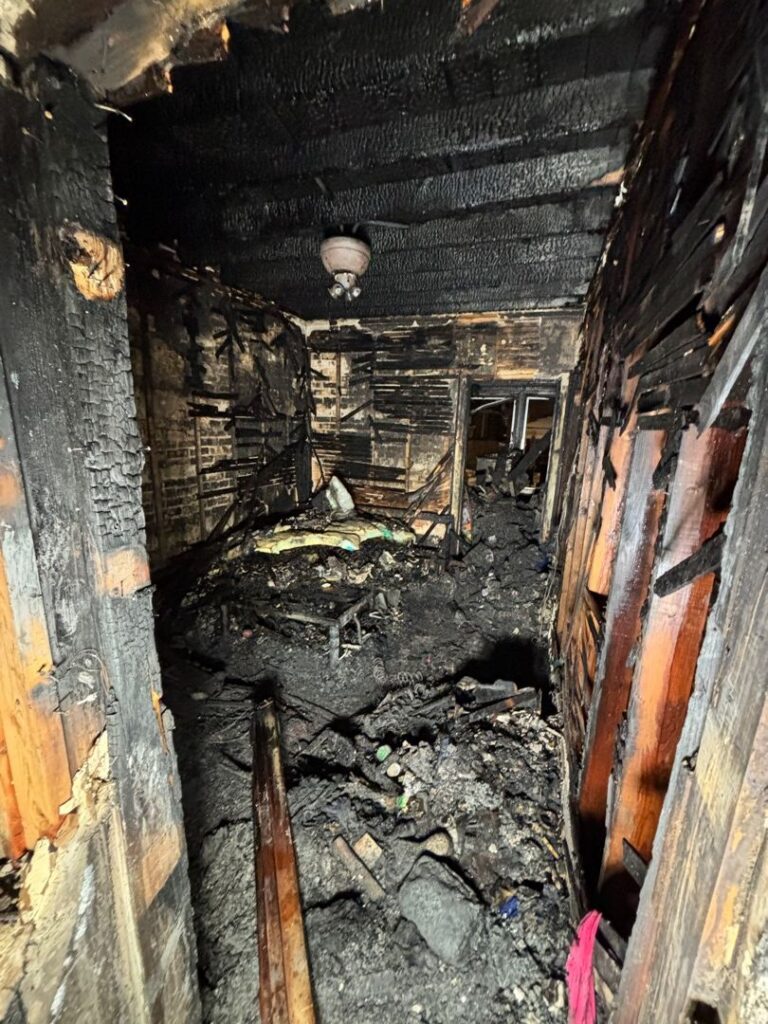
Electrical fires represent one of the most dangerous, insidious threats to residential properties across Northbrook. Unlike visible physical damage or plumbing failures where water leaks or a burst pipe immediately draw attention, electrical wiring hazards often develop silently behind drywall, inside drop ceilings, or within cramped crawlspaces. By the time smoke, burning odors, or flame embers become noticeable, catastrophic structural damage, heavy soot accumulation, and hazardous smoke residues have already spread throughout the structure.
At PuroClean of Northbrook, our certified property damage restoration specialists witness firsthand the devastating toll that electrical fires take on homes, families, and commercial spaces. Understanding how electrical wiring hazards develop, recognizing the critical early warning signs, and knowing when to call professional fire damage restoration experts can mean the difference between a minor property repair and a total structural loss.
________________________________________________________________________________________________________________
Understanding the Hidden Mechanics of Electrical Wiring Hazards
Every home or commercial building relies on a complex web of concealed wiring, junction boxes, circuit breakers, outlets, and connected appliances. While modern electrical standards in Northbrook incorporate rigorous safety protocols, older infrastructure, uninspected modifications, structural settling, and simple wear-and-tear create vulnerable points across any electrical network.
When electrical systems malfunction, electrical resistance generates excessive, uncontained heat. This localized thermal buildup ignites surrounding combustible building materials, including timber framing, insulation batts, drywall paper backing, and nearby plumbing chase materials.
Primary Drivers of Electrical Wiring Fires
- Outdated or Degrading Aluminum Wiring: Homes constructed in past decades often utilize electrical wiring that expands and contracts significantly under normal heat loads. Over time, connections loosen at terminals, creating high-resistance points capable of igniting structural wood or nearby pipe insulation.
- Overloaded Circuit Infrastructure: Modern lifestyles demand high electrical loads. Plugging multiple high-wattage appliances into non-dedicated circuits forces wires to draw current beyond their rated thermal capacity.
- Frayed, Damaged, or Pinched Wiring Insulation: Cable insulation compromised by age, physical stress, or pest activity exposes live copper strands to structural framing.
- Faulty or Aging Circuit Breakers: Breakers are designed to trip when current exceeds safety limits. When breaker panels fail to trip due to age or mechanical binding, unmitigated electrical current rapidly overheats conductors concealed within wall cavities.
- Corrosion and Moisture Contamination: Moisture intrusion from roofing leaks, elevated humidity, or a leaking water pipe near junction boxes causes rapid terminal oxidation, sparking arc faults.
________________________________________________________________________________________________________________
Crucial Warning Signs of Electrical Wiring Malfunctions
Property owners in Northbrook must remain vigilant. Recognizing potential electrical anomalies early provides the best opportunity to mitigate fire risks before severe structural restoration becomes necessary.
| Warning Indicator | Potential Underlying Hazard |
| Frequently Tripping Breakers | Overloaded circuits / Arc faulting |
| Flickering or Dimming Lights | Loose terminal connections in wall cavity |
| Warm or Discolored Outlet Plates | High-resistance thermal overheating |
| Burning Rubber / Fishy Odor | Melting wire insulation / Outlet plastic |
| Buzzing or Crackling Wall Outlets | Live electrical arcing |
1. Frequently Tripping Circuit Breakers or Blown Fuses
While a circuit breaker tripping occasionally indicates a temporary overload (such as running a vacuum cleaner and space heater simultaneously), recurring breaker trips point toward structural arcing, grounded wires, or failing panel busbars. Never repeatedly force a tripped breaker back into the “ON” position without a professional evaluation.
2. Discolored, Scorched, or Hot-to-Touch Wall Outlets
When electrical resistance spikes, heat radiates outward to switch plates and outlet covers. If an outlet cover feels warm, displays brownish discoloration, or shows signs of melted plastic, current is escaping through uncontrolled resistance inside the junction box.
3. Persistent Burning Odors or Chemical Smells
One of the most immediate indicators of an active electrical wire hazard is a distinct acrid, plastic, or fishy burning smell emanating from behind walls or near major appliances. This scent is produced by melting wire insulation, wire nuts, or electrical housing material.
4. Buzzing, Sizzling, or Popping Noises from Walls
Electrical current flowing smoothly through undamaged copper wire is silent. Persistent crackling, buzzing, or popping sounds coming from electrical outlets or wall cavities signal live electrical arcing—a state where electricity jumps between air gaps or loose connections, generating temperatures capable of igniting nearby structural materials.
5. Flickering, Dimming, or Pulsing Lighting
If light fixtures regularly dim or flicker when major appliances cycle on, your electrical system is experiencing voltage dips caused by inadequate circuit capacity, failing panel terminals, or degraded main service entrance lines.
________________________________________________________________________________________________________________
How Electrical Fires Spread Throughout Structural Cavities
When an electrical arc fault ignites concealed timber inside a wall cavity, fire spreads rapidly along hidden channels before external flames or heavy smoke become visible inside living areas.
| Stage | Fire Progression Event | Impact on Property |
| 1 | Concealed Arc Fault | Electrical shorting occurs unseen behind drywall or inside wall cavities. |
| 2 | Thermal Overheating | Uncontained electrical resistance generates intense local heat buildup. |
| 3 | Insulation & Framing Ignition | Heat ignites surrounding timber studs, paper backing, and utility insulation. |
| 4 | Cavity & Chase Spread | Flames and heat travel upward through wall cavities, plumbing chases, and drop ceilings. |
| 5 | Toxic Smoke & Particulates | Dense, carbon-rich smoke and toxic combustion off-gases fill structural spaces. |
| 6 | Heavy Structural Soot | Acidic soot residues deposit broadly across walls, ceilings, and porous surfaces. |
- Ignition in Concealed Spaces: Heat build-up ignites paper-faced insulation, framing studs, or nearby utility pipe wrap within interior partitions.
- Concealed Convection Creep: Thermal energy travels vertically along utility pathways, wall cavities, and plumbing chases, spreading smoke and soot throughout secondary floors and attic spaces before tripping smoke alarms.
- Breaching Wall Membranes: As internal fire consumes structural framing, heat destroys drywall anchors, breaching into living spaces and releasing dense, carbon-rich smoke, acidic soot, and toxic particulates.
________________________________________________________________________________________________________________
Why Professional Restoration Is Essential After an Electrical Fire
When fire strikes a residential or commercial property in Northbrook, attempting to clean up independently or relying on basic janitorial services poses severe health risks and can cause long-term structural degradation. Electrical fires generate complex chemical residues, structural compromise, and severe environmental hazards that require specialized, certified restoration techniques.
PuroClean of Northbrook provides end-to-end, full-service property restoration to return your property to pre-loss condition safely and efficiently.
| Step | Restoration Phase | Service Details |
| 1 | Immediate Emergency Response | Structural board-up and roof tarping to secure the property from weather and secondary loss. |
| 2 | Comprehensive Assessment | Thermal imaging and moisture evaluation to map structural and fire damage boundaries. |
| 3 | Air Scrubbing & Containment | Industrial HEPA filtration to eliminate hazardous airborne particulates and toxic smoke off-gassing. |
| 4 | Soot & Smoke Remediation | Advanced soot extraction, deep smoke odor neutralization, and structural drying. |
| 5 | Reconstruction & Salvage | Complete structural rebuilding and professional content recovery services. |
________________________________________________________________________________________________________________
Complex Hazards of Electrical Fire Residues
- Acidic Soot Contamination: Burning electrical wiring insulation (typically synthetic PVC, rubber, and chemical flame retardants) produces highly acidic, sticky soot. This residue rapidly corrodes exposed metal fixtures, darkens synthetic fabrics, and permanently etches glass and stone surfaces within 24–48 hours if left untreated.
- Concealed Smoke Odor Traps: Smoke particles generated by electrical fires are microscopic and penetrate deep into porous building materials, HVAC ductwork, attic insulation, and flooring underlayments. Standard cleaning products simply mask these odors temporarily rather than neutralizing them at the molecular level.
- Structural Compromise: High-heat electrical fires weaken timber studs, subflooring grids, and structural supports hidden behind drywall, requiring professional load-bearing evaluation and reconstruction.
- Secondary Water Damage: Fire suppression efforts by municipal fire departments introduce thousands of gallons of high-pressure water into the building frame. Damp structural components, saturated ceiling joists, and soaked wall cavities create prime conditions for rapid mold proliferation if not dried with commercial dehumidification equipment within 24 to 48 hours.
________________________________________________________________________________________________________________
The PuroClean Professional Restoration Process in Northbrook
When you contact PuroClean of Northbrook, our IICRC-certified restoration technicians initiate a disciplined, rigorous restoration workflow tailored to electrical fire damage, smoke remediation, and structural stabilization.
Step 1: Emergency Response and Property Stabilization
Our emergency response team arrives promptly to secure the property. We perform necessary structural board-up services, roof tarping, and perimeter stabilization to protect your property from weather intrusion, vandalism, and secondary loss.
Step 2: Comprehensive Fire, Smoke, and Structural Assessment
Our team conducts a systematic room-by-room evaluation using thermal imaging cameras and moisture meters to chart the full boundary of fire impact, soot migration, and water saturation from fire suppression efforts.
Step 3: Industrial Air Scrubbing and Decontamination
Before physical cleaning begins, we deploy industrial-grade HEPA air scrubbers and negative air machines. These systems continuously capture airborne particulates, soot spores, toxic off-gassing compounds, and fine dust, establishing a clean, safe atmosphere for technicians and property owners.
Step 4: Specialized Soot Removal and Surface Cleaning
Different surfaces require precise cleaning methodologies:
- Dry Chemical Sponges: Used to lift fine, dry soot deposits from wallboard, textured ceilings, and delicate surfaces without smearing or embedding residues.
- Wet Ultrasonic & Enzymatic Washers: Applied to hard surfaces, non-porous fixtures, and structural framing affected by sticky, oil-based electrical soot.
- Thermal Fogging & Hydroxyl Generators: Deployed to penetrate deep into structural lumber and structural cavities, neutralizing smoke odor molecules permanently.
Step 5: Advanced Structural Drying and Dehumidification
If fire suppression saturated your property, our team deploys high-capacity LGR dehumidifiers and high-velocity air movers to extract deep-bound moisture from framing studs, subfloors, and utility cavities, preventing mold growth and structural decay.
Step 6: Reconstruction and Property Restoration
PuroClean of Northbrook manages the entire restoration process through complete property repair and structural rebuilds, returning your home or business to pre-loss condition seamlessly.
________________________________________________________________________________________________________________
Protecting Your Property: Proactive Electrical Safety Checklist
To safeguard your home or commercial building against electrical hazards, implement these professional inspection and maintenance practices:
| Action Item | Recommended Frequency |
| Schedule Professional Panel Review | Every 3–5 years (or homes older than 20 years) |
| Inspect Outlets & Switch Plates | Bi-annually |
| Audit Circuit & Power Load Margins | Prior to major appliance additions |
| Test Arc Fault Circuit Interrupters (AFCIs) | Monthly |
| Clear Electrical Clearances | Annually |
- Schedule Regular Electrical Panel Inspections: Have a licensed electrician inspect your main breaker panel, ground connections, and busbars every 3 to 5 years—especially if your property is over 20 years old.
- Avoid Overloading Extension Cords: Extension cords are designed for temporary power distribution, not permanent wiring solutions. Running heavy appliances on extension cords overheating internal wires increases fire risk exponentially.
- Install AFCI (Arc Fault Circuit Interrupter) Breakers: Modern AFCI protection detects micro-arcs inside wall cavities and cuts power before thermal ignition occurs.
- Maintain Proper Clearance Around Utilities: Ensure main electrical panels, utility connections, gas lines, and plumbing chases remain unobstructed by storage boxes, insulation, or debris.
________________________________________________________________________________________________________________
Why Choose PuroClean of Northbrook for Fire Damage Restoration?
When dealing with the aftermath of an electrical fire, choosing the right restoration partner makes all the difference in recovery speed, structural integrity, and emotional peace of mind.
| Feature | Benefit to Property Owners |
| 24/7/365 Rapid Emergency Response | Immediate dispatch to mitigate property damage, secure the site, and prevent secondary loss. |
| IICRC-Certified Technicians | Highly trained experts specialized in fire, smoke, and water restoration industry standards. |
| State-of-the-Art Detection Equipment | Advanced thermal imaging and moisture metering to detect hidden soot and water pockets. |
| Direct Insurance Carrier Coordination | Hassle-free claims processing with detailed documentation and line-item estimates. |
| Local Service Powered by National Expertise | Compassionate local support backed by nationwide restoration resources and standards. |
- 24/7 Rapid Emergency Response: Disasters do not follow business hours. Our local teams are on standby 24/7/365 to respond swiftly to emergency service calls across Northbrook.
- IICRC-Certified Restoration Specialists: Our technicians hold advanced certifications in Fire & Smoke Restoration (FSRT), Odor Control (OCT), Water Damage Restoration (WRT), and Applied Structural Drying (ASD).
- Seamless Insurance Claims Coordination: Navigating property insurance claims after a devastating fire can be overwhelming. We work directly with your insurance adjuster, providing detailed line-item documentation, moisture mapping, thermal imagery, and accurate estimate reports to accelerate claims approval.
- Compassionate, Community-Focused Care: As a locally owned and operated franchise backed by a renowned national network, PuroClean of Northbrook treats every property owner with empathy, respect, and clear communication throughout the recovery process.
________________________________________________________________________________________________________________
Trust PuroClean of Northbrook for Expert Restoration
If your home or commercial building has suffered fire damage, severe smoke odor, or water intrusion from fire suppression efforts, do not navigate the recovery process alone. Professional restoration requires specialized equipment, proven technical expertise, and dedicated care.
- Learn More About Our Services: Visit our website to explore our comprehensive Fire Damage Restoration Services and discover how we help properties recover from structural fires, smoke damage, and water losses.
- Connect with Us Locally: View customer reviews, local project updates, and get directions directly on our Google Business Profile to contact our emergency response team today.
When disaster strikes, call PuroClean of Northbrook—The Paramedics of Property Damage®. We are ready to respond 24/7 to restore your property, your safety, and your peace of mind.