24/7 Emergency Mold Removal Techniques Services in North East Austin, TX
Mold remediation requires more than wiping visible growth from a wall or applying a household cleaner. Mold can spread into porous materials, release particles when disturbed, and return when the underlying moisture problem remains unresolved. PuroClean uses professional mold removal techniques in North East Austin, TX, to contain affected areas, remove contaminated materials, clean salvageable surfaces, and address the conditions that allowed mold to develop.
Every mold problem is different. The appropriate process depends on the size of the affected area, the materials involved, the source of moisture, and whether growth has spread into concealed spaces.
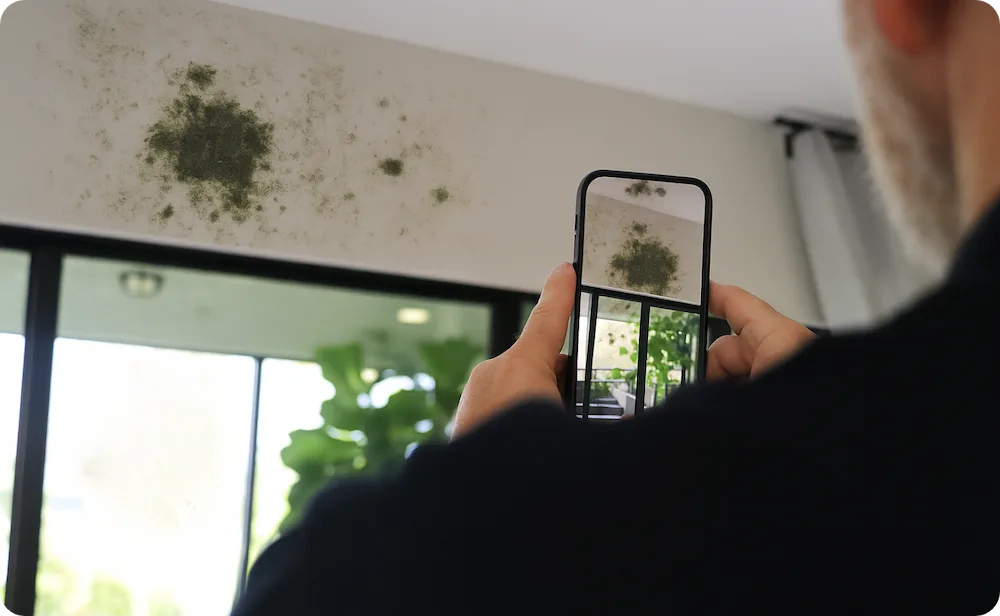
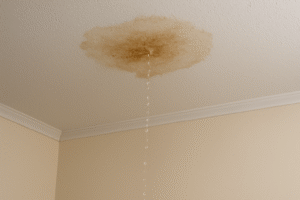
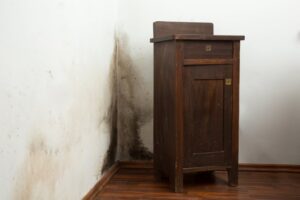
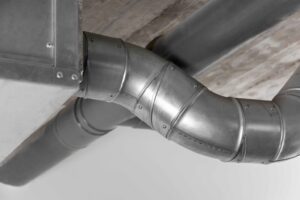
Visible mold may represent only part of the affected area. Growth can also occur behind drywall, beneath flooring, inside cabinets, around HVAC components, or within insulation.
Attempting to scrub or demolish mold-damaged materials without containment can disturb spores and spread dust into unaffected rooms. Painting over mold is also not an effective solution because it leaves both the contamination and the moisture source in place.
Professional remediation is designed to control the work environment while distinguishing between materials that can be cleaned and those that should be removed. The U.S. Environmental Protection Agency explains that the size of the mold problem and the types of affected materials should be evaluated before the remediation method is selected.
Our process begins by evaluating the visible damage and investigating possible moisture sources. Plumbing leaks, roof intrusion, HVAC condensate problems, appliance failures, and previous flooding can all create conditions that support mold growth.
Moisture meters may be used to measure dampness in building materials, while thermal imaging can help identify temperature patterns requiring closer inspection. Thermal cameras do not directly detect mold or water, so findings are confirmed through physical inspection and moisture readings.
Correcting the leak or humidity problem is essential. Mold cleanup cannot be considered complete while materials continue to receive moisture.
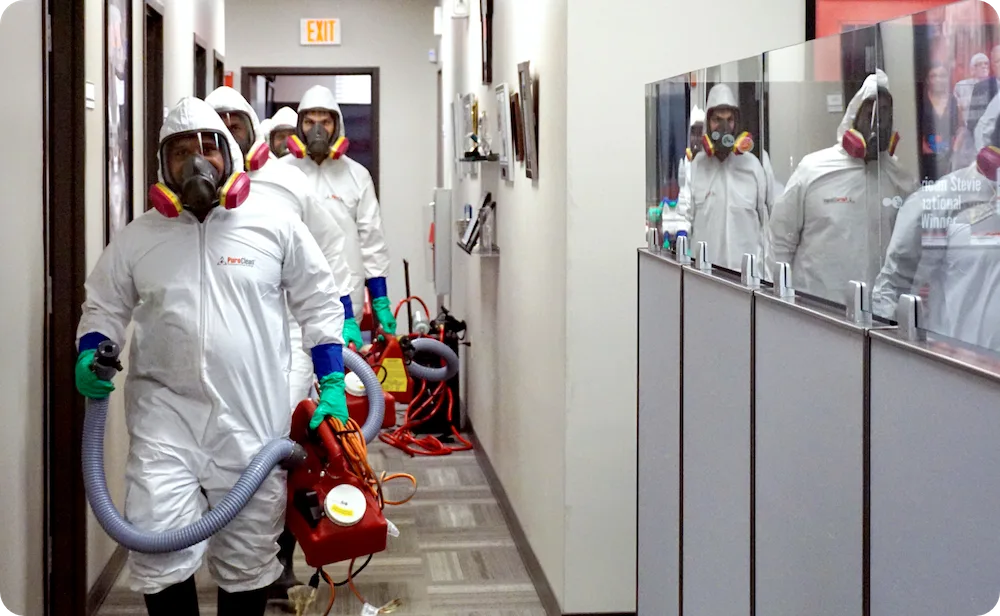
Containment helps separate the remediation area from occupied or unaffected portions of the building. The type of containment used depends on the size and location of the mold growth.
Our mold removal techniques may include:
Larger affected areas generally require more extensive containment because disturbing contaminated materials can release additional particles into the air.
Porous materials can be difficult or impossible to clean completely when mold has grown through them. Depending on their condition, affected drywall, insulation, carpet padding, ceiling tiles, and other absorbent materials may need to be removed.
The EPA notes that moldy porous materials may require disposal when they cannot be adequately cleaned and dried. Hard, nonporous surfaces can often be cleaned using water and detergent, provided the moisture problem has been corrected.
Materials selected for removal are handled carefully, placed in appropriate disposal bags or containers, and transported out of the containment without unnecessarily exposing other areas.
After damaged materials are removed, remaining structural surfaces are cleaned according to their material type and condition. The process may involve damp wiping, controlled abrasion, HEPA vacuuming, or a combination of methods.
HEPA vacuums are especially useful during final cleaning because their filters capture very small particles rather than redistributing them into the work area. EPA guidance recommends HEPA vacuuming after contaminated materials have been removed and the remaining area has been thoroughly dried.
Antimicrobial products may be used when appropriate and permitted by the project scope. However, applying a product alone is not a substitute for physically removing mold-damaged materials and correcting moisture.
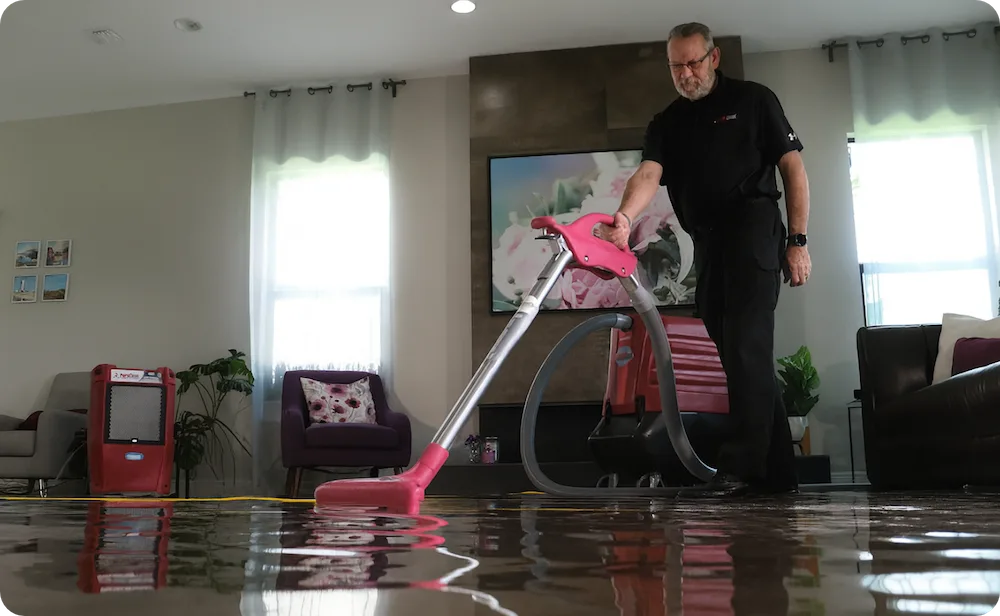
Drying is one of the most important parts of the remediation process. Air movers, dehumidifiers, and targeted drying methods may be used to reduce moisture in structural materials and control indoor humidity.
Technicians monitor materials with moisture meters and compare readings with unaffected reference areas. Reconstruction should not begin while the treated materials remain wet.
Encapsulation may be considered for certain cleaned structural surfaces when specified by the remediation plan. It should not be used to cover active mold, dust, or damp materials.
North East Austin experiences warm temperatures, humid periods, intense thunderstorms, and heavy air-conditioning use. These conditions can contribute to roof leaks, HVAC condensate problems, elevated indoor humidity, and concealed moisture around plumbing systems.
Properties near I-35, US-290, SH-130, and surrounding residential developments also vary considerably in age and construction. Older properties may have aging plumbing or previous water damage, while newer buildings may experience moisture from construction defects, appliance lines, or poorly draining HVAC systems.
Our technicians adapt the remediation approach to the property’s layout, materials, and specific moisture conditions rather than applying the same method to every building.
PuroClean uses a structured process based on inspection, containment, material removal, detailed cleaning, and moisture control. We document affected areas, explain which materials may be restored, and communicate the recommended next steps throughout the project.
Our goal is not to cover visible mold temporarily. We work to remove affected materials and address the conditions contributing to growth so that the property can move toward reconstruction and normal use.
Do not disturb extensive or concealed mold growth without proper equipment and containment. Contact PuroClean of North East Austin at (512) 333-0077 to learn more about our professional mold removal techniques.
Our team will inspect the affected areas, identify moisture concerns, and develop a remediation plan appropriate for your home or commercial property.
What Our Customers Say:
Find answers to common questions about our services
Mold returning after DIY remediation is likely if the underlying moisture problem is not. Professional remediation includes moisture control measures and post-remediation verification to reduce this risk significantly.
A small, contained project may take only a few days, while large-scale contamination can take weeks. The timeline depends on the extent of damage, materials affected, and whether reconstruction is required.
Mold remediation may require partial relocation or temporary closure of affected areas. Containment zones and HEPA air scrubbers minimize disruption, and many properties remain partially usable during the process
Professional technicians at PuroClean of North East Austin use tools such as moisture meters, infrared cameras, and air sampling to detect moisture where mold colonies may be found. Identifying hidden mold is critical, as untreated areas can continue to spread contamination.
Early indicators include musty odors, visible patches of discoloration on walls or ceilings, and unexplained allergy-like symptoms among occupants. Mold may also hide behind wallpaper, under flooring, or inside HVAC systems
Water damage can result from unexpected leaks, flooding from storms, plumbing failures, or appliance malfunctions. Our certified teams focus on rapid water removal, drying, and stabilization to help prevent further damage and mold growth.
 Explore Our Water Damage Mitigation Services
Even after a fire is extinguished, smoke, soot, and odor can continue to affect your home. Fire damage restoration services address visible damage while also helping reduce lingering effects that impact indoor air quality and surfaces.
Explore Our Fire and Smoke Damage Restoration Services
Mold often develops as a result of unresolved moisture or hidden water damage. Professional mold remediation helps identify affected areas, contain growth, and restore healthy indoor conditions.
Explore Our Mold Removal and Remediation Services
Biohazard situations, including crime scene cleanup and virus decontamination, require specialized cleaning and handling to protect health and safety. Biohazard cleanup services address contamination using proper protocols and professional care.
Explore Our Biohazard Cleanup Services
PuroClean provides 24/7 commercial property damage restoration services for businesses and facilities across the United States.
Explore Our Commercial Services
Water damage can result from unexpected leaks, flooding from storms, plumbing failures, or appliance malfunctions. Our certified teams focus on rapid water removal, drying, and stabilization to help prevent further damage and mold growth.
Explore Our Water Damage Mitigation Services

PuroClean of North East Austin
(512) 333-0077
9705 Burnet Road, Austin, TX 78758
© 2026 PuroClean. All Rights Reserved.