


By Gabriela Miszti, CFE, PuroClean of Northeast Orange County
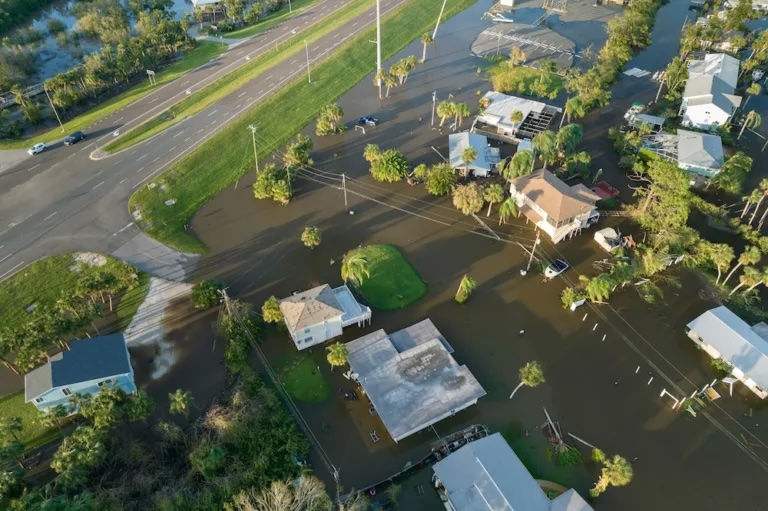
These flash flood facts can help you protect your family and your home. In Southern California, it’s easy to think of flooding as somebody else’s problem. We go months without meaningful rain, hillsides turn gold, and creek beds sit bone dry. Then a winter storm stalls over the Santa Ana Mountains, and quiet streets and canyon roads can turn into fast-moving water in minutes.
This winter deserves extra attention. NOAA’s Climate Prediction Center has issued an El Niño Advisory, and the NOAA winter outlook favors wetter-than-average conditions across the southern U.S., including California. Add recent wildfire burn scars in the canyons above our neighborhoods, and the stakes go up. That makes now a good time to review the flash flood facts that matter most here.
Below are 15 flash flood facts for Northeast Orange County homeowners, each tied to a trusted source, plus practical steps to prepare before the rain and recover after it.
In this guide:
- Flash Flood Facts: How Flash Floods Form in Orange County
- Flash Flood Facts About Burn Scars, Debris Flows, and Local History
- Flash Flood Safety: Moving Water, Roads, and Alerts
- Flash Flood Facts About Damage, Mold, and Insurance
- How to Prepare Your Home Before the Rain
- Frequently Asked Questions
- Flood Damage Restoration in Northeast Orange County
Flash Flood Facts: How Flash Floods Form in Orange County
1. Flash floods can start within minutes, and usually within six hours
The National Weather Service defines a flash flood as a rapid, extreme flow of high water into a normally dry area, beginning within six hours of the event that causes it, such as intense rain. Many start much sooner. NOAA’s National Severe Storms Laboratory notes that flash floods can occur within minutes of heavy rainfall, and the rain that causes them can fall upstream of where the flooding happens. That’s why one of the most important flash flood facts is also the simplest: the sky over your street isn’t a reliable warning sign.
2. Pavement and hard, dry ground send rain straight into the street
Flash floods happen when rain falls faster than the ground can absorb it. In built-out areas, pavement and roofs increase runoff, so intense rain can quickly pond in intersections, low yards, and garages. Long dry spells don’t help. A University of Reading meteorologist explains that parched ground has a hard time absorbing water, so more of a sudden downpour runs off.
3. Atmospheric rivers drive many of Southern California’s biggest floods
Atmospheric rivers are long, narrow bands of moisture that act like rivers in the sky. A USGS-published study found that just 10 to 40 hours of rain deliver more than half of Southern California’s annual rainfall, and atmospheric rivers supply about 68% of the extreme rainfall in the Transverse Ranges. The Fifth National Climate Assessment reports that atmospheric rivers have driven much of the Southwest’s historical flooding and are expected to intensify.
4. El Niño tilts the odds toward a wet 2026–27 winter
As of October 2026, NOAA’s Climate Prediction Center expects a strong to very strong El Niño to continue through January to March 2027. Its winter outlook favors wetter-than-average conditions from California to Florida from December through February. Wetter odds don’t guarantee a flood, but they are a good reason to learn these flash flood facts and prepare now. The County of Orange keeps storm-readiness tips on its El Niño page.
Flash Flood Facts About Burn Scars, Debris Flows, and Local History
5. Wildfire burn scars make flash flooding more likely
Some of the most important flash flood facts for our area involve wildfire. Burned ground tends to repel water, so rain that a healthy hillside would soak up runs straight downhill. The Orange County Sheriff’s Department warns that locations downhill and downstream from burned areas like the 2024 Airport Fire are highly susceptible to flash flooding and debris flows, especially near steep terrain and creek and bridge crossings. If your home also took on smoke during a recent fire, see our wildfire smoke and ash cleanup guide.
6. Burn scar flooding can turn into a debris flow with little warning
Post-fire debris flows can occur with little warning, slam into objects in their path with tremendous force, block drainage, and damage homes. The U.S. Geological Survey maps post-fire debris-flow hazards after major fires. For the Airport Fire burn area, the Sheriff’s Department’s September 2026 update says evacuation planning for Flash Flood Watches and Warnings still covers Trabuco Creek, Bell Canyon, and Hot Springs Canyon. If officials order you to leave, go right away.
7. Our canyons have seen it firsthand: Bond and Silverado, 2021
The 2020 Silverado and Bond fires burned more than 20,000 acres. When storms followed in 2021, post-fire debris flowed into canyon basins and drainage areas, and OC Public Works crews removed more than 28,000 cubic yards of it. In December 2021, Sheriff’s Department evacuation orders covered Silverado, Williams, and Modjeska canyons. This isn’t new: in 1969, days of heavy rain caused major flooding and mudslides in Silverado Canyon, with loss of life.
8. Dry channels and the Santa Ana River can fill fast
The National Weather Service warns that low areas in the West can be dry one minute and filled with rushing water from upstream the next. In 1938, the Santa Ana River flooded parts of Anaheim, Santa Ana, and Garden Grove, reportedly killing more than 50 people. Prado Dam, completed in 1941, has greatly reduced that risk, but OC Public Works still lists areas near channels such as Santiago Creek, Carbon Canyon, and Brea Creek as subject to flooding in severe storms. Never walk, play, or park in a flood channel or dry creek bed when rain is forecast.
Flash Flood Safety: Moving Water, Roads, and Alerts
9. Six inches of moving water can knock you down
These flash flood facts about water depth come from the National Weather Service. Just 6 inches of fast-moving floodwater can knock over an adult, 12 inches can carry away most cars, and 2 feet of rushing water can carry away most SUVs and trucks. Water depth is also hard to judge, and the road under it may be gone. Flash flood safety starts with one simple rule: don’t walk, swim, or drive through floodwater.
10. More than half of flood deaths involve vehicles
The CDC reports that over half of all flood-related drownings happen when a vehicle is driven into hazardous floodwater, as cited by the National Weather Service. A peer-reviewed study of U.S. flood deaths found that 63% of victims whose activity was known were in vehicles. The national numbers behind these flash flood facts are sobering, too. Floods killed an average of 94 people a year over the last 30 years and 118 a year over the last 10, according to the National Weather Service’s weather fatality statistics.
11. Turn around, don’t drown, and know what to do if your car is trapped
Never drive around barricades or onto a flooded road. Find another route, and stay off bridges over fast-moving water, which can wash out without warning. If your car is trapped in rapidly moving water, Ready.gov advises you to stay inside. If water is rising inside the car, get on the roof. Call 9-1-1 as soon as you can.
12. A Flash Flood Watch and a Flash Flood Warning mean different things
A Flash Flood Watch means conditions are favorable for flash flooding, so get ready. A Flash Flood Warning means flash flooding is happening, about to happen, or highly likely, so act now and move to higher ground. Follow NWS San Diego, which covers Orange County and western Riverside County. Sign up for AlertOC in Orange County or Alert RivCo in Riverside County to get local emergency alerts on your phone.
Flash Flood Facts About Damage, Mold, and Insurance
13. One inch of floodwater can cost about $25,000
Flash flood facts aren’t only about safety. They’re also about cost. FEMA estimates that just 1 inch of water in a home can cause about $25,000 in damage. Water wicks into drywall, insulation, flooring, and cabinets, so the damage is often bigger than it looks. Our water damage restoration team uses moisture meters to find wet materials hidden behind walls and under floors.
14. Dry your home within 24 to 48 hours, and treat floodwater as contaminated
One of the most practical flash flood facts is about timing. The EPA advises drying wet materials within 24 to 48 hours to prevent mold growth. Floodwater can be contaminated and contain dangerous debris, so wear boots and gloves, keep children and pets away, and follow the CDC’s flood safety guidance during cleanup. Learn more in our guide to how fast mold grows after water damage, or see our sewage cleanup and sanitization and mold removal services.
15. Homeowners insurance doesn’t cover flood damage
Most homeowners policies don’t cover flooding, so you need a separate flood insurance policy. A National Flood Insurance Program policy usually takes 30 days to take effect. One exception: the wait can be one day for flooding from a wildfire on federal land if you buy within 60 days of containment. And your home doesn’t have to be in a high-risk zone to flood. From 2013 to 2023, about one-third of NFIP flood claims came from outside high-risk flood areas.
How to Prepare Your Home Before the Rain
Flash flood facts only help if you act on them. A little preparation before storm season makes a big difference:
- Clear drains and gutters. Ready.gov recommends decluttering drains and gutters and moving valuables to higher levels.
- Get sandbags early. OC Public Works offers free, empty sandbags from October to April at 2310 N. Glassell St., Orange, for unincorporated Orange County residents. If you live in an incorporated city, ask your city about sandbag locations.
- Plan for burn areas. If you live below a burn scar, follow the County’s post-burn preparation tips and know your evacuation routes.
- Sign up for alerts. Register for AlertOC or Alert RivCo and check NWS San Diego forecasts when storms approach.
- Document your belongings. Photograph your home and belongings now so your insurance claim is easier later.
If water does get in, stay safe first. Turn off the electricity only if it’s safe to do so, and avoid wading through floodwater. Then document the damage and start drying within 24 to 48 hours. Our FAQ on what to do after a flood or water leak walks you through the first steps, and another explains whether a flooded home can be salvaged.
Frequently Asked Questions
What counts as a flash flood?
One of the basic flash flood facts is the definition. A flash flood is a rapid, extreme flow of high water into a normally dry area that begins within six hours of the event that causes it, and often within minutes. According to the National Weather Service, that event is usually intense rain, but a dam failure can also cause one.
What’s the difference between a Flash Flood Watch and a Flash Flood Warning?
A Watch means conditions are favorable for flash flooding, so prepare and stay alert. A Warning means flash flooding is happening, imminent, or highly likely, so move to higher ground right away.
How much moving water is dangerous?
Six inches of fast-moving water can knock over an adult, 12 inches can carry away most cars, and 2 feet can carry away most SUVs and trucks. These flash flood facts come from the National Weather Service. Never walk or drive through floodwater.
What should I do if my car gets caught in floodwater?
If your car is trapped in rapidly moving water, Ready.gov says to stay inside. If water is rising inside the car, get on the roof and call 9-1-1. The best plan is to turn around before you reach the water.
Why are burn scars dangerous after a wildfire?
Burned soil tends to repel water, so rain runs off quickly and can pick up ash, mud, rocks, and trees. Homes downhill and downstream of burn areas, like those below the 2024 Airport Fire, face a higher risk of flash flooding and debris flows.
Will El Niño bring more flooding to Orange County this winter?
NOAA expects a strong to very strong El Niño to continue through early 2027, and its winter outlook favors wetter-than-average conditions across California. That raises the odds of heavy storms, but it doesn’t guarantee flooding. Use the flash flood facts and checklist above to prepare now either way.
Does homeowners insurance cover flood damage?
Usually not. Flood damage typically requires a separate flood insurance policy, and an NFIP policy generally takes 30 days to start. About one-third of NFIP claims from 2013 to 2023 came from outside high-risk flood zones.
How fast should I dry my home after a flood?
Start right away. The EPA recommends drying wet materials within 24 to 48 hours to prevent mold growth. Professional water damage restoration can find hidden moisture and dry your home thoroughly.
Flood Damage Restoration in Northeast Orange County
PuroClean of Northeast Orange County provides 24/7 emergency water damage mitigation, flood cleanup, structural drying and mold remediation for homes and businesses in Anaheim, Orange, Villa Park, Yorba Linda, Corona, Lake Elsinore, Perris and surrounding communities. We work with your insurance company and help you document every step.
We hope these flash flood facts help you stay safe this winter. If you need flood damage restoration in Anaheim or nearby, PuroClean responds promptly and uses modern restoration equipment to protect your home. Explore our restoration services or visit PuroClean of Northeast Orange County to learn more about our local team.
Call us 24/7 at 714-643-2558 or contact PuroClean of Northeast Orange County.