 PuroClean of Northeast Sacramento
 Property Restoration Terminology: Complete Guide
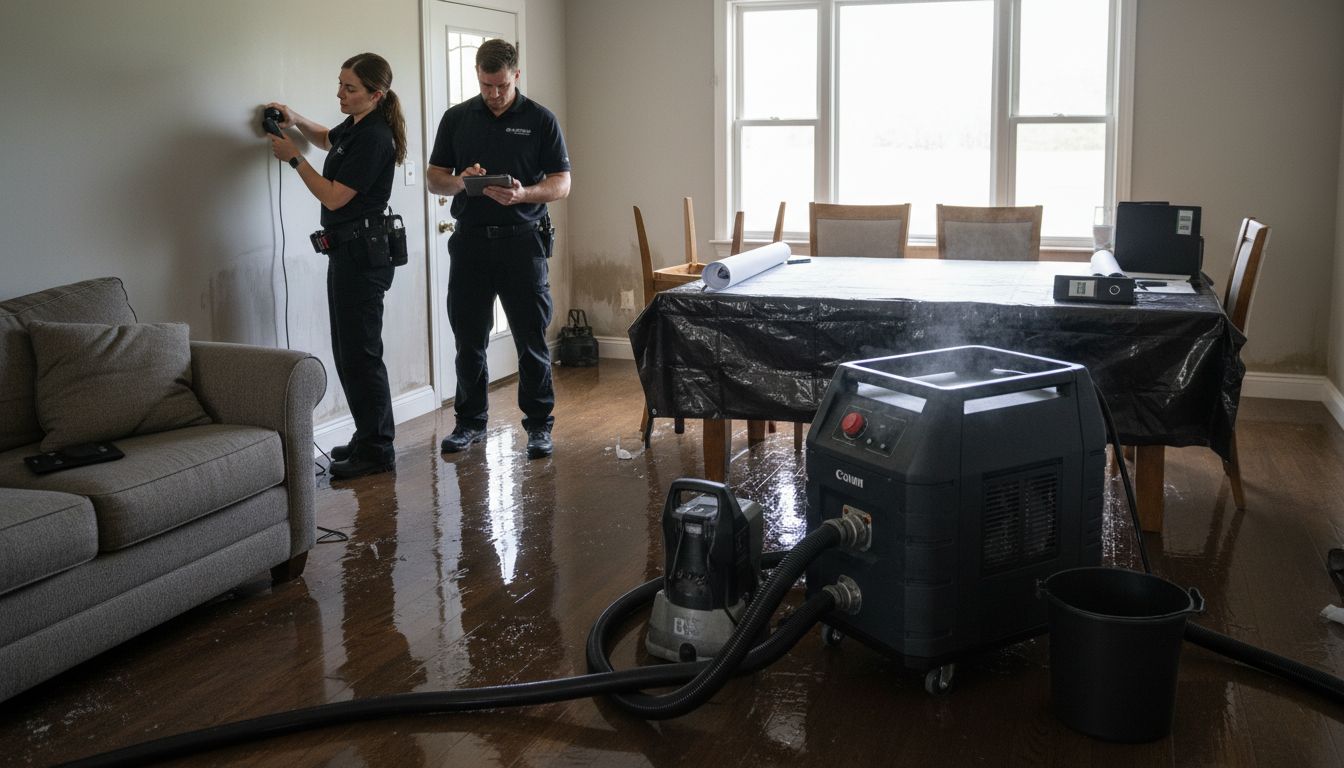
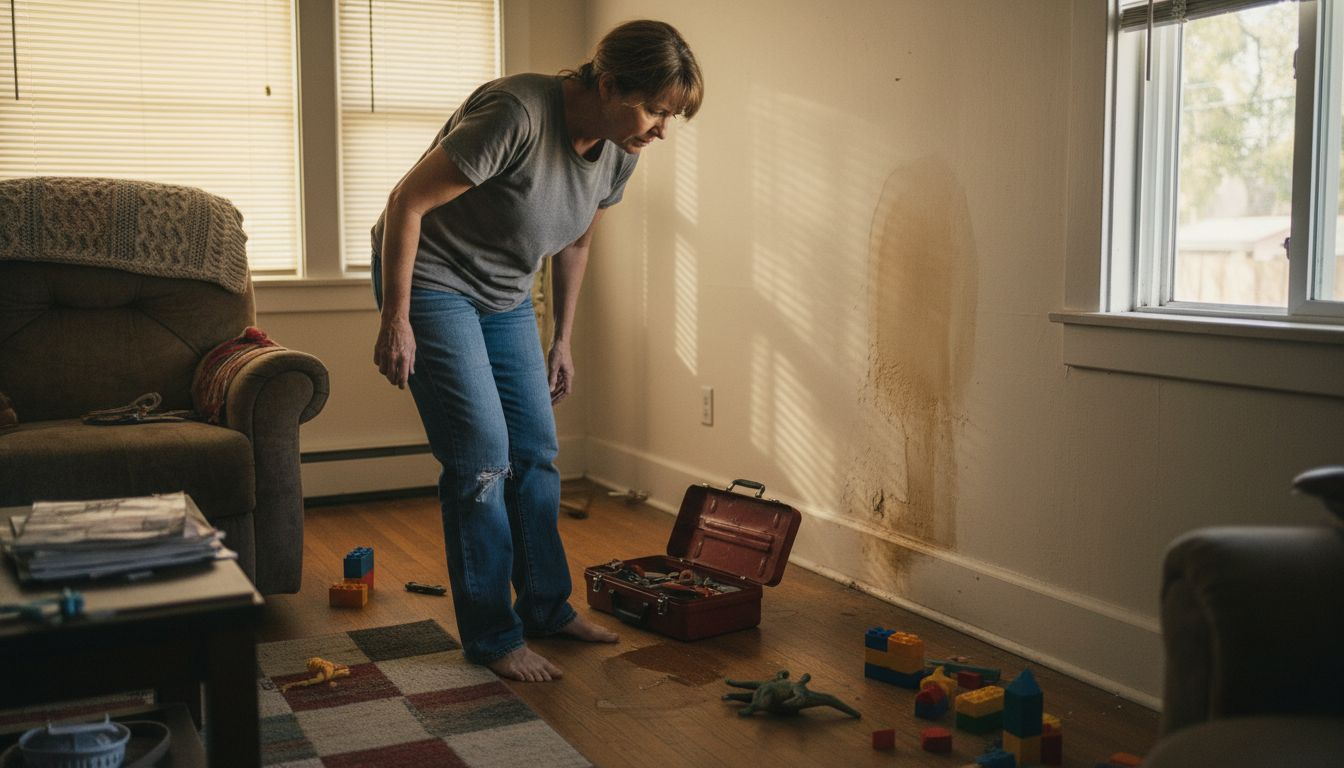
Did you know that property damage costs Americans billions each year, with water and fire alone causing over $12 billion in annual losses? When disaster strikes, understanding proper restoration terminology can make all the difference. Accurate communication between homeowners, insurance companies, and experts relies on a shared language, reducing mistakes and costly delays. Learning these crucial terms helps protect your investment and ensures damaged structures are returned to safe, livable conditions.
Table of Contents
- Defining Property Restoration Terminology
- Core Terms In Water, Fire, And Mold Restoration
- Categories Of Damage And Restoration Processes
- Insurance, Compliance, And Documentation Language
- Common Misconceptions And Usage Errors
Key Takeaways
| Point | Details |
|---|---|
| Specialized Process | Property restoration involves returning damaged structures to their pre-damage state through comprehensive evaluation and strategic interventions. |
| Terminology Importance | Understanding key terms in restoration, such as mitigation and extraction, is crucial for effective communication among professionals and property owners. |
| Document and Compliance | Precise documentation of damage and restoration processes is essential for insurance claims and compliance with regulatory requirements. |
| Misconceptions to Avoid | Common myths about mold and damage restoration can lead to ineffective strategies and increased costs; professional assessment is vital for successful recovery. |
Defining Property Restoration Terminology
Property restoration represents a specialized process of returning damaged buildings or structures to their original condition following destructive events like water damage, fire, or natural disasters. According to the National Park Service, restoration involves “accurately depicting the form, features, and character of a property as it appeared at a particular period of time” through precise reconstruction and strategic removal of damaged elements.
At its core, property restoration encompasses several critical stages that transform a compromised structure back to functional and safe conditions. These stages typically include:
- Damage Assessment: Comprehensive evaluation of structural and material damages
- Mitigation: Immediate steps to prevent further deterioration
- Cleanup: Removing debris, contaminants, and damaged materials
- Repair: Reconstructing and replacing compromised structural components
- Restoration: Returning the property to its pre-damage state
Professional restoration requires specialized knowledge across multiple domains, including construction, water damage remediation, structural engineering, and safety protocols.
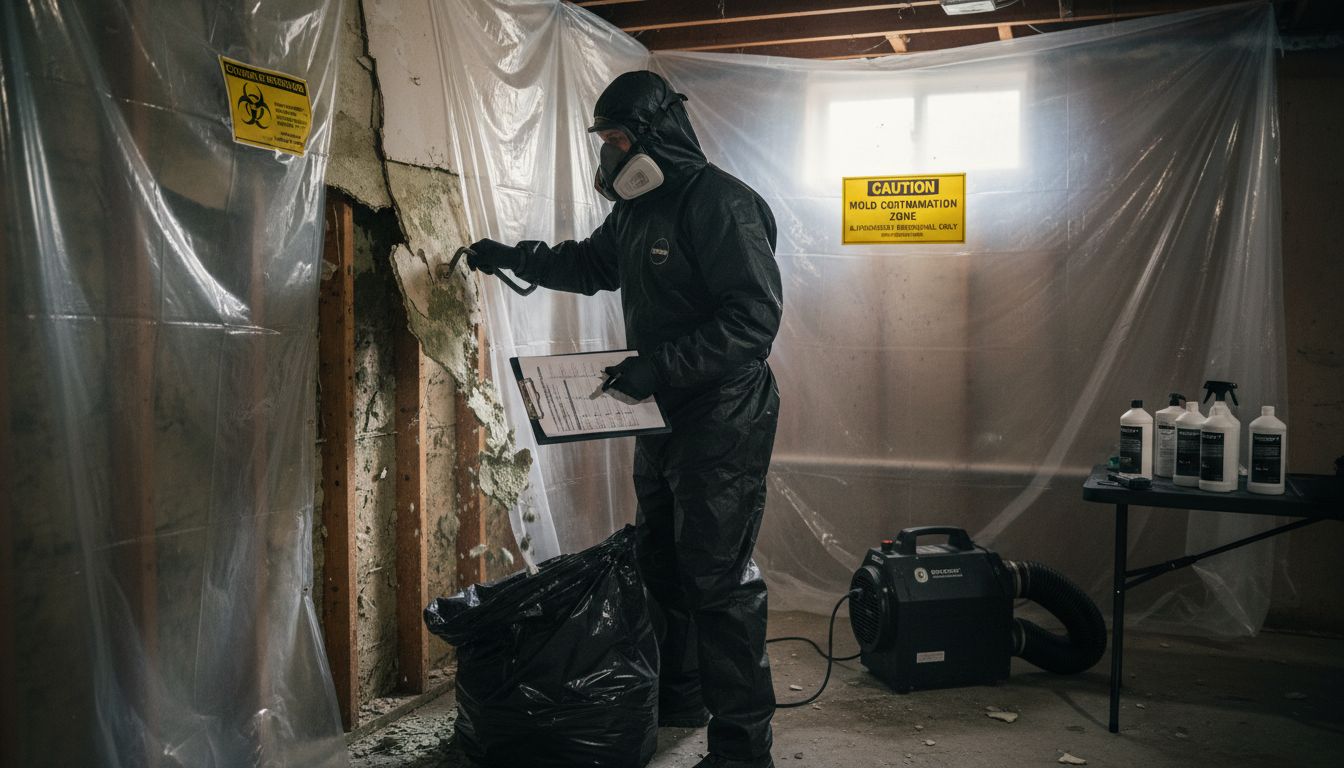 Professionals addressing property restoration challenges must understand complex interactions between different materials, environmental conditions, and potential long-term structural implications. This multifaceted approach ensures not just cosmetic repairs, but comprehensive rehabilitation that protects the property’s integrity and inhabitants’ safety.
Core Terms in Water, Fire, and Mold Restoration
Property restoration professionals utilize a specialized vocabulary to describe damage assessment, mitigation, and recovery processes. According to the Diamond Certified restoration glossary, key terms encompass specific technical definitions that help communicate the complexity of damage restoration work across water, fire, and mold-related scenarios.
In water damage restoration, critical terminology includes:
- Mitigation: Immediate emergency steps to prevent further water damage
- Extraction: Removing standing water from affected areas
- Dehumidification: Reducing moisture levels to prevent secondary damage
- Structural Drying: Comprehensive process of removing moisture from building materials
Fire and mold restoration introduce additional specialized terms. Understanding the intricate relationship between fire damage and potential mold growth becomes crucial for comprehensive property recovery. The Environmental Protection Agency (EPA) highlights several important mold-related definitions, including:
- Mycotoxin: Toxic compounds produced by certain mold species
- Biocide: Chemical agents designed to destroy microorganisms
- Spore: Microscopic reproductive unit that enables mold reproduction and spread
These technical terms provide restoration professionals with a precise language to assess, communicate, and execute complex property recovery strategies, ensuring thorough and effective restoration processes.
Here’s a comparison of restoration terminology across water, fire, and mold damage:
| Term | Water Damage | Fire Damage | Mold Remediation |
|---|---|---|---|
| Mitigation | Prevent further water | Secure site, limit smoke spread | Isolate contaminated areas |
| Assessment | Moisture mapping | Damage, smoke, soot analysis | Mold and moisture survey |
| Extraction | Pump/remove water | N/A | N/A |
| Dehumidification | Drying structures | Humidity control post-extinguish | Reduce moisture to inhibit mold |
| Cleanup | Remove debris, water | Soot and smoke removal | Clean with biocide/detergents |
| Repair | Replace water-damaged | Rebuild burned structures | Remove contaminated drywall |
| Restoration | Restore property | Final repairs & odor removal | Restore healthy environment |
Categories of Damage and Restoration Processes
Property damage restoration encompasses multiple categories, each requiring specialized approaches to effectively mitigate and repair structural and environmental impacts. These categories range from water and fire damage to mold contamination, each presenting unique challenges that demand precise intervention strategies.
Water damage restoration involves several critical subcategories:
- Category 1: Clean water damage from sanitary sources like broken pipes
- Category 2: Gray water damage involving potential chemical or biological contamination
- Category 3: Black water damage with significant health hazards from sewage or flood waters
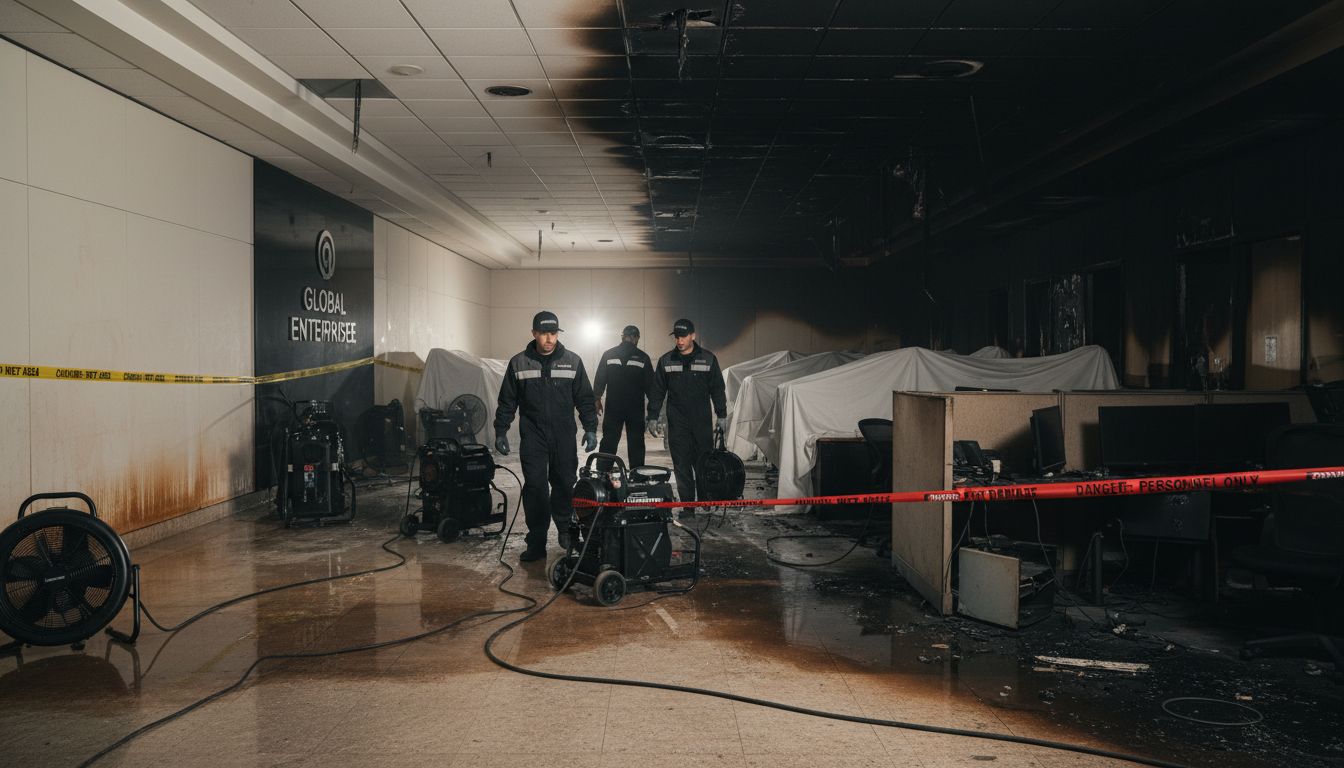
Fire damage restoration processes typically follow a structured approach addressing smoke, structural damage, and secondary contamination. According to industry standards, these processes include initial damage assessment, debris removal, smoke and soot cleaning, structural repair, and final restoration.
Mold remediation requires a comprehensive approach focused on moisture control and thorough cleaning. The Environmental Protection Agency emphasizes that successful mold restoration depends on:
- Identifying and eliminating moisture sources
- Removing contaminated materials
- Cleaning surfaces with specialized detergents
- Preventing future growth through structural modifications
Each damage category demands a nuanced understanding of material interactions, potential health risks, and precise technical interventions to ensure complete property recovery and safety.
Insurance, Compliance, and Documentation Language
Property restoration involves complex interactions between insurance providers, regulatory agencies, and property owners, requiring precise documentation and compliance protocols. Insurance documentation serves as the critical bridge between damage assessment, restoration processes, and financial recovery.
Key documentation requirements typically include:
- Damage Inventory: Comprehensive list of damaged items and structures
- Photographic Evidence: Detailed visual documentation of damage progression
- Restoration Estimates: Itemized cost breakdown of proposed restoration work
- Mitigation Logs: Chronological record of emergency intervention steps
Navigating the intricate landscape of insurance claims demands meticulous attention to specific terminological and procedural standards. According to FEMA’s Public Assistance Program guidelines, documentation must definitively demonstrate that damage was not a result of poor maintenance and occurred from unexpected events.
Compliance language in restoration documentation requires precise technical descriptions that align with insurance industry standards. This includes:
- Exact moisture content measurements
- Specific classifications of water or fire damage
- Detailed explanations of remediation techniques
- Professional certifications of restoration professionals
Ultimately, successful property restoration hinges on clear communication, comprehensive documentation, and strict adherence to regulatory and insurance compliance requirements.
Common Misconceptions and Usage Errors
Property restoration terminology is frequently misunderstood, leading to critical errors in damage assessment and recovery processes. Many property owners and even some professionals inadvertently perpetuate myths that can compromise effective restoration strategies.
One of the most prevalent misconceptions involves mold remediation. The Environmental Protection Agency (EPA) explicitly warns against several common errors:
- Painting Over Mold: Believing that painting can cover or eliminate mold growth
- DIY Complete Removal: Assuming all mold can be easily removed without professional intervention
- Moisture Ignorance: Failing to address underlying moisture sources
- Universal Treatment: Thinking all mold types can be treated identically
Misunderstandings about fire and water damage restoration often lead to secondary damage and increased restoration costs. Property owners frequently make critical errors such as:
- Delaying professional assessment
- Attempting unauthorized structural repairs
- Inadequate documentation for insurance claims
- Underestimating the complexity of damage restoration
These misconceptions can transform what might have been a manageable restoration project into a significantly more expensive and time-consuming process. Professional restoration requires specialized knowledge, precise technical interventions, and a comprehensive understanding of damage progression and mitigation strategies.
Understand Property Restoration Terminology and Act with Confidence
Property damage can be overwhelming, especially when complex terms like mitigation, dehumidification, or mycotoxins feel confusing. This guide helps you grasp the key vocabulary needed to make informed decisions during water, fire, or mold emergencies. At PuroClean of Northeast Sacramento, we recognize how important it is to not only explain these terms but also provide fast, professional restoration that addresses every detail of your property’s recovery.
Don’t let uncertainty delay your healing process. Our certified team offers 24/7 emergency response, expert insurance assistance, and the latest restorative technology to ensure your home or business returns to its healthy, safe condition. Learn more about our comprehensive fire and smoke restoration, water damage remediation, and mold removal services, all backed by compassionate care.
When disaster strikes, knowing the terminology is just the first step. Take action now by contacting PuroClean of Northeast Sacramento. Let our experience and clear communication guide you through a seamless restoration journey where your property and peace of mind are our top priorities.
Frequently Asked Questions
What is property restoration?
Property restoration is the specialized process of returning damaged buildings or structures to their original condition after events like water damage, fire, or natural disasters.
What are the stages of property restoration?
The stages of property restoration typically include damage assessment, mitigation, cleanup, repair, and final restoration to return the property to its pre-damage state.
What key terms are associated with water damage restoration?
Key terms in water damage restoration include mitigation, extraction, dehumidification, and structural drying, all of which are critical for effective recovery.
How does mold remediation differ from water and fire restoration?
Mold remediation focuses on controlling moisture, removing contaminated materials, and cleaning surfaces, while water and fire restoration address structural damage and contaminants related to water and fire incidents.
Recommended
Coffee Machine Rebuild Workflow for Reliable Restoration – Coffee Sensor
Call A Professional – PuroClean of Alexandria
Common Misconceptions about Mitigation and Restoration – PuroClean of Alexandria
Property Restoration for Insurance Agents in Walnut Creek, CA
 PuroClean of Northeast Sacramento