


Restoration Process Step by Step: Complete Guide
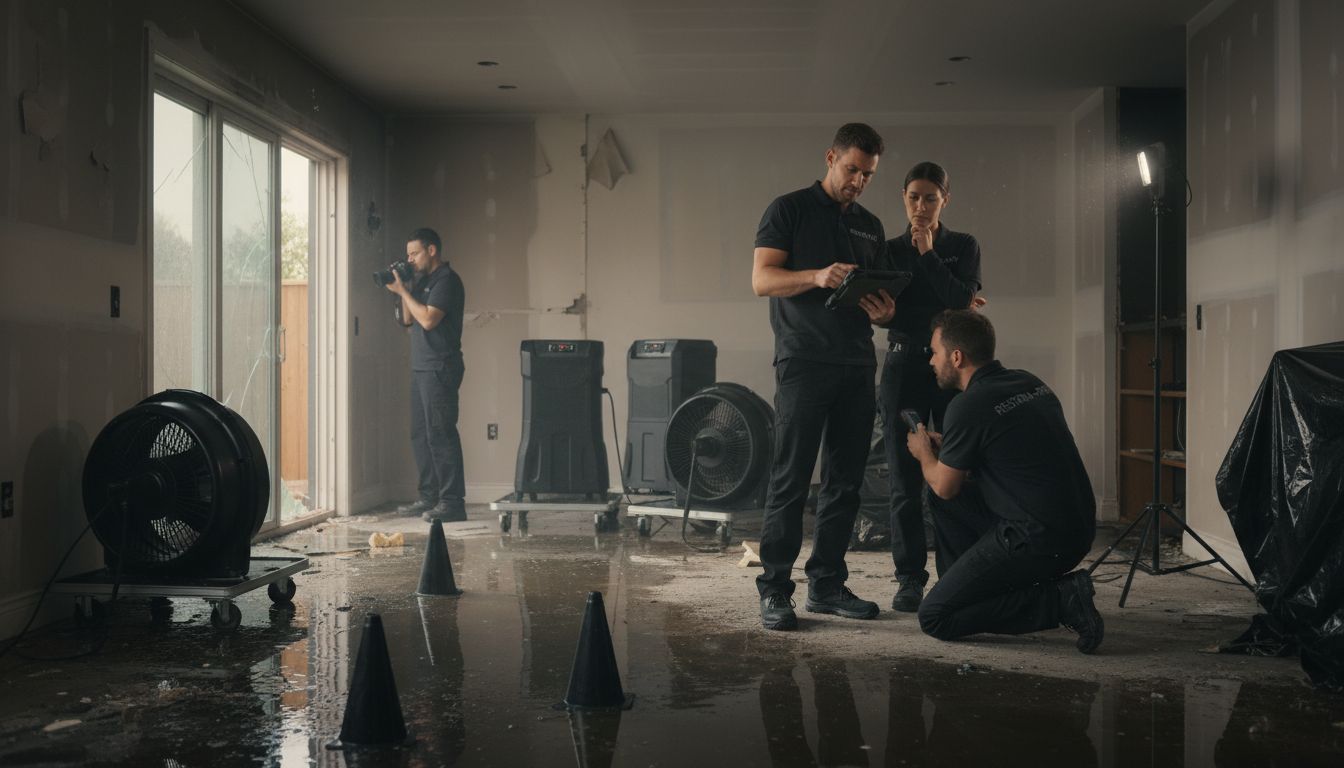
More than 14 million american homes experience property damage every year, with water, fire, and storms causing widespread disruption. The aftermath often leaves families overwhelmed by uncertainty as they face the reality of repairing or rebuilding their spaces. By understanding each step of the restoration process, property owners gain clarity and control, making it possible to approach recovery with confidence and avoid costly mistakes.
Table of Contents
- Defining The Restoration Process Step By Step
- Types Of Property Damage Restoration Services
- Detailed Breakdown Of Each Restoration Phase
- Insurance Claims And Documentation Requirements
- Costs, Timelines, And Common Pitfalls To Avoid
Key Takeaways
| Point | Details |
|---|---|
| Comprehensive Restoration Process | Restoration involves interconnected phases such as initial assessment, mitigation, cleanup, repair, and reconstruction. Each phase requires specialized skills and equipment to effectively restore properties. |
| Emergency Response Importance | Rapid response within 24-48 hours is crucial to mitigate further damage and minimize long-term risks to structural integrity and occupant safety. |
| Insurance Documentation | Detailed documentation, including photographs and written reports, is essential for successful insurance claims and should closely follow the restoration process. |
| Understanding Costs and Timelines | Restoration costs can vary widely and require careful planning to avoid common pitfalls such as inadequate documentation and delayed assessments. |
Defining the Restoration Process Step by Step
Property restoration is a comprehensive process that transforms damaged spaces back to their original condition, protecting both structural integrity and occupant safety. According to FEMA, successful restoration requires strategic planning and coordinated implementation across multiple critical phases.
The restoration journey typically involves several interconnected stages designed to systematically address different types of property damage. These stages generally include initial assessment, mitigation, cleanup, repair, and reconstruction. Each stage demands specialized skills, professional equipment, and a methodical approach to effectively restore properties impacted by water, fire, mold, or biohazard incidents.
Key components of a professional restoration process include:
- Rapid emergency response within 24-48 hours
- Detailed damage documentation for insurance purposes
- Advanced moisture detection and removal techniques
- Comprehensive structural and content evaluation
- Strategic drying and dehumidification strategies
- Safe disposal of contaminated materials
- Thorough sanitization and restoration protocols
Professional restoration teams understand that every minute counts when addressing property damage. By implementing a structured, scientifically-backed approach, they can minimize long-term structural risks, prevent secondary damage, and help property owners navigate the complex recovery landscape swiftly and effectively.
Types of Property Damage Restoration Services
Property damage restoration encompasses a wide range of specialized services designed to address different types of environmental and structural challenges. Wikipedia’s cultural property conservation research highlights the complexity of restoration work, which extends far beyond simple repairs and involves comprehensive assessment, documentation, and strategic intervention.
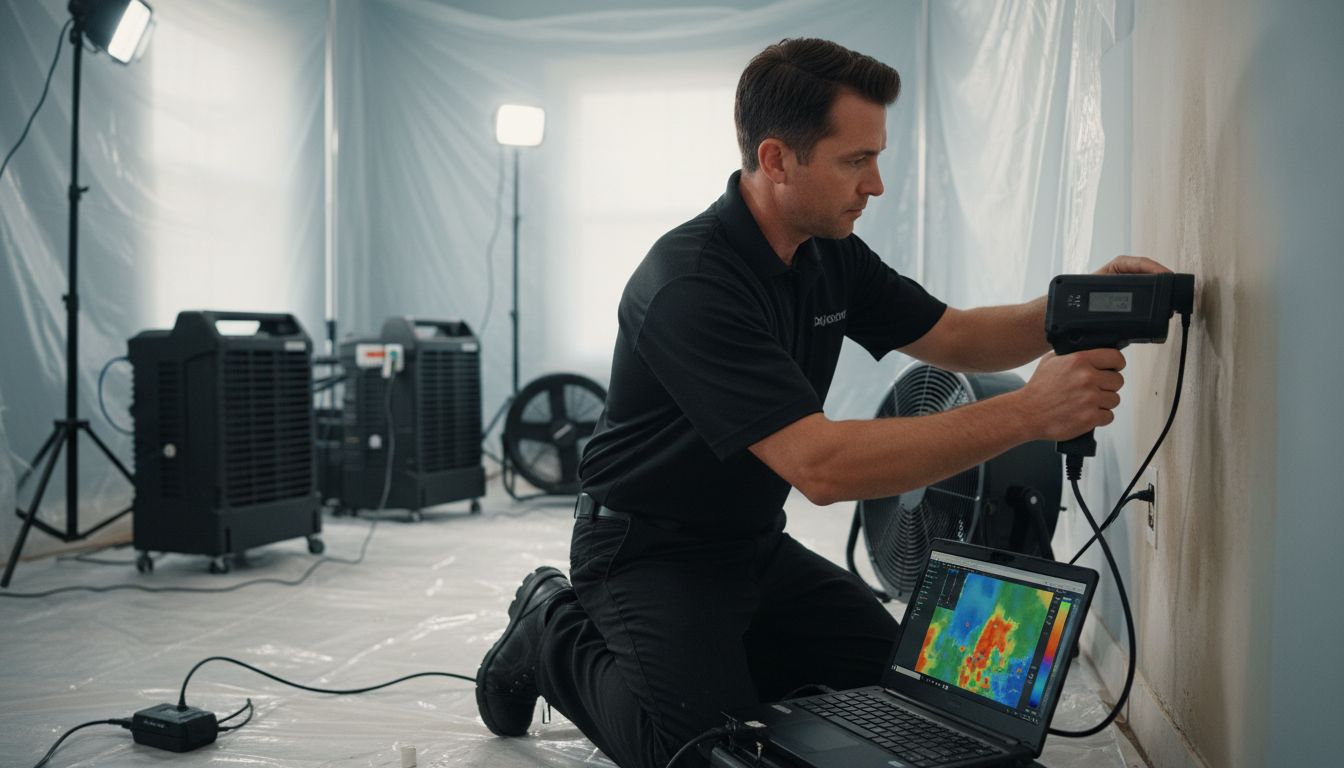
Water Damage Restoration represents one of the most critical services, addressing issues from minor leaks to catastrophic flooding. This process involves water extraction, structural drying, moisture mapping, mold prevention, and comprehensive sanitization. Technicians use advanced equipment like industrial dehumidifiers, infrared cameras, and moisture meters to detect hidden water damage and prevent long-term structural deterioration.
Other primary restoration service categories include:
- Fire and Smoke Damage Restoration: Addressing structural charring, smoke residue, soot removal, and odor neutralization
- Mold Remediation: Identifying, containing, and removing toxic mold growth while preventing future contamination
- Biohazard Cleanup: Safely managing and sanitizing areas exposed to potentially dangerous biological materials
- Storm and Wind Damage Restoration: Repairing structural damage, roof repairs, and preventing secondary water intrusion
According to disaster preparedness research, effective restoration goes beyond immediate repair. Professional teams develop comprehensive strategies that not only restore properties but also implement preventive measures to minimize future damage risks. Each restoration service requires specialized training, advanced technological tools, and a systematic approach to return properties to their pre-damage condition safely and efficiently.
Detailed Breakdown of Each Restoration Phase
According to FEMA’s restoration guide, successful property restoration involves a strategic, multi-phase approach that systematically addresses complex damage scenarios. The restoration process is not a one-size-fits-all solution but a carefully orchestrated series of interconnected stages designed to comprehensively rehabilitate damaged properties.
Initial Assessment Phase represents the critical first step in the restoration journey. Trained professionals conduct comprehensive damage evaluations using advanced diagnostic tools like moisture meters, infrared cameras, and structural integrity scanners. This phase involves documenting damage extent, identifying potential safety risks, and developing a customized restoration strategy tailored to specific property conditions.
Key restoration phases typically include:
- Emergency Mitigation: Immediate actions to prevent further damage
- Damage Documentation: Detailed photographic and written documentation for insurance purposes
- Water Extraction and Drying: Removing moisture and preventing secondary damage
- Structural Cleaning and Sanitization: Thorough cleaning of affected areas
- Repair and Reconstruction: Restoring property to pre-damage condition
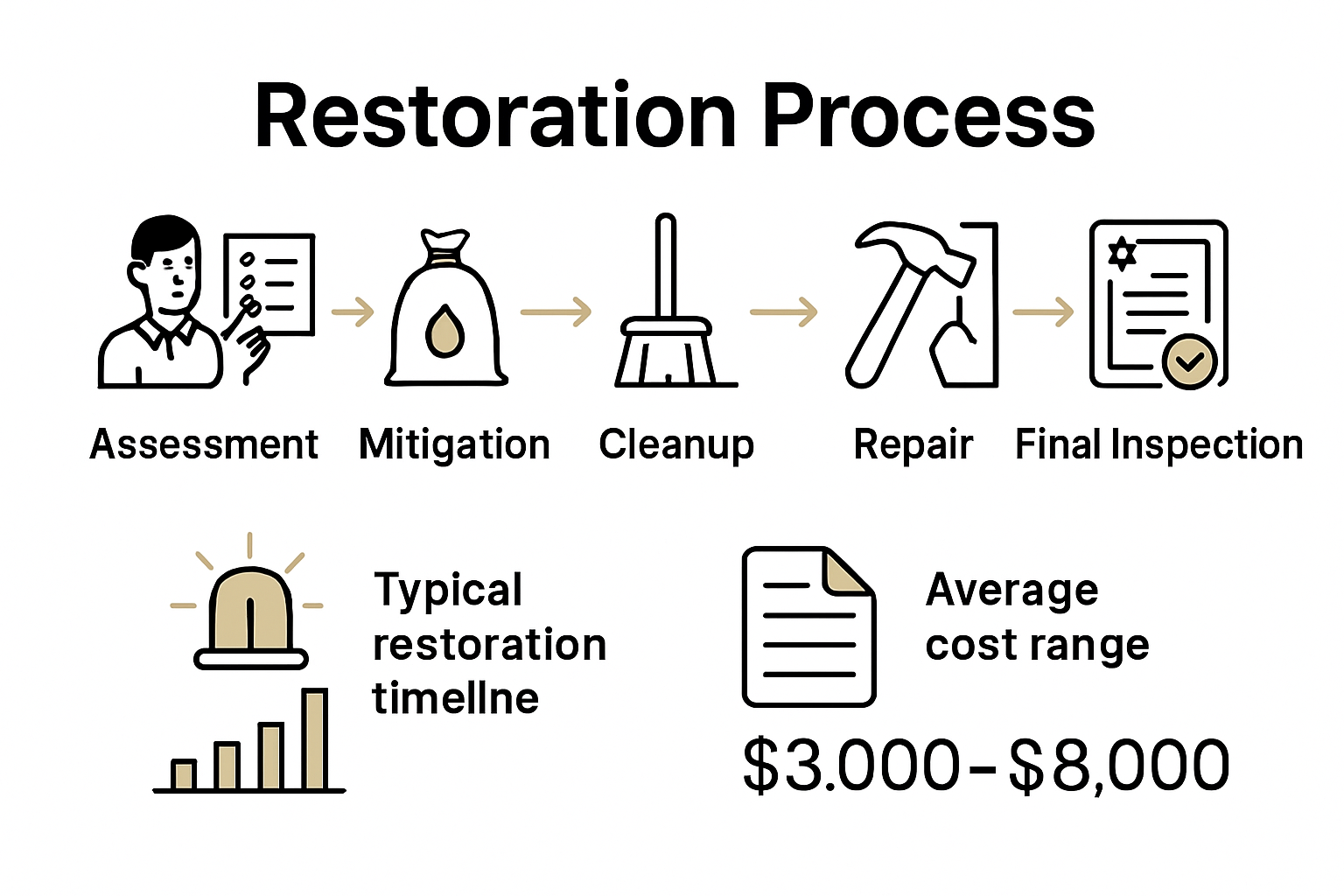
- Final Inspection: Comprehensive quality assurance review
The final restoration phase focuses on complete property recovery. Professionals not only repair visible damage but also implement preventive measures to minimize future risks. This holistic approach ensures that properties are not just restored, but fortified against potential future environmental challenges, protecting both structural integrity and occupant safety.
Insurance Claims and Documentation Requirements
Navigation through the insurance claims process requires meticulous attention to detail and comprehensive documentation. CRC Group’s claim preparation guidelines emphasize the critical importance of creating a thorough, well-organized record that substantiates every aspect of property damage and subsequent restoration efforts.
Evidence Collection stands as the cornerstone of a successful insurance claim. Property owners must systematically document damage through high-resolution photographs, detailed written descriptions, and comprehensive inventories of affected items. This visual and written evidence serves as crucial documentation that supports the restoration professional’s assessment and substantiates the claim’s financial requirements.
Key documentation requirements include:
- Immediate photographic evidence of damage
- Comprehensive written damage reports
- Itemized lists of damaged property
- Professional restoration expert assessments
- Receipts for emergency mitigation expenses
- Repair and replacement cost estimates
- Proof of pre-existing property condition
According to restoration industry insights, effective communication with insurance adjusters can significantly streamline the claims process. Restoration professionals must provide clear, concise documentation that demonstrates the necessity of proposed repairs, the extent of damage, and the precise scope of restoration work required to return the property to its pre-damage condition.
Costs, Timelines, and Common Pitfalls to Avoid
Navigation of restoration costs and timelines requires strategic planning and proactive management. FEMA’s restoration and recovery guide emphasizes the critical importance of understanding potential financial implications and developing realistic expectations for property recovery projects.
Cost Variables significantly impact the overall restoration timeline and budget. Restoration expenses can range from $1,500 to $75,000 depending on damage severity, property size, and specific restoration requirements. Factors influencing costs include extent of structural damage, type of materials involved, necessary equipment, professional labor, and potential secondary damage mitigation.
Common pitfalls property owners should avoid include:
- Delaying initial damage assessment
- Inadequate documentation of restoration processes
- Attempting DIY repairs without professional guidance
- Failing to understand insurance policy coverage details
- Overlooking potential long-term structural risks
- Neglecting preventative maintenance strategies
- Accepting incomplete or substandard restoration work
According to restoration industry insights, successful restoration projects demand meticulous planning, transparent communication, and a comprehensive understanding of potential challenges. Property owners should prioritize working with certified restoration professionals who can provide detailed cost estimates, realistic timelines, and strategic approaches to minimizing overall restoration expenses while ensuring comprehensive property recovery.
Restore Your Property with Confidence and Speed
Property damage can feel overwhelming when faced with complicated restoration steps like damage assessment, water extraction, or insurance documentation. The detailed guide you just read highlights key challenges such as preventing secondary damage, documenting losses for claims, and implementing thorough sanitization. These are exactly the hurdles that demand professional expertise and rapid action to protect your home or business from extended harm.
At PuroClean of Northeast Sacramento, we understand the urgency and complexity of restoration. Our emergency response team is available 24/7 to handle water damage, fire and smoke restoration, mold remediation, and biohazard cleanup using advanced technology and industry-certified methods. We help you navigate every phase from initial assessment through final inspection while providing clear documentation to ease your insurance claims process.
Don’t let hidden moisture or unchecked damage destroy your property’s value. Visit PuroClean of Northeast Sacramento now to get immediate professional help and secure a smooth, comprehensive restoration journey. Act early to minimize costs, prevent health risks, and restore your peace of mind with trusted experts on your side.
Frequently Asked Questions
What are the main phases of the property restoration process?
The main phases of the property restoration process include initial assessment, mitigation, cleanup, repair, and reconstruction. Each phase is crucial for ensuring comprehensive recovery from damage.
How soon should I contact a restoration professional after property damage?
You should contact a restoration professional within 24-48 hours after property damage occurs to minimize long-term risks and prevent secondary damage.
What documentation is needed for an insurance claim related to property restoration?
Required documentation includes immediate photographic evidence of damage, comprehensive written damage reports, itemized lists of damaged property, professional restoration assessments, and cost estimates for repairs.
How can I prevent future damage after my property has been restored?
Prevent future damage by implementing regular maintenance strategies, conducting thorough inspections, and addressing any underlying issues that may have contributed to previous damage.
Recommended
Flood Restoration Explained: Complete Property Recovery – PuroClean of Northeast Sacramento
Fire Restoration Process: What to Expect from Assessment to Final Cleanup
Fire Damage Restoration Explained: Complete Process Guide – PuroClean of Northeast Sacramento