


Why Document Water Damage: Essential Guide
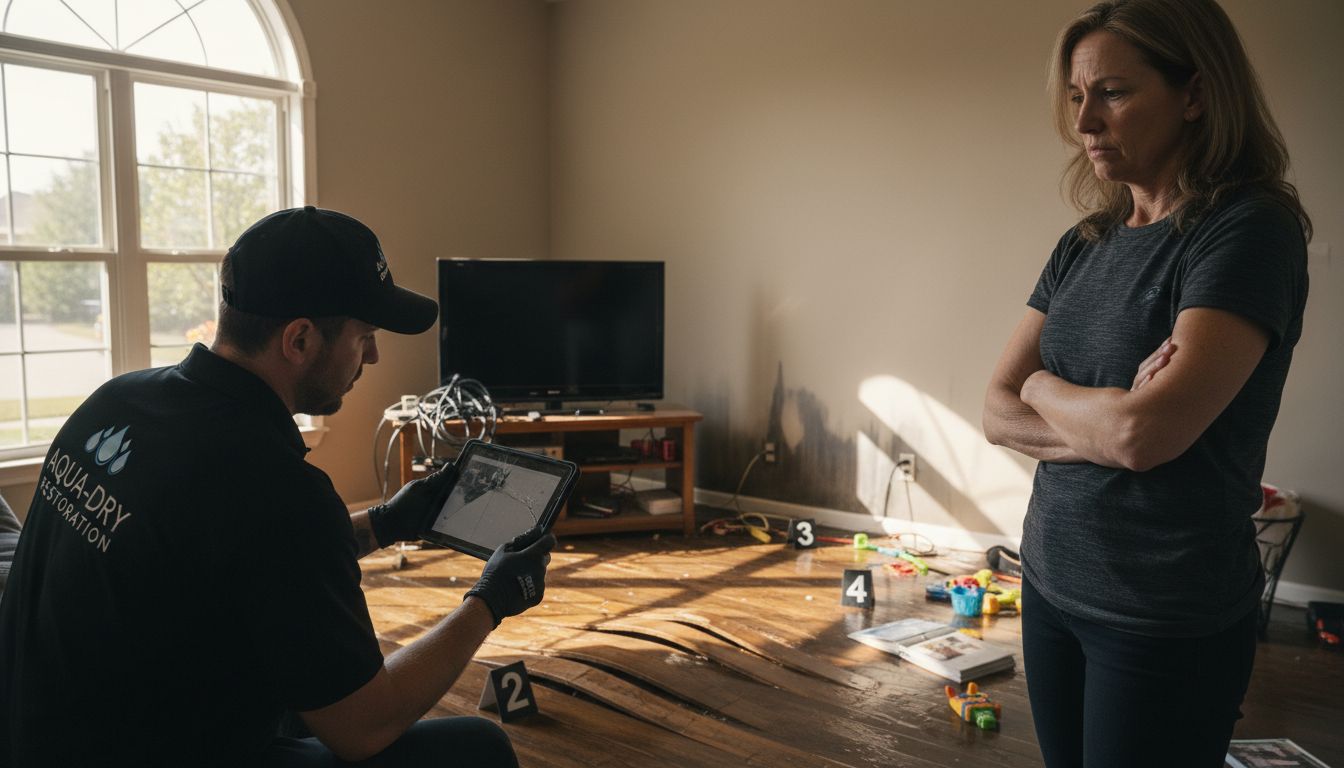
Floods and leaks can destroy priceless belongings in american homes, yet only about one in four homeowners have proper documentation ready for insurance claims after water damage strikes. When water invades a property, the stress of cleanup is just the beginning. Accurate records can mean the difference between a denied claim and full financial recovery. This guide explains how thorough documentation supports american homeowners facing water-related disasters and shows the key steps to safeguard your rights and your property.
Table of Contents
- What Documenting Water Damage Means
- Types Of Water Damage To Record
- How Documentation Supports Insurance Claims
- Legal And Safety Documentation Requirements
- Mitigation And Restoration Documentation Benefits
Key Takeaways
| Point | Details |
|---|---|
| Document Water Damage | Documenting water damage involves capturing evidence through photos, videos, and detailed inventories, which aids in insurance claims and restoration processes. |
| Categorize Water Damage | Understanding the types of water damage, such as clean, gray, and black water, is essential for proper documentation and remediation. |
| Support Insurance Claims | Thorough documentation serves as key evidence for insurance claims, facilitating fair compensation for property losses. |
| Legal and Safety Records | Maintaining comprehensive records helps protect property owners from legal complications and ensures compliance with insurance requirements. |
What Documenting Water Damage Means
Documenting water damage is a systematic process of recording and preserving evidence of property destruction caused by water intrusion, flooding, or moisture-related incidents. According to FEMA, this critical practice involves creating a comprehensive record that supports insurance claims and aids in recovery efforts. Think of it like building a visual and written roadmap of the damage for insurance adjusters and restoration professionals.
The documentation process typically involves several key activities. As recommended by FloodSmart, homeowners should capture clear photographic and video evidence of damaged areas and items. This means taking high-resolution images that clearly show:
- Structural damage to walls, floors, and ceilings
- Water levels and moisture penetration zones
- Damaged personal property and electronics
- Serial numbers of affected appliances
- Visual signs of water intrusion like stains, warping, or mold
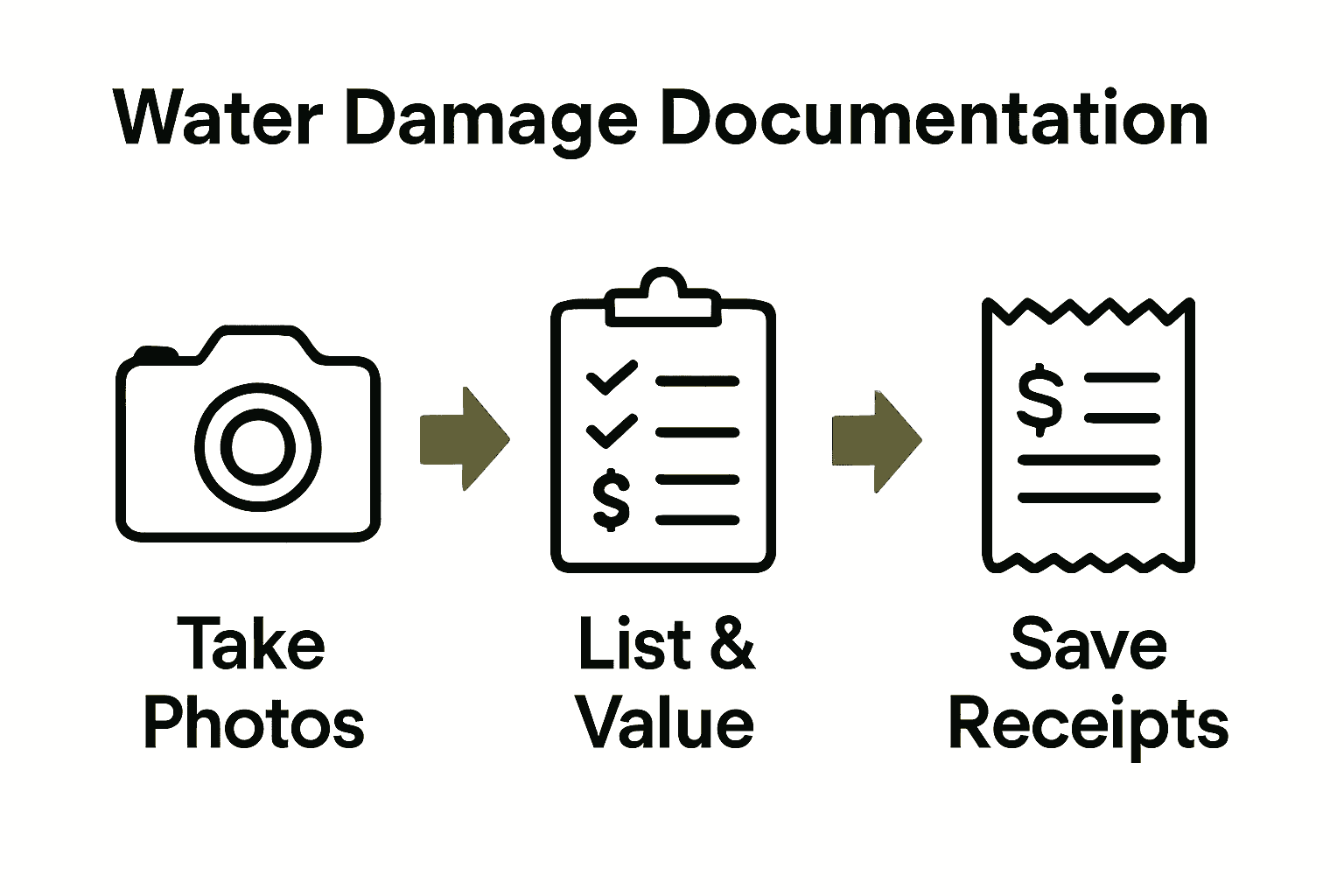
Proper documentation goes beyond just taking pictures. It requires methodical record-keeping that can help expedite insurance claims and restoration processes. How to Save Water Damaged Collections (Photos, Books, and Documents) offers additional insights into preserving important documents during water damage scenarios. Professional restoration experts recommend creating a detailed inventory that includes dates, descriptions, estimated value of damaged items, and potential repair or replacement costs.
The ultimate goal of documenting water damage is to create a comprehensive, organized record that provides clear evidence of the extent and impact of water-related destruction. By following systematic documentation practices, property owners can protect their financial interests, support insurance claims, and facilitate more efficient restoration efforts.
Types Of Water Damage To Record
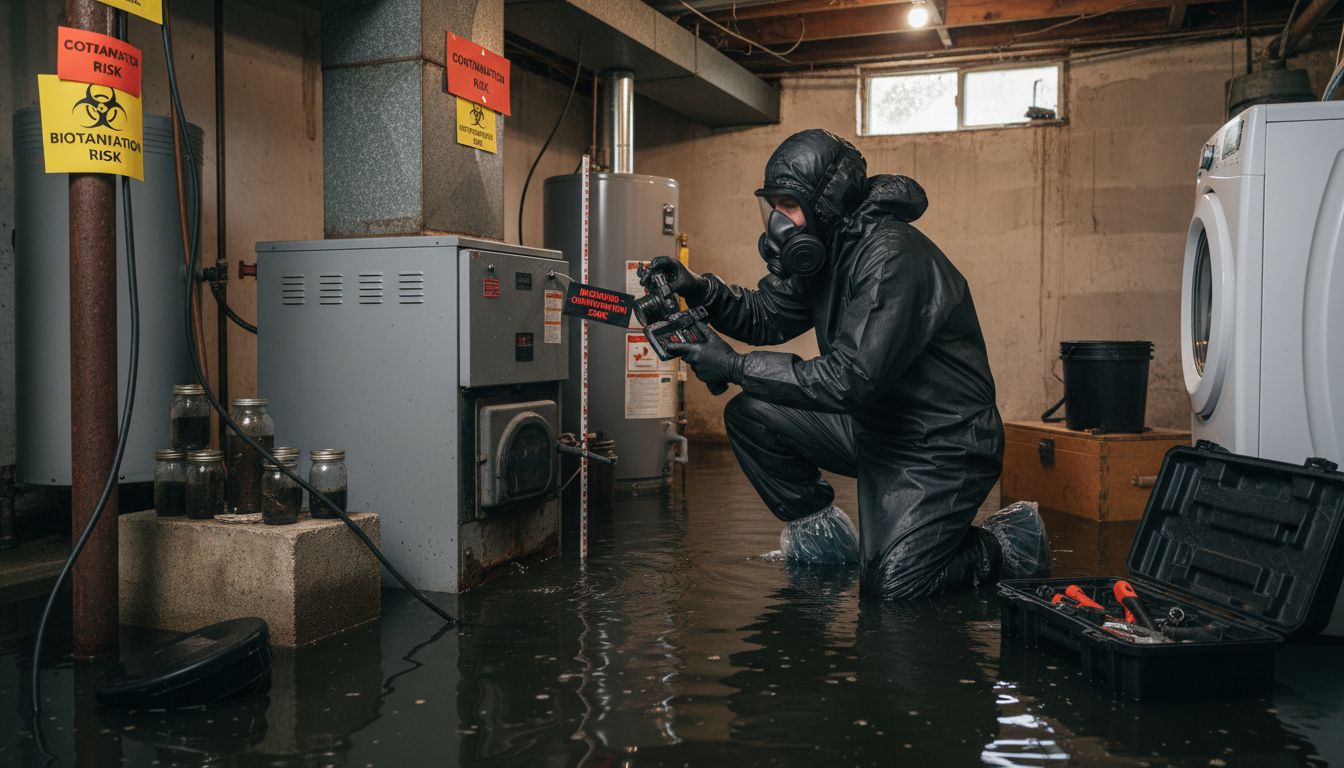
Understanding the different types of water damage is crucial for accurate documentation and effective restoration. As outlined by the Maryland State Archives, water damage can be categorized into distinct types based on water contamination levels, which significantly impacts the documentation and cleanup process.
The primary water damage categories include:
- Clean Water: Originates from sanitary sources like broken water supply lines, sink overflows, or rainwater. This type of water poses minimal health risks but can still cause substantial property damage if not addressed quickly.
- Gray Water: Contains moderate contamination from sources like dishwasher or washing machine discharge, toilet overflow with urine, or sump pump failures. This water type requires more careful handling and documentation due to potential health hazards.
- Black Water: The most dangerous category, including sewage backups, flood waters, and water containing significant biological or chemical contaminants. What are the different categories of water damage and why does it matter provides deeper insights into the risks associated with these contamination levels.
When documenting water damage, it’s essential to record specific details about the water type, including its source, extent of contamination, and potential health risks. This documentation helps insurance providers, restoration professionals, and property owners understand the full scope of damage and develop appropriate remediation strategies. Detailed records should include photographic evidence, water source identification, contamination level assessments, and the potential impact on structural integrity and personal property.
How Documentation Supports Insurance Claims
Documenting water damage is a critical step in supporting insurance claims and ensuring fair compensation for property losses. According to FEMA, thorough documentation serves as the primary evidence that substantiates the extent and impact of water-related damage. This process transforms a potentially complicated claims experience into a structured, transparent path to recovery.
The documentation process involves several key strategies to strengthen insurance claims:
- Comprehensive Visual Evidence: Capture high-resolution photos and videos of all damaged areas
- Detailed Inventory: Create a comprehensive list of damaged items with estimated values
- Preservation of Physical Evidence: Keep samples of damaged materials when possible
- Financial Documentation: Collect and organize all repair estimates and receipts
- Chronological Records: Maintain a timeline of the damage and restoration efforts
As recommended by FloodSmart, insurance providers rely heavily on clear and detailed documentation to process claims efficiently. Water Damage Checklist (What you Should Do Immediately) can provide additional guidance on immediate steps to protect your claim. Professional documentation helps prevent potential disputes by providing irrefutable evidence of the damage, its extent, and the financial impact on the property owner.
Ultimately, meticulous documentation acts as a powerful tool in the insurance claims process. It bridges the gap between property damage and financial recovery, ensuring that property owners receive fair compensation for their losses.
By creating a comprehensive, well-organized record of water damage, homeowners can navigate the claims process with confidence, minimizing stress and maximizing their potential for a successful insurance settlement.
Legal And Safety Documentation Requirements
Documenting water damage involves more than just capturing visual evidence it requires a comprehensive approach that addresses legal and safety considerations. The National Archives emphasizes the critical importance of creating detailed records that not only support insurance claims but also protect property owners from potential legal complications.
The key legal and safety documentation requirements include:
- Environmental Condition Reporting: Thoroughly document the specific environmental conditions that led to water damage
- Contamination Level Assessment: Clearly record the type and extent of water contamination
- Potential Health Hazard Documentation: Identify and log any potential biological or chemical risks
- Structural Integrity Evidence: Capture detailed information about potential structural compromises
- Mitigation Effort Records: Document all steps taken to prevent further damage
As outlined by National Archives, special attention must be given to documenting secondary damage risks like mold growth. This documentation serves multiple purposes including legal protection, insurance compliance, and ensuring proper restoration protocols. How to Tell if Water Damage Is New or Old provides additional context for understanding the time-sensitive nature of water damage documentation.
Legal documentation requirements extend beyond immediate damage assessment. They create a comprehensive record that can protect property owners in potential disputes, support insurance claims, and ensure proper remediation strategies. By maintaining meticulous, time-stamped, and detailed documentation, property owners can effectively demonstrate due diligence, protect their financial interests, and support safe, thorough restoration efforts.
Mitigation And Restoration Documentation Benefits
Documenting the mitigation and restoration process is far more than a bureaucratic exercise it’s a critical strategy for protecting property and financial interests. The National Archives emphasizes that comprehensive documentation serves as a strategic tool for evaluating recovery efforts and developing future disaster preparedness strategies.
The key benefits of thorough mitigation and restoration documentation include:
- Performance Tracking: Create a measurable record of restoration effectiveness
- Future Prevention: Identify root causes and potential improvement strategies
- Legal Protection: Establish a clear timeline of damage and remediation efforts
- Financial Accountability: Support insurance claims and potential tax deductions
- Risk Management: Develop insights for preventing similar incidents in the future
According to Missouri Secretary of State, systematic documentation supports more than just immediate recovery efforts. What Is Water Mitigation? A Homeowner’s Must-Read Guide provides additional context about the importance of strategic documentation. By maintaining meticulous records, property owners transform a potentially chaotic recovery process into a structured, insightful experience that can prevent future damage and financial loss.
Ultimately, mitigation and restoration documentation is about more than record-keeping. It’s a proactive approach to property management that empowers homeowners and property managers to understand, respond to, and prevent water-related disasters. Through careful, comprehensive documentation, individuals can turn a potentially devastating experience into an opportunity for learning, improvement, and future risk reduction.
Protect Your Property with Expert Water Damage Documentation and Restoration
Water damage can be overwhelming and costly when not properly documented and addressed. The article highlights the critical importance of capturing detailed visual evidence, tracking contamination types, and maintaining thorough records to support insurance claims and speed up restoration. Without clear documentation, you risk delays, disputes, and even incomplete recovery of your property and belongings.
At PuroClean of Northeast Sacramento, we understand these challenges. Our professional team not only provides fast, reliable water damage restoration but also assists in thoroughly documenting your damages to help you navigate insurance claims with confidence. Whether you face clean water from a broken pipe or hazardous black water contamination, we bring industry expertise, 24/7 emergency response, and compassionate service to protect your home or business.
Don’t wait until the damage worsens or insurance issues arise. Contact us today to start the documentation and restoration process with trusted experts. Visit our site now to learn how we support you through every step of recovery and mitigation. Let us help you turn a stressful disaster into a swift, fair resolution with comprehensive water damage solutions at PuroClean of Northeast Sacramento.
Explore more about our timely water damage services and insurance assistance here.
Frequently Asked Questions
What does documenting water damage involve?
Documenting water damage involves systematically recording evidence of property destruction caused by water intrusion, including capturing high-resolution photographs and video evidence of damaged areas, creating detailed inventories of affected items, and keeping records of repair estimates.
Why is it important to document water damage for insurance claims?
Documenting water damage is crucial for insurance claims as it provides clear evidence of the extent and impact of the damage, which helps substantiate claims and ensures fair compensation for property losses.
What types of water damage should be recorded?
There are three main types of water damage to record: Clean Water (from sanitary sources), Gray Water (with moderate contamination), and Black Water (highly contaminated from sewage or floodwaters). Documenting the specific type and source of water damage is essential for effective restoration and insurance claims.
What are the legal and safety considerations when documenting water damage?
Legal and safety documentation requirements include environmental condition reporting, contamination level assessments, potential health hazard identification, and maintaining records of mitigation efforts. These records can protect property owners from legal complications and ensure compliance with insurance protocols.
Recommended
How to Save Water Damaged Photos, Books, and Documents
Water Damage Checklist (What you Should Do Immediately)
What Is Water Damage? Complete Guide for Property Owners – PuroClean of Northeast Sacramento
Fixing Water Damage: Best Restoration Methods You Should Know