 PuroClean of Northeast Sacramento
 Restoration Best Practices 2025: Protecting Sacramento Properties
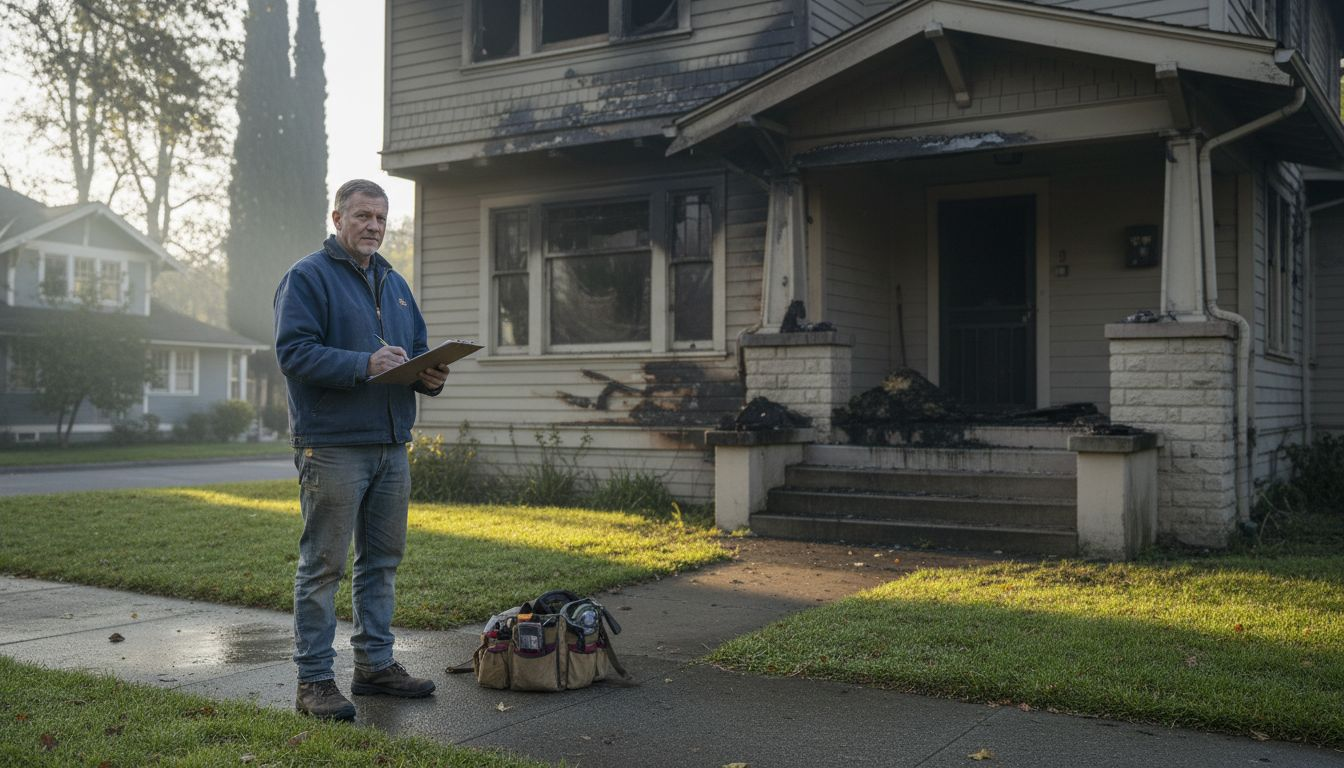
Over forty percent of American properties experience some form of water, fire, or mold damage each year, driving up costs and risks for local owners in Northeast Sacramento. Rapid advances in restoration technology and stricter environmental regulations make effective practices more crucial than ever. This guide reveals the actionable strategies and innovations that help protect residential homes and commercial buildings, ensuring resilient recovery and smarter damage prevention for every American property in 2025.
Table of Contents
- Defining Restoration Best Practices 2025
- Essential Damage Categories And Solutions
- Innovations Shaping Restoration Technology
- Legal Standards And Insurance Requirements
- Avoiding Common Restoration Mistakes
Key Takeaways
| Point | Details |
|---|---|
| Emphasis on Sustainability | Restoration practices in 2025 focus on comprehensive recovery that prioritizes environmental impact and long-term resilience. |
| Advanced Diagnostic Technologies | Utilizing cutting-edge tools like thermal imaging and AI enhances damage assessment and informs effective restoration strategies. |
| Understanding Damage Categories | Clarity on different damage types such as water, fire, and mold is essential for implementing targeted restoration approaches. |
| Legal and Insurance Considerations | Property owners must navigate detailed documentation and regulatory requirements for efficient insurance claims and quality restoration work. |
Defining Restoration Best Practices 2025
Property restoration is rapidly evolving, driven by technological advancements and environmental considerations. In 2025, restoration practices are no longer just about fixing damage, but about comprehensive, strategic recovery that prioritizes sustainability, efficiency, and long-term property resilience. Comprehensive restoration standards now emphasize holistic approaches that go beyond traditional repair methodologies.
The emerging restoration landscape centers on proactive strategies that integrate advanced diagnostic technologies, environmentally responsible materials, and data-driven restoration techniques. Modern approaches prioritize prevention, rapid response, and sustainable recovery. This means utilizing cutting-edge moisture detection technologies, implementing advanced structural drying techniques, and selecting restoration materials that minimize environmental impact while maximizing property recovery potential.
Key restoration best practices for 2025 include comprehensive risk assessment protocols, rapid intervention strategies, and integrated ecosystem-conscious approaches. Professionals now focus on:
- Advanced diagnostic imaging technologies
- Predictive damage mitigation strategies
- Environmentally sustainable restoration materials
- Comprehensive moisture and structural integrity monitoring
Pro tip: Invest in annual property assessments and develop a preemptive restoration strategy to minimize potential damage and reduce long-term restoration costs.
Essential Damage Categories and Solutions
Property damage in Sacramento can manifest through multiple critical categories, each requiring specialized restoration strategies. Disaster restoration fundamentally involves comprehensive assessment and targeted intervention across water, fire, mold, and structural damage scenarios. Understanding these damage classifications is crucial for implementing effective recovery protocols.
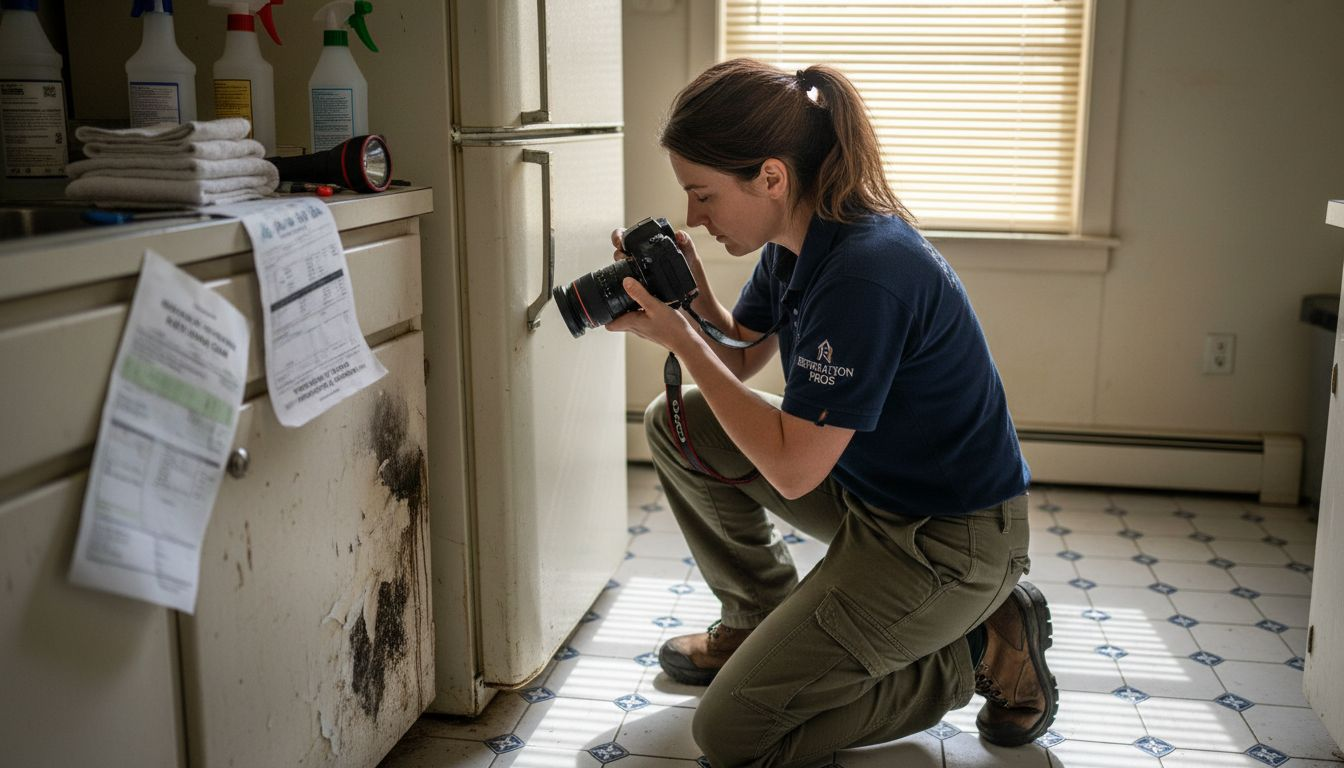
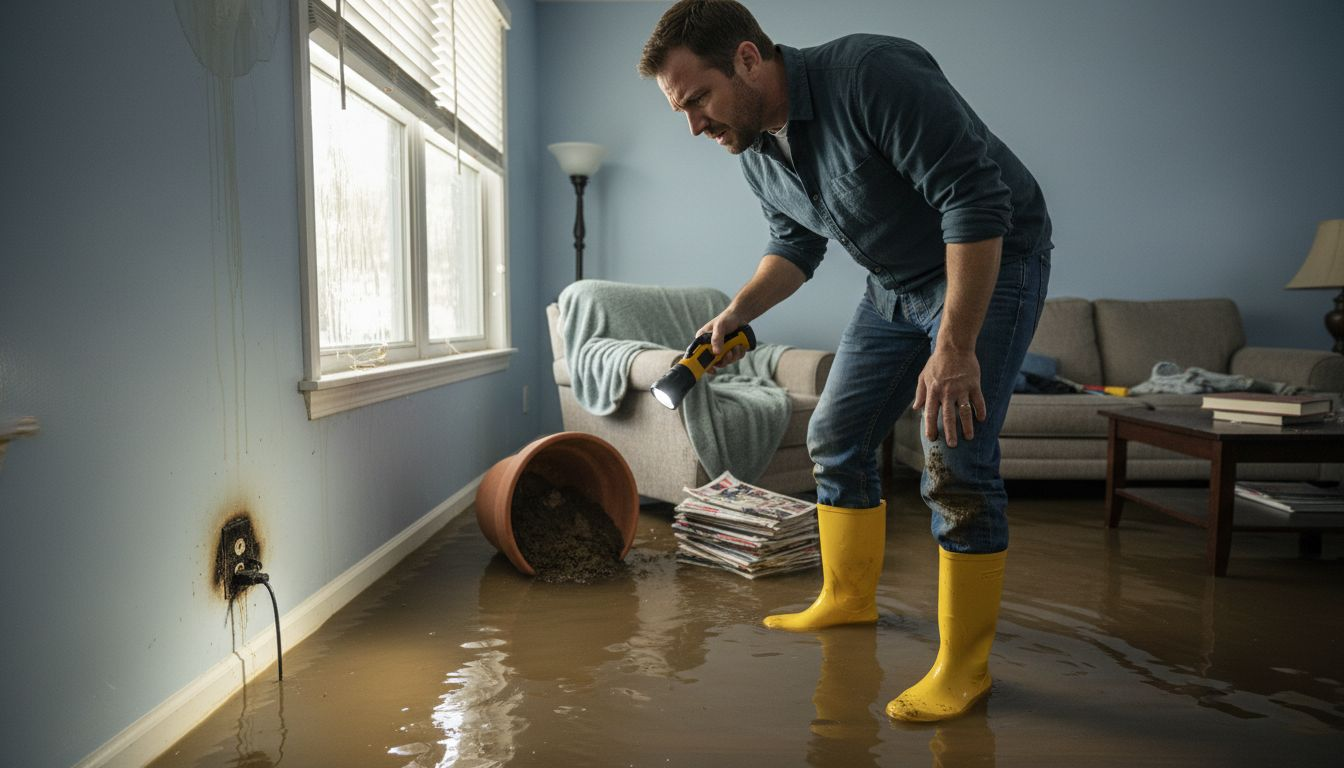
Water damage represents the most prevalent restoration challenge, categorized into three primary levels of contamination and risk. Clean water damage originates from sanitary sources like broken pipes or appliance malfunctions. Gray water involves potentially contaminated sources such as dishwasher or washing machine overflows. Black water represents the most hazardous category, including sewage backups and flood waters containing significant biological and chemical contaminants. Each category demands progressively more complex decontamination and restoration approaches.
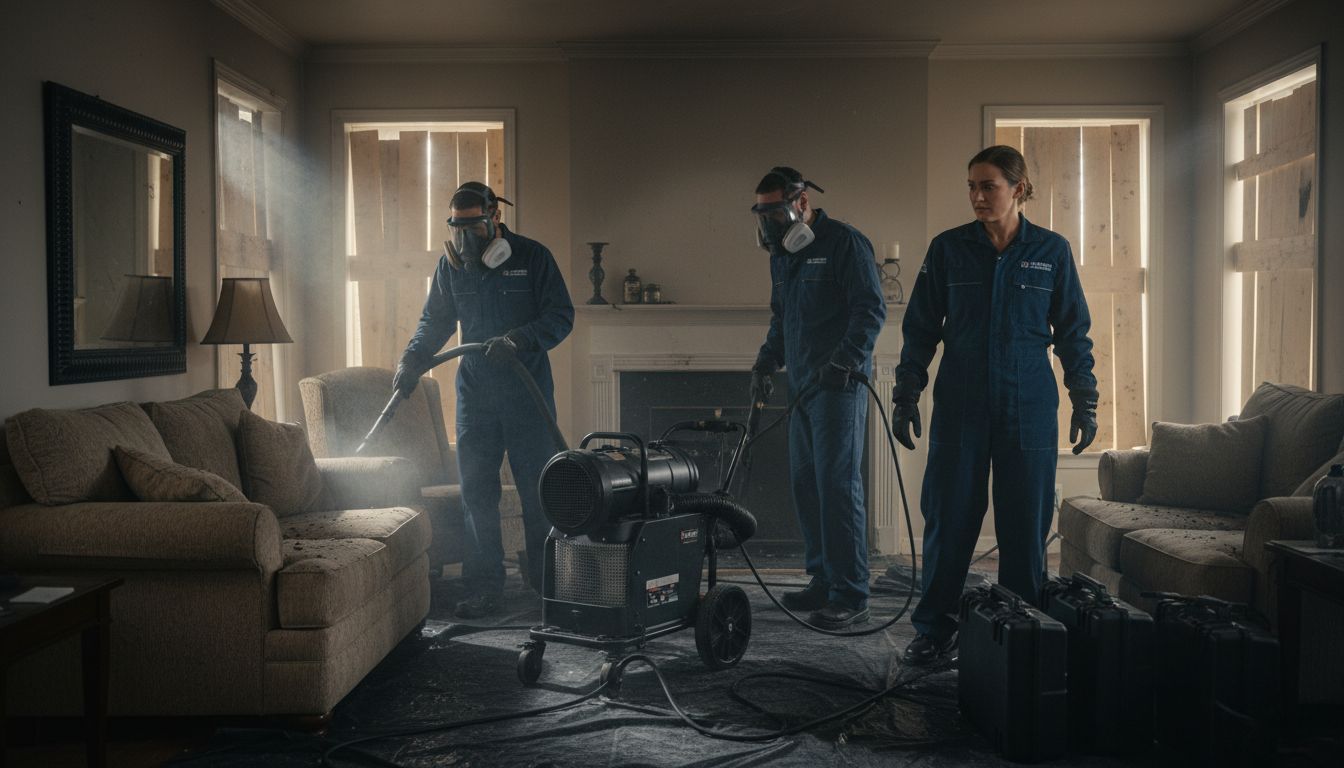
Fire and smoke damage introduces additional complexity, with restoration professionals addressing not just visible structural damage but also invisible challenges like:
- Pervasive smoke odor penetration
- Chemical residue contamination
- Structural material degradation
- Electrical system integrity assessment
Mold damage requires specialized remediation techniques, focusing on moisture control, spore containment, and comprehensive removal strategies. Professionals utilize advanced diagnostic tools to identify hidden moisture pockets and potential contamination zones.
Pro tip: Document all damage immediately with comprehensive photographs and detailed notes to support insurance claims and streamline the restoration process.
Here’s a comparison of key damage categories and their distinct restoration challenges:
| Damage Type | Unique Restoration Challenge | Best Initial Action |
|---|---|---|
| Water Damage | Hygiene risk, rapid spread | Isolate source, assess risk |
| Fire & Smoke | Invisible residue, odor, safety | Ventilate, test air quality |
| Mold Damage | Hidden moisture, airborne spores | Quarantine, moisture scan |
Innovations Shaping Restoration Technology
Technology is revolutionizing property restoration, with cutting-edge innovations transforming how professionals approach damage recovery and structural preservation. Artificial intelligence transforms restoration approaches by enabling precise damage assessment, predictive maintenance, and more efficient recovery strategies.
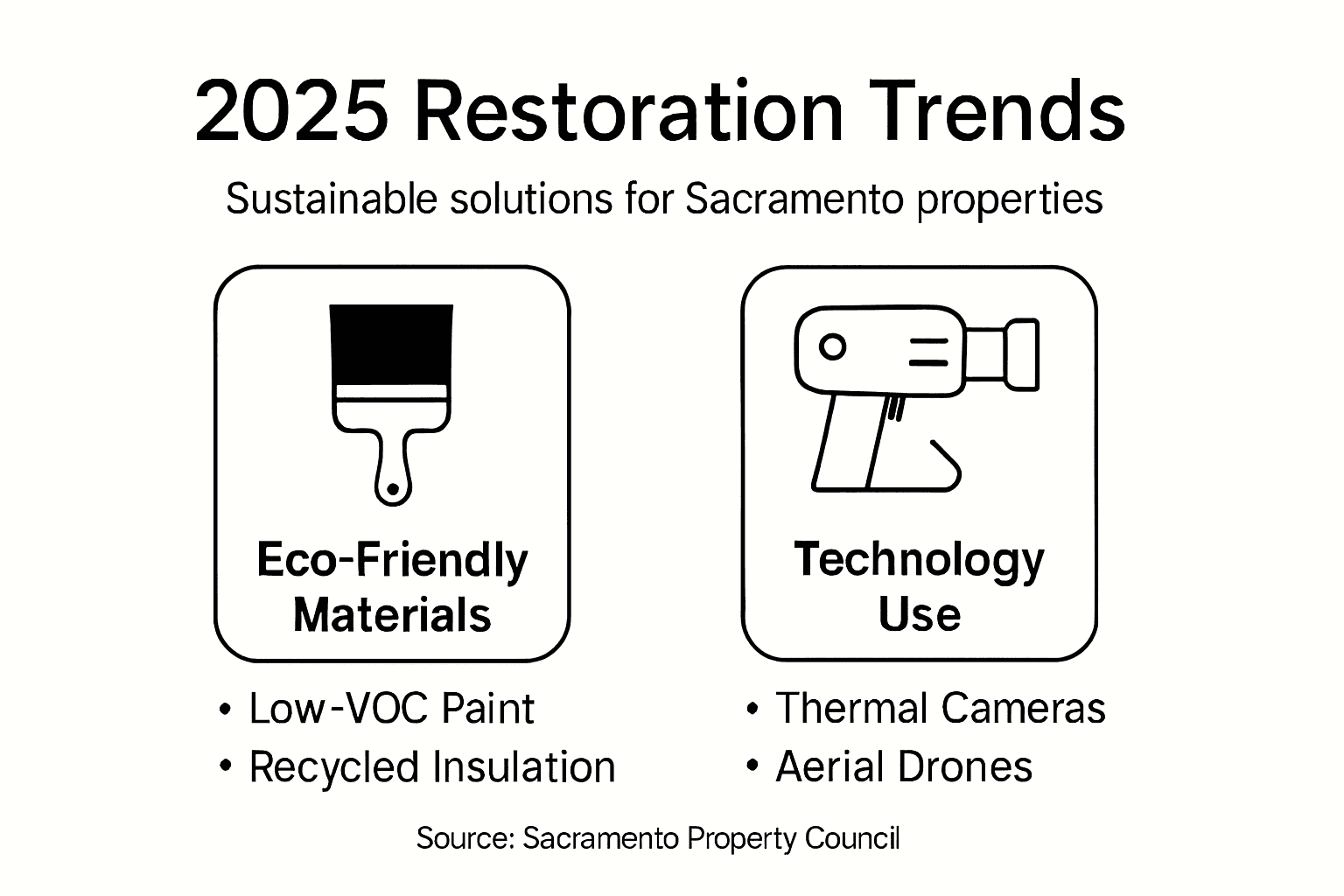
Advanced diagnostic technologies now play a critical role in modern restoration practices. Thermal imaging cameras can detect hidden moisture zones, while drone technologies provide comprehensive aerial assessments of structural damage. Specialized moisture meters with unprecedented accuracy allow professionals to map water infiltration pathways with millimeter-level precision. These technological advancements enable restoration experts to create more targeted, less invasive intervention strategies that minimize property disruption.
Emergent technologies are particularly transformative in several key restoration domains:
- Infrared scanning for comprehensive damage detection
- 3D imaging for precise structural mapping
- Artificial intelligence for predictive damage analysis
- Robotic systems for hazardous environment assessment
- Machine learning algorithms for restoration planning
Sustainability has become a central focus, with innovative technologies driving more environmentally responsible restoration approaches. Professionals now utilize eco-friendly cleaning agents, advanced material recycling techniques, and energy-efficient restoration equipment that significantly reduce environmental impact while maintaining high-quality recovery standards.
Pro tip: Research and invest in restoration professionals who demonstrate commitment to emerging technologies and continuous training in advanced diagnostic methodologies.
Below is a summary of innovative restoration technologies and their key benefits:
| Technology | Primary Benefit | Typical Use Case |
|---|---|---|
| Thermal Imaging | Finds hidden moisture areas | Water damage inspection |
| 3D Structural Mapping | Precise property documentation | Severe structure damage |
| Artificial Intelligence | Fast predictive damage analysis | Complex risk assessment |
| Robotics | Safe hazardous environment survey | Post-fire property check |
Legal Standards and Insurance Requirements
Property restoration in Sacramento requires navigating complex legal and insurance landscapes that continue to evolve in 2025. Insurance claim submission standards now mandate precise documentation and timely reporting processes that property owners must understand to protect their interests.
Legal frameworks governing restoration work have become increasingly sophisticated, emphasizing both property preservation and consumer protection. Property owners must be aware of specific regulatory requirements that impact restoration processes, including documentation standards, contractor certification mandates, and insurance claim protocols. These regulations aim to ensure quality restoration work, protect consumer rights, and maintain transparent communication between property owners, restoration professionals, and insurance providers.
Key legal and insurance considerations for property restoration include:
- Detailed damage documentation requirements
- Precise insurance claim submission timelines
- Contractor licensing and certification standards
- Compliance with local building and safety codes
- Specific restoration methodology guidelines
Insurance providers now require increasingly comprehensive evidence to process claims efficiently. This means property owners must maintain meticulous records, including photographic documentation, professional damage assessments, and detailed restoration proposals. Understanding these requirements can significantly expedite the recovery process and minimize financial uncertainties during challenging restoration scenarios.
Pro tip: Maintain a comprehensive digital file with all property documentation, including maintenance records, insurance policies, and previous restoration work to streamline future claim processes.
Avoiding Common Restoration Mistakes
Property restoration demands precision and strategic planning to prevent costly errors that can compromise recovery outcomes. Restoration professionals must understand critical pitfalls that can significantly impact property recovery and long-term structural integrity.
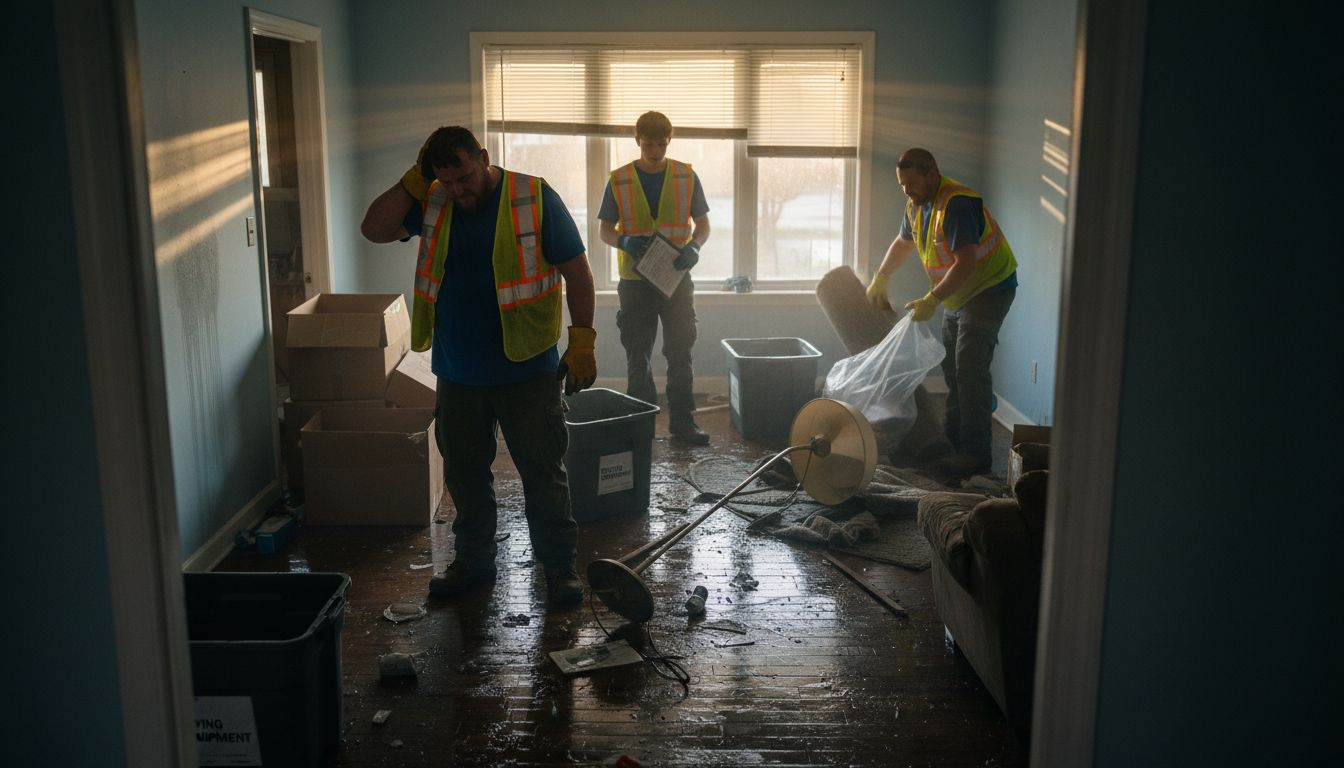
One of the most prevalent restoration mistakes involves rushing the damage assessment process. Homeowners frequently underestimate the complexity of water, fire, and mold damage, leading to incomplete remediation efforts. Improper initial assessment can result in hidden moisture pockets, undetected structural weakening, and potential long-term health risks. Professionals emphasize the importance of comprehensive diagnostic procedures that go beyond surface-level inspections.
Common restoration mistakes that property owners should actively avoid include:
- Delaying professional damage assessment
- Attempting do-it-yourself restoration without proper expertise
- Neglecting complete moisture detection
- Failing to document damage thoroughly
- Ignoring potential secondary damage risks
- Using inappropriate cleaning and restoration materials
- Underestimating the scope of structural repairs
Each restoration scenario requires a tailored approach that considers unique property characteristics, damage extent, and potential long-term implications. Successful restoration is not just about immediate repairs but about implementing strategic interventions that protect the property’s structural integrity and prevent future complications.
Pro tip: Always request a comprehensive, written damage assessment from certified restoration professionals that includes detailed documentation, recommended intervention strategies, and potential long-term impact analysis.
Secure Your Sacramento Property with Trusted Restoration Experts
Facing water damage, fire, or mold challenges in Sacramento demands swift and expert action. The 2025 best practices highlight the urgency of rapid damage assessment, comprehensive moisture detection, and sustainable restoration methods to protect your home or business from long-term risks. If you want peace of mind knowing your property is in skilled hands that use advanced technologies and meet strict legal and insurance standards, professional support is essential.
PuroClean of Northeast Sacramento specializes in the precise, compassionate care your property needs during emergencies. With 24/7 availability, industry certifications, and a commitment to environmentally responsible restoration, we follow all modern best practices to maximize your property safety and recovery. Learn more about our full range of water damage cleanup, fire and smoke restoration, and mold remediation services.
Ready to protect your investment with expert restoration solutions?
Don’t wait until damage worsens. Contact PuroClean of Northeast Sacramento now for fast, thorough restoration that aligns with 2025 standards. Early action saves money, stress, and ensures your property’s long-term resilience.
Frequently Asked Questions
What are the key restoration best practices for 2025?
Key restoration best practices for 2025 focus on comprehensive risk assessment, rapid intervention strategies, and ecosystem-conscious approaches. Professionals utilize advanced diagnostic technologies, predictive damage mitigation strategies, and environmentally sustainable materials to enhance recovery efficiency.
How can advanced technology improve property restoration processes?
Advanced technology improves property restoration through tools like thermal imaging cameras, drones for aerial assessments, and specialized moisture meters. These technologies enable precise damage detection, targeted intervention strategies, and more efficient recovery processes while minimizing disruption to properties.
What types of damage should be assessed during property restoration?
During property restoration, it’s crucial to assess various types of damage, including water, fire, smoke, and mold. Each category presents unique restoration challenges that require specialized strategies to ensure effective recovery and prevent future complications.
What are common mistakes to avoid during property restoration?
Common mistakes to avoid during restoration include delaying professional assessments, attempting DIY solutions without expertise, neglecting thorough moisture detection, and failing to document damage properly. Each of these pitfalls can compromise recovery outcomes and long-term property integrity.
Recommended
Best fire damage restoration providers – Expert Comparison 2025 – PuroClean of Northeast Sacramento
Property Restoration Process Guide: Steps for Success – PuroClean of Northeast Sacramento
7 Essential Fire Restoration Tips for Property Owners – PuroClean of Northeast Sacramento
 PuroClean of Northeast Sacramento