 PuroClean of Northeast Sacramento
 7 Essential Fire Restoration Tips for Property Owners
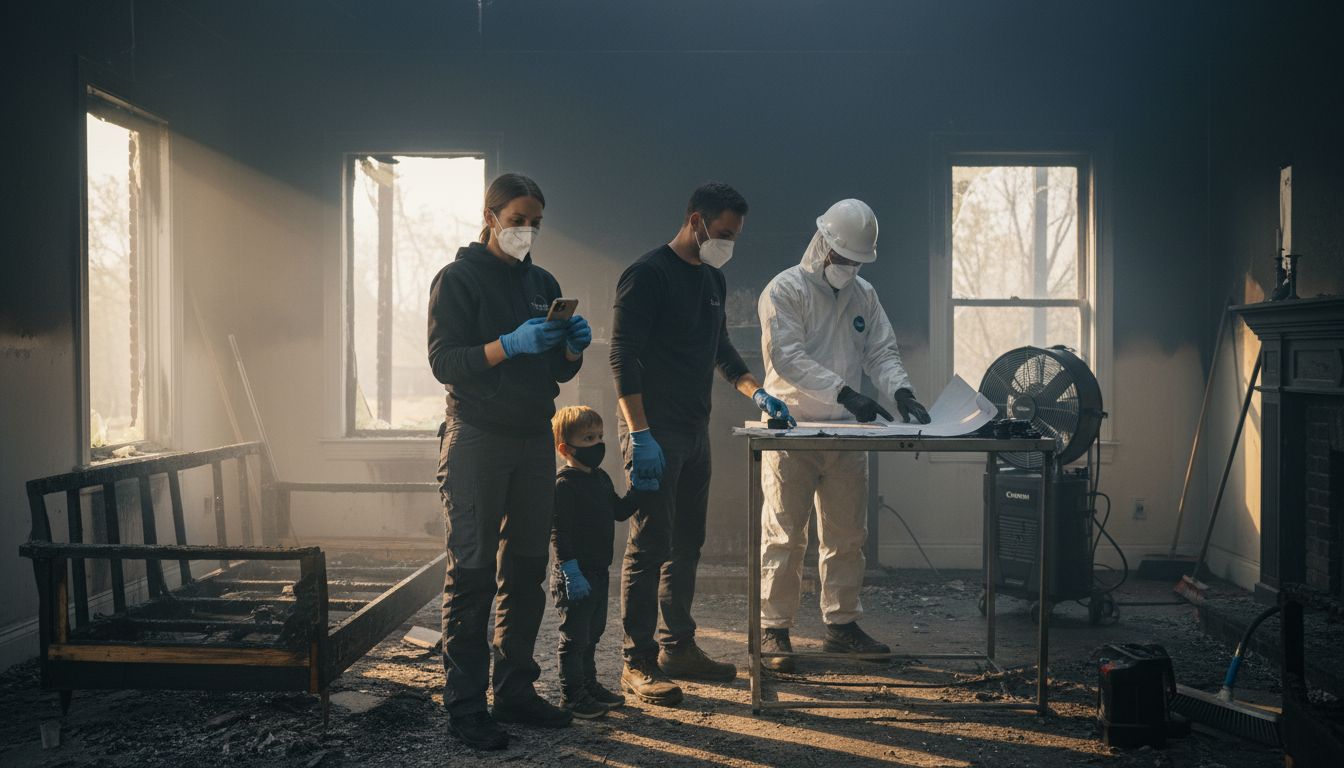
Did you know that over 350,000 house fires occur in the United States every year? When the flames die down, the path to recovery can feel overwhelming and urgent decisions can create new risks. Knowing how to respond in the critical hours after a fire protects your safety, your health, and your financial future. Find out how homeowners can make safe, careful choices to secure their property and speed up the recovery process.
Table of Contents
- Assess Safety Before Entering The Property
- Document Damage For Insurance Claims
- Ventilate And Remove Smoke Odors
- Clean Soot From Surfaces Properly
- Dispose Of Unsalvageable Items Safely
- Address Water Damage From Firefighting
- Consult Certified Fire Restoration Professionals
Quick Summary
| Takeaway | Explanation |
|---|---|
| 1. Prioritize safety before entering damaged buildings | Conduct an exterior inspection for hazards and wear protective gear to avoid injuries. Always consult professionals if structural issues are evident. |
| 2. Thoroughly document all property damage | Capture comprehensive photographic evidence and maintain a detailed inventory of items to support insurance claims. This accuracy can influence settlement amounts. |
| 3. Ventilate spaces to remove smoke odors | Open windows and use fans to improve air circulation while wearing protective gear. This prevents long-term respiratory issues from lingering smoke particles. |
| 4. Clean soot promptly and properly | Use appropriate cleaning techniques based on the surface material to prevent permanent damage. Seek professional help for delicately affected items. |
| 5. Dispose of unsalvageable items safely | Identify and discard items that pose health risks, documenting everything for insurance purposes and adhering to local disposal guidelines. |
1. Assess Safety Before Entering the Property
After a fire devastates your property, your first instinct might be to rush back inside. Stop. Pause. Your safety is paramount. Entering a fire damaged building without proper assessment can put you at serious risk of injury or worse.
Before stepping foot inside, conduct a thorough exterior inspection. Look for critical structural damage that could make the building unstable. According to research from the guide on fire safety inspection, this preliminary assessment is crucial for protecting yourself.
Start with a comprehensive walk-around of your property. Check for these potential hazards:
- Structural cracks or warping in walls and foundation
- Exposed electrical wires
- Potential gas leaks
- Smoldering embers near the building
- Compromised roof or ceiling sections
Wear protective gear during your initial assessment. This means sturdy boots, long pants, a respirator mask, safety glasses, and work gloves. These items shield you from toxic residues, sharp debris, and potentially harmful particulate matter left behind by the fire.
If you detect any signs of significant structural damage or utility issues, do not enter. Contact local fire authorities or professional restoration experts who can perform a comprehensive safety evaluation. Your life is worth more than rushing to salvage possessions.
Remember: No material item is worth risking your personal safety. Professional assessment provides the expertise needed to determine whether your property is truly safe to enter and begin the restoration process.
2. Document Damage for Insurance Claims
In the aftermath of a fire, meticulous documentation becomes your financial lifeline. Your insurance claim depends on how thoroughly and accurately you record the damage to your property and belongings.
Comprehensive photographic evidence is the cornerstone of a successful insurance claim. Capture everything. Take wide angle shots that show overall damage and close-up images that reveal specific damage details. Use natural lighting and ensure your photos are clear and well focused.
Create a systematic inventory that includes:
- Detailed descriptions of damaged items
- Original purchase dates
- Estimated replacement costs
- Serial numbers for electronics and valuable equipment
- Photographs of each damaged item
The United States Fire Administration recommends creating a methodical approach to documenting your property damage. Your goal is to provide insurers with irrefutable evidence of the fire’s impact.
For maximum effectiveness, organize your documentation digitally. Create a dedicated folder on your computer or cloud storage with clearly labeled subfolders. This approach ensures your evidence is secure and easily accessible when you need to present it to insurance adjusters.
While documenting damages, resist the urge to discard anything before your insurance company has completed their assessment. Every burned item potentially represents part of your claim. If you must remove debris for safety reasons, take photographs first and keep samples when possible.
Remember: thorough documentation can mean the difference between a comprehensive settlement and a minimal payout. Treat this process like building a case your insurance company cannot ignore. Precision and patience are your best allies in recovering from fire damage.
3. Ventilate and Remove Smoke Odors
Smoke leaves behind more than visible damage. The lingering odors can permeate every surface of your property creating long lasting health risks and potential respiratory issues. Addressing these odors requires strategic and immediate action.
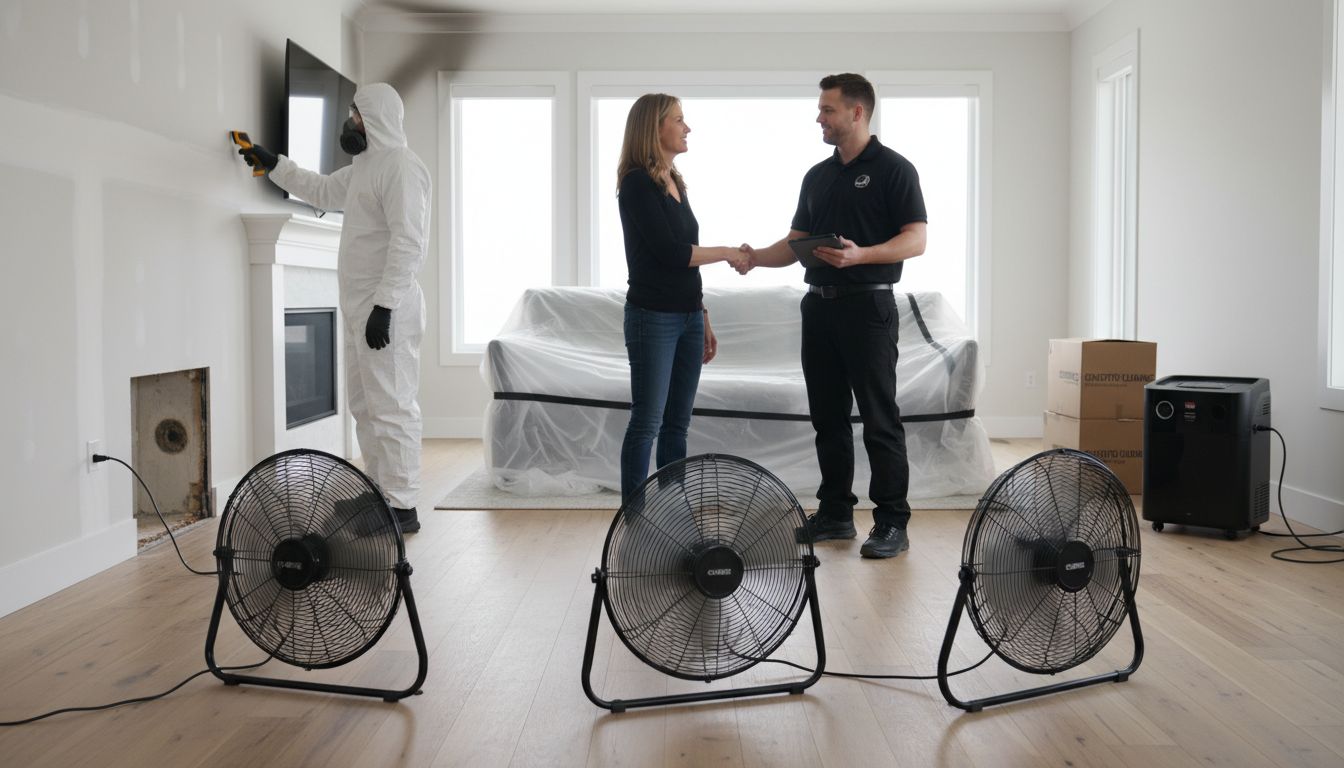
Ventilation is your first line of defense against persistent smoke smell. Open all windows and doors to create cross air flow. Place high powered fans strategically to push contaminated air outside and draw fresh air inside. When doing this, wear protective respiratory gear to avoid inhaling toxic particles.
Critical ventilation steps include:
- Position fans facing outward from windows
- Create multiple air flow points throughout the property
- Keep windows open for several hours each day
- Use box fans and industrial fans for maximum circulation
When exploring smoke odor elimination techniques, the smoke odor removal guide suggests more advanced techniques beyond basic ventilation. Professional restoration experts often recommend additional treatments like activated charcoal, HEPA air purifiers, and specialized cleaning solutions.
Be mindful of potential moisture buildup during ventilation. Use dehumidifiers to prevent mold growth while airing out your property. Smoke particles can trap moisture creating perfect conditions for secondary damage.
Consider professional cleaning services for thorough smoke odor removal. Specialized equipment and cleaning agents can neutralize odors at a molecular level something standard household methods cannot achieve. Your goal is not just masking the smell but completely eliminating its source.
4. Clean Soot from Surfaces Properly
Soot is a silent destroyer. These tiny black particles can permanently damage surfaces if not cleaned quickly and correctly. Understanding the right cleaning techniques can save thousands of dollars in potential property restoration costs.
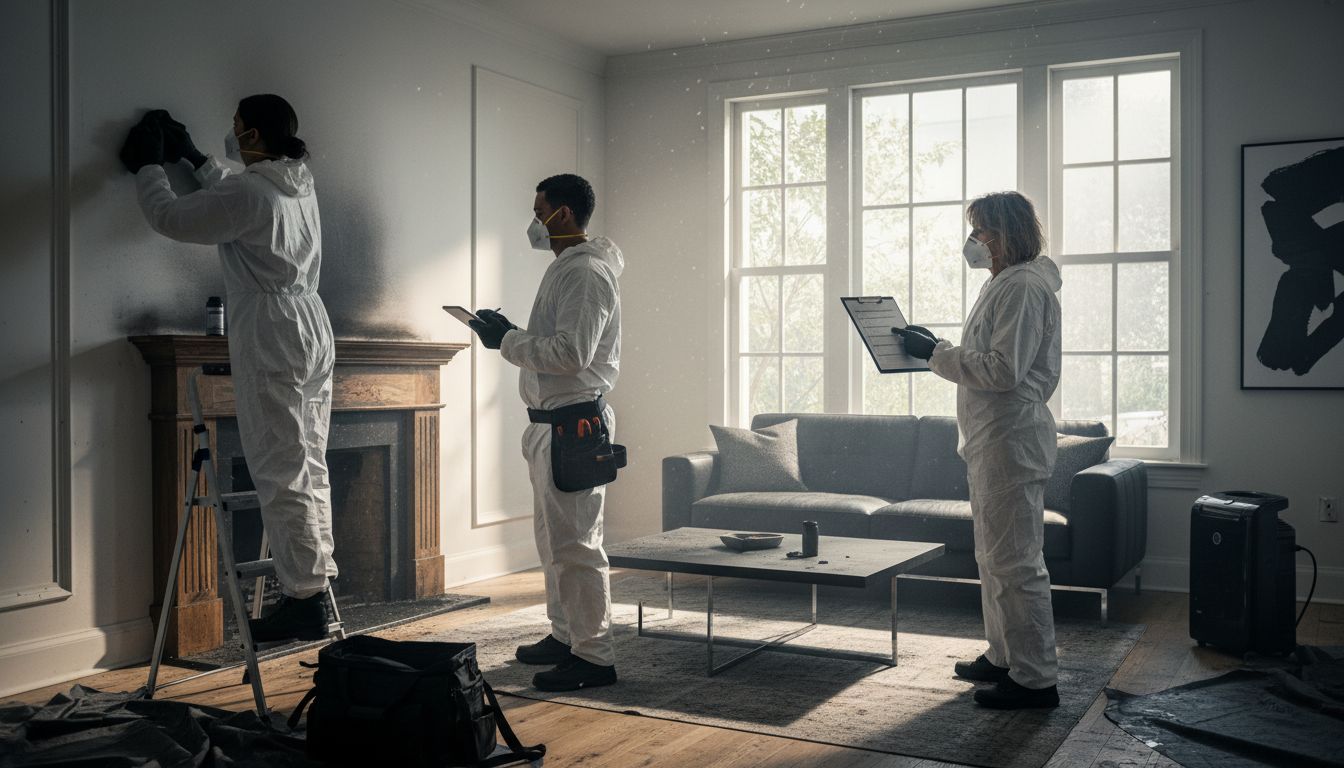
When approaching soot removal, protective gear is your first requirement. Wear rubber gloves, safety glasses, and a respiratory mask to prevent direct contact with potentially toxic residue. These microscopic particles can cause serious respiratory issues if inhaled.
Surface cleaning strategies depend on the material:
- Hard surfaces: Use hot water and specialized detergent
- Fabric items: Require gentle professional cleaning techniques
- Wooden furniture: Need specialized cleaning solutions
- Electronics: Demand professional restoration services
Understanding the complexity of soot removal can be challenging. Our guide on soot deposition provides deeper insights into the restoration process.
Never use standard household cleaners on soot damaged surfaces. These can actually set the stains deeper into materials. Instead, use pH neutral cleaning solutions specifically designed for fire damage restoration. Professional cleaning agents can neutralize acidic soot without causing additional damage.
For delicate items like clothing or curtains, professional dry cleaning is recommended. Attempting to wash these items yourself might permanently set soot stains or cause irreparable fabric damage. Always consult restoration professionals when dealing with valuable or sensitive materials.
Remember: Time is critical. The longer soot remains on surfaces, the more challenging and expensive the restoration becomes. Swift, professional intervention is your best strategy for minimizing long term property damage.
5. Dispose of Unsalvageable Items Safely
Fire damage transforms cherished possessions into potential health hazards. Not everything can be saved or restored after a fire. Understanding how to safely dispose of contaminated items is crucial for protecting your health and preventing further property damage.
Identifying unsalvageable items requires careful assessment. Materials exposed to extreme heat smoke and potential water damage often become breeding grounds for harmful bacteria and mold. Your goal is to eliminate these items without creating additional environmental or health risks.
Prioritize disposal for these types of items:
- Porous materials completely saturated with smoke or water
- Food items exposed to fire temperatures
- Medicines compromised by heat or smoke
- Textiles with extensive smoke damage
- Burned electronic devices
Wear protective personal equipment during disposal. This means wearing thick rubber gloves waterproof boots and a respiratory mask to prevent direct contact with potentially toxic materials. Bag items separately to prevent cross contamination and follow local regulations for hazardous waste disposal.
Before discarding anything document everything with photographs. These images serve as critical evidence for insurance claims and can help you track the extent of your property damage. Detailed documentation supports your restoration and reimbursement process.
Consider professional consultation for complex disposal scenarios. Restoration experts can provide guidance on what can be salvaged and what must be discarded. They understand the nuanced risks associated with fire damaged materials and can help you make informed decisions.
Remember: Your safety comes first. When in doubt about an item throw it out. The potential health risks from keeping contaminated materials far outweigh the sentimental or monetary value of any single possession.
6. Address Water Damage from Firefighting
The water used to extinguish a fire can often cause as much damage as the flames themselves. Firefighters use thousands of gallons to stop the blaze quickly which means your property can be left saturated and vulnerable to secondary damage.
Water damage occurs rapidly and can create long term structural issues if not addressed immediately. The massive volume of water pumped into your property can seep into walls floors and foundational structures creating perfect conditions for mold growth and structural deterioration.
Immediate steps to mitigate water damage include:
- Remove standing water quickly
- Use industrial grade dehumidifiers
- Expose wet areas to maximum air circulation
- Remove wet carpeting and padding
- Inspect electrical systems for water exposure
Learning about the complexities of post fire water damage becomes crucial. Our guide on water damage prevention provides comprehensive insights into managing these challenging scenarios.
Protect exposed areas by covering broken windows roofs and doorways with waterproof tarps. This prevents additional water infiltration from rain or external moisture. Professional restoration experts can help you assess the full extent of water damage and develop a comprehensive recovery strategy.
Time is your enemy when dealing with water damage. Mold can begin growing within 24 to 48 hours of water exposure. Professional drying and moisture detection equipment can help you prevent long term structural damage and potential health risks associated with water saturation.
Remember: What looks like a minor water issue can quickly escalate into a major restoration project. Swift professional intervention is your best defense against extensive property damage.
7. Consult Certified Fire Restoration Professionals
Fire damage is complex. What looks like a simple burned wall could hide structural weaknesses electrical hazards and potential health risks that only trained professionals can identify. Attempting DIY restoration without expert guidance can lead to costly mistakes and potential safety dangers.
Professional restoration requires specialized knowledge that goes far beyond basic cleaning and repair. Certified professionals understand the intricate science of fire and smoke damage assessment recovery and prevention.
When selecting a fire restoration expert consider these critical factors:
- Industry certifications and credentials
- Years of professional experience
- Specialized equipment and technology
- Comprehensive insurance claim support
- Proven track record of successful restoration projects
Understanding the complexities of professional restoration becomes crucial. Our guide on calling professionals provides comprehensive insights into making the right choice for your property.
Certified professionals will conduct a thorough assessment that includes detecting hidden damage not visible to untrained eyes. They use advanced moisture meters thermal imaging cameras and specialized cleaning techniques to restore your property systematically and safely.
Most insurance companies require professional documentation for fire damage claims. Certified restoration experts provide detailed reports that support your claim process ensuring you receive maximum coverage for your property damages.
Remember: Your property is likely your most significant investment. Trusting certified professionals ensures a comprehensive restoration approach that protects your financial and emotional investment. Cutting corners might save money temporarily but can cost significantly more in long term repairs and potential health risks.
Below is a comprehensive table summarizing the steps and strategies to manage fire damage as discussed in the article.
| Main Step | Key Points & Actions | Benefits/Outcomes |
|---|---|---|
| Assess Safety | Conduct exterior inspections; check for structural damage, gas leaks, use protective gear. | Ensures personal safety; prevents injury or further damage. |
| Document Damage | Take detailed photographs, create inventory, organize digitally. | Supports comprehensive insurance claims; maximizes financial recovery. |
| Ventilate and Remove Smoke Odors | Use fans, open windows, employ dehumidifiers, consider professionals for deep cleaning. | Reduces health risks; eliminates smoke smells effectively. |
| Clean Soot Properly | Use appropriate cleaners, protect surfaces, seek professional help for complex items. | Prevents long-term damage; saves restoration costs. |
| Dispose of Unsalvageable Items Safely | Identify items; use PPE; document removal; follow local disposal regulations. | Mitigates health risks; ensures safe waste management. |
| Address Water Damage | Remove standing water quickly; use dehumidifiers; protect exposed areas with tarps. | Prevents mold growth; reduces structural damage. |
| Consult Certified Professionals | Choose experts with certifications; look for comprehensive services including claim support. | Ensures thorough restoration; maximizes insurance coverage. |
Restore Your Home with Trusted Fire Damage Experts
After discovering the essential fire restoration tips for property owners, you understand how overwhelming and risky recovering from fire damage can be. From ensuring safety before entry to combating stubborn smoke odors and soot, these challenges demand rapid and professional attention to protect your home and health. If you feel uncertain about how to document damage correctly or how to safely clean and dispose of fire-affected belongings, you should not face this alone.
Turn your fire restoration worries into solutions by contacting the certified professionals at PuroClean of Northeast Sacramento. We bring expertise in advanced fire and smoke restoration techniques combined with water damage mitigation to tackle secondary issues caused by firefighting efforts. Our 24/7 emergency response team simplifies insurance claims with thorough documentation and supports you every step of the way. Do not wait until smoke odors worsen or structural issues escalate. Visit us now, learn more about our specialized restoration services, and take the first step to reclaiming your property safely and fast.
Frequently Asked Questions
What should I do before entering a fire-damaged property?
To ensure your safety, conduct a thorough exterior inspection for structural damage and hazards before entering a fire-damaged property. Look for things like cracks in walls or compromised ceilings and wear protective gear such as boots, gloves, and a respiratory mask during your assessment.
How can I document fire damage for my insurance claim?
Begin documenting fire damage by taking comprehensive photographs of affected areas and items with clear, focused images. Organize your documentation by creating a detailed inventory that includes descriptions, purchase dates, and estimated replacement costs for each damaged item.
What methods can I use to remove smoke odors from my property?
To eliminate smoke odors, start by ventilating your property by opening windows and using fans to circulate air. Consider employing specialized techniques such as using dehumidifiers and air purifiers to help reduce moisture that can trap smoke particles.
What is the proper way to clean soot from surfaces?
Clean soot from surfaces using appropriate methods for each material, ensuring to wear protective gear. Use hot water and specialized detergents for hard surfaces, and consult professionals for delicate items like fabric to prevent permanent damage.
How do I identify items that are unsalvageable after a fire?
Identify unsalvageable items by assessing materials exposed to heat, smoke, and water damage, focusing on porous materials and food items. Prioritize discarding these items safely while documenting them for your insurance claim to ensure you have evidence of the loss.
Why is it important to consult certified fire restoration professionals?
Consult certified fire restoration professionals because they possess specialized knowledge and equipment necessary for effective damage assessment and recovery. Their expertise ensures that hidden risks are identified and addressed promptly, leading to a more comprehensive restoration of your property.
Recommended
7 Best Pest Prevention Products for Your Property – Pest Dominion, Your Local Pest Control Services
14 Fire Prevention Tips to Enjoy a Safe Holiday Season – PuroClean of Alexandria
Prevention & Restoration Tips: Fire Risk Historic Homes Alexandria
What to Do After a House Fire Alexandria VA: Homeowners Guide
Fire and Smoke Damage Restoration and Repair in Walnut Creek, CA
 PuroClean of Northeast Sacramento