 PuroClean of Northeast Sacramento
 7 Key Steps in Water Mitigation for Homeowners
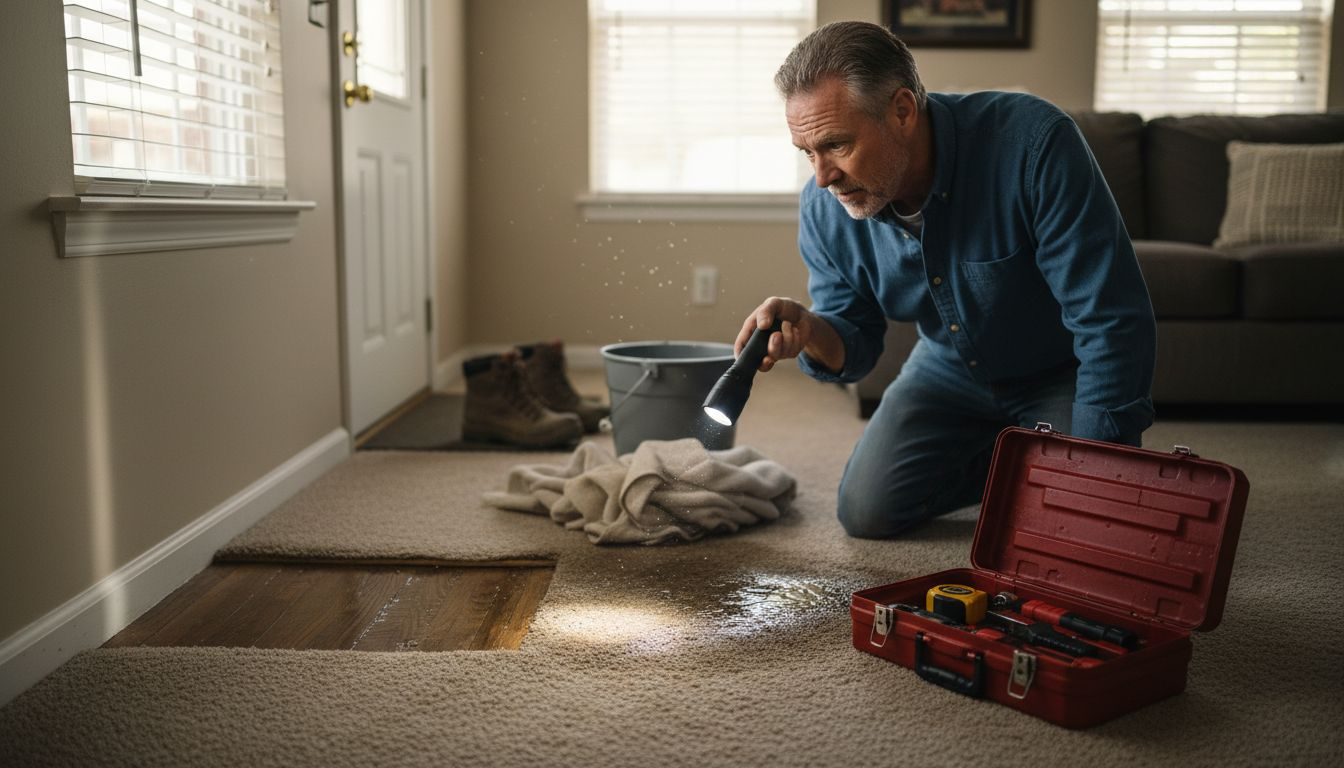
A sudden water emergency at home can leave you overwhelmed–from the rush to stop the flooding to worries about costly repairs and damaged belongings. Taking the right action in those first crucial moments can make all the difference between a simple cleanup and a major disaster. When you know what to do, you can limit damage, protect your property, and keep your family safe.
This list delivers specific steps you can follow for successful water mitigation, so you are always prepared if water strikes unexpectedly. You’ll discover practical tactics for safety, water removal, and preventing long-term issues–giving you confidence and control. Dive in and get ready to learn actionable solutions that will help you protect your home from water damage.
Table of Contents
- 1. Identify and Stop the Source of Water
- 2. Ensure Safety and Turn Off Utilities
- 3. Remove Standing Water Quickly
- 4. Move and Protect Belongings from Damage
- 5. Extract Excess Moisture from Surfaces
- 6. Dry and Dehumidify the Affected Area
- 7. Inspect and Repair Damaged Structures
Quick Summary
| Takeaway | Explanation |
|---|---|
| 1. Identify and stop water source immediately | Quick identification and shutoff of water sources mitigate damage drastically and save restoration costs. |
| 2. Ensure safety before entering affected areas | Turn off utilities, wear protective gear, and assess hazards to protect yourself from potential dangers. |
| 3. Remove standing water swiftly | Rapid removal of standing water prevents structural damage and health risks related to moisture accumulation. |
| 4. Protect and relocate belongings | Strategic movement of valuables minimizes potential destruction from water damage and preserves important items. |
| 5. Thoroughly dry and dehumidify the area | Efficient drying and humidity control prevent mold growth and long-term damage to structures and health. |
1. Identify and Stop the Source of Water
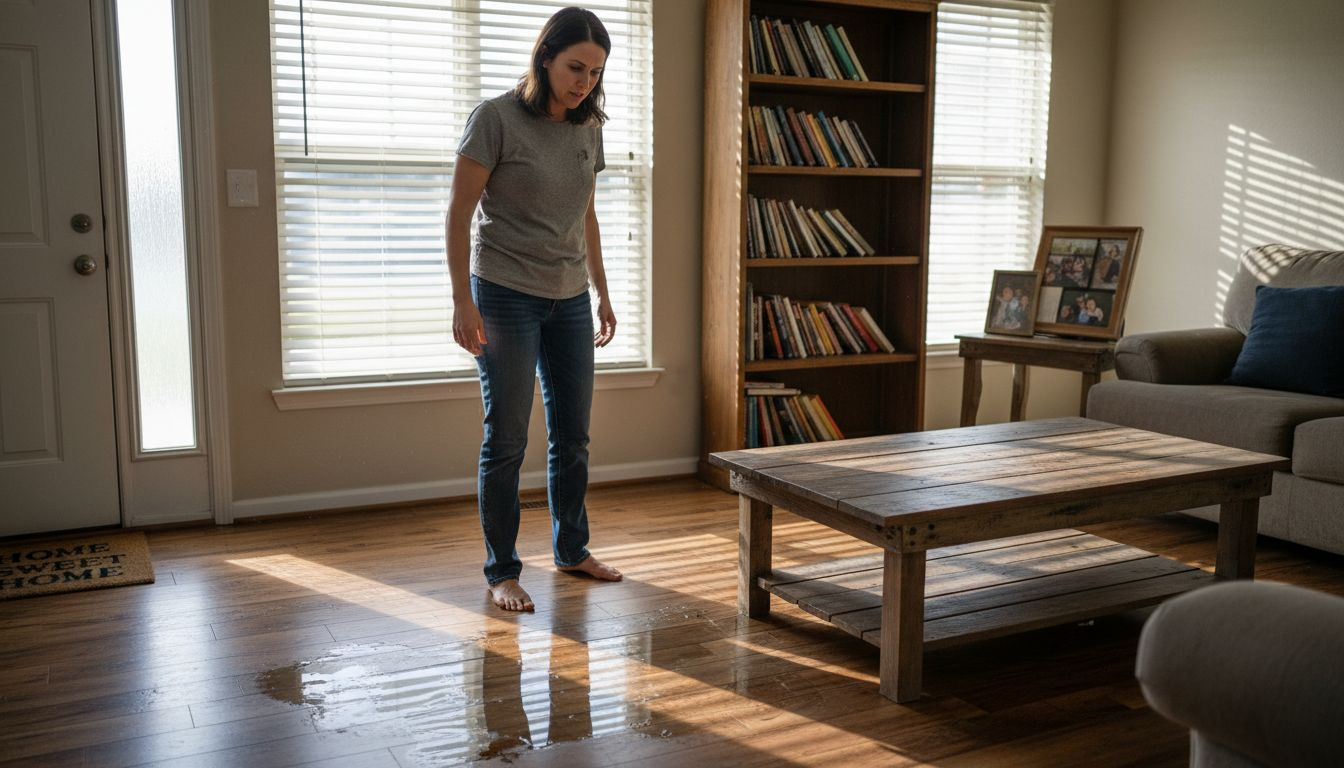
Water damage can transform from a minor inconvenience to a catastrophic home disaster in minutes. Your first critical step in water mitigation is quickly identifying and stopping the water source before additional destruction occurs.
Understanding where water is entering your home requires systematic investigation. Potential sources can include:
- Burst pipes
- Leaking appliances
- Roof or ceiling leaks
- Compromised window seals
- Sewer line backups
- Foundation cracks
To effectively address water intrusion, homeowners must act swiftly. Source water protection strategies emphasize the importance of immediate intervention to prevent long term damage.
Start by locating your home’s main water shutoff valve. This emergency control allows you to completely halt water flow and minimize potential destruction. Most valves are situated near water heaters basement areas or where the main water line enters your property.
Rapid water source identification can save thousands in potential restoration costs.
If you cannot immediately stop the water flow or identify the source professional water mitigation experts can provide rapid assistance and advanced diagnostic techniques.
Pro tip: Keep a flashlight and wrench near your main water shutoff valve for quick emergency access during unexpected water incidents.
2. Ensure Safety and Turn Off Utilities
Water damage emergencies can transform your home into a dangerous environment within minutes. Protecting yourself and your family requires immediate safety precautions before starting any restoration work.
Before entering a water-damaged area, you must systematically assess and neutralize potential hazards. Utility safety during emergencies is critical to preventing electrical shock fire risks or potential gas leaks.
Critical safety steps include:
- Shut off electricity at the main circuit breaker
- Turn off natural gas supply
- Disconnect electrical appliances near water sources
- Wear protective gear like rubber boots and gloves
- Check for visible electrical damage
- Avoid standing water near electrical outlets
Specifically for electrical safety homeowners should:
- Locate your main electrical panel
- Use a dry wooden tool or wear rubber gloves when switching breakers
- Switch off all circuits if significant water exposure is present
- Never touch electrical equipment while standing in water
Safety is not optional. One wrong move can lead to life-threatening consequences.
If you are uncertain about safely managing utility shutoffs professional water mitigation experts can provide rapid assistance and ensure your home remains protected.
Pro tip: Create a laminated emergency utility shutdown guide and keep it near your main electrical panel and gas meter for quick reference during high-stress situations.
3. Remove Standing Water Quickly
Time is your most critical asset when confronting water damage. Rapid water removal prevents catastrophic structural deterioration and minimizes potential long-term health risks from moisture accumulation.
Dealing with standing water requires strategic and immediate action to protect your home’s integrity. Standing water can rapidly cause irreversible damage to flooring electrical systems and building materials.
Effective water removal strategies include:
- Using electric submersible pumps
- Employing wet/dry vacuums with water extraction capabilities
- Utilizing professional-grade water removal equipment
- Removing water manually with buckets and mops
- Creating drainage paths for water flow
Specific removal techniques depend on water volume:
- Small areas: Use towels mops and wet vacuums
- Moderate flooding: Rent commercial water extraction equipment
- Extensive flooding: Contact professional water mitigation services
Every minute counts. Water spreads quickly and can cause permanent damage within hours.
Pay special attention to hidden moisture in carpets walls and under flooring. Even seemingly dry surfaces can harbor destructive moisture that leads to mold growth and structural compromise.
Pro tip: Position fans and dehumidifiers strategically during water removal to accelerate drying and prevent secondary water damage.
4. Move and Protect Belongings from Damage
Water damage can transform your cherished possessions into irreplaceable losses within hours. Quick and strategic relocation of belongings is your first line of defense against widespread destruction.
Protecting furniture and personal items requires a systematic and swift approach to minimize potential damage.
Priority items for immediate protection include:
- Electronics and electrical devices
- Important documents and paperwork
- Family photographs and memorabilia
- High-value furniture
- Expensive clothing and textiles
- Artwork and collectibles
Strategic moving techniques involve:
- Elevate items above water level
- Use waterproof plastic containers
- Move items to dry rooms or upper floors
- Create a staging area for salvageable belongings
- Document item conditions for potential insurance claims
Water damage waits for no one. Your quick action determines your property’s recovery potential.
Consider creating a digital backup of important documents and photographs. Take pictures of items before moving them to help with potential insurance documentation.
Pro tip: Keep a pre-prepared emergency box with waterproof bags plastic sheeting and moving blankets to rapidly protect your most valuable possessions during unexpected water incidents.
5. Extract Excess Moisture from Surfaces
Moisture is the silent destroyer of homes creating perfect conditions for mold and structural deterioration. Rapid and thorough moisture extraction becomes your critical defense against long-term property damage.
Controlling moisture problems requires strategic and comprehensive techniques to prevent potential health and structural risks.
Key moisture extraction tools and methods include:
- High-volume industrial fans
- Professional-grade dehumidifiers
- Moisture detection meters
- Specialized water extraction equipment
- Air movers for surface drying
- Infrared thermal imaging cameras
Prioritize moisture removal through these systematic steps:
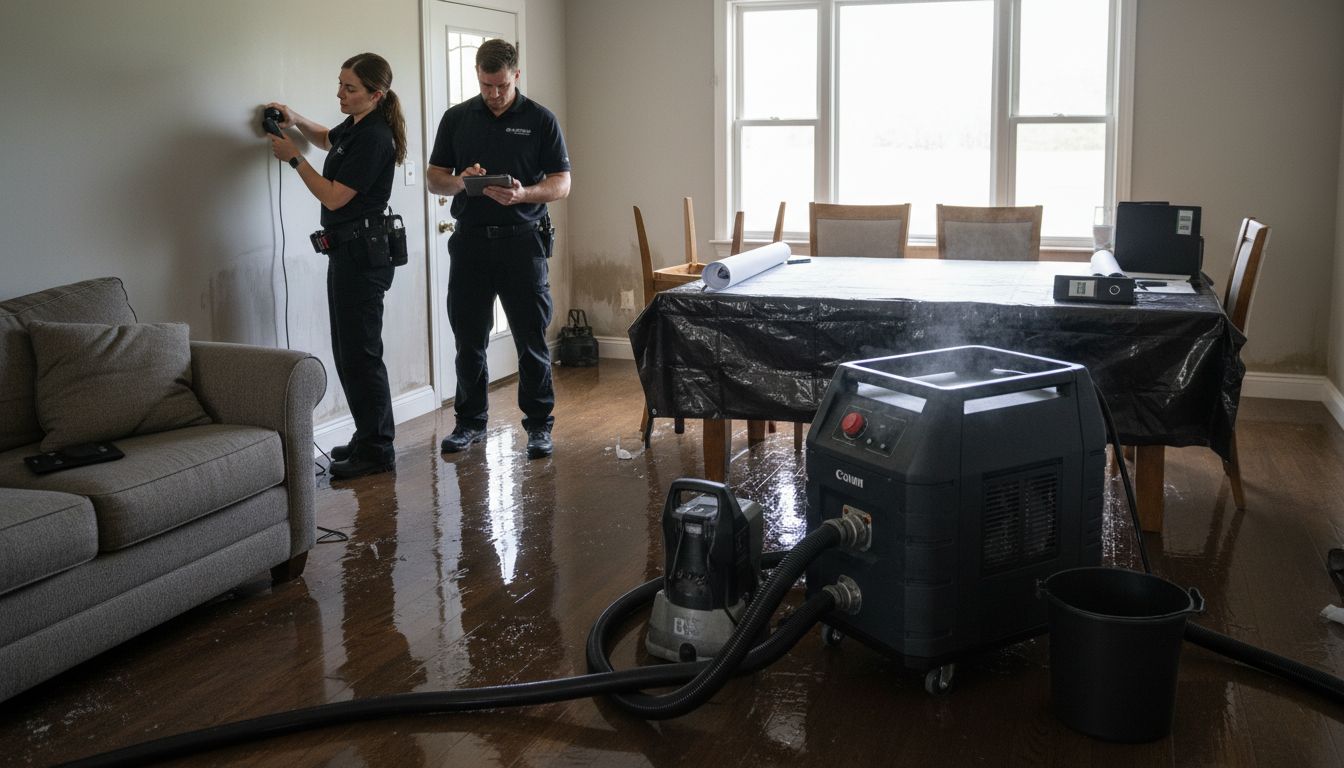
- Use moisture meters to identify hidden wet areas
- Position fans for maximum air circulation
- Remove saturated materials like carpeting
- Set dehumidifiers to reduce ambient humidity
- Monitor moisture levels continuously
Moisture left unchecked transforms from a minor problem to a catastrophic home disaster.
Target specific areas where moisture accumulates most rapidly including wall cavities floor underlayments and hidden spaces behind furniture. Professional moisture mapping can reveal unseen damage zones.
Pro tip: Create airflow pathways by strategically opening windows and doors while running fans to accelerate moisture evaporation and prevent potential mold growth.
6. Dry and Dehumidify the Affected Area
Drying out your water-damaged space is more than a cleanup task its a critical defense against potential structural and health disasters. Comprehensive dehumidification prevents long-term property destruction by eliminating moisture that breeds mold and decay.
Controlling humidity in house requires strategic and thorough moisture management techniques to protect your home’s integrity.
Essential drying and dehumidification equipment includes:
- Commercial-grade dehumidifiers
- High-velocity air movers
- Industrial fans
- Moisture detection meters
- Infrared thermal imaging cameras
- Portable heaters
Effective drying strategies involve:
- Position dehumidifiers in central locations
- Create continuous airflow with multiple fans
- Remove saturated materials
- Monitor humidity levels consistently
- Maintain room temperatures between 70-80 degrees
Effective drying within 24-48 hours can prevent catastrophic mold growth and structural damage.
Focus on hidden moisture zones including wall cavities under flooring and inside enclosed spaces. Professional moisture mapping can reveal unseen problem areas that standard approaches might miss.
Pro tip: Rent commercial-grade dehumidifiers and use multiple units to accelerate drying and prevent potential long-term moisture damage.
7. Inspect and Repair Damaged Structures
Structural damage from water intrusion can compromise your home’s foundation and safety in ways invisible to the untrained eye. Comprehensive structural inspection becomes your critical defense against potential catastrophic failures.
Home inspection tips are essential for identifying potential water damage risks and preventing future structural complications.
Critical areas requiring thorough examination include:
- Foundation walls and concrete slab
- Load-bearing structural elements
- Interior and exterior wall surfaces
- Flooring and subfloor integrity
- Roof and ceiling structures
- Plumbing and electrical systems
Detailed inspection steps involve:
- Check for visible cracks or warping
- Measure moisture levels in building materials
- Assess potential mold growth zones
- Evaluate structural support integrity
- Document all discovered damage
Unaddressed structural damage can transform a minor water incident into a major financial disaster.
Consider hiring professional structural engineers for comprehensive assessments especially after significant water events. They can provide detailed evaluations that go beyond surface-level observations.
Pro tip: Take comprehensive photographs of all damage for insurance documentation and create a systematic repair prioritization checklist to manage restoration efficiently.
Below is a comprehensive table summarizing the main steps and strategies for effectively addressing water damage scenarios as discussed in the article.
| Main Step | Key Points & Actions | Benefits/Outcomes |
|---|---|---|
| Identify and Stop the Source of Water | Locate and shut off the main water valve; examine potential causes such as leaks, broken pipes, or structural issues. | Prevents further damage and reduces restoration costs. |
| Ensure Safety and Turn Off Utilities | Inspect for hazards; turn off electricity, gas, and water; wear protective gear to avoid injury. | Ensures a safe environment for continued mitigation activities. |
| Remove Standing Water Quickly | Use tools such as pumps, wet vacuums, or manual methods to remove visible water; focus on thoroughness. | Reduces immediate damage and prevents moisture-related issues. |
| Move and Protect Belongings | Elevate or relocate priceless and sensitive items such as electronics, documents, and furniture to drier areas. | Protects possessions from irreversible damage. |
| Extract Excess Moisture | Employ dehumidifiers, fans, and moisture meters; inspect hidden spaces that may harbor dampness. | Prevents mold growth and structural weakening. |
| Dry and Dehumidify the Area | Position equipment strategically; monitor humidity levels; ensure proper airflow. | Fully dries the affected environment, safeguarding it from future deterioration. |
| Inspect and Repair Damaged Structures | Evaluate foundations, walls, flooring, and other structural elements for damage; document findings to plan repairs. | Restores the property’s structural integrity and prepares for comprehensive restoration. |
Act Fast to Protect Your Home from Water Damage with Expert Help
Water emergencies can escalate quickly from a single burst pipe or hidden leak into widespread destruction that threatens your home’s structure and prized belongings. This article emphasized how crucial it is to identify the water source, stop further intrusion, remove standing water urgently, and begin drying and dehumidification without delay to prevent costly repairs and health hazards. If you face any water-related disaster or want to prepare proactively, you need a trusted partner with specialized expertise in water extraction, leak detection, and rapid mitigation.
At PuroClean of Northeast Sacramento, we understand the urgency behind every minute that ticks after water damage starts. Our certified restoration professionals use advanced technology for precise water removal, moisture monitoring, and structural drying to restore damaged properties quickly and safely. From emergency water damage response to coordinating repairs and guiding you through insurance claims, we deliver a customer-first approach that puts your peace of mind first.
Don’t wait until moisture leads to mold or structural issues. Take immediate action by contacting PuroClean of Northeast Sacramento for fast, reliable water mitigation services. Protect your investment and family’s safety today with skilled experts who are ready 24/7 to respond when disaster strikes. Learn more about our water damage restoration solutions and secure your home against costly losses now.
Frequently Asked Questions
What should I do first when facing water damage in my home?
To effectively address water damage, quickly identify and stop the source of water. Locate your main water shutoff valve to halt water flow and minimize further damage.
How can I ensure safety before starting restoration work?
Before entering any water-damaged areas, shut off electricity and gas supplies to prevent hazards. Always wear protective gear and check for visible electrical damage to ensure your safety.
What are the best methods for removing standing water?
Rapidly remove standing water using electric pumps or wet/dry vacuums for effective extraction. For small areas, use towels and mops, while moderate flooding may require renting commercial water extraction equipment.
How do I protect my belongings from water damage?
Quickly relocate important items like electronics and documents to higher ground to prevent extensive damage. Use waterproof containers and create a staging area for salvageable belongings, documenting their condition for potential insurance claims.
What steps should I take to extract excess moisture from my home?
Employ high-volume fans and dehumidifiers to extract moisture and prevent mold growth. Place dehumidifiers in central locations and continuously monitor humidity levels to ensure effective drying within 24-48 hours.
How can I inspect for structural damage after water intrusion?
Conduct a thorough inspection of your home’s foundation, walls, and plumbing for any visible damage or moisture accumulation. Document all findings and consider hiring a professional for a comprehensive assessment to address potential issues.
Recommended
- Water Damage Prevention: 12 Measures To Take To Safeguard Your Home From Flooding
- 11 Steps To Take After Flooding: How To Begin And Ensure You Ace The Flood Restoration Process
- Water Mitigation Explained: Complete Guide to Protection – PuroClean of Northeast Sacramento
- What Is Water Mitigation? Complete Breakdown – PuroClean of Northeast Sacramento
- Swim Spa Composite Decking ideas – Deck Kingdom
 PuroClean of Northeast Sacramento