 PuroClean of Northeast Sacramento
 Hardwood Floor Water Damage – Risks and Rapid Recovery
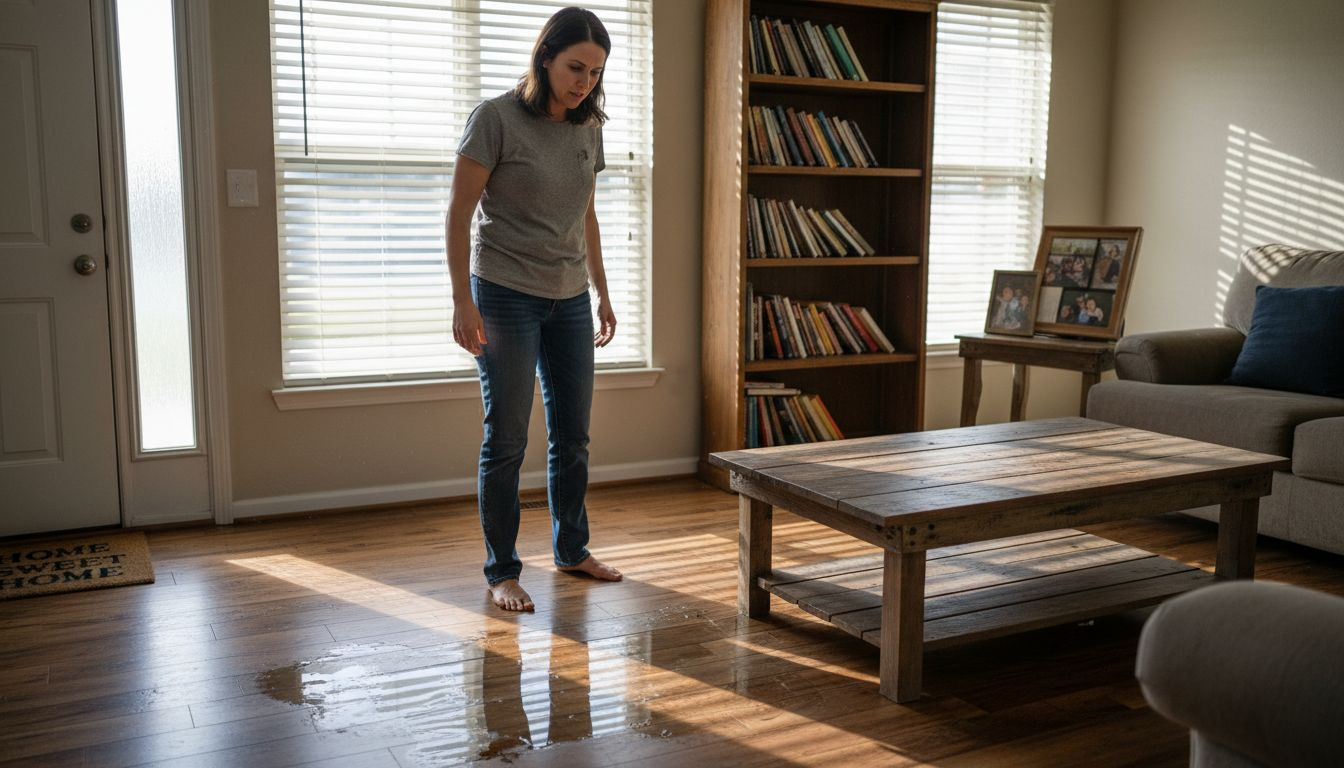
Burst pipes and hidden leaks can leave Northeast Sacramento homeowners with hardwood floors that look fine one moment and then start showing cupping, soft spots, or even mold just days later. Fast action is vital because moisture from water damage creates the perfect breeding ground for mold that can begin spreading in as little as 24-48 hours. This guide explains how water intrusion affects wood, what warning signs to watch for, and why rapid professional restoration makes the difference between saving your floors and a costly replacement.
Table of Contents
- Defining Hardwood Floor Water Damage
- Types of Water Damage and Causes
- How Water Affects Wood Floors
- Recognizing Signs and Severity Levels
- Professional Restoration and DIY Steps
- Long-Term Risks and Prevention Strategies
Key Takeaways
| Point | Details |
|---|---|
| Understanding Water Damage | Prompt action within the first 24-48 hours is critical to salvage hardwood floors and prevent mold growth. |
| Types & Sources of Damage | Plumbing failures are the primary source, highlighting the need for regular inspections and maintenance to mitigate risks. |
| Signs of Damage Severity | Recognizing early signs such as discoloration and cupping enables timely intervention before severe damage occurs. |
| Long-Term Prevention | Maintaining indoor humidity levels and performing routine home inspections can significantly reduce the risk of future water damage. |
Defining Hardwood Floor Water Damage
Water damage to hardwood floors isn’t always immediately obvious. It occurs when water intrudes into wood, triggering a chain of destructive processes that can unfold over days or months. Understanding what’s actually happening inside your flooring helps you act faster when it happens.
At its core, water damage involves loss or destruction caused by water intrusion, including wood rotting, mold growth, bacterial development, and swelling of composite materials. In your Northeast Sacramento home, this might start as a burst pipe in the basement or a slow leak from upstairs plumbing that seeps down through subfloors into your beautiful hardwood.
The damage process moves at different speeds depending on conditions. A sudden flood creates immediate, visible destruction. A slow plumbing leak, however, can quietly damage wood for weeks before you notice cupping, buckling, or soft spots. Moisture creates the perfect environment for mold to begin growing within 24-48 hours, which poses health risks to your family.
What makes hardwood floors particularly vulnerable is their composition. Unlike tile or vinyl, wood absorbs water readily. Once saturated, the wood fibers swell and lose their structural integrity. The finish separates from the surface, and the wood begins to cup (edges lifting) or buckle (dramatic warping). Beyond structural concerns, bacteria thrive in wet wood, creating odor problems that linger even after drying.
The National Wood Flooring Association provides technical standards for identifying and managing water damage in wood floors, establishing industry-recognized criteria for what qualifies as damage and restoration requirements. This matters for insurance claims and ensuring proper repair work.
Damage severity varies dramatically. Minor water exposure to the surface layer might be reversible with prompt drying. Deep saturation affecting the subfloor and structural components usually means replacement. The key difference comes down to how quickly you respond and how much moisture penetrated beneath the surface.
Pro tip: Act within the first 24-48 hours of discovering water on hardwood floors, as this window is critical for salvaging materials and preventing mold colonization and irreversible structural damage. Contact a water restoration specialist immediately, especially for plumbing-related damage from burst pipes or appliance failures.
Types of Water Damage and Causes
Not all water damage is created equal. In Northeast Sacramento, homeowners face different types of water intrusion depending on the source, and each presents distinct risks to your hardwood floors. Understanding where water comes from helps you prevent it and respond appropriately when it strikes.
Plumbing failures are the primary culprit in most residential water damage. Broken pipes, burst hoses, and leaking fixtures account for the majority of hardwood floor damage in homes like yours. A cracked pipe in your wall or a faulty washing machine connection can release hundreds of gallons before you notice dampness on the floor above. Dishwasher malfunctions, toilet overflows, and water heater failures also rank high. These incidents happen suddenly and demand immediate action.
Appliance-related damage requires special attention. Your washing machine sits directly above or near hardwood spaces in many homes. When the inlet hose ruptures or the drum overflows, water flows downward, saturating subfloors before you see it. The same applies to refrigerators with ice makers and water dispensers. These slow leaks can damage hardwood for weeks without obvious signs.
Common plumbing sources include:
- Burst or frozen pipes in walls
- Leaking under-sink connections
- Faulty water heater installations
- Cracked toilet seals or overflows
- Burst washing machine hoses
- Dishwasher supply line failures
Roof and gutter failures create another damage category. When gutters clog or downspouts direct water toward your foundation, water seeps into the crawlspace and rises into hardwood floors. Regular plumbing and roof maintenance significantly reduces damage risk. Flooding from external water events also damages hardwood, though this differs from internal plumbing failures in scope and insurance coverage.
One critical detail: many homeowners insurance policies exclude sewer backup damage unless specifically endorsed. This matters if ground-level hardwood floors experience backup from municipal sewers. Understanding your coverage prevents costly surprises.
The source determines your restoration approach and what PuroClean’s specialists focus on first. Plumbing leaks require locating and stopping the water source. Appliance failures need the equipment replaced or repaired. Flood damage demands aggressive extraction and structural drying. Each scenario demands different expertise and speed.
Here’s how different sources of hardwood floor water damage compare:
| Damage Source | Typical Cause | Risk Level | Common Response |
|---|---|---|---|
| Plumbing Failure | Burst or leaking pipes | High | Immediate extraction |
| Appliance Malfunction | Washer, dishwasher leaks | Moderate to High | Repair & drying |
| Roof/Gutter Issues | Blocked gutters, drainage | Moderate | Redirect water, repair |
| Flooding | External water entry | Very High | Aggressive drying |
| Sewer Backup | Clogged municipal sewers | Severe | Remediation, replacement |
Pro tip: Check your homeowner’s insurance policy now to understand what water damage is covered, especially for sewer backup and appliance-related flooding, so you know exactly what to expect if damage occurs.
How Water Affects Wood Floors
Wood is living material, even after it’s been milled and installed in your home. It responds to moisture like a sponge, absorbing and releasing water based on humidity levels. When water damage strikes, this natural behavior turns catastrophic.
The moment water contacts wood fibers, absorption begins. Your hardwood floor starts swelling as water fills the cellular structure. This creates pressure beneath the surface finish, causing the wood to expand unevenly. You’ll notice cupping first, where the edges of boards lift higher than the center, creating a valley effect across the floor. Severe cases progress to buckling, where entire boards warp and buckle upward, making the floor unsafe to walk on.
Excessive moisture causes wood to absorb water, leading to swelling, warping, cupping, and buckling. In your Northeast Sacramento home, this happens fast. A burst pipe can saturate subfloor wood within hours, triggering permanent deformation that no amount of drying can reverse.
Beyond visible warping, water damage weakens structural integrity. Wood loses its strength when saturated. Subfloor wood that should support floor loads becomes soft and compromised. This creates squeaking, movement, and eventually, collapsed sections of flooring. The wood also becomes a breeding ground for bacteria and mold, which consume the wood fibers themselves.
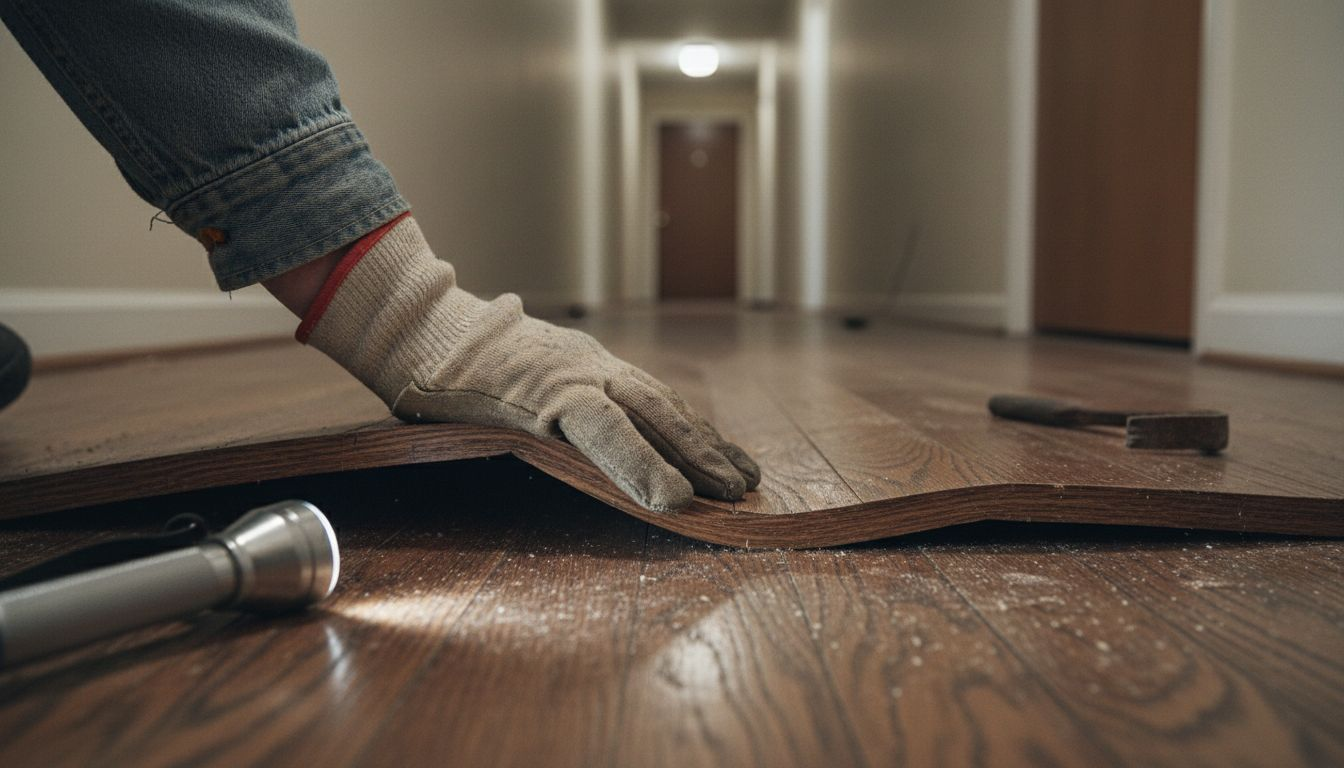
The finish layer separates from swollen wood, creating gaps and allowing more water penetration. Your beautiful polyurethane or oil finish peels and discolors. Staining appears as dark water marks that often remain even after drying. The longer wood stays wet, the deeper the damage extends into multiple layers.
Key damage stages:
- Surface absorption (0-2 hours)
- Finish separation and cupping (2-8 hours)
- Deep wood saturation (8-24 hours)
- Mold colonization begins (24-48 hours)
- Structural failure risk (48+ hours)
Maintaining consistent indoor relative humidity between 30-50% prevents moisture fluctuations that damage wood over time. Once water damage occurs, immediate extraction and structural drying become critical. The difference between salvageable floors and replacement often comes down to response speed within those first 24 hours.
Pro tip: If water covers your hardwood floors, turn off the water source immediately, open windows for ventilation, and call a water restoration specialist within the first 2 hours, as rapid response directly determines whether your floors can be saved or must be replaced.
Recognizing Signs and Severity Levels
Water damage doesn’t announce itself loudly. Sometimes it whispers through subtle signs you might miss until the problem becomes serious. Learning to spot these warnings early gives you time to act before your hardwood floor becomes unrepairable.
Start by looking at the surface. Discoloration appears first, often as dark streaks or spots where water has penetrated the finish. These marks don’t match your floor’s normal appearance. You might notice a slight sheen or dull area where moisture has affected the protective coating. Run your hand across the surface. Does it feel sticky or rougher than normal? That indicates moisture sitting beneath the finish.
Physical changes tell a bigger story. Signs of water damage include discoloration, warping, swelling, cupping, buckling, and cracked or split boards. Cupping appears as edges lifting higher than the center, creating a subtle valley pattern you can feel with your foot. The floor might feel soft or spongy in certain areas. Listen for new squeaking sounds when you walk, which indicates wood movement or subfloor separation.
Severity Classification
Minor damage involves surface-level moisture affecting only the finish and top veneer. Discoloration is present but no warping has occurred. This stage allows for targeted drying and possible restoration without replacement.
Moderate damage shows visible cupping or slight buckling. Multiple boards display warping, but the structure remains intact beneath. Drying becomes more complex, and some boards may require replacement.
Severe damage includes significant buckling where boards lift noticeably from the subfloor. The floor feels unstable underfoot. Subfloor saturation has occurred, threatening structural integrity. Most affected areas require complete replacement.
The distinction between these levels determines whether professionals can salvage your floors or must remove and replace them. A floor with minor cupping caught within 24 hours might dry successfully. That same floor left wet for a week becomes a replacement scenario.
Use this table to recognize and act on water damage severity:
| Severity Level | Main Indicators | Repair Approach |
|---|---|---|
| Minor | Surface stains, slight cupping | Rapid drying, minimal repairs |
| Moderate | Visible warping, mild buckling | Some replacement, professional drying |
| Severe | Buckled boards, mold, soft spots | Floor/subfloor replacement, full restoration |
Odor provides another diagnostic clue. A musty, earthy smell indicates mold colonization has begun, pushing the damage into urgent territory. This happens within 24-48 hours in humid Northeast Sacramento conditions.
Pro tip: When you notice any discoloration or soft spots on your hardwood, photograph the area and document the exact location, then contact a restoration specialist immediately for a moisture assessment, as early detection of severity prevents costly full floor replacement.
Professional Restoration and DIY Steps
When water damage strikes your hardwood floors, you face a critical decision. Do you attempt damage control yourself, or call in professionals? The answer depends on damage severity, but understanding both approaches helps you make the right call quickly.
Immediate response matters more than who does it. The first 24 hours determine whether your floors survive. Start by stopping the water source. Turn off the main water valve if a pipe burst, or shut down the appliance causing the leak. Open windows and doors to create air movement. Use towels to remove standing water from the surface. Every minute counts during this initial phase.
Next comes extraction and drying. Professional water damage restoration follows detailed procedures including inspection, drying, and final evaluation guided by industry standards. Professionals use industrial-grade dehumidifiers and air movers that accelerate drying far beyond what household fans accomplish. They measure moisture levels in wood at multiple depths, ensuring complete drying before restoration begins.
For minor surface water exposure, you can handle initial steps yourself. Remove standing water immediately and dry affected wood surfaces properly to prevent mold growth. Use towels, a wet vacuum if available, or mops to extract moisture. Open windows if outdoor humidity is lower than indoor levels. However, once water has penetrated beneath the surface or affected subfloors, professional involvement becomes essential.
Professionals bring moisture detection tools you don’t have. They identify hidden saturation in subfloors and structural components that look dry on the surface. They coordinate with your insurance company, documenting damage thoroughly for claims. They understand which materials can be salvaged and which must be replaced. They handle the technical restoration work that demands specialized equipment and expertise.
When to Call Professionals
Call immediately if water has reached subfloors or the damage covers an area larger than 100 square feet. Call if the damage resulted from sewage or contaminated water. Call if you notice any softness or sponginess in the wood structure. Don’t wait for visible mold.
In Northeast Sacramento, water restoration specialists respond to emergencies 24/7. The difference between a salvageable floor and total replacement often comes down to professional intervention within those critical first hours. Your insurance claim also depends on documented professional assessment.
Pro tip: Document all water damage with photographs immediately, note the time you discovered it, and contact a certified water restoration specialist within 2 hours rather than attempting DIY drying, as professional equipment and expertise dramatically increase the chances of saving your hardwood floors and protecting your insurance claim.
Long-Term Risks and Prevention Strategies
Water damage doesn’t always end when the floor dries. Moisture that penetrated deep into wood creates long-term risks that haunt homeowners for years. The good news is that prevention strategies work, and many are simple enough to implement today.
Mold represents the most dangerous long-term consequence. It colonizes wet wood within 24-48 hours and spreads through subfloors and wall cavities where you can’t see it. Mold damages wood from within, consuming the cellulose that gives wood strength. It also triggers respiratory issues, especially for children and older adults. Once established, mold remediation costs thousands and requires professional intervention. Prevention stops this before it starts.
Long-term risks of water damage include persistent warping, mold growth, finish failure, and potential structural damage. Even after visible drying, wood that absorbed significant moisture warps unpredictably. Boards cup or buckle months later as humidity fluctuates. Finish failure becomes apparent as adhesion breaks down and discoloration spreads. Subfloor deterioration compromises floor stability.
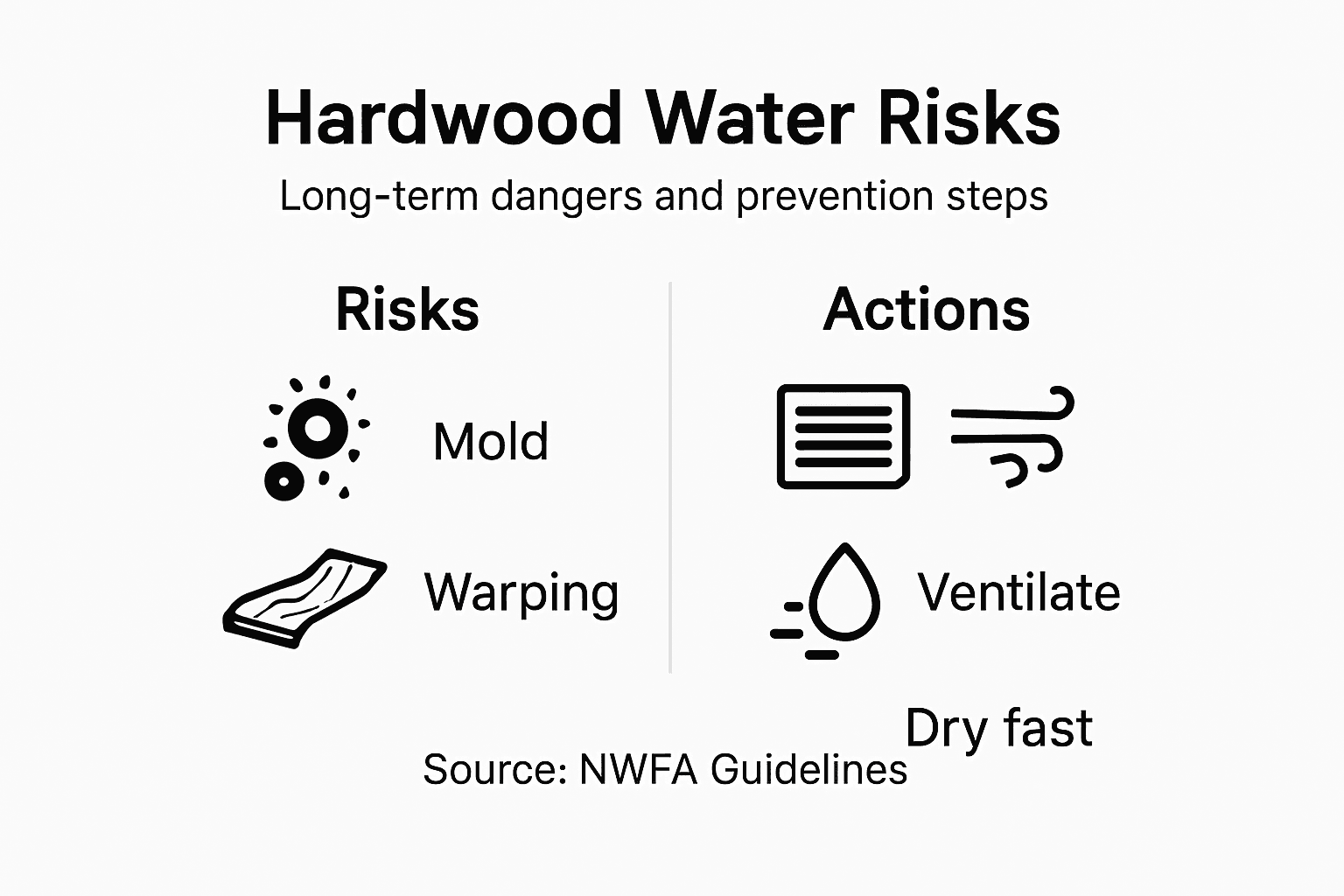
Prevention strategies focus on three areas: controlling moisture, maintaining your home, and responding fast.
Moisture Control
Keep indoor humidity between 30-50 percent. Use dehumidifiers in basements and crawlspaces where humidity naturally rises. Ensure bathroom and kitchen exhaust fans vent moisture outside, not into attics. Run air conditioning during humid months, which naturally reduces indoor moisture.
Home Maintenance
Regular home inspections, gutter maintenance, and proper grading and drainage away from the home prevent water damage. Clean gutters quarterly to prevent water from backing up and seeping under roofing. Ensure downspouts extend at least 6 feet from your foundation. Grade soil away from your home so water runs toward the street, not toward your walls.
Inspect plumbing annually. Look under sinks for slow leaks. Check water heater connections. Replace washing machine hoses every 5 years regardless of appearance. Install water sensors near water heaters, under sinks, and in basements. These devices alert you to leaks before significant damage occurs.
Quick Response
Speed beats everything. The moment you discover water, act. Stop the source. Extract standing water. Create air movement. Call professionals immediately for any significant exposure. Your insurance company will thank you, and your floors might survive.
Pro tip: Install water leak sensors in your basement and near appliances, check your insurance coverage for water damage exclusions now, and establish a routine to inspect gutters and downspouts quarterly, as these three actions prevent 70 percent of residential water damage to hardwood floors.
Fast and Expert Help for Hardwood Floor Water Damage in Northeast Sacramento
Water damage to hardwood floors can quickly turn from a minor inconvenience into a costly, stressful problem. Whether it is from a burst pipe, appliance failure, or slow leak, the risk of swelling, warping, mold growth, and permanent floor replacement grows every hour you delay professional help. You need fast, reliable water extraction and structural drying by experts who understand the urgency and science behind wood floor restoration.
Do not wait for cupping or buckling to appear—take action now. At PuroClean of Northeast Sacramento we specialize in rapid mitigation of water damage, plumbing leak detection, and coordinating repairs to stop water intrusion at the source. Our certified technicians use advanced equipment to thoroughly dry and restore your hardwood floors, helping you avoid costly replacements and mold problems later. Protect your home investment and health by contacting us immediately for emergency water damage response. Learn more about how we save hardwood floors and what to do next at PuroClean of Northeast Sacramento.
Frequently Asked Questions
What are the common causes of water damage to hardwood floors?
Common causes include plumbing failures such as burst pipes, leaking fixtures, and appliance malfunctions like washing machines and dishwashers. Roof and gutter failures can also lead to water intrusion, as well as flooding from external sources.
How can I identify water damage on my hardwood floors?
Look for visible signs such as discoloration, soft or spongy spots, warping, cupping, and buckling. Discoloration often appears as dark stains, while physical changes like lifting edges or instability underfoot indicate more severe damage.
What should I do first after discovering water on my hardwood floors?
Immediately stop the water source if possible, and remove standing water using towels or a wet vacuum. Open windows for ventilation and contact a water restoration specialist within two hours to increase the chances of salvageable floors.
How does water affect the structure of hardwood floors over time?
Water causes hardwood to absorb moisture, leading to swelling, warping, and loss of structural integrity. If not addressed promptly, the wood may develop mold, bacteria, and permanent deformation, often resulting in the need for replacement.
Recommended
How to Repair Hardwood Floor Water Damage Step by Step
How to Repair Hardwood Floor Water Damage Step by Step
 PuroClean of Northeast Sacramento