 PuroClean of Northeast Sacramento
 7 Real-Life Examples of Biohazard Cleanups Explained
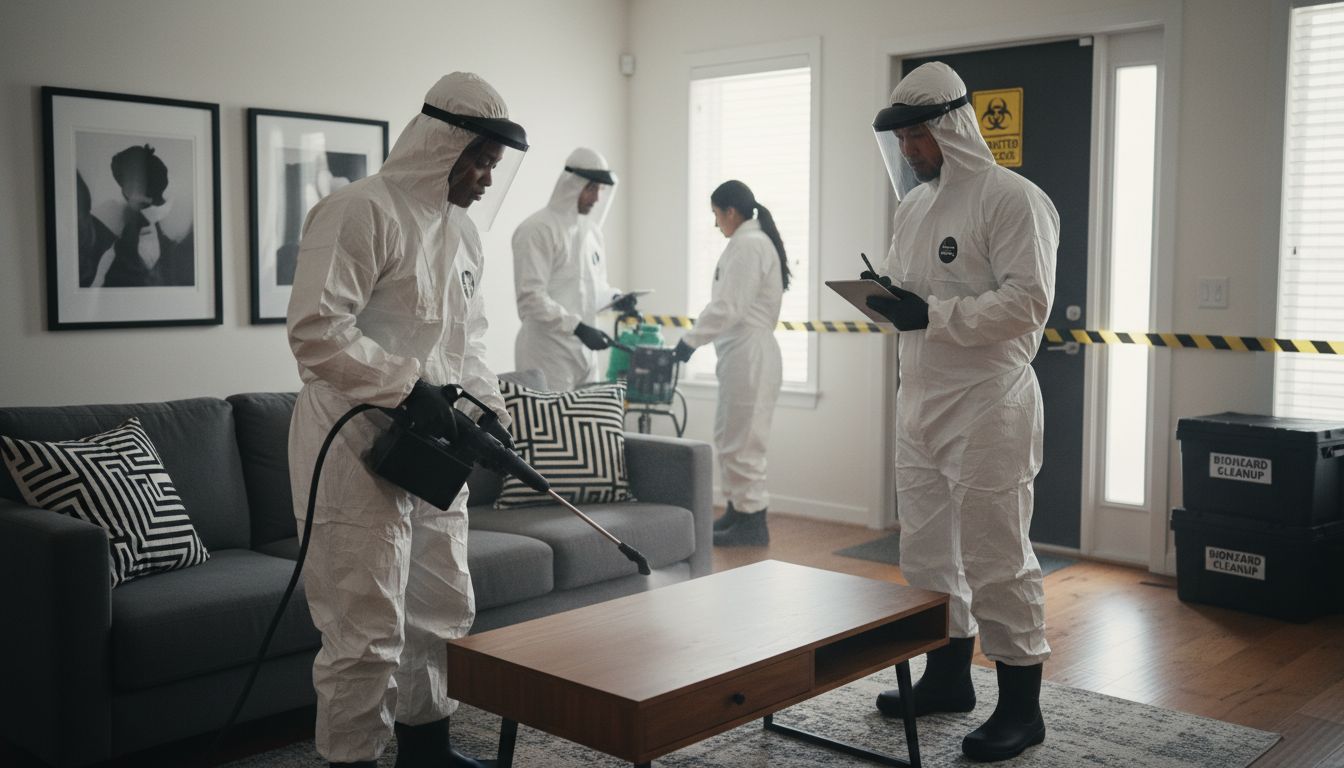
Biohazard cleanup is more vital than many realize, since improper handling can lead to the spread of dangerous pathogens that may cause severe illness. Whether after a traumatic event or an accident, the risks from biological contaminants extend far beyond what ordinary cleaning products can address. Knowing how professionals protect your health in these situations helps property owners make safer choices and avoid long-term hazards that could threaten families or businesses.
Table of Contents
- 1. Understanding Biohazard Cleanup And Its Importance
- 2. Blood Spill Cleanup After Accidents Or Injuries
- 3. Crime Scene Cleanup Procedures And Standards
- 4. Handling Sewage Backup And Waste Contamination
- 5. Dealing With Unattended Death Cleanups Safely
- 6. Animal Waste And Dead Animal Remediation Methods
- 7. Preventing Mold And Pathogen Spread During Cleanup
Quick Summary
| Takeaway | Explanation |
|---|---|
| 1. Professional Biohazard Cleanup Is Essential | Trained teams ensure safe removal of hazardous materials, protecting public health and safety during cleanup. |
| 2. Specific Protocols Are Critical for Blood Spill Cleanup | Blood spills require immediate containment and specialized cleaning techniques to prevent disease transmission effectively. |
| 3. Crime Scene Cleanup Demands Forensic Precision | Proper handling of crime scenes necessitates meticulous documentation and adherence to scientific protocols for health safety. |
| 4. Sewage Backup Requires Immediate Professional Response | DIY attempts can exacerbate health risks; professionals ensure comprehensive decontamination from toxic waste exposure. |
| 5. Animal Waste Cleanup Is Complex and Hazardous | Specialized procedures are necessary for safe remediation of animal waste to prevent potential disease transmission and contamination. |
1. Understanding Biohazard Cleanup and Its Importance
Biohazard cleanup represents a critical public health and safety procedure that goes far beyond simple cleaning. This specialized process involves the professional removal and decontamination of potentially infectious biological materials that pose serious health risks to humans.
According to research from Stanford University, biohazard cleanup requires meticulous attention to established protocols to prevent exposure and ensure comprehensive safety. The primary goal is protecting personnel and the public from potential infectious agents that could cause significant health complications.
Key Aspects of Biohazard Cleanup Include:
- Safe removal of hazardous biological materials
- Comprehensive decontamination procedures
- Strict adherence to professional safety standards
- Use of specialized protective equipment
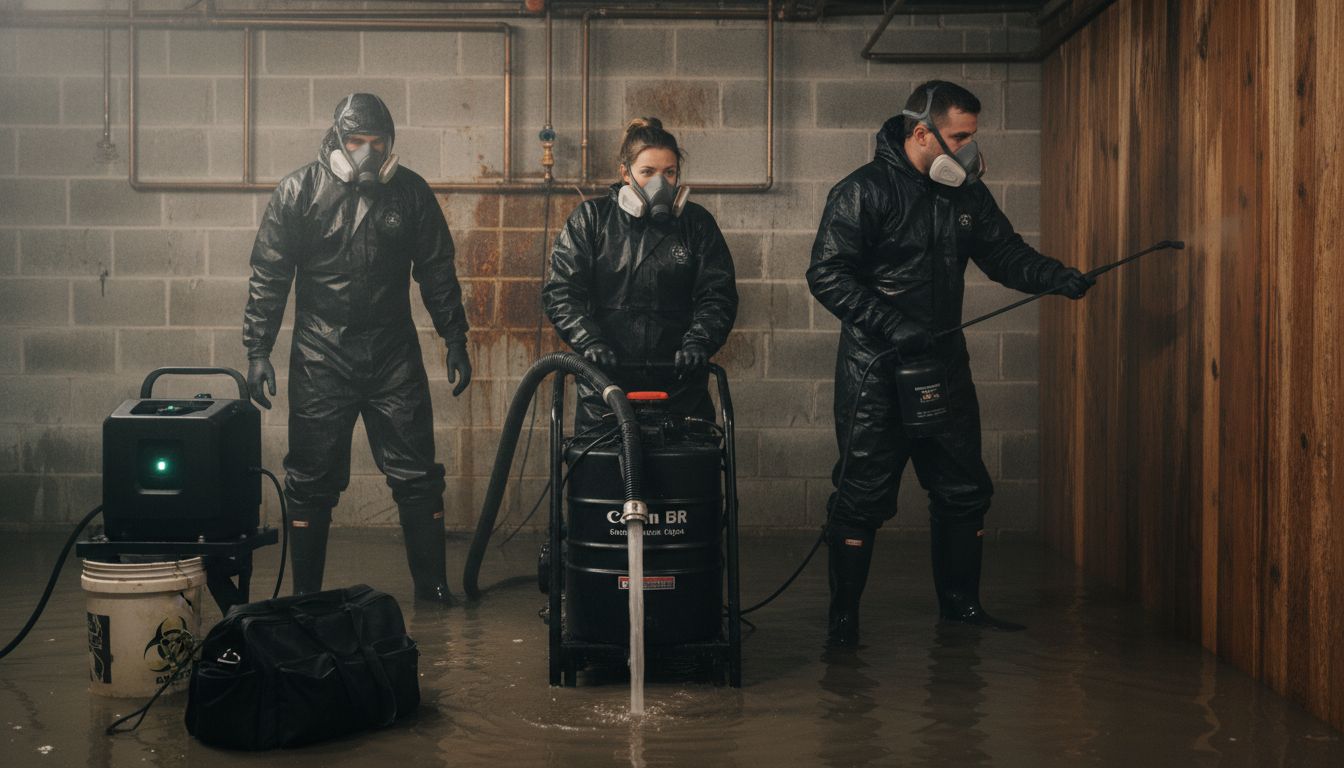
Professional biohazard cleanup teams are trained to handle scenarios ranging from crime scenes and accident sites to medical facilities and industrial environments. They utilize advanced techniques and specialized equipment to neutralize potential biological threats effectively. For instance, a professional team will wear full personal protective equipment, use specialized cleaning agents, and follow precise disposal protocols to eliminate all potential contamination risks.
Why Certified Biohazard Cleanup Alexandria Matters for Safety highlights the importance of professional expertise in managing these complex cleanup scenarios. Without proper training and equipment, individuals risk severe health consequences from improper handling of biohazardous materials.
Research from the New Jersey Institute of Technology emphasizes that effective biohazard cleanup is not just about cleaning a space but preventing environmental contamination and protecting public health. This means going beyond surface cleaning to ensure complete elimination of potential biological risks.
For property owners and managers, understanding biohazard cleanup means recognizing when professional intervention is necessary. Whether dealing with blood spills, infectious waste, or potentially contaminated environments, the stakes are too high to attempt cleanup without specialized knowledge and equipment.
2. Blood Spill Cleanup After Accidents or Injuries
Blood spills present complex biohazard risks that require immediate and professional intervention. Unlike typical cleaning scenarios, blood spills demand specialized handling to prevent potential disease transmission and ensure complete decontamination.
Research from Stanford University highlights critical safety protocols for managing blood spills effectively. Key Safety Considerations Include:
- Wearing appropriate personal protective equipment
- Using specialized cleaning techniques
- Following strict decontamination procedures
- Properly disposing of contaminated materials
Professional biohazard cleanup teams understand that blood can potentially carry infectious pathogens such as HIV, hepatitis B, and hepatitis C. This means that cleanup is not just about removing visible traces but comprehensively neutralizing potential health risks.
Blood & Bodily Fluid Remediation experts recommend a systematic approach to blood spill management. According to research from Montana University, specific steps are crucial for safe cleanup:
Immediate Response Protocol:
- Isolate the affected area
- Put on protective gear like gloves and face masks
- Cover the spill with absorbent materials
- Apply a 1:10 bleach solution
- Allow 30 minutes of exposure time
- Carefully dispose of contaminated materials in biohazard bags
While minor blood spills might seem manageable, professional intervention becomes critical in scenarios involving significant blood volume or potential pathogen exposure. Attempting cleanup without proper training can lead to incomplete decontamination and increased health risks.
Homeowners, workplace managers, and facility operators must recognize when professional biohazard cleanup is necessary. Understanding these protocols can protect human health and prevent potential disease transmission in various settings from homes to medical facilities.
3. Crime Scene Cleanup Procedures and Standards
Crime scene cleanup represents one of the most complex and emotionally challenging biohazard restoration processes. Beyond the visible aftermath of traumatic events, these scenarios demand rigorous scientific protocols to protect human health and ensure complete environmental restoration.
According to research from the Vanderbilt University Medical Center, crime scene cleanup requires specialized procedures that go far beyond standard cleaning techniques. Professional teams must navigate intricate safety protocols while managing potentially traumatic environments.
Critical Components of Crime Scene Cleanup Include:
- Comprehensive biohazard assessment
- Specialized protective equipment
- Advanced decontamination techniques
- Regulated waste disposal methods
- Psychological sensitivity
Research from Texas A&M University highlights the multifaceted nature of crime scene restoration. Professionals must meticulously notify appropriate authorities, secure the impacted area, and utilize specific disinfectants designed to neutralize potential biological and chemical contaminants.
Crime Scene Cleanup for a Home in the Washington DC Area underscores the importance of professional intervention. The cleanup process involves more than physical restoration it requires emotional intelligence and respect for the affected space.
Unlike typical cleaning scenarios, crime scene cleanup demands forensic precision. Technicians must document every stage of the restoration process, ensuring that all biological materials are safely removed and the environment is returned to a habitable condition. This involves specialized equipment like industrial grade respirators, full body protective suits, and medical grade cleaning solutions.
The psychological impact of crime scene cleanup cannot be understated. Professionals in this field must balance technical expertise with compassionate understanding, recognizing that they are not just cleaning a space but helping individuals begin the healing process after traumatic experiences.
4. Handling Sewage Backup and Waste Contamination
Sewage backup represents one of the most dangerous biohazard scenarios a property owner can encounter. This complex contamination event involves potentially toxic biological materials that pose immediate health risks to humans and animals.
Research from the University of Massachusetts Lowell emphasizes the critical nature of sewage backup response. Immediate Action Steps Include:
- Evacuating the contaminated area
- Preventing direct contact with waste materials
- Using appropriate protective equipment
- Documenting the extent of contamination
Potential Health Risks of Sewage Exposure:
- Bacterial infections
- Viral transmissions
- Parasitic contaminations
- Respiratory complications
Sewage and Sewer Backup in Basement: Causes and How To Handle Them highlights the multifaceted challenges of waste contamination. Professional teams understand that sewage backup is more than a simple cleaning task it requires comprehensive biological decontamination.
Professional biohazard cleanup teams utilize specialized techniques to manage sewage contamination. This involves industrial grade protective gear, advanced cleaning solutions, and precise disposal protocols. The goal extends beyond visible cleaning to complete biological neutralization.
Research from the University of New Hampshire suggests critical waste management procedures:
- Use leak proof containment vessels
- Label all contaminated materials
- Follow strict environmental disposal regulations
- Prevent cross contamination
Homeowners and property managers must recognize that sewage backup is not a do it yourself project. The potential for disease transmission and environmental contamination requires professional intervention. Attempting amateur cleanup can expose individuals to serious health risks and potentially spread dangerous pathogens throughout a property.
5. Dealing with Unattended Death Cleanups Safely
Unattended death scenes represent one of the most challenging and emotionally complex biohazard scenarios professionals encounter. These situations demand extraordinary care, precision, and emotional sensitivity to address both physical contamination and psychological trauma.
Research from UC Berkeley highlights the critical nature of proper cleanup procedures. Unique Challenges of Unattended Death Scenes Include:
- Advanced decomposition processes
- Potential pathogen exposure
- Complex biological contamination
- Psychological impact on family members
Potential Health Risks During Unattended Death Cleanup:
- Bacterial contamination
- Blood borne pathogen exposure
- Respiratory hazards
- Potential viral transmission
Guide to Biohazard Cleanup Alexandria VA for Owners emphasizes the importance of professional intervention. Unattended death cleanup is not simply about removing visible remains but comprehensively neutralizing biological risks.
Professional biohazard teams approach these scenarios with medical grade protective equipment and specialized decontamination techniques. They understand that decomposition creates unique challenges beyond typical cleaning scenarios. Bodily fluids can penetrate multiple surfaces creating complex contamination zones that require scientific precision to address.
The cleanup process involves multiple strategic steps designed to protect both human health and property integrity. Technicians must carefully document the scene, use industrial strength disinfectants, remove contaminated materials, and restore the space to a safe condition.
Family members and property owners should never attempt these cleanups independently. The potential for disease transmission and psychological trauma demands professional expertise. Trained biohazard professionals combine technical skills with compassionate understanding to help individuals navigate these incredibly difficult moments.
6. Animal Waste and Dead Animal Remediation Methods
Animal waste and deceased animal cleanup represent complex biohazard scenarios that demand specialized scientific approaches to prevent potential disease transmission and environmental contamination. These situations extend far beyond basic cleaning and require precise technical intervention.
Biological Risks Associated with Animal Waste Include:
- Bacterial infections
- Parasitic transmission
- Viral contamination
- Potential zoonotic disease spread
Critical Handling Requirements:
- Use leak proof containment materials
- Apply appropriate personal protective equipment
- Follow strict disposal protocols
- Neutralize potential pathogen zones
Biohazard Remediation experts understand that animal waste cleanup involves more than surface treatment. Professional teams assess the entire contamination zone to prevent potential health risks.
Research from the University of Massachusetts Lowell emphasizes the importance of systematic removal processes. Dead animals and their waste can quickly become breeding grounds for dangerous microorganisms. Professional biohazard teams use industrial strength disinfectants and specialized techniques to completely neutralize potential contamination zones.
Homeowners and property managers must recognize that DIY approaches can significantly increase health risks. Improper handling can spread pathogens across surfaces and create long term environmental hazards. Professional remediation ensures comprehensive biological decontamination using scientifically validated procedures.
Beyond physical cleanup, these scenarios require understanding potential disease transmission pathways. Technicians must carefully document the cleanup process, remove all contaminated materials, and restore the space to a completely safe condition. The goal extends beyond visible cleaning to creating a totally sanitized environment.
7. Preventing Mold and Pathogen Spread During Cleanup
Biohazard cleanup involves complex scientific procedures designed to prevent the unintended spread of dangerous microorganisms. Understanding how to manage potential contamination zones becomes crucial for protecting human health and environmental safety.
Critical Prevention Strategies Include:
- Establishing strict containment protocols
- Using advanced personal protective equipment
- Implementing systematic decontamination techniques
- Controlling environmental transmission pathways
Potential Risks During Improper Cleanup:
- Airborne pathogen transmission
- Cross contamination between surfaces
- Respiratory infection potential
- Long term environmental hazards
Mold Cleaning Do’s and Don’ts highlights the intricate nature of managing biological contamination. Professional teams understand that preventing pathogen spread requires more than basic cleaning procedures.
Research from Vanderbilt University Medical Center emphasizes the importance of comprehensive containment strategies. Technicians must create controlled environments that prevent microscopic organisms from migrating to uncontaminated zones. This involves using specialized negative air pressure systems, advanced filtration equipment, and precise removal protocols.
Professional biohazard teams employ multiple layers of protection. They utilize industrial grade personal protective equipment including full body suits, respirators with HEPA filtration, and multiple layers of protective gloves. Every action is calculated to minimize potential transmission risks.
Property owners should understand that DIY approaches can dramatically increase health risks. Professionals follow systematic procedures that go beyond surface treatment. They assess entire contamination zones, document cleanup processes, and ensure complete neutralization of potential biological threats.
Below is a comprehensive table summarizing the key aspects, processes, and considerations discussed throughout the article on biohazard cleanup.
| Area | Primary Actions | Key Outcomes |
|---|---|---|
| Biohazard Cleanup | Safe removal of materials; decontamination; safety standards adherence | Protects health; prevents contamination |
| Blood Spill Management | Use PPE; specialized cleaning; decontamination; proper disposal | Neutralizes health risks; prevents disease transmission |
| Crime Scene Cleanup | Assess biohazards; use advanced techniques; sensitive handling | Environment restoration; respects emotional impact |
| Sewage Backup | Evacuate area; prevent contact; document contamination | Minimizes health hazards; ensures safety |
| Unattended Deaths | Handle decomposition; use protective gear; psychological sensitivity | Protects health; respects emotional trauma |
| Animal Waste Remediation | Use containment; PPE; disposal protocols | Prevents disease; ensures safety |
| Mold & Pathogen Prevention | Containment protocols; PPE; decontamination | Protects health; prevents pathogen spread |
Trust PuroClean of Northeast Sacramento for Expert Biohazard Cleanup When Safety Is Non-Negotiable
The article sheds light on the demanding nature of biohazard cleanup tasks such as blood spill remediation, crime scene restoration, sewage backups, and unattended death cleaning. These challenges carry serious health risks from pathogens and contamination that require professional expertise, medical grade equipment, and strict containment protocols. If you face these complex biohazard emergencies, the stakes are too high for do-it-yourself solutions.
At PuroClean of Northeast Sacramento, we deliver fast, compassionate, and thorough biohazard cleanup services tailored to protect your property and the people who matter most. Our certified technicians follow industry-leading procedures to ensure complete decontamination and safe disposal of hazardous materials.
Don’t risk incomplete cleanup or exposure to dangerous pathogens. Act now to secure peace of mind with our 24/7 emergency response team ready to restore your home or business. Learn more about our comprehensive biohazard cleanup services and contact us immediately for prompt, professional help. Your safety and recovery start here.
Frequently Asked Questions
What are common examples of biohazard cleanups?
Biohazard cleanups commonly involve situations such as crime scenes, blood spill incidents, sewage backups, unattended deaths, and animal waste removals. Assess the specific scenario you are facing to determine the appropriate professional intervention needed.
How should I handle a blood spill situation?
In the event of a blood spill, it is crucial to first isolate the area and wear protective gear like gloves and masks. Follow up with specialized cleaning techniques and ensure proper disposal of biohazard materials to minimize health risks.
What protocols should be followed for crime scene cleanup?
Crime scene cleanup requires comprehensive assessment and specialized decontamination techniques to remove biological hazards. If you encounter such a situation, contact a trained biohazard cleanup team to ensure safe and thorough restoration of the environment.
What steps are necessary for managing sewage backup?
To manage sewage backup, evacuate the contaminated area and prevent direct contact with the waste. Use appropriate protective equipment and contact a professional team for thorough decontamination and safe disposal of hazardous materials.
How can animal waste and dead animal cleanup be done safely?
For animal waste and dead animal cleanup, always wear protective gear and use leak-proof containment materials. Engage a professional biohazard team to ensure thorough decontamination and proper disposal to prevent disease transmission.
What preventive measures should be taken during biohazard cleanup?
During biohazard cleanup, establish strict containment protocols and use advanced personal protective equipment. Ensure systematic decontamination techniques are followed to minimize the risk of pathogen spread within the environment.
Recommended
Chemical Exposure And How it Affects Georgia Residents
Guide to Biohazard Cleanup Alexandria VA for Owners
Crime Scene Cleanup – PuroClean of Walnut Creek
Top 5 Biohazard Cleanup Scenarios Alexandria That Need Professional Cleanup
 PuroClean of Northeast Sacramento