 PuroClean of Northeast Sacramento
 7 Smoke Cleanup Best Practices Every Property Owner Needs
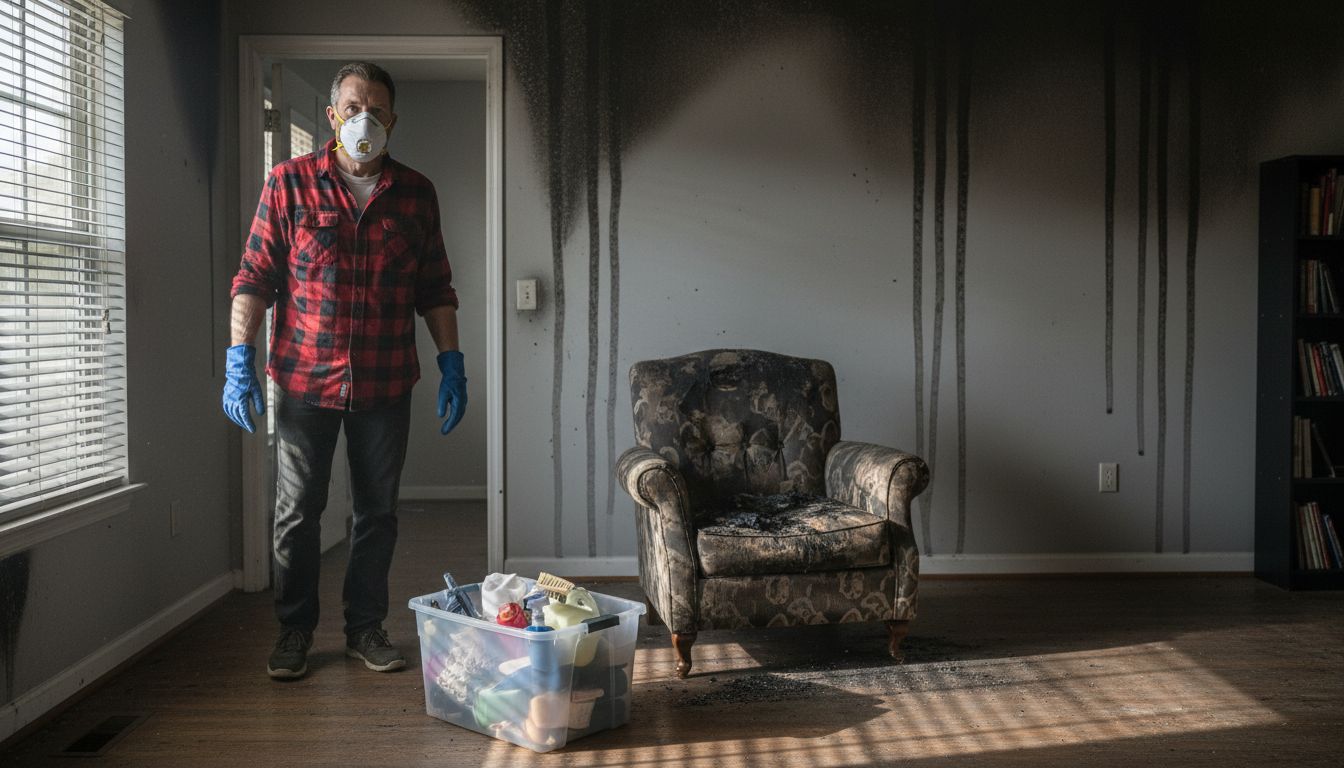
Over half of American homeowners experience property smoke damage at some point, yet many underestimate the hidden health risks. Tackling smoke residue is not just about removing visible stains. The smallest particles can linger in your air and furnishings, impacting well-being and property value. By understanding how to assess and address smoke damage safely, you can protect your home and ensure your family breathes easier. This guide reveals practical steps to handle every stage of cleanup with care.
Table of Contents
- Assess Smoke Damage Safely Before Cleanup Begins
- Ventilate and Air Out the Affected Areas First
- Remove All Debris and Soot Properly
- Clean Walls, Ceilings, and Hard Surfaces Thoroughly
- Use Specialized HEPA Filters and Air Scrubbers
- Treat Soft Items Like Carpets and Upholstery
- Prevent Recontamination With Ongoing Monitoring
Quick Summary
| Takeaway | Explanation |
|---|---|
| 1. Assess Smoke Damage Safely | Wear protective gear and evaluate the environment before initiating cleanup efforts. This protects your health and prevents further damage. |
| 2. Ventilate Affected Areas | Open windows and use fans to enhance air circulation, aiding in smoke odor removal and restoring indoor air quality. |
| 3. Utilize HEPA Filtration | Implement HEPA filters and air scrubbers to effectively trap and remove microscopic smoke particles from your indoor environment. |
| 4. Treat Soft Items Professionally | Soft furnishings need specialized cleaning methods; consider professional services for items like carpets and upholstery to ensure thorough odor removal. |
| 5. Monitor for Recontamination | After cleanup, consistently check indoor air quality and surfaces to prevent any residual smoke damage and ensure a safe environment. |
1. Assess Smoke Damage Safely Before Cleanup Begins
Safety is paramount when first encountering smoke damage in your property. Before diving into cleanup efforts, you must carefully evaluate the environment to protect yourself from potential health hazards and prevent further property damage.
When assessing smoke damage, personal protective equipment (PPE) is not optional – it’s essential. The Centers for Disease Control and Prevention (CDC) recommend wearing comprehensive protective gear including long sleeved shirts, pants, gloves, and safety glasses to minimize direct exposure to harmful smoke residues.
Key Safety Considerations:
- Wear an N95 or P100 respirator to filter hazardous smoke particles
- Use chemical resistant gloves to prevent skin contact with toxic residues
- Wear eye protection to shield against irritating smoke particles
- Ensure closed toe shoes and long pants for full body protection
Documenting the damage is equally critical. Smoke damage assessment requires careful observation of visible ash buildup on exterior surfaces like siding, doors, and windows. This documentation serves two important purposes: tracking the extent of damage and providing necessary evidence for insurance claims.
Warning: Never operate gas or diesel powered machines indoors during assessment to prevent dangerous carbon monoxide buildup. Proper ventilation and systematic examination will help you understand the scope of smoke damage while keeping yourself protected.
2. Ventilate and Air Out the Affected Areas First
Ventilation is your first line of defense in smoke damage recovery. Quickly and strategically opening windows and doors can significantly reduce smoke odors and help restore your indoor air quality.
Why Ventilation Matters: Smoke particles are microscopic contaminants that can embed themselves in fabrics, walls, and surfaces. Home ventilation techniques play a critical role in removing these harmful particulates and preventing long term damage.
Strategic Ventilation Steps:
- Open all windows and doors to create cross air flow
- Use fans to help circulate fresh air and push smoke particles outside
- Position fans to direct contaminated air toward open windows or exterior doors
- Keep windows open for several hours to maximize air exchange
Sunlight can also be a powerful ally in smoke odor removal. Deodorizing strategies recommend allowing natural sunlight to enter the space, as UV rays can help break down smoke molecules and neutralize lingering odors.
Warning: If outdoor air quality is poor or smoky, use air purifiers with HEPA filters instead of opening windows. Your goal is replacing contaminated indoor air with clean, fresh air without introducing additional pollutants.
3. Remove All Debris and Soot Properly
Removing debris and soot is a critical step in smoke damage recovery that requires careful planning and protective measures. Improper cleanup can spread harmful particles and cause additional damage to your property.
Critical Safety Precautions: Before starting any cleanup, the dangers of soot exposure must be understood. Soot contains toxic chemicals that can pose serious health risks if not handled correctly.
Protective Gear and Cleanup Guidelines:
- Wear long sleeved shirts and long pants
- Use heavy duty work gloves
- Put on sturdy closed toe shoes
- Wear a P2/N95 respirator mask
- Use protective eyewear
When removing debris, the Environmental Protection Agency recommends avoiding dry sweeping or vacuuming that might disperse ash particles. Instead, use damp cloths or wet mops to gently collect soot and ash without creating additional airborne contamination.
Warning: Always work in well ventilated areas and dispose of debris in sealed plastic bags to prevent recontamination. If the damage is extensive, professional restoration services might be the safest and most effective solution.
4. Clean Walls, Ceilings, and Hard Surfaces Thoroughly
Smoke damage penetrates deep into surfaces, leaving behind stubborn residues that can permanently stain and degrade your property if not addressed quickly and correctly. Thorough cleaning of walls, ceilings, and hard surfaces is crucial to preventing long term damage and potential health risks.
Cleaning Surface Strategy: When tackling smoke contamination, proper wall cleaning techniques are essential for effective restoration. Different surfaces require specific approaches to prevent additional damage.
Cleaning Guidelines:
- Use mild soap or detergent with warm water
- Work from top to bottom to prevent streaking
- Use soft cloths or sponges to avoid surface scratching
- Rinse surfaces thoroughly after cleaning
- Dry surfaces completely to prevent moisture related issues
Professional restoration experts recommend using specialized cleaning solutions designed to break down smoke molecules without causing additional surface damage. Avoid harsh chemicals that might strip paint or damage delicate surfaces.
Warning: Porous materials like drywall and unfinished wood may require professional assessment, as smoke particles can deeply penetrate these surfaces and create long term odor and contamination problems.
5. Use Specialized HEPA Filters and Air Scrubbers
Smoke particles are microscopic contaminants that can linger in your indoor environment long after visible damage has been addressed. Specialized filtration systems become your primary defense in removing these persistent airborne pollutants.
Understanding HEPA Filtration: HEPA filters are designed to capture 99.97% of particles as small as 0.3 microns, making them incredibly effective for cleaning indoor air after smoke damage. These advanced filters trap smoke residues, ash particles, and potential toxic microorganisms that standard filters cannot catch.
Filtration Strategies:
- Use HEPA filter vacuums for surface cleaning
- Deploy portable air scrubbers in affected rooms
- Replace HVAC filters with high efficiency options
- Run air purifiers continuously for several days
- Ensure proper air circulation during filtration
Professional restoration experts recommend against using standard vacuum cleaners, which can actually redistribute harmful particles. HEPA filtration systems provide a targeted approach to removing microscopic smoke contaminants from your indoor environment.
Warning: Proper air filtration requires multiple strategies and consistent effort. Incomplete or improper filtration can leave behind hidden health hazards.
6. Treat Soft Items Like Carpets and Upholstery
Smoke damage penetrates deep into soft materials, creating persistent odors and potential health risks that require specialized treatment. Carpets, upholstery, and fabric items demand careful attention to effectively remove smoke residues and restore their condition.
Critical Soft Surface Treatment: Porous materials like fabric absorb smoke particles rapidly, making professional upholstery cleaning crucial for complete restoration. Standard home cleaning methods often prove insufficient for thorough smoke damage removal.
Recommended Treatment Strategies:
- Air out soft items in direct sunlight and wind
- Use specialized fabric cleaning solutions
- Avoid standard home washing for heavily smoke damaged items
- Consider professional steam cleaning services
- Separately treat each fabric item to prevent cross contamination
Some fabric items might be impossible to fully restore. Soft furnishings like feather pillows and foam materials can retain smoke odors even after extensive cleaning, potentially requiring complete replacement.
Warning: Attempting to clean smoke damaged soft items without proper techniques can permanently set stains and odors. When in doubt, consult professional restoration experts who understand the complexities of smoke damage remediation.
7. Prevent Recontamination With Ongoing Monitoring
Smoke damage cleanup is not a one time event but an ongoing process that requires consistent vigilance and strategic monitoring. Preventing recontamination means understanding how smoke particles continue to migrate and settle even after initial cleaning efforts.
Monitoring Strategies: The Environmental Protection Agency recommends carefully tracking indoor air quality after smoke exposure to ensure complete restoration and prevent potential health risks.
Comprehensive Monitoring Checklist:
- Inspect air ducts for dust and debris accumulation
- Use HEPA air purifiers continuously
- Regularly replace HVAC filters
- Check soft surfaces for recurring smoke odors
- Conduct periodic indoor air quality tests
- Watch for signs of potential residual smoke damage
Professional restoration experts emphasize the importance of avoiding actions that might redistribute smoke particles. Cleaning techniques should always involve damp cloths or wet mops to trap particles rather than stirring them back into the air.
Warning: Smoke particles can remain hidden in unexpected places. Ongoing monitoring is crucial to ensure your property remains safe and fully restored.
Below is a comprehensive table summarizing the strategies and considerations for evaluating and cleaning smoke damage as discussed throughout the article.
| Main Step | Key Points & Actions | Benefits/Outcomes |
|---|---|---|
| Assess Smoke Damage | Use PPE: long sleeves, pants, gloves, glasses, N95/P100 masks. Document visible ash and avoid machinery indoors. | Protects health, documents damage for insurance claims. |
| Ventilate Areas | Open windows/doors, use fans, avoid poor outdoor air quality. | Reduces smoke odors, improves air quality. |
| Remove Debris & Soot | Wear protective gear, use damp cleaning methods, work in ventilated spaces. | Prevents health risks, limits particle spread. |
| Clean Hard Surfaces | Use mild soap, start top to bottom, rinse and dry thoroughly. | Prevents long-term damage, reduces staining. |
| Use HEPA Filters | Deploy HEPA vacuums, air scrubbers, replace HVAC filters. | Removes microscopic smoke particles, purifies air. |
| Treat Soft Items | Air out, use fabric solutions, consider professional cleaning. | Reduces odors, restores fabric condition. |
| Monitor for Recontamination | Inspect air ducts, replace filters, conduct air quality tests. | Ensures long-term safety, maintains clean environment. |
Restore Safety and Comfort with Expert Smoke Damage Cleanup
Dealing with smoke damage can feel overwhelming and unsafe. From the invisible hazards of toxic soot to persistent odors embedded deep in your walls and upholstery every property owner faces the challenge of thorough cleanup and lasting restoration. The article highlights critical steps like safe assessment, strategic ventilation, and HEPA filtration to protect your home and health.
Trust the professionals at PuroClean of Northeast Sacramento who specialize in comprehensive smoke and fire restoration services. We combine industry-certified expertise with advanced technology to handle everything from debris removal to specialized fabric treatments and ongoing air quality monitoring.
If you want fast, reliable, and compassionate service that safeguards your property and peace of mind do not wait. Visit PuroClean of Northeast Sacramento now to learn how our 24/7 emergency response and skilled restoration team can restore your home fully and safely. Your property deserves the best care to recover from smoke damage completely.
Frequently Asked Questions
What safety gear should I wear when assessing smoke damage?
You should wear an N95 or P100 respirator, long-sleeved shirts, gloves, and safety glasses to protect yourself from harmful smoke particles. Start your cleanup efforts by equipping yourself with the proper gear to minimize health risks.
How can I effectively ventilate my home after smoke damage?
Open all windows and doors to create cross airflow, and use fans to help push contaminated air outside. Aim to keep the windows open for several hours to maximize air exchange and reduce smoke odors.
What is the best method for cleaning walls and ceilings affected by smoke?
Use mild soap or detergent with warm water while working from top to bottom to avoid streaking. Thoroughly rinse and dry the surfaces to prevent moisture-related issues and ensure all residues are removed.
How can I treat carpets and upholstery that have smoke damage?
Consider airing out soft items in direct sunlight and using specialized fabric cleaning solutions. If the damage is severe, you may need professional steam cleaning services for thorough restoration.
How do I prevent recontamination after cleaning smoke damage?
Continuously monitor indoor air quality and use HEPA air purifiers to filter out lingering smoke particles. Check for recurring odors and conduct periodic indoor air quality tests to ensure safety.
When should I consider hiring professional restoration services?
If the smoke damage is extensive or if you encounter porous materials like drywall that may retain odors, it’s best to consult professionals. Aim to make this decision as soon as possible to prevent further damage and ensure effective cleanup.
Recommended
Diesel Fuel System Cleaning: Best Practices and Pro Tips 2025 – My WordPress
The Anatomy of a Fire Damage Job – PuroClean of Livingston
How To Safely Store And Handle Fireworks – PuroClean Emergency Restoration Specialists
The Anatomy of a Fire Damage Job – PuroClean Property Damage Experts
 PuroClean of Northeast Sacramento