


Complete Guide to Smoke Damage Restoration Basics
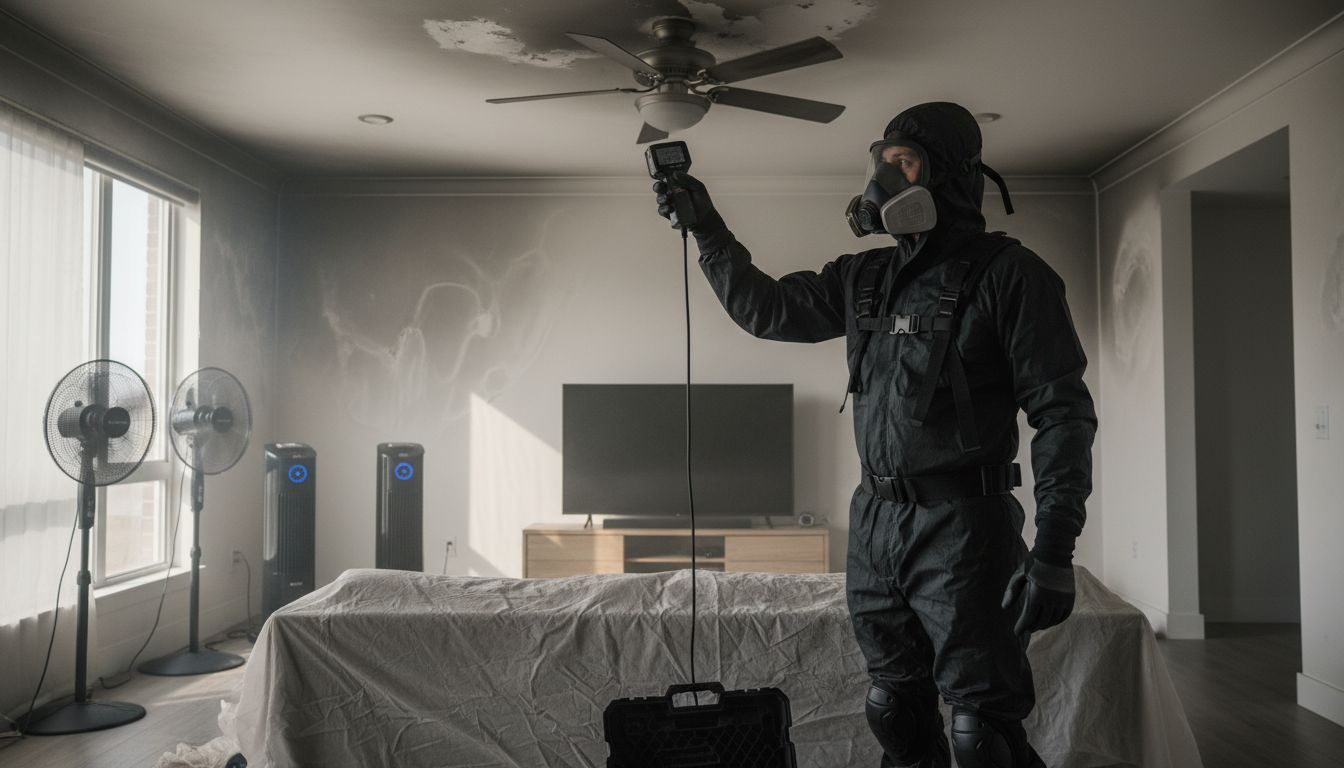
Did you know that smoke particles from fires can penetrate deep into walls, furniture, and even electronics, creating long-lasting harm far beyond surface stains or odors? Many property owners underestimate the real threats smoke damage brings, which range from hidden corrosion to lingering health risks. Understanding how smoke infiltrates a home and the different ways it leaves lasting damage can help you protect your health, restore your property, and avoid costly mistakes.
Table of Contents
- Defining Smoke Damage and Its Effects
- Types of Smoke Damage in Properties
- Key Steps in Smoke Damage Restoration
- Health Hazards and Safety Precautions
- Costs, Insurance, and Restoration Options
Key Takeaways
| Point | Details |
|---|---|
| Understanding Smoke Damage | Smoke damage is complex and can affect various surfaces and materials, requiring professional assessment for effective restoration. |
| Types of Smoke Damage | Different sources of fire produce distinct types of smoke damage, each with unique restoration challenges that require specialized techniques. |
| Health Risks | Smoke damage can lead to serious health issues, emphasizing the need for proper protective measures during and after restoration. |
| Insurance and Costs | Restoration costs can vary, and understanding insurance coverage is essential for managing expenses related to smoke damage. |
Defining Smoke Damage and Its Effects
Smoke damage is far more complex and destructive than most property owners realize. When fires occur, smoke doesn’t just discolor walls and leave an unpleasant odor – it creates a pervasive contamination that can penetrate every surface and material in a property. Smoke particles are microscopic yet incredibly invasive, capable of embedding themselves deep into porous materials like fabrics, wood, drywall, and even electronic components.
According to research from the U.S. Forest Service, smoke contains fine particles and toxic gases that can cause significant damage beyond visual destruction. These particles can create long-lasting respiratory health risks and structural deterioration. Different types of smoke – from wood burning, electrical fires, protein-based kitchen fires – leave unique damage signatures. Some smoke residues are acidic and can rapidly corrode metal surfaces, while others leave greasy, difficult-to-remove film on walls and furniture.
Health impacts represent another critical dimension of smoke damage. Research from the EPA highlights that smoke releases fine particles and toxic gases that can lead to serious respiratory diseases and aggravate existing heart and lung conditions. Property restoration isn’t just about cleaning surfaces – it’s about creating a safe, breathable environment for inhabitants.
The complexity of smoke damage means professional assessment is crucial. Not all smoke damage looks the same or requires identical treatment. Factors like smoke temperature, material burned, duration of exposure, and ventilation dramatically influence damage characteristics. A thorough inspection by trained professionals can determine the exact restoration approach needed to fully recover and rehabilitate a smoke-damaged property.
Types of Smoke Damage in Properties
Smoke damage is a nuanced phenomenon that manifests differently based on fire source and materials involved. Understanding these variations is crucial for effective restoration. Broadly, smoke damage can be categorized into several distinct types, each presenting unique challenges for property owners and restoration professionals.
Dry smoke damage typically originates from fast-burning, high-temperature fires involving wood, paper, or wood-based materials. These fires produce fine, powdery residues that are relatively easier to clean. In contrast, wet smoke damage emerges from slow-burning, low-temperature fires involving rubber, plastic, or synthetic materials. These residues create thick, sticky, and incredibly challenging-to-remove smears that can permanently stain surfaces.
According to research from the EPA on wood smoke and indoor air quality, smoke damage isn’t just about visual contamination. Protein-based smoke damage – often from kitchen fires involving burnt food – leaves nearly invisible but pungent residues that can permanently discolor painted surfaces and penetrate deep into porous materials. Electrical fires generate a unique smoke type with highly acidic residues that can rapidly corrode metal components and electronic systems.
Furthermore, smoke damage extends beyond immediate fire zones. Soot and smoke particles can travel through ventilation systems, contaminating areas far from the original fire source. This means rooms seemingly untouched by flames might still require comprehensive cleaning and restoration. Each smoke damage type demands specialized cleaning techniques, specific chemical treatments, and professional expertise to effectively restore property integrity and ensure a safe, habitable environment.
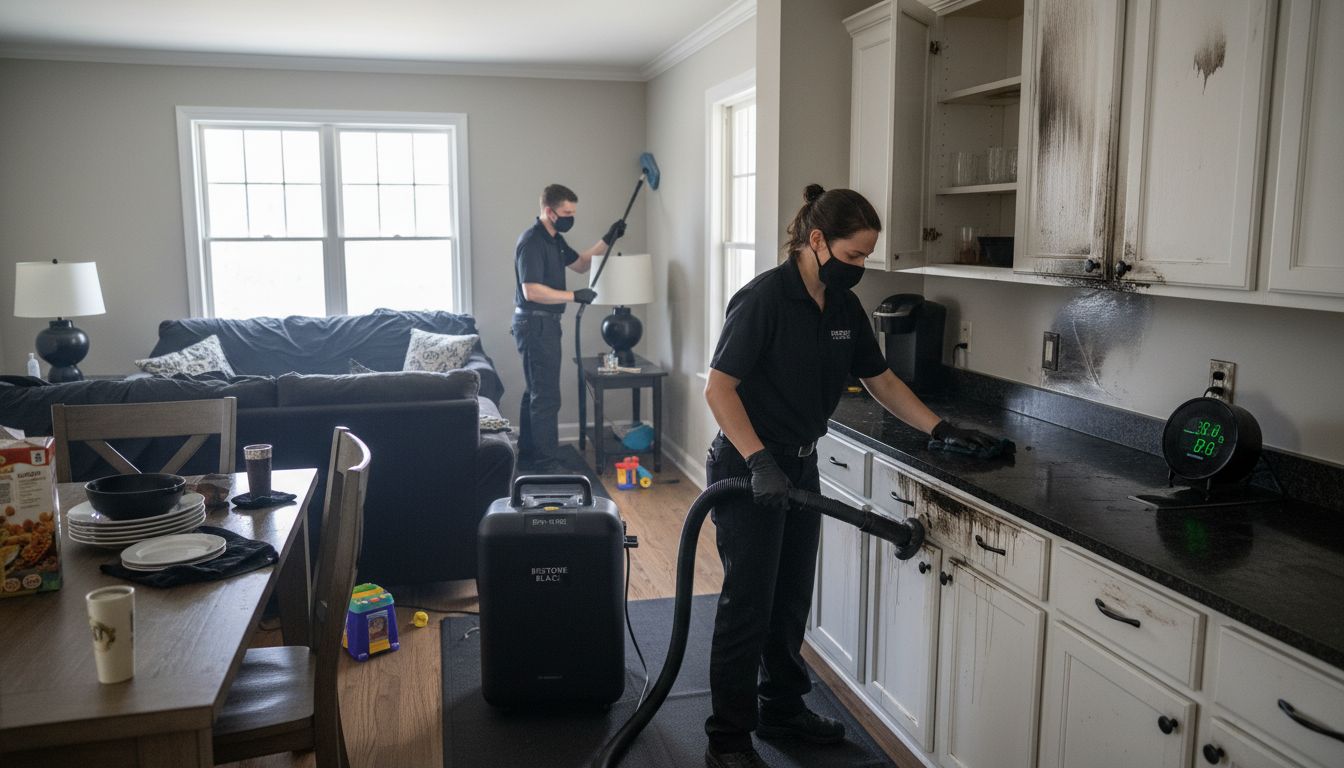
Here’s a comparison of the main types of smoke damage and their characteristics:
| Type of Smoke Damage | Source Material | Residue Features | Restoration Challenge |
|---|---|---|---|
| Dry Smoke | Wood Paper | Fine Powdery | Easier to Clean |
| Wet Smoke | Plastic Rubber Foam | Thick Sticky Smears | Difficult to Remove |
| Protein Smoke | Food Cooking Oils | Invisible Pungent Odor | Deep Penetration |
| Electrical Smoke | Wiring Electronics | Acidic Corrosive | Damages Metal/Electronics |
Key Steps in Smoke Damage Restoration
Smoke damage restoration is a meticulous process that requires systematic approach and professional expertise. Initial assessment is critical – professionals must evaluate the extent of damage, identify the type of smoke residue, and develop a comprehensive restoration strategy tailored to the specific property and damage characteristics.
According to research from the EPA on indoor air quality, effective restoration involves several key steps. The first phase focuses on thorough cleaning and decontamination. This includes:
- Removing all soot and smoke residues from surfaces
- Cleaning and sanitizing affected areas
- Using specialized equipment to eliminate harmful particles
- Neutralizing persistent smoke odors
Ventilation plays a crucial role in smoke damage restoration. Professionals use industrial-grade air purifiers and advanced ventilation techniques to remove lingering contaminants and restore air quality. Material replacement becomes necessary when items are permanently damaged or pose health risks. This might involve replacing sections of drywall, carpeting, furniture, or electronic equipment that cannot be effectively cleaned or decontaminated.
The final stage involves comprehensive odor elimination and air quality restoration. Specialized treatments like thermal fogging, ozone treatment, and hydroxyl generation help neutralize smoke molecules embedded in porous surfaces. Professional restoration ensures not just visual cleanliness, but a complete return to a safe, healthy living environment – addressing both visible damage and invisible contaminants that could pose long-term health risks.
Health Hazards and Safety Precautions
Smoke damage presents significant health risks that extend far beyond visible property destruction. Toxic particles can penetrate deep into human respiratory systems, causing immediate and long-term health complications for property occupants. These microscopic contaminants carry complex chemical compounds that can trigger severe respiratory reactions, particularly in vulnerable populations like children, elderly, and those with pre-existing health conditions.
According to research from the EPA on wood smoke exposure, smoke inhalation can cause multiple health challenges. Key risks include:
- Aggravation of existing asthma conditions
- Increased risk of heart attacks
- Respiratory inflammation and potential lung damage
- Potential neurological complications from prolonged exposure
Personal protective equipment becomes critical during smoke damage restoration. Professionals and occupants must utilize appropriate respiratory protection, including specialized masks rated for filtering microscopic particles. Disposable protective clothing, gloves, and eye protection help minimize direct contact with hazardous smoke residues. Proper ventilation and air purification are essential strategies for reducing potential health risks during and after restoration processes.
Beyond immediate health concerns, smoke damage can create long-term environmental contamination. Residual particles can continue off-gassing toxic chemicals, potentially causing chronic health issues if not comprehensively addressed. Professional restoration teams understand these complex risks and employ sophisticated decontamination techniques to ensure complete removal of harmful particulate matter, ultimately protecting both property and human health.
Costs, Insurance, and Restoration Options
Smoke damage restoration represents a complex financial undertaking that requires careful navigation of insurance policies and professional assessment. The total cost can vary dramatically based on the extent of damage, ranging from a few thousand dollars for minor incidents to tens of thousands for extensive property contamination. Homeowners must understand that not all damage is immediately visible, and seemingly minor smoke exposure can lead to significant long-term restoration expenses.
According to research on indoor air quality, restoration options include multiple approaches:
- Professional deep cleaning services
- Partial or complete item replacement
- Advanced decontamination techniques
- Specialized odor elimination treatments
Insurance coverage plays a critical role in managing restoration costs. Most standard homeowners insurance policies cover smoke damage, but the specifics can be complex. Policies typically differentiate between sudden accidental damage and gradual smoke accumulation. Documenting every aspect of the damage through professional assessments, photographs, and detailed inventories becomes crucial for successful insurance claims. Property owners should proactively review their policy details, understanding specific limitations and required documentation processes.
The restoration process often involves a comprehensive evaluation by professional technicians who can provide detailed cost estimates and recommended intervention strategies. These experts assess not just visible damage, but potential hidden contamination in ventilation systems, structural materials, and personal belongings. Their professional recommendations help property owners make informed decisions about restoration approaches, balancing cost-effectiveness with thorough environmental and health protection.
Restore Your Property and Peace of Mind After Smoke Damage
Dealing with smoke damage is a complex challenge that goes beyond visible stains or unpleasant odors. The article highlights how smoke particles deeply invade your home or business, posing serious health risks and structural problems. If you are facing the lingering effects of dry, wet, or protein smoke, you understand the urgency to act quickly and thoroughly to restore a safe environment. Smoke damage requires expert assessment and specialized cleaning techniques to protect your loved ones and property from hidden toxins and corrosion.
At PuroClean of Northeast Sacramento, we respond immediately with advanced smoke damage restoration solutions designed to meet all the specific challenges described here. Our certified professionals use proven methods to remove soot and odors and repair contaminated materials so you can breathe easier. Whether you are a homeowner or managing commercial property, our 24/7 emergency services and insurance claim support ensure you get fast, comprehensive results with less stress. Don’t wait until smoke residues cause long-term damage or health problems. Contact us now at https://puroclean.com/northeast-sacramento-ca to start restoring your property safely and completely.
Discover how our expertise aligns with the key smoke damage restoration steps in the article and trust us as your partners in recovery.
Frequently Asked Questions
What is smoke damage?
Smoke damage refers to the complex and destructive impact that smoke from fires has on properties, penetrating surfaces, discoloring materials, and posing health risks due to toxic particles and gases.
What are the different types of smoke damage?
Smoke damage can be categorized into dry smoke, wet smoke, protein smoke, and electrical smoke, each originating from different materials and presenting unique cleaning challenges and residue characteristics.
How is smoke damage restored?
Restoration involves thorough cleaning and decontamination, professional assessment for damage extent, ventilation to remove contaminants, and specific techniques for odor elimination, often requiring professional expertise.
What health risks are associated with smoke damage?
Smoke damage can lead to serious health challenges including respiratory issues, increased risk of heart attacks, and long-term neurological complications, especially for vulnerable populations such as children and the elderly.