 PuroClean of Northeast Sacramento
 Complete Guide to the Role of Restoration Technicians
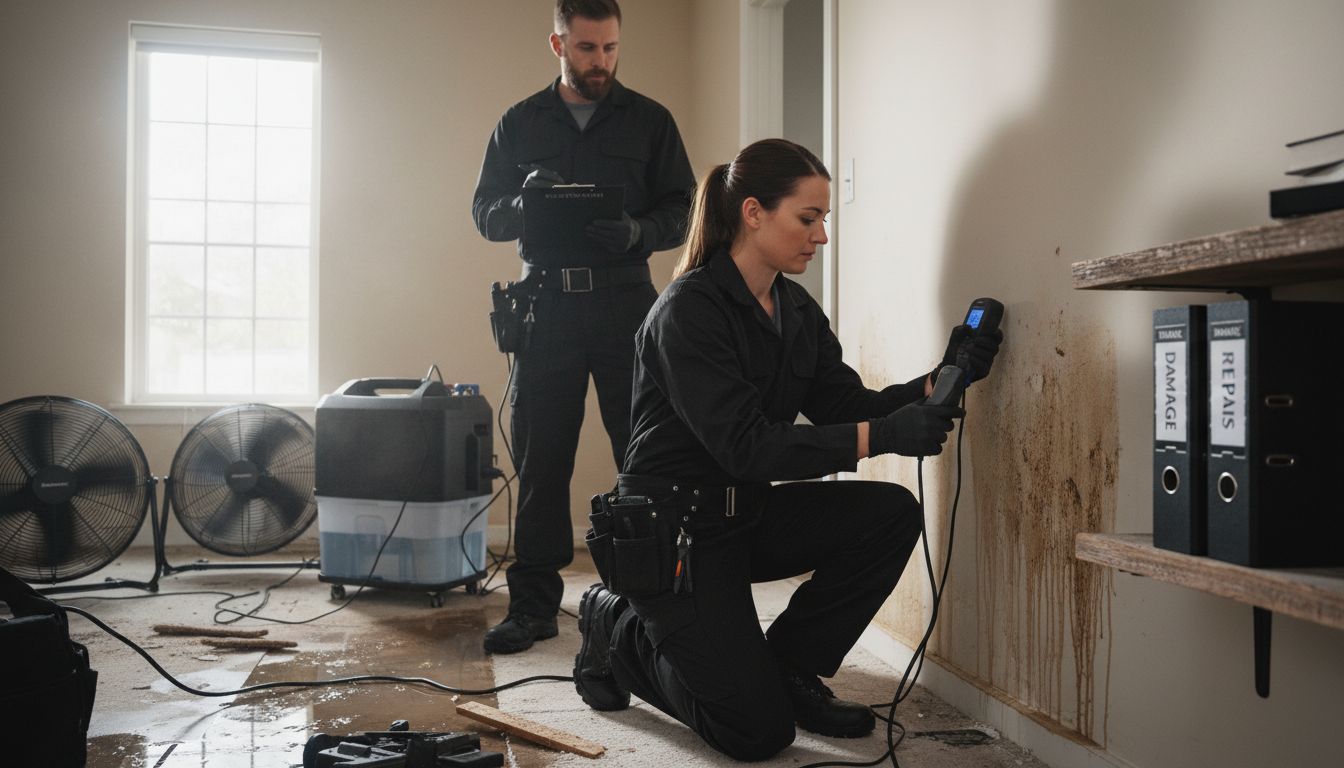
A single emergency can change the course of an american family’s life in minutes. Nearly 14,000 people in the United States experience a water damage emergency every day, highlighting just how common disaster strikes. When homes or businesses face damage from fire, flood, or mold, restoration technicians become the crucial bridge to recovery. Understanding these skilled professionals and their essential role helps property owners make informed, confident decisions during some of their most stressful moments.
Table of Contents
- Defining the Role of Restoration Technicians
- Key Skills and Certifications Required
- Types of Disaster Restoration Services
- Step-by-Step Restoration Process Explained
- Safety Protocols and Legal Responsibilities
- Common Challenges and Industry Best Practices
Key Takeaways
| Point | Details |
|---|---|
| Role of Restoration Technicians | They specialize in repairing properties after damage from disasters, employing advanced skills for comprehensive damage assessment and recovery. |
| Core Responsibilities | Key activities include damage assessment, water extraction, mold prevention, and documentation for insurance purposes. |
| Required Skills and Certifications | Technicians must possess technical expertise and relevant certifications to manage complex restoration scenarios safely. |
| Challenges and Best Practices | Professionals face environmental challenges and must adopt best practices for effective project completion and worker safety. |
Defining the Role of Restoration Technicians
Restoration technicians are specialized professionals dedicated to repairing and recovering properties after significant damage from water, fire, mold, or other environmental disasters. These skilled experts play a critical role in helping property owners restore their homes and businesses to pre-damage conditions through systematic, professional intervention.
Unlike standard repair workers, restoration technicians undergo extensive training to handle complex damage assessment and recovery techniques. Their expertise goes beyond simple repairs, encompassing comprehensive damage evaluation, moisture detection, contamination prevention, structural preservation, and advanced restoration strategies. These professionals must understand building science, material properties, and precise restoration methodologies to effectively mitigate property damage.
The core responsibilities of restoration technicians typically include:
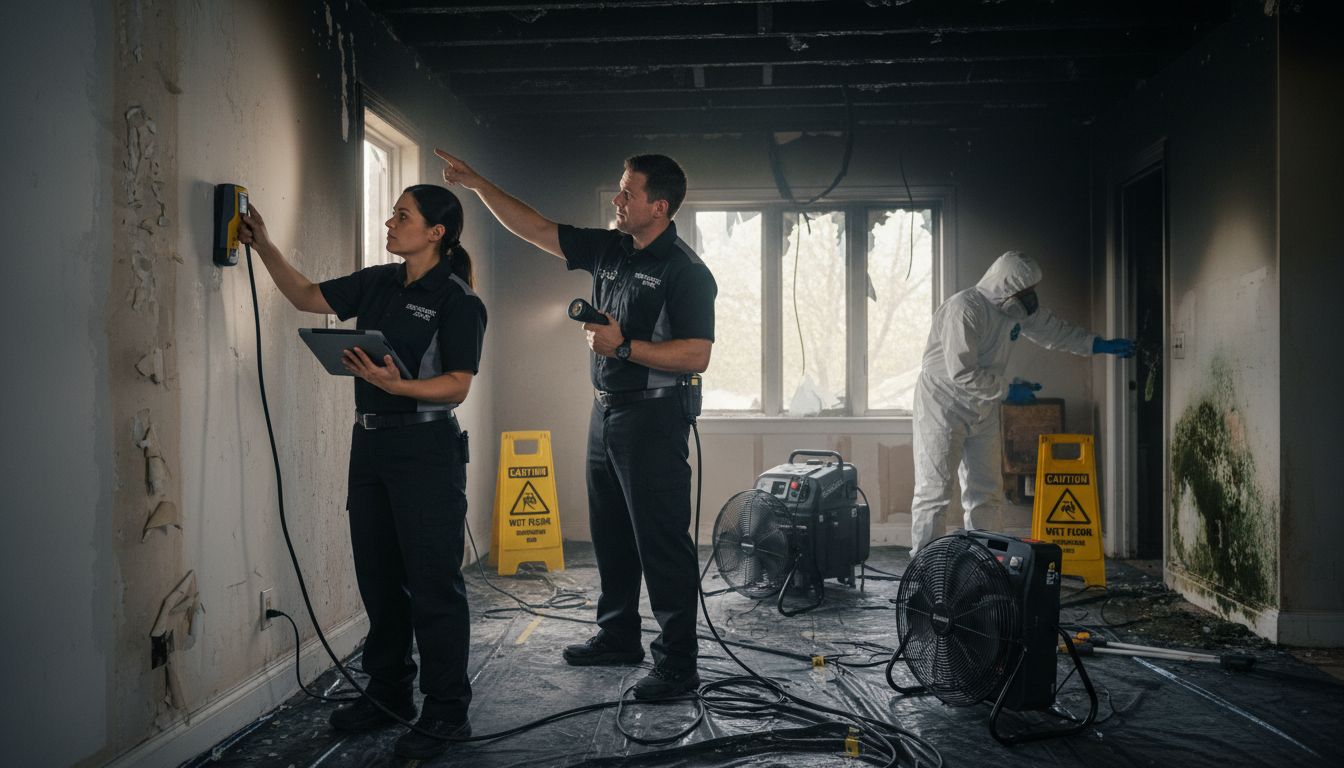
- Conducting detailed initial damage assessments
- Extracting standing water and moisture
- Implementing professional drying techniques
- Preventing secondary damage like mold growth
- Cleaning and sanitizing affected areas
- Performing necessary repairs and reconstruction
- Documenting damage for insurance purposes
Professional restoration technicians are essentially emergency response specialists trained to minimize property damage, protect inhabitants’ health, and efficiently restore structures to safe, functional conditions. Their work requires a unique combination of technical skills, problem solving abilities, and compassionate customer service during what is often a stressful time for property owners.
Key Skills and Certifications Required
Restoration technicians require a sophisticated blend of technical expertise, specialized training, and professional certifications to effectively manage complex property damage scenarios. Unlike general maintenance workers, these professionals must demonstrate advanced knowledge and skill sets that go beyond traditional repair techniques.
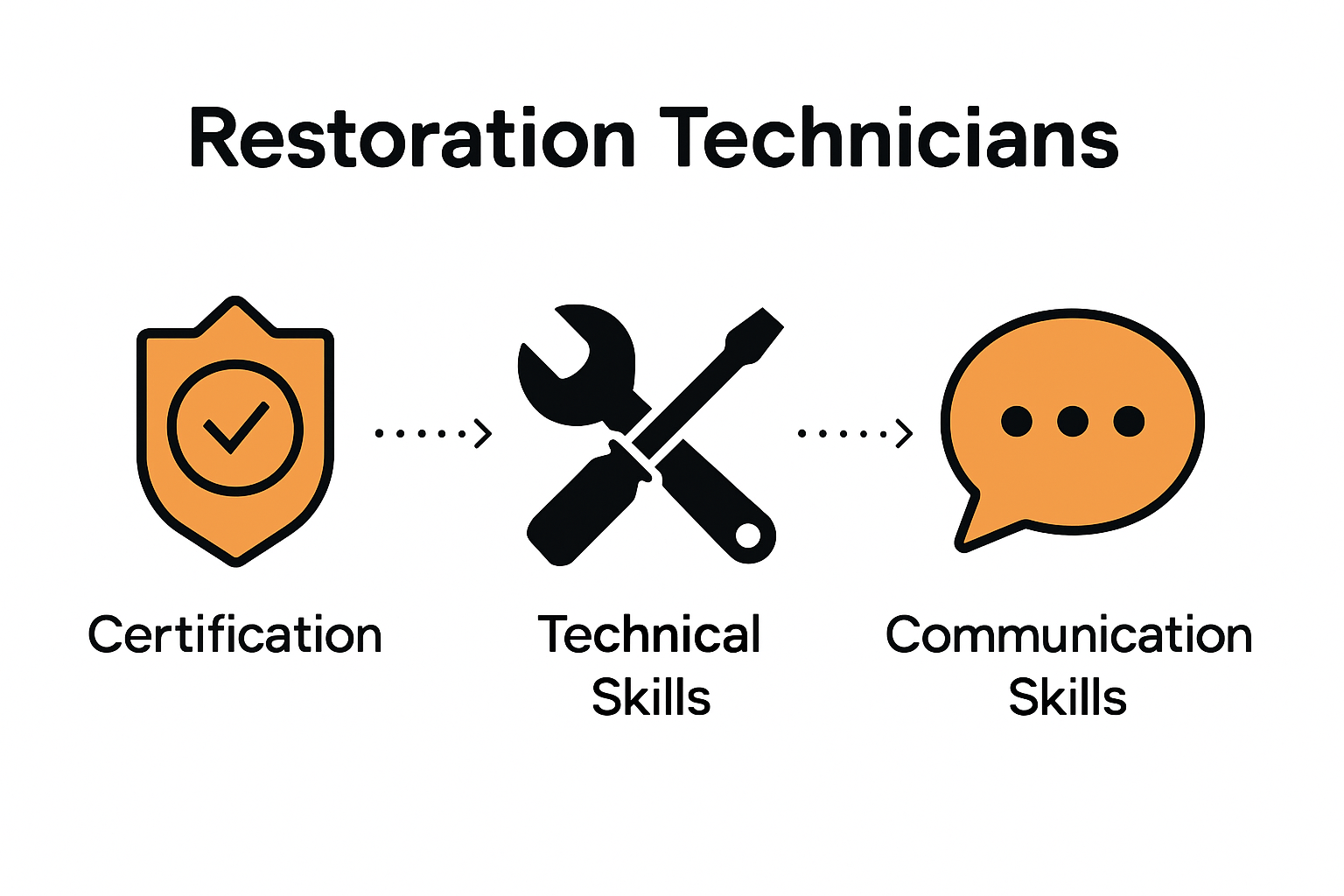
Professional restoration technicians typically pursue specialized educational pathways in environmental science, construction management, or related technical disciplines to develop comprehensive understanding of damage mitigation strategies. Crucial certifications from recognized industry organizations like the Institute of Inspection, Cleaning and Restoration Certification (IICRC) validate their technical competence and ensure they meet rigorous professional standards.
Key professional skills and competencies include:
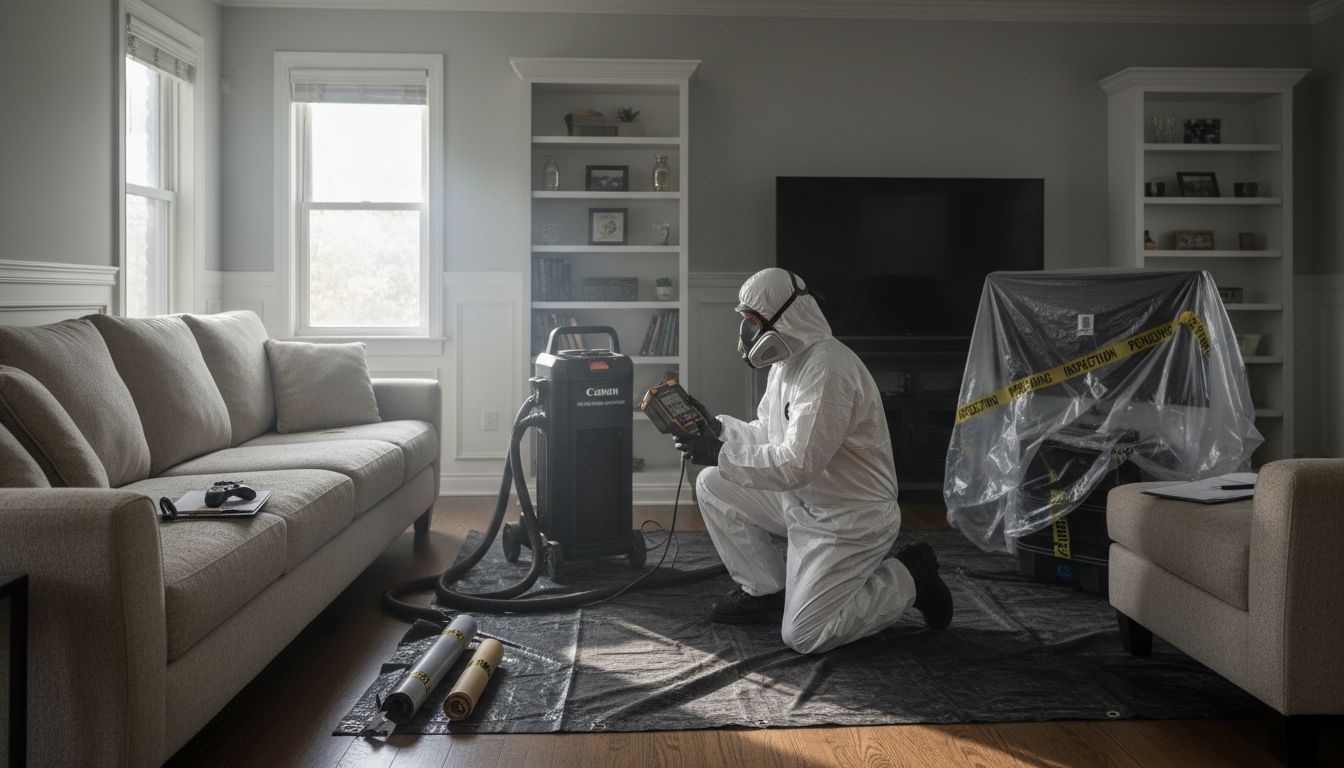
- Advanced moisture detection and measurement techniques
- Structural drying and dehumidification expertise
- Comprehensive mold assessment and remediation protocols
- Hazardous material handling and safety procedures
- Technical equipment operation and maintenance
- Digital documentation and reporting skills
- Emergency response and crisis management abilities
Beyond technical capabilities, successful restoration technicians must possess strong problem solving skills, exceptional communication abilities, and a methodical approach to complex property recovery challenges. Continuous professional development through ongoing training and recertification ensures these professionals remain current with emerging technologies and industry best practices, ultimately providing property owners with the highest quality restoration services.
Types of Disaster Restoration Services
Disaster restoration services encompass a comprehensive range of specialized interventions designed to recover and rehabilitate properties damaged by various environmental and catastrophic events. These critical services protect property integrity, prevent further damage, and restore structures to their pre-disaster condition through systematic and scientifically-informed approaches.
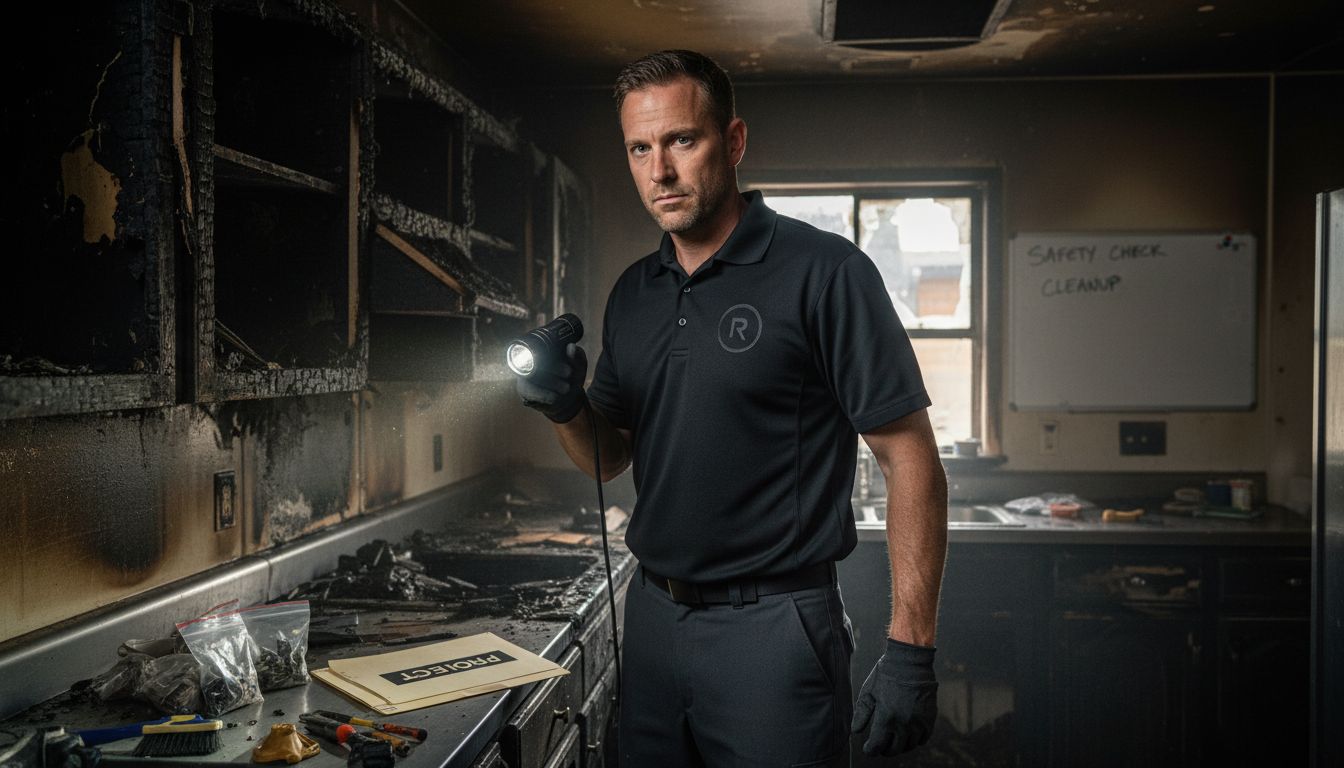
Restoration technicians perform complex tasks including controlled demolition, water extraction, mold remediation, and comprehensive cleaning and sanitization across multiple disaster scenarios. Each restoration service requires unique technical expertise, specialized equipment, and precise methodological approaches tailored to specific damage types and environmental conditions.
The primary types of disaster restoration services include:
- Water Damage Restoration
- Emergency water extraction
- Structural drying
- Moisture mapping
- Flood damage mitigation
- Fire and Smoke Damage Restoration
- Structural assessment
- Smoke odor removal
- Soot and residue cleaning
- Structural repair and reconstruction
- Mold Remediation
- Comprehensive mold assessment
- Containment procedures
- Toxic mold removal
- Prevention strategies
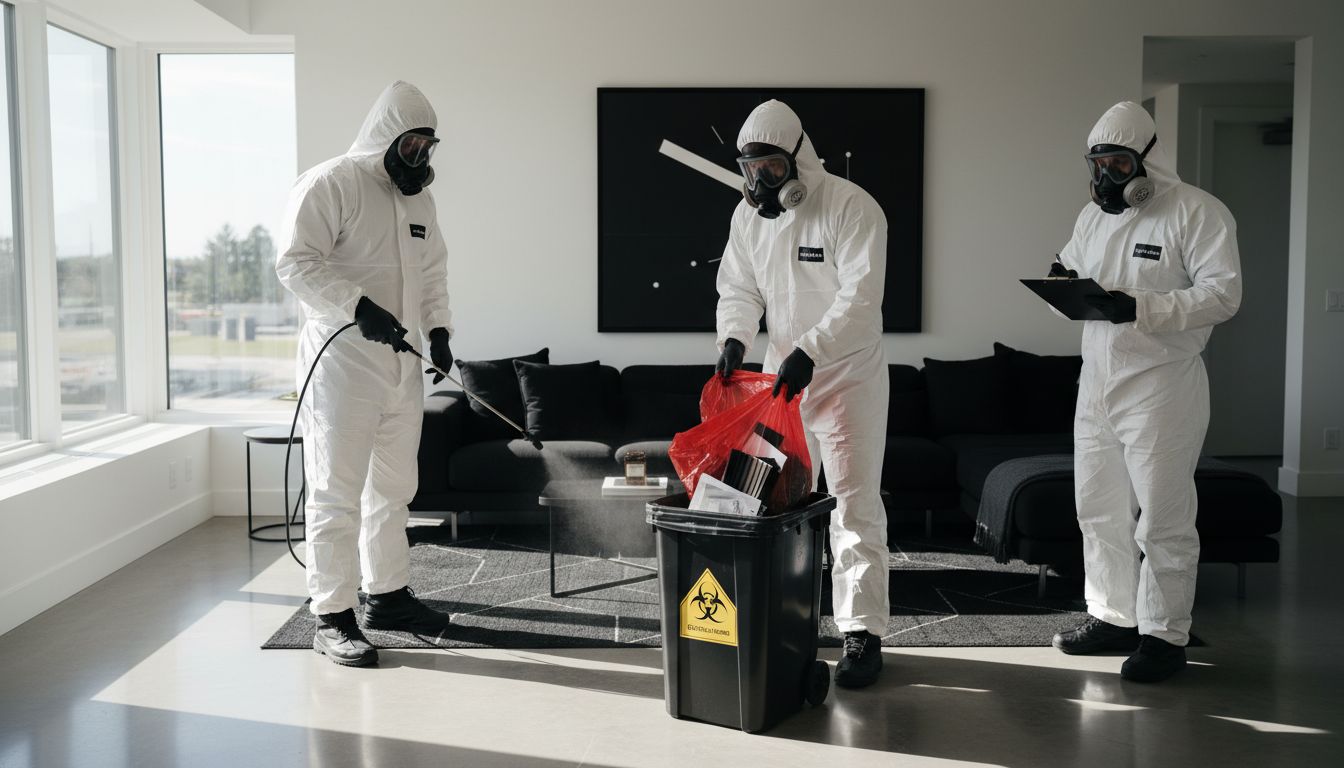
- Biohazard Cleanup
- Trauma scene cleaning
- Hazardous material removal
- Sanitization protocols
- Infectious disease decontamination
Each restoration service demands precise technical skills, advanced scientific understanding, and meticulous attention to safety protocols. Restoration technicians must quickly assess damage, develop targeted intervention strategies, and execute comprehensive recovery plans that minimize long-term property damage and potential health risks for property inhabitants.
Step-by-Step Restoration Process Explained
The restoration process is a meticulously structured approach designed to systematically address and mitigate property damage from various environmental disasters. Restoration technicians follow a comprehensive methodology that ensures thorough assessment, strategic intervention, and complete property recovery.
Restoration professionals conduct detailed assessments of property damage, performing controlled demolition and removing irreparable materials with precision. The process begins with a critical initial evaluation that determines the extent of damage, potential risks, and the most effective restoration strategy.
The comprehensive restoration process typically follows these sequential stages:
- Initial Damage Assessment
- Comprehensive property inspection
- Damage documentation
- Risk evaluation
- Preliminary damage classification
- Emergency Mitigation
- Immediate property stabilization
- Water extraction
- Structural protection
- Preventing secondary damage
- Detailed Restoration Planning
- Developing targeted restoration strategy
- Equipment and resource allocation
- Timeline development
- Insurance documentation preparation
- Cleanup and Restoration
- Debris removal
- Structural cleaning
- Sanitization procedures
- Specialized treatment applications
- Reconstruction and Repair
- Structural repairs
- Material replacement
- Final restoration touches
- Quality assurance inspection
Restoration technicians must demonstrate extraordinary attention to detail, technical expertise, and adaptive problem solving throughout each stage. Their systematic approach ensures properties are not just repaired, but fully restored to safe, functional conditions while minimizing potential long-term damage and health risks.
Safety Protocols and Legal Responsibilities
Restoration technicians operate within a complex framework of safety regulations and legal responsibilities that demand rigorous adherence to professional standards and comprehensive risk management protocols. The nature of their work requires exceptional attention to potential hazards, environmental risks, and strict compliance with industry and governmental guidelines.
Restoration professionals must obtain specialized certifications, follow precise licensing requirements, and comply with detailed regulations surrounding hazardous materials and structural safety concerns. These legal mandates ensure that restoration work is performed with maximum protection for both workers and property inhabitants, minimizing potential health and structural risks.
Key safety and legal considerations include:
Personal Protective Equipment (PPE)
- Full-body protective suits
- Respiratory protection
- Chemical-resistant gloves
- Safety goggles and face shields
- Steel-toe protective footwear
Regulatory Compliance Requirements
- OSHA workplace safety standards
- EPA environmental regulations
- State-specific restoration licensing
- Hazardous material handling certifications
- Workers compensation insurance
Risk Management Protocols
- Comprehensive site risk assessments
- Detailed documentation of restoration processes
- Equipment safety inspections
- Regular safety training programs
- Emergency response planning
Restoration technicians must continuously update their knowledge of safety regulations, maintain meticulous documentation, and demonstrate unwavering commitment to protecting human health and property integrity. Their professional responsibilities extend beyond technical skills to encompass a holistic approach of legal compliance, ethical practice, and proactive risk mitigation.
Common Challenges and Industry Best Practices
Restoration technicians operate in an increasingly complex professional environment that demands exceptional adaptability, technical expertise, and resilience. The field requires professionals who can navigate unpredictable and challenging work conditions while maintaining the highest standards of quality and safety.
Restoration professionals frequently work in variable weather conditions, remote locations, and physically demanding circumstances that require extraordinary flexibility and commitment. These challenging work environments necessitate a robust set of strategies and best practices to ensure successful project completion and worker safety.
Key Challenges in Restoration Work:
Environmental Challenges
- Extreme temperature variations
- Hazardous site conditions
- Limited access to resources
- Unpredictable structural risks
- Time-sensitive restoration requirements
Professional Best Practices
- Comprehensive initial site assessments
- Advanced risk mitigation strategies
- Continuous skills and technology training
- Collaborative interdisciplinary approaches
- Adaptive problem solving techniques
Technological Adaptation Strategies
- Utilizing advanced moisture detection equipment
- Implementing real-time documentation technologies
- Integrating digital project management tools
- Employing predictive damage assessment software
- Maintaining cutting-edge restoration equipment
Successful restoration technicians distinguish themselves through their ability to transform challenging scenarios into systematic, efficient recovery processes. Their expertise lies not just in technical skill, but in their capacity to remain calm, strategic, and solution-oriented under complex and often stressful restoration scenarios.
Trust Professional Restoration Technicians to Restore Your Property with Care and Precision
When disaster strikes your home or business, the challenges of water damage, fire, mold, or biohazard cleanup can feel overwhelming. The article highlights how restoration technicians bring advanced skills like moisture detection, structural drying, and mold remediation combined with compassionate support during these stressful times. If you are seeking expert assistance that follows proven safety protocols and employs cutting-edge restoration technology, professional help is only a call away.
Experience fast and thorough recovery with PuroClean of Northeast Sacramento, your trusted partner for emergency restoration services. Their team is available 24/7 to handle water extraction, fire and smoke damage restoration, mold removal, and biohazard cleanup. Do not let property damage worsen or complications arise. Visit PuroClean of Northeast Sacramento now and secure expert restoration support so your property is restored quickly and safely.
Frequently Asked Questions
What are the main duties of restoration technicians?
Restoration technicians primarily conduct damage assessments, extract water, implement drying techniques, prevent mold growth, clean affected areas, perform repairs, and document damage for insurance purposes.
What certifications do restoration technicians need?
Restoration technicians need certifications from recognized organizations like the Institute of Inspection, Cleaning and Restoration Certification (IICRC) to validate their technical skills and ensure they meet industry standards.
What types of damage do restoration technicians handle?
Restoration technicians handle various types of damage, including water, fire, smoke, mold, and biohazardous damage, utilizing specific techniques tailored to each type of disaster.
What safety protocols do restoration technicians follow?
Restoration technicians adhere to safety protocols such as using personal protective equipment (PPE), complying with OSHA regulations, and implementing risk management strategies to ensure the safety of workers and property inhabitants.
Recommended
Trusted Restoration Company in Sterling for Property Damage
 PuroClean of Northeast Sacramento