 PuroClean of Northeast Sacramento
 Fire Damage Cleanup Guide: Restore Property Safely and Fast
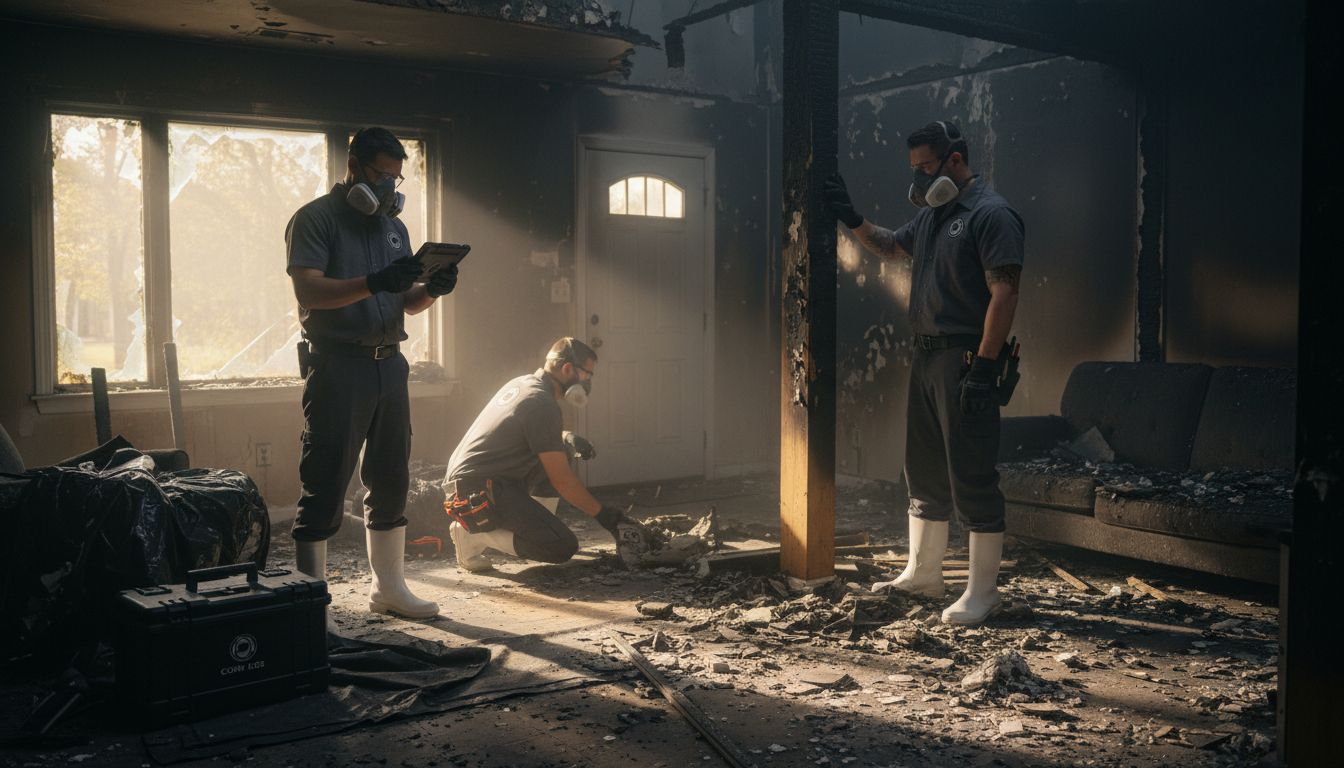
Did you know that nearly 350,000 house fires happen in the United States each year, causing billions in property loss? Recovering after a fire can feel overwhelming whether you are facing minor smoke damage or a major disaster. Knowing the right steps to take not only protects your safety but can also make the restoration process smoother and help secure your insurance claim.
Table of Contents
- Step 1: Assess Safety And Secure The Area
- Step 2: Document Damage For Insurance Claims
- Step 3: Remove Debris And Unsalvageable Items
- Step 4: Clean Soot, Smoke, And Surfaces Thoroughly
- Step 5: Deodorize And Restore Air Quality
- Step 6: Verify Cleanup And Address Remaining Issues
Quick Summary
| Key Point | Explanation |
|---|---|
| 1. Ensure personal safety first | Wait for clearance from authorities before entering fire-damaged areas to avoid hazards like structural collapse or toxic exposures. |
| 2. Document damage comprehensively | Take high-quality photos and create detailed inventories of damaged items for your insurance claim before making any repairs. |
| 3. Remove hazardous debris properly | Categorize debris into salvageable, unsalvageable, and hazardous materials, handling each per local regulations to ensure safe disposal. |
| 4. Clean thoroughly to prevent damage | Use appropriate cleaning solutions and techniques to remove soot and smoke, particularly from porous materials, to avoid long-term issues. |
| 5. Verify all cleanup was effective | Conduct a detailed walkthrough to identify any remaining damage and prepare a report for insurance claims and future repairs. |
|
Step 1: Assess Safety and Secure the Area
Before you start any fire damage restoration process, your absolute first priority is ensuring personal safety and preventing further property damage. According to the Centers for Disease Control, entering a fire damaged building requires careful assessment and professional guidance.
Start by waiting for official clearance from local authorities or fire department professionals. They will inspect the structure and confirm it is safe to enter. Do not attempt to walk through or work in the building until you receive official confirmation. This initial step protects you from potential structural collapse, electrical hazards, and hidden risks that might not be immediately visible.
When preparing to assess the area, protect yourself with appropriate personal protective equipment. This means wearing sturdy boots with thick soles, long pants, a long sleeve shirt, work gloves, and a dust mask or respirator. As research from the CDC’s National Institute for Occupational Safety and Health suggests, proper protective gear is crucial when dealing with potentially hazardous cleanup environments.
Here’s a summary of the essential personal protective equipment (PPE) for safely entering a fire-damaged area:
| PPE Item | Purpose | Example/Notes |
|---|---|---|
| Sturdy Boots | Foot protection | Thick sole, puncture resistant |
| Long Pants/Shirt | Prevent cuts/burns | Full-length, durable material |
| Work Gloves | Hand protection | Leather, heavy-duty |
| Dust Mask/Respirator | Inhalation safety | N95 or better, blocks fine particles |
| Safety Glasses | Eye protection | For debris and dust |
Critical Warning: Keep children and pets completely away from the damaged area until professionals have declared it safe.
Once you have official clearance, carefully document the damage by taking comprehensive photographs for insurance purposes. These images will serve as critical evidence for your property damage claim and help track the extent of destruction. Your next step will involve contacting your insurance provider and beginning the detailed damage assessment process.
Step 2: Document Damage for Insurance Claims
Documenting fire damage thoroughly is a critical step that can make or break your insurance claim. According to the Federal Emergency Management Agency, comprehensive documentation supports your recovery process and helps ensure fair compensation.
Start by gathering the right equipment for documentation. You will need a high-resolution digital camera or smartphone with good image quality, a notepad, and measuring tape. Systematically photograph every damaged area from multiple angles. Capture wide shots that show overall damage and close-up images that reveal specific details like burn marks, water damage, and structural compromises.
As research from the Federal Leadership in Advancing Mitigation suggests, document damage before making any repairs. Create a detailed inventory of damaged items including their estimated value, purchase date, and condition. This list should be as comprehensive as possible.
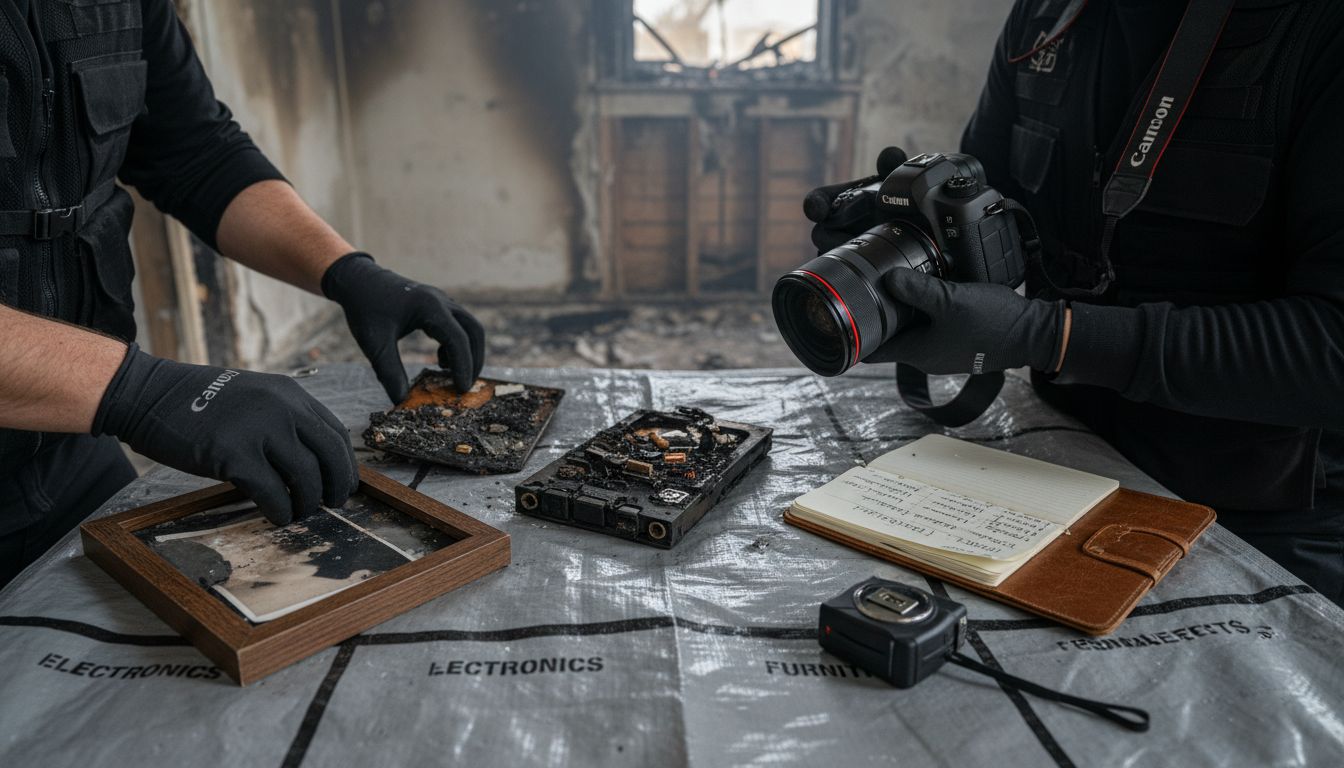
Pro Tip: Store your documentation in multiple secure locations such as cloud storage and a physical backup to prevent loss.
While documenting, remain objective and systematic. Note the extent of damage to walls, floors, ceilings, electrical systems, and personal property. Take video walkthroughs in addition to photographs to provide a comprehensive view of the damage. Your next step will involve contacting your insurance provider to initiate the claims process.
Step 3: Remove Debris and Unsalvageable Items
Removing debris after a fire is a critical step in restoring your property and preventing further damage. According to the Environmental Protection Agency, this process requires careful planning and systematic approach to ensure safety and proper disposal.
Before starting, contact your insurance provider and local authorities to understand specific cleanup requirements. As guidance from Oregon Wildfire Resources suggests, understanding local regulations is crucial for safe and compliant debris removal. Wear protective gear including heavy work gloves, dust masks, safety glasses, and steel-toed boots to protect yourself from potential hazards like sharp metal fragments, broken glass, and toxic residues.
Begin by separating debris into different categories: salvageable items, unsalvageable items, and potentially hazardous materials. Hazardous materials such as batteries, chemicals, and electronic waste require special handling. Create separate piles and containers for these different types of debris to streamline the disposal process.
Warning: Never mix hazardous materials with regular trash. Contact local waste management for proper disposal guidelines.
Document each item you remove and discard with photographs for insurance purposes. This documentation will help support your insurance claim and provide a clear record of the damage. Your next step will involve deep cleaning and sanitizing the remaining structure to prepare for restoration.
Step 4: Clean Soot, Smoke, and Surfaces Thoroughly
Cleaning soot and smoke damage is a crucial step in restoring your property to its pre-fire condition. According to the Red Cross, proper cleaning requires careful technique and appropriate cleaning solutions to effectively remove residues and prevent long-term damage.
Start by gathering essential supplies: protective gloves, respirator masks, mild detergent, tri-sodium phosphate solution, clean white cloths, and plenty of ventilation. As research from Utah State University Extension suggests, surface cleaning requires a methodical approach to prevent further damage.
Begin with walls and hard surfaces using a mild soap solution. For stubborn soot stains, prepare a carefully mixed solution of tri-sodium phosphate and water. Work from top to bottom in each room, using gentle circular motions to lift soot without spreading or grinding it deeper into surfaces. Rinse cloths frequently to avoid redepositing soot.
Pro Tip: Test any cleaning solution on a small inconspicuous area first to ensure it does not damage the surface material.
Pay special attention to porous materials like fabrics, carpets, and upholstery which can trap smoke odors. These may require professional cleaning or specialized treatments. Your next step will involve addressing lingering smoke odors and preparing for potential repairs or restoration.
Step 5: Deodorize and Restore Air Quality
Restoring air quality after fire damage is a critical step in making your space livable and safe again. According to the Red Cross, effective deodorization goes beyond simple cleaning and requires a comprehensive approach to eliminate persistent smoke odors.
Begin by maximizing ventilation throughout your space. Open all windows and doors to create cross drafts that help push smoke particles and odors out of your home. Use high-powered fans strategically placed to circulate air and support the removal of lingering smoke molecules. For clothing and soft materials, wash items with a solution containing tri-sodium phosphate to neutralize smoke residues.
Consider using specialized air purification techniques. HEPA air filters can capture microscopic smoke particles, while activated carbon filters help absorb odor molecules. Some professionals recommend ozone treatments or thermal fogging for deep odor elimination, though these methods require careful professional handling.
[Learn more about advanced smoke odor removal techniques that can help restore your indoor environment completely. Your next step will involve assessing any remaining damage and planning final restoration efforts.Pro Tip: Replace all HVAC filters immediately after fire damage to prevent recontamination of cleaned spaces.
Step 6: Verify Cleanup and Address Remaining Issues
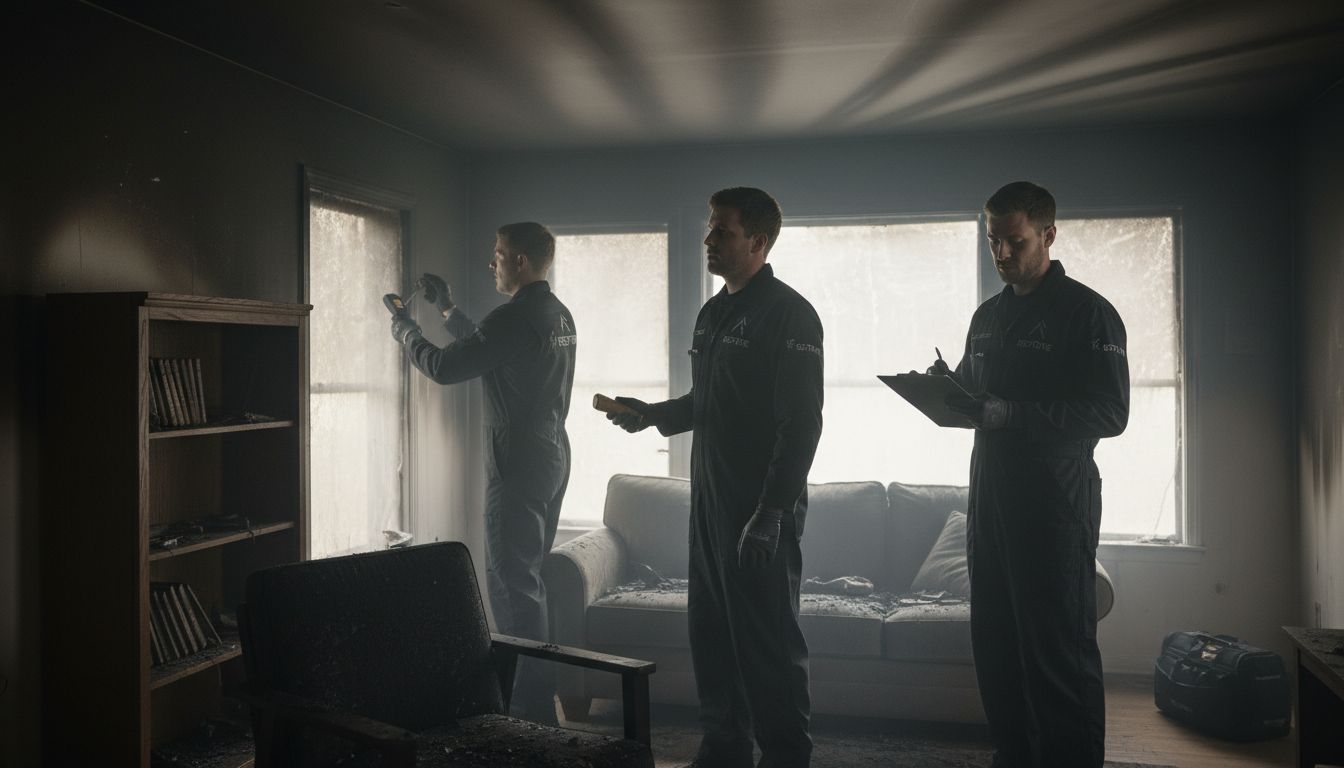
The final stage of fire damage restoration involves carefully verifying your cleanup efforts and identifying any remaining structural or functional challenges. According to the Red Cross, consulting professionals is crucial to ensure all areas have been thoroughly cleaned and are free from potential hazards.
Conduct a comprehensive walkthrough of your property, systematically examining each room and surface. Look for subtle signs of damage that might have been overlooked during initial cleaning. Check electrical systems, walls, floors, and structural elements for any signs of compromise or lingering damage. As guidance from Oregon Wildfire Resources suggests, addressing remaining issues promptly can prevent long-term structural problems.
Prepare a detailed documentation report of your findings. Photograph any areas of concern and create a comprehensive list of potential repair needs. This documentation will be valuable for insurance claims and future restoration efforts. Consider scheduling a professional inspection to get an expert assessment of any hidden or complex damage.
Critical Warning: Do not reoccupy the space until you have received clearance from professionals confirming the area is safe and fully restored.
Reach out to your insurance provider and restoration professionals to develop a final repair strategy. Your goal is to ensure your property is not just clean, but completely restored to its pre-fire condition and safe for occupancy.
Restore Your Property Quickly and Safely with Expert Fire Damage Cleanup
Experiencing fire damage can be overwhelming and stressful, especially when safety and thorough cleanup are top priorities. This guide highlights key challenges such as ensuring safety with proper protective gear, detailed damage documentation, soot and smoke removal, and restoring air quality. At PuroClean of Northeast Sacramento, we understand the urgency and complexity involved in fire damage restoration. Our professional team is ready to assist you 24/7, using advanced methods and industry certifications to protect your home or business from further harm while handling every step from debris removal to deodorization.
Take action now to prevent ongoing damage and secure your peace of mind. Visit our site at PuroClean of Northeast Sacramento to learn how we provide fast, compassionate fire and smoke restoration services. Count on us to guide you through insurance claims, cleanup, and complete recovery so you can return safely to the place you call home. Don’t wait until hidden hazards worsen. Contact PuroClean of Northeast Sacramento today and let our experts restore your property with care and professionalism.
Frequently Asked Questions
What should I do first after a fire damage?
Start by assessing safety and securing the area. Wait for official clearance from local authorities or fire department professionals before entering the damaged property.
How do I document fire damage for my insurance claim?
Take comprehensive photographs of all damaged areas from multiple angles. Create a detailed inventory of damaged items, noting their estimated value and condition, to support your insurance claim.
What personal protective equipment do I need for fire damage cleanup?
Wear sturdy boots, long pants and shirts, work gloves, a dust mask or respirator, and safety glasses. This personal protective equipment will help safeguard you from potential hazards during the cleanup process.
How do I effectively clean soot and smoke from surfaces?
Use a mild detergent on walls and hard surfaces, and a tri-sodium phosphate solution for tougher stains. Work from top to bottom, using gentle circular motions to lift soot without further embedding it in surfaces.
What steps should I take to restore air quality after a fire?
Maximize ventilation by opening windows and using high-powered fans to circulate air. Consider using HEPA and activated carbon filters to eliminate smoke particles and odors effectively.
How can I verify that the cleanup is complete and safe?
Conduct a thorough walkthrough of your property, inspecting each room for lingering damage. Create a detailed report of your findings and consider scheduling a professional inspection to ensure all hazards have been addressed.
Recommended
What to Do After a House Fire Alexandria VA: Homeowners Guide
Fire and Smoke Damage Restoration and Repair in Walnut Creek, CA
 PuroClean of Northeast Sacramento