 PuroClean of Northeast Sacramento
 Property Restoration Timeline: Achieve Fast Recovery Steps
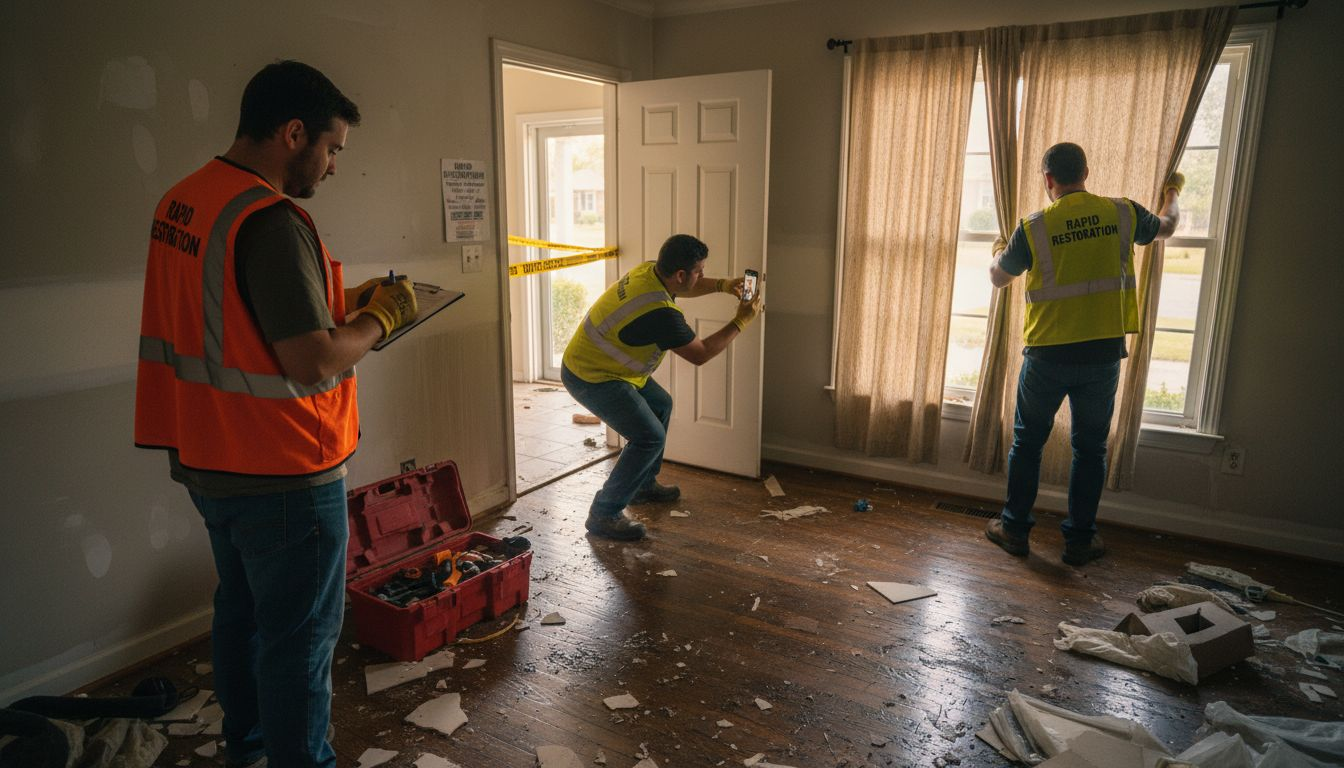
Water, fire, or mold can damage a Sacramento home in minutes, but a clear restoration plan makes all the difference for an American family. Fast, accurate documentation is critical because insurance claims supported with organized evidence are approved up to 40 percent faster. Knowing exactly what to do after a disaster helps Sacramento homeowners avoid delays, start repairs quickly, and regain peace of mind after an unexpected loss.
Table of Contents
- Step 1: Evaluate Extent Of Property Damage
- Step 2: Coordinate Emergency Response And Site Setup
- Step 3: Conduct Detailed Assessment And Documentation
- Step 4: Implement Restoration And Monitor Progress
- Step 5: Verify Completion And Prepare Insurance Documentation
Quick Summary
| Key Point | Explanation |
|---|---|
| 1. Thorough Damage Evaluation | Conduct a visual inspection and document all damage with photos and videos for accuracy. |
| 2. Safety and Emergency Coordination | Establish a centralized Emergency Operations Center to manage immediate risks and resource coordination. |
| 3. Detailed Documentation | Systematically catalog damages by type and severity with high-resolution photos and specific details. |
| 4. Monitor Restoration Progress | Create a tracking system to ensure quality of repairs and budget adherence during the restoration process. |
| 5. Compile Comprehensive Records | Organize complete documentation of restoration work to support insurance claims and verify repair quality. |
Step 1: Evaluate extent of property damage
Evaluating property damage after a disaster requires systematic and strategic documentation to understand the full scope of restoration needs. Your immediate goal is to create a comprehensive assessment that will guide insurance claims and future repair work, ensuring no critical details are overlooked.
Start by performing a thorough visual inspection of your entire property, documenting damage meticulously through photographs and videos. FEMA recommends capturing evidence from multiple angles, focusing on both interior and exterior surfaces. Walk through each room systematically recording visible damage to walls, floors, ceilings, electrical systems, and personal property. Pay special attention to structural elements like foundations, load bearing walls, and potential water or fire damage indicators. Use a digital camera or smartphone to create time stamped images that provide clear evidence for insurance purposes.
While assessing damage, prioritize safety and consider potential hidden risks that might not be immediately visible. If you suspect structural compromise or electrical hazards, contact professional restoration experts who can conduct a comprehensive damage evaluation. These specialists can identify underlying issues like moisture intrusion, electrical system damage, or potential mold growth that untrained eyes might miss.
Pro Tip: Create a digital backup of all damage documentation immediately and store copies in a secure cloud storage or external hard drive to prevent potential loss of critical evidence.
Step 2: Coordinate emergency response and site setup
Successful emergency response requires rapid organization and strategic coordination to minimize property damage and ensure safety. Your primary objective is to establish a swift and efficient management framework that addresses immediate risks and prepares for comprehensive restoration.
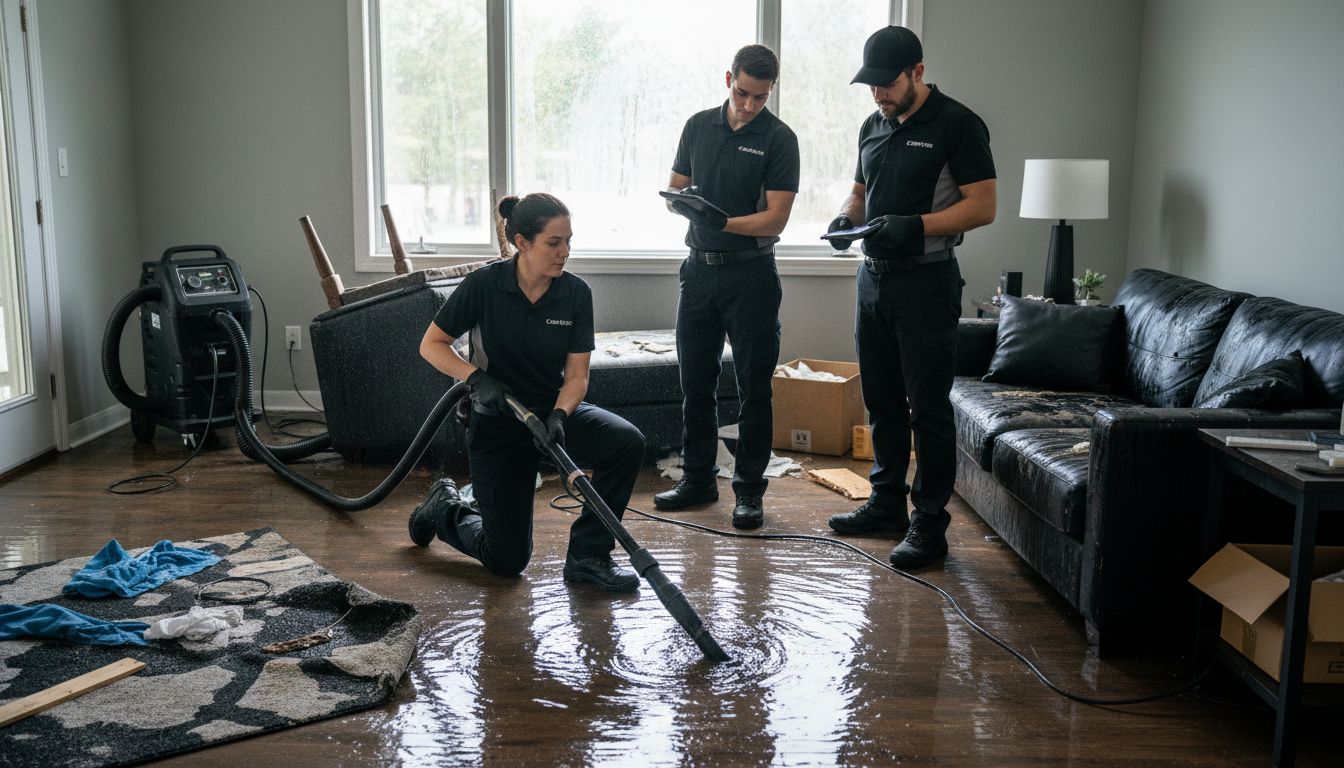
FEMA recommends establishing a centralized Emergency Operations Center that streamlines communication and resource allocation during crisis management. Begin by assembling a response team with clearly defined roles and responsibilities. Contact your insurance provider, document the damage extensively, and notify local authorities if necessary. Create a secure staging area near the damaged property where equipment can be stored and teams can coordinate their efforts. Prioritize safety by identifying potential hazards like electrical risks, structural weaknesses, or water damage that could compromise the site.
Identify and secure critical resources such as backup power generators, protective equipment, cleaning supplies, and communication devices. Establish a communication protocol that allows quick information sharing between property owners, restoration professionals, insurance representatives, and emergency services. Develop a preliminary action plan that outlines immediate steps for stabilization, temporary repairs, and protection against further damage.
Pro Tip: Create a digital emergency response folder with critical contact numbers, insurance details, and preliminary damage assessment documents to ensure rapid access during high stress situations.
Step 3: Conduct detailed assessment and documentation
Detailed property damage assessment represents a critical phase in your restoration journey where comprehensive documentation transforms initial observations into actionable restoration strategies. Your goal is to create a meticulous record that provides a clear roadmap for recovery and supports insurance claims.
The World Resources Institute recommends establishing a systematic documentation framework that captures comprehensive baseline data about the property damage. Begin by creating a structured damage inventory that categorizes destruction by type and severity. Photograph every affected area using high resolution images with clear lighting and include reference markers like measuring tapes to provide scale. Document each damaged element systematically room by room recording specific details such as material types water penetration depth structural compromises and potential secondary damage risks. Include close up shots of critical damage points and wide angle images that show overall context.
Work methodically to generate a comprehensive damage report that includes written descriptions supplementing photographic evidence. Note precise measurements estimated repair costs potential safety hazards and recommended immediate interventions. Collaborate with professional restoration experts who can provide technical assessments and validate your documentation. Cross reference your findings with professional evaluations to ensure nothing is overlooked and to strengthen your insurance claim documentation.
Pro Tip: Create a digital spreadsheet with color coded damage categories and include GPS tagged photographs to provide irrefutable documentation for insurance and restoration professionals.
Step 4: Implement restoration and monitor progress
Implementing property restoration requires a strategic approach that balances immediate repair needs with long term recovery goals. Your primary objective is to execute a comprehensive restoration plan that addresses structural damage while preventing future complications.
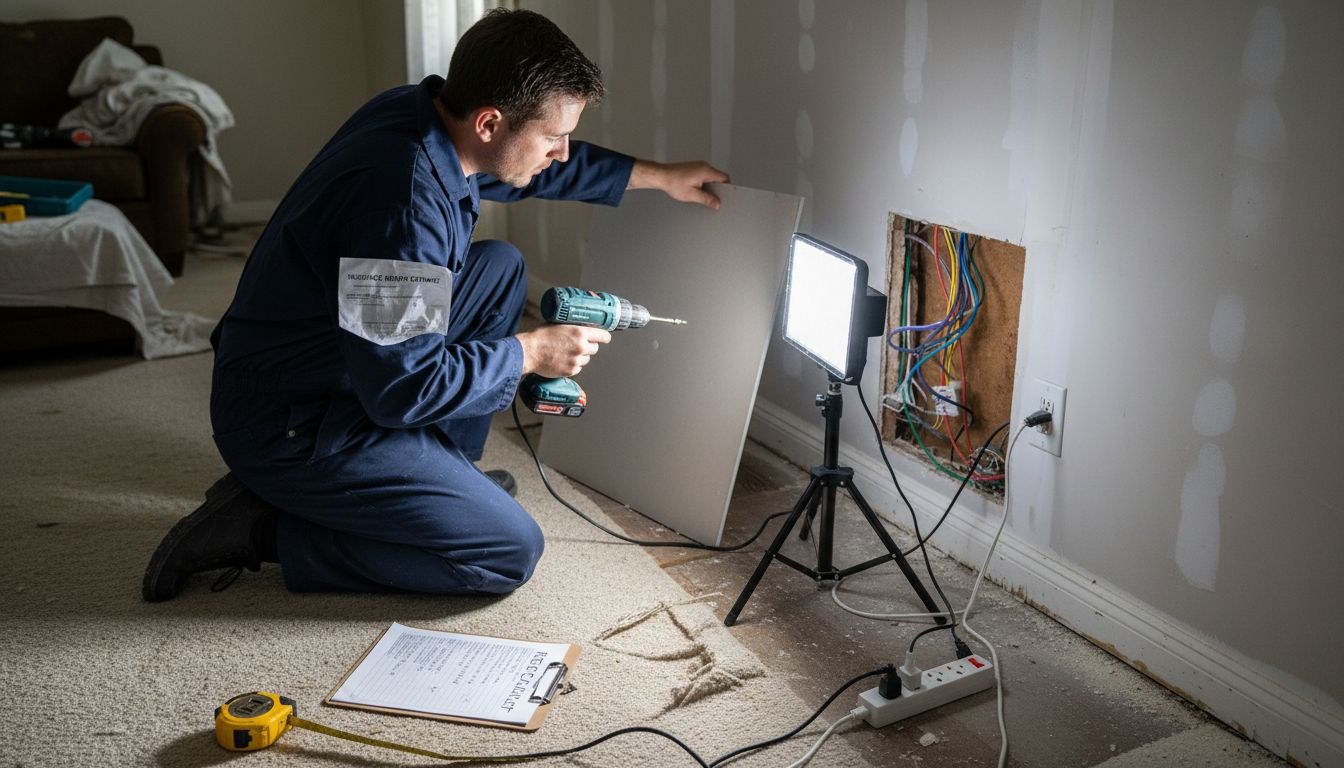
The World Resources Institute emphasizes the importance of adaptive management during restoration implementation, highlighting the need for systematic monitoring and responsive strategies. Begin by prioritizing critical repairs that prevent further deterioration such as water removal structural stabilization and preventing potential mold growth. Work closely with professional restoration experts to develop a phased approach that addresses both visible and potential hidden damages. Establish clear milestones and checkpoints to track progress systematically documenting each stage of restoration with detailed photographs and written reports.
Create a comprehensive tracking system that monitors restoration quality safety compliance and budget adherence. Schedule regular professional inspections to validate repair effectiveness and identify any emerging issues. Maintain open communication with your restoration team insurance representatives and any relevant contractors to ensure transparency and rapid problem resolution. Be prepared to adjust your restoration strategy based on unexpected discoveries or changing conditions that may emerge during the repair process.
Use this table to interpret and prioritize restoration risks and needs:
| Risk Type | Short-Term Consequence | Long-Term Impact |
|---|---|---|
| Hidden Water Leak | Structural weakening | Mold growth, costly repairs |
| Electrical Hazard | Fire or injury | System replacements needed |
| Missed Documentation | Delayed insurance reimbursement | Denial of claim, out-of-pocket costs |
| Improper Repairs | Recurring property damage | Decrease in property value |
Pro Tip: Develop a digital restoration dashboard that tracks repair progress budget expenditures and remaining restoration tasks to maintain real time visibility into your recovery efforts.
Step 5: Verify completion and prepare insurance documentation
Finalizing your property restoration requires meticulous documentation and comprehensive verification to ensure successful insurance claim processing. Your objective is to create an irrefutable record of restoration work that demonstrates the full extent of repairs and associated costs.
FEMA recommends thoroughly documenting all completed restoration activities to support insurance claims and verify quality standards. Begin by conducting a comprehensive walkthrough with your restoration professionals to confirm all planned repairs have been completed to the highest standards. Photograph each repaired area from multiple angles capturing before and after images that clearly demonstrate the restoration work. Collect and organize all critical documentation including detailed repair invoices contractor certifications material receipts and professional assessment reports.
Compile a comprehensive restoration portfolio that includes a chronological narrative of damage assessment repair processes and final restoration outcomes. Work closely with your insurance adjuster to ensure all documentation meets their specific requirements. Cross reference your documentation with original damage assessments to validate the completeness of repairs. Pay special attention to capturing serial numbers for replaced equipment documenting repair techniques and maintaining a clear financial record of all restoration expenditures.
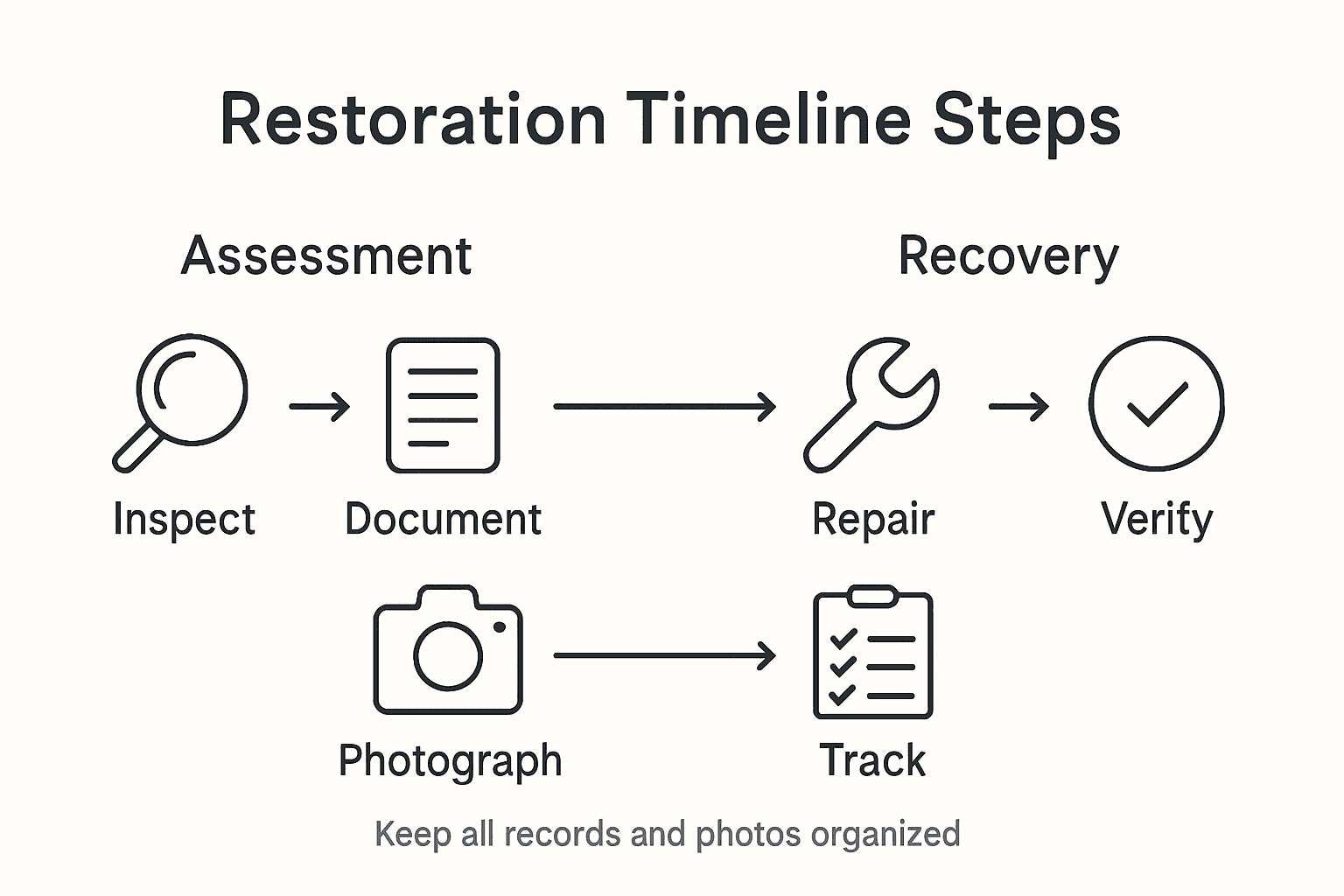
Pro Tip: Create a digital restoration portfolio with color coded sections chronological documentation and GPS tagged photographs to streamline your insurance claim submission process.
Here’s a quick comparison of key tasks at each property restoration step:
| Restoration Step | Main Objective | Essential Tools/Methods |
|---|---|---|
| Damage Evaluation | Document all visible and hidden damage | Camera, inspection checklist |
| Emergency Response Coordination | Ensure safety and swift site setup | Emergency folder, safety equipment |
| Detailed Damage Assessment | Create actionable and organized records | Spreadsheet, high-res photos |
| Restoration Implementation | Begin repairs and monitor ongoing progress | Restoration plan, dashboard |
| Completion & Insurance Preparation | Submit proof of completed restoration | Restoration portfolio, invoices |
Get Back on Track Quickly with Expert Property Restoration Support
Facing overwhelming property damage can be stressful and confusing. This article highlights the crucial steps of documenting damage, coordinating emergency response, detailed assessments, and monitoring restoration progress. You want to avoid hidden risks, delayed insurance claims, and costly mistakes that prolong recovery. Fast and thorough action is essential to prevent further issues like mold growth or structural weakening. You deserve a trusted partner who understands these challenges and guides you through each phase with care and professionalism.
At PuroClean of Northeast Sacramento, we specialize in providing fast, comprehensive restoration services including water damage cleanup, fire and smoke restoration, mold removal, and emergency responses. Our certified experts use advanced technology to assess structural damage accurately and create detailed documentation that supports your insurance claims. We prioritize safety and transparency while managing every step from damage evaluation to final restoration, ensuring your property recovers fully and your peace of mind is restored.
Don’t wait until hidden problems escalate or paperwork complications delay your recovery. Contact PuroClean of Northeast Sacramento today to experience compassionate and expert restoration services tailored to your property’s needs. Visit our site now to learn more and access emergency support anytime. Your fast recovery starts here.
Frequently Asked Questions
How do I evaluate the extent of property damage after a disaster?
To evaluate property damage, conduct a thorough inspection of the entire property while documenting damage with photographs and videos. Focus on capturing images from multiple angles and make sure to include both interior and exterior damage for a complete overview of restoration needs.
What should I prioritize during emergency response and site setup?
Prioritize safety and the organization of your emergency response. Establish a secure staging area for equipment, communicate with your insurance provider, and assess potential hazards to create an efficient response plan in a timely manner.
How can I ensure a detailed assessment and documentation of the damage?
To ensure comprehensive damage documentation, systematically categorize damage by type and severity, including photographs with reference markers. Maintain a structured inventory and detailed notes to support insurance claims and restoration actions.
What steps are involved in implementing a successful restoration plan?
Implementing a successful restoration plan involves prioritizing critical repairs, monitoring restoration progress, and communicating effectively with your team. Schedule regular inspections to validate repairs and make adjustments based on real-time findings throughout the restoration process.
How do I verify the completion of restoration and prepare my insurance documentation?
To verify completion, conduct a walkthrough with your restoration professionals and photograph all repaired areas while organizing invoices and reports. Compile a comprehensive portfolio that clearly demonstrates completed repairs and maintain proper documentation to streamline your insurance submission process.
Recommended
Belleville’s Emergency Plumbing Heroes: A Quick Guide – Davinroy Plumbing and Mechanical
How Long Does Fire Restoration Take? – PuroClean Certified Restoration Specialists
Fire Damage Restoration Timeline: What to Expect After a Fire in Your Scottsdale Property.
Fire Restoration Process: What to Expect from Assessment to Final Cleanup
 PuroClean of Northeast Sacramento