 PuroClean of Northeast Sacramento
 Smoke Damage Explained: Complete Guide for Property Owners
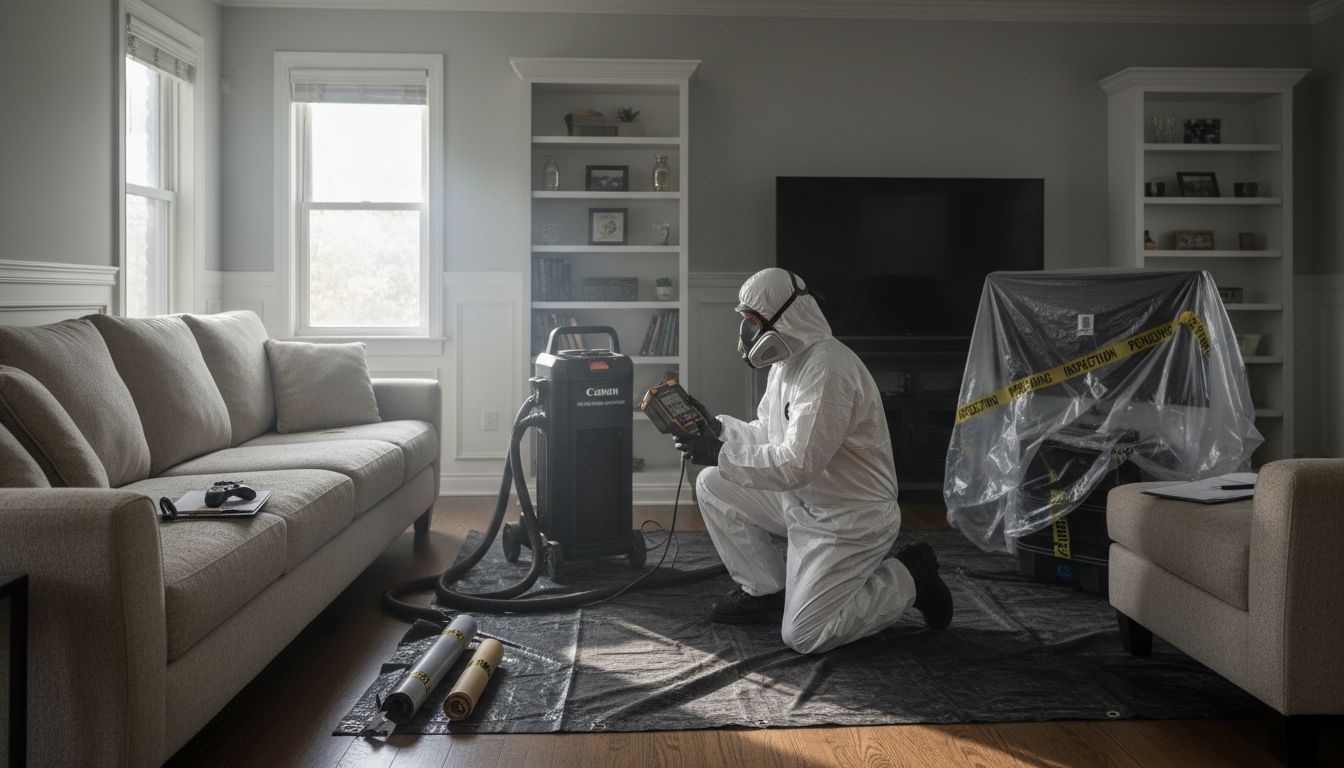
Did you know smoke particles can be as small as 0.1 microns and slip into every corner of a building? After a fire, the damage is not always obvious. Tiny byproducts like soot, ash, and chemicals hide deep inside walls, fabrics, and electronics where they cause serious problems over time. Understanding how smoke invades and ruins property goes far beyond what you might expect from surface stains and lingering odor.
Table of Contents
- What Is Smoke Damage and How It Occurs
- Primary Types of Smoke Residue and Effects
- Common Signs and Hidden Dangers of Smoke Damage
- Restoration Process and Residential Safety Standards
- Insurance Coverage and Financial Considerations
Key Takeaways
| Point | Details |
|---|---|
| Nature of Smoke Damage | Smoke damage includes microscopic particles that can corrode materials and persist long after a fire, often causing hidden damage. |
| Types of Smoke Residue | Different fires produce unique smoke residues, each requiring specific restoration strategies for effective recovery. |
| Health Risks | Residual smoke toxins pose serious health risks, necessitating professional assessment and thorough remediation to ensure safety. |
| Insurance Complexity | Insurance claims for smoke damage often require careful documentation and navigation to maximize recovery and minimize costs. |
What Is Smoke Damage and How It Occurs
Smoke damage represents a complex and often overlooked form of property destruction that extends far beyond visible fire damage. Smoke damage occurs when combustion byproducts like soot, ash, and volatile chemicals disperse throughout a property, infiltrating surfaces and materials with destructive microscopic particles. According to research from industry experts, these microscopic particles can penetrate deep into fabrics, plastics, metals, and porous surfaces, causing persistent contamination.
Unlike direct fire damage, smoke damage operates more insidiously. The byproducts of combustion create a fine particulate residue that travels through air currents, settling into unexpected areas like HVAC systems, upholstery, and wall cavities. Learn more about smoke odor removal from our guide on tobacco and smoke odor removal. These particles contain acidic compounds that can rapidly corrode metals, discolor surfaces, and generate persistent odors that linger long after the initial incident.
The mechanisms of smoke damage involve several critical processes. Factors like temperature, smoke density, and material composition significantly influence how extensively smoke will impact a property. Different types of fires – such as protein fires, electrical fires, or wood fires – produce varying smoke compositions, each with unique destructive characteristics. Smoke particles can range in size from 0.1 to 4.0 microns, allowing them to penetrate extraordinarily small spaces and create long-lasting contamination. This microscopic invasion means smoke damage can compromise structural integrity, electronic components, and indoor air quality without immediate visual indication.
Primary Types of Smoke Residue and Effects
Smoke damage is not a uniform phenomenon but a complex spectrum of residues with unique characteristics. According to research from industry experts, smoke residue manifests in several distinct types, each presenting different challenges for property restoration. The primary categories include wet smoke, dry smoke, protein smoke, and electrical smoke, each originating from different fire scenarios and leaving behind specific patterns of destruction.
Wet smoke, typically produced by slow-burning, low-temperature fires involving synthetic materials, creates a thick, sticky residue that deeply penetrates surfaces. In contrast, explore our detailed guide on smoke odor removal to understand how dry smoke from fast-burning fires leaves a fine, powdery residue that can more easily be cleaned. Protein smoke, often resulting from kitchen fires involving organic materials, leaves an almost invisible but extremely pungent residue that can permanently discolor surfaces and embed intense odors.
The composition of soot, the black carbon-based byproduct of incomplete combustion, varies dramatically depending on burned materials. Soot from wood fires differs significantly from that produced by burning plastics or synthetic fibers. Some soot appears powdery and light, while other types are oily and dense, making them challenging to remove. Electrical fires generate a unique type of residue that can be particularly damaging to electronic components, often leaving behind a corrosive film that can compromise the functionality of sensitive equipment. Understanding these nuanced differences is crucial for effective smoke damage restoration and preventing long-term property deterioration.
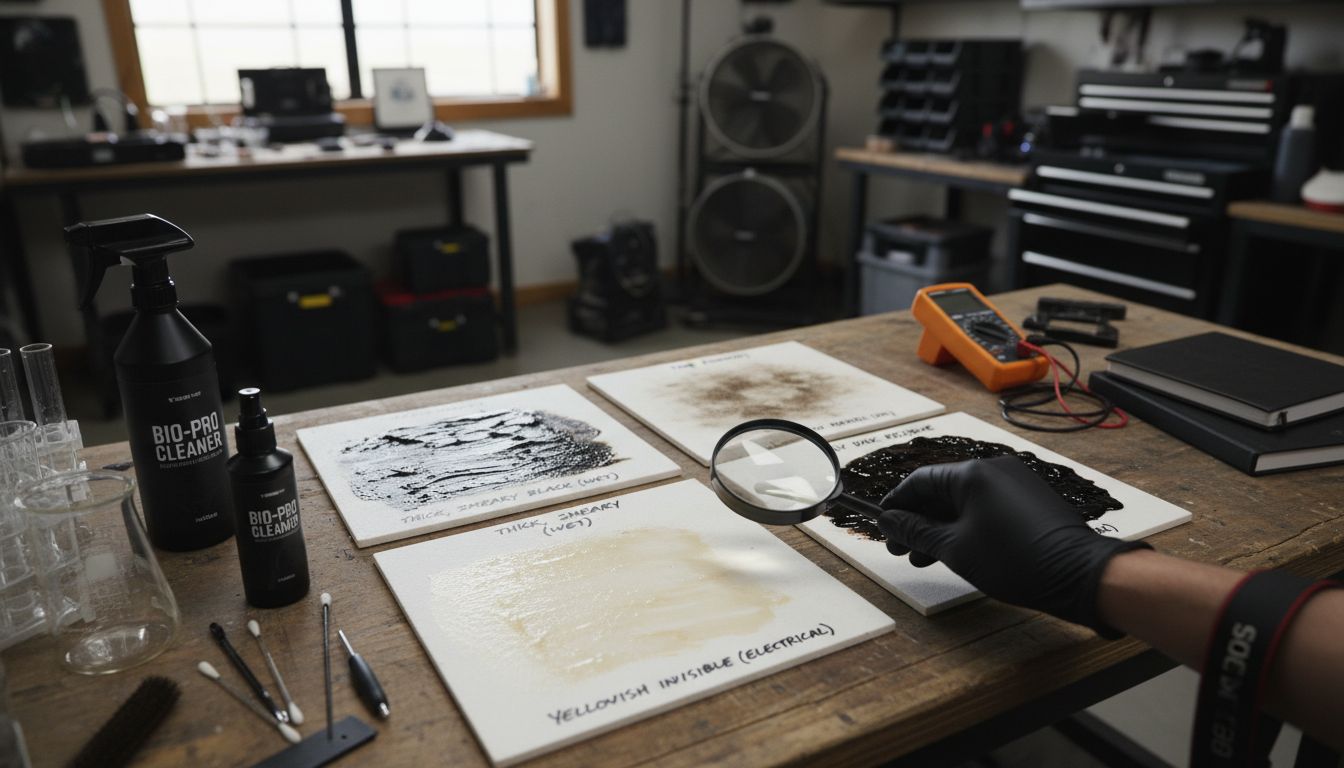
Here’s a comparison of the primary types of smoke residue and their effects:
| Type of Smoke Residue | Common Sources | Appearance & Consistency | Key Challenges |
|---|---|---|---|
| Wet Smoke | Synthetic materials Slow, low-heat fires | Thick, sticky, smeary | Hard to clean Deep penetration |
| Dry Smoke | Wood, paper Fast, high-heat fires | Fine, powdery, dry | Easier to clean Spreads widely |
| Protein Smoke | Kitchen fires Burned food | Almost invisible Yellow discoloration | Strong odors Permanent staining |
| Electrical Smoke | Electrical wiring Electronics | Oily, corrosive film | Damages electronics Corrodes metals |
Common Signs and Hidden Dangers of Smoke Damage
Smoke damage is a stealthy threat that goes far beyond visible surface discoloration. Visible indicators like yellowing walls, dark soot stains, and persistent smoky odors are just the tip of the iceberg. According to industry research, smoke can infiltrate every nook and cranny of a property, creating damage that often remains undetected until significant deterioration has occurred.
The most insidious aspect of smoke damage lies in its ability to spread silently through air currents and ventilation systems. Learn more about wildfire smoke damage impacts to understand how these microscopic particles can compromise entire properties. Hidden dangers include structural weakening, metal corrosion, and potential health risks from toxic residues. Smoke particles can penetrate deep into walls, furniture, and electronic systems, causing long-term damage that may not be immediately apparent.
Health risks associated with smoke damage are particularly concerning. Residual toxins can trigger respiratory issues, allergic reactions, and potential long-term health complications. The acidic nature of smoke residue can continue to corrode materials months after the initial incident, gradually degrading surfaces, electrical components, and structural integrity. Property owners must recognize that smoke damage is not just a cosmetic issue but a comprehensive problem requiring professional assessment and thorough remediation to prevent ongoing deterioration and potential health hazards.
Restoration Process and Residential Safety Standards
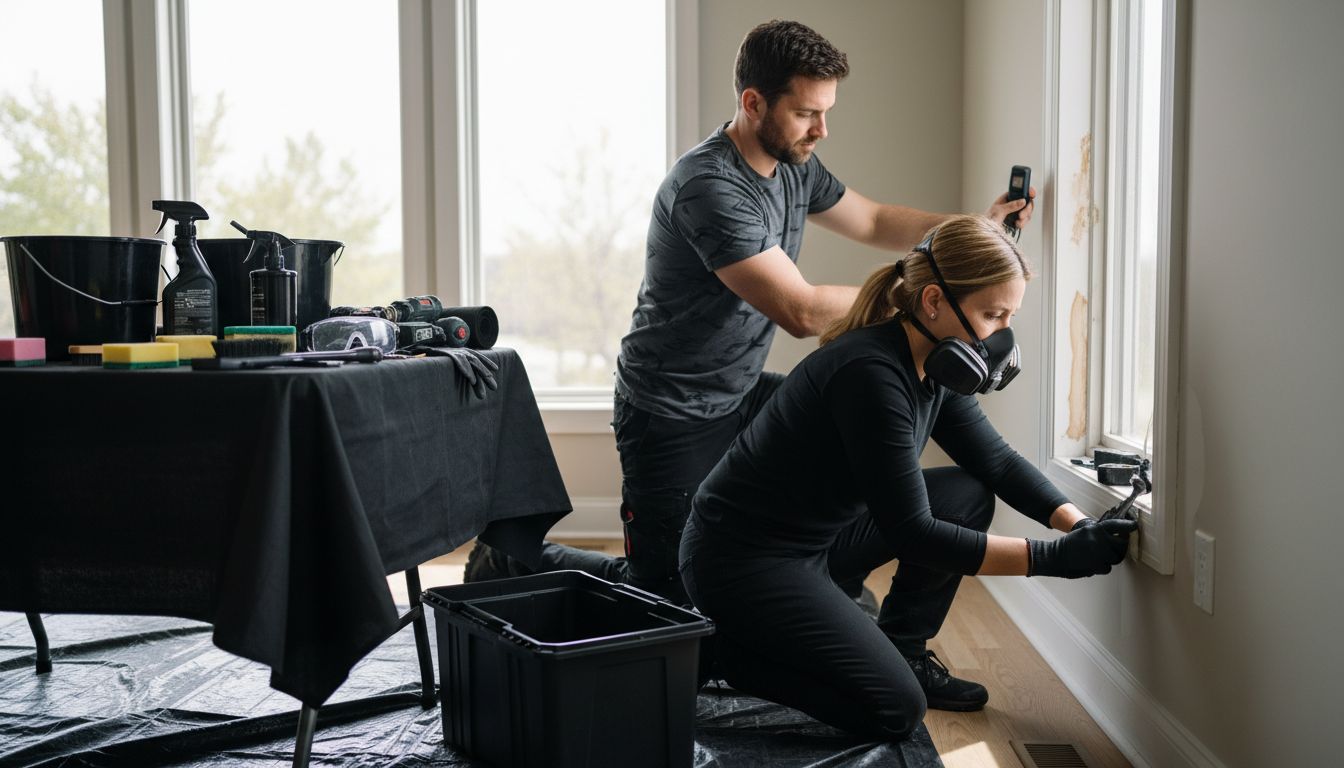
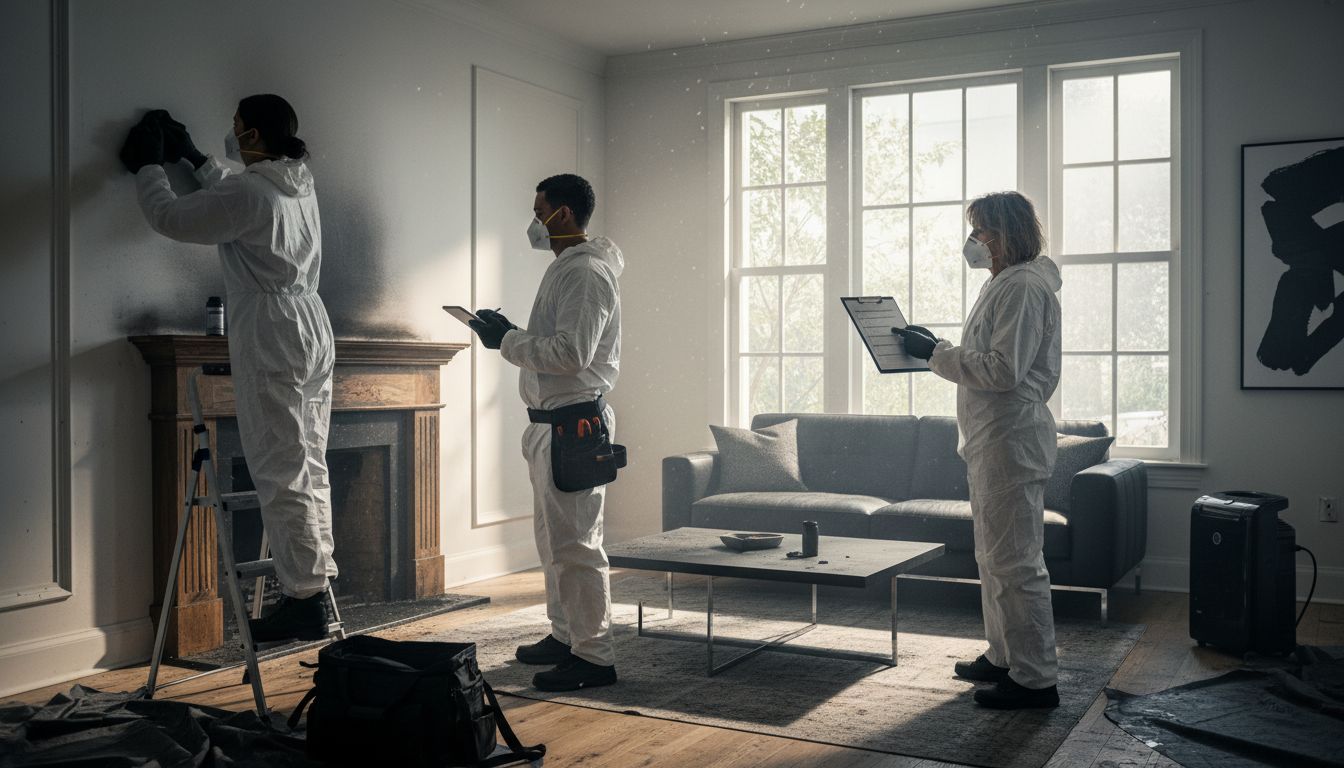
Smoke damage restoration is a meticulous process that requires professional expertise and strategic intervention. The first critical step involves comprehensive damage assessment, identifying the extent of contamination across surfaces, air systems, and structural components. Professional restoration teams utilize specialized equipment to measure smoke particle concentration, evaluate material degradation, and develop a targeted remediation strategy that meets stringent residential safety standards.
Learn more about the fire damage restoration process to understand the comprehensive approach needed. The restoration typically involves multiple critical phases: thorough ventilation to remove toxic particles, specialized cleaning techniques for different surface types, and advanced odor neutralization technologies. Safety protocols are paramount, requiring technicians to use personal protective equipment, implement containment strategies to prevent cross-contamination, and ensure air quality meets health department regulations.
Residential safety standards dictate a systematic approach to smoke damage restoration. This includes removing and replacing permanently damaged materials, deep cleaning salvageable surfaces with industrial-grade solutions, and implementing comprehensive air filtration systems. Technicians must address not just visible damage, but potential hidden risks in electrical systems, wall cavities, and HVAC networks. The ultimate goal extends beyond aesthetic restoration—it’s about creating a safe, habitable environment that protects residents’ health and prevents long-term structural deterioration.
Insurance Coverage and Financial Considerations
Insurance claims for smoke damage can be complex and nuanced, requiring property owners to navigate a challenging landscape of documentation, assessment, and negotiation. Most homeowners’ insurance policies do provide coverage for smoke damage, but the extent of protection varies significantly depending on the specific policy and circumstances of the incident. Understanding the intricacies of your insurance coverage is crucial to ensuring comprehensive financial recovery and minimizing out-of-pocket expenses.
Learn more about what to do after a house fire to better prepare for the insurance claims process. Financial documentation is critical, requiring meticulous record-keeping of all damage, restoration costs, and related expenses. Homeowners should promptly photograph and catalog all affected areas, preserve receipts for cleaning and restoration services, and maintain a comprehensive log of every interaction with insurance adjusters. These detailed records can significantly impact the claim’s success and potential reimbursement.
Beyond immediate restoration costs, smoke damage can have long-term financial implications. Potential reductions in property value, increased future insurance premiums, and hidden structural damages can create unexpected financial burdens. Professional restoration services play a pivotal role in mitigating these risks, providing detailed damage assessments that can substantiate insurance claims and prevent future depreciation. Property owners must approach smoke damage not just as a restoration challenge, but as a strategic financial management issue that requires proactive, well-documented intervention.
Protect Your Property from the Hidden Threat of Smoke Damage
Smoke damage is more than just a visible stain or lingering odor. It is a serious challenge that can quietly weaken your home and jeopardize your family’s health. If you have experienced the corrosive effects of wet smoke residue or the stubborn odors from protein smoke, you understand how overwhelming the restoration process can be. Smoke particles can settle deep inside walls, HVAC systems, and electronics leaving behind acid residues and toxins that require specialized treatment.
At PuroClean of Northeast Sacramento, we know how critical quick, thorough action is to stop smoke damage from causing permanent harm. Our certified experts use advanced techniques to detect and remove every trace of smoke contamination, restore air quality, and secure your property with care. Whether dealing with the sticky residue from synthetic fires or the subtle dangers of invisible protein smoke, we offer reliable emergency restoration you can trust.
Restore your home’s safety and comfort today with professional smoke damage services. Don’t wait for hidden damage to worsen. Visit our restoration solutions to learn how we combine fast response, expert care, and insurance assistance to protect what matters most. Contact us now to schedule a free assessment and take the first step toward a smoke-free, healthy environment.
Frequently Asked Questions
What is smoke damage and how does it occur?
Smoke damage occurs when combustion byproducts, such as soot and volatile chemicals, spread throughout a property, causing contamination and deterioration of materials. It can affect various surfaces, including fabrics, metals, and porous materials, and can occur even without visible fire damage.
What are the different types of smoke residue?
The primary types of smoke residue include wet smoke, dry smoke, protein smoke, and electrical smoke. Each type originates from different fire scenarios and has distinct characteristics and cleanup challenges, from sticky residues to invisible odors.
What are the health risks associated with smoke damage?
Smoke damage can lead to health risks like respiratory issues, allergic reactions, and potential long-term health complications due to residual toxins. It’s essential to address smoke damage promptly to mitigate these health hazards and ensure a safe living environment.
What is the smoke damage restoration process?
The smoke damage restoration process involves assessing the extent of damage, using specialized equipment to measure smoke particles, and implementing targeted remediation strategies. This includes ventilation, cleaning, odor neutralization, and ensuring safety protocols to protect residents during the restoration process.
 PuroClean of Northeast Sacramento