 PuroClean of Northeast Sacramento
 Smoke Odor Removal: Restoring Homes After Fire
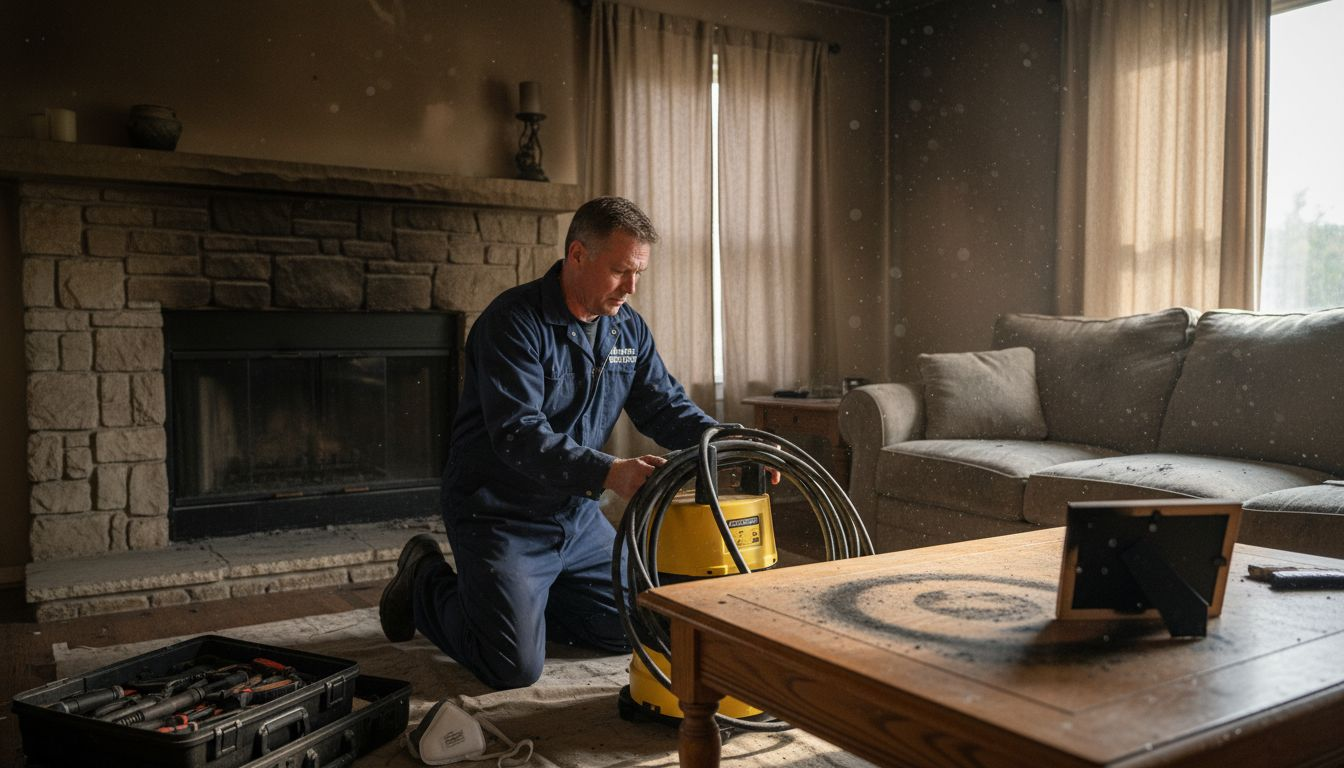
Most American families in Northeast Sacramento are shocked to learn that smoke odor particles can linger for months even after small fires, lowering property value and harming indoor air quality. Living with persistent smoke smells makes everyday comfort nearly impossible and can even pose health risks for your household. This guide will help you understand the science behind effective smoke odor removal and how fast action can restore both your home’s value and your peace of mind.
Table of Contents
- What Is Smoke Odor Removal?
- Types Of Smoke Odors In Homes
- How Professional Smoke Odor Removal Works
- Costs And Risks Of DIY Removal
- Benefits Of Hiring Certified Restoration Experts
Key Takeaways
| Point | Details |
|---|---|
| Importance of Professional Services | Professional smoke odor removal is essential for effectively eliminating persistent odors and restoring indoor air quality after a fire. |
| Types of Smoke Odors | Understanding the different types of smoke odors, such as secondhand and thirdhand smoke, helps tailor effective cleaning strategies. |
| Costs and Risks of DIY | DIY attempts often lead to incomplete removal and additional costs, making professional services a more cost-effective solution in the long run. |
| Benefits of Certification | Hiring certified restoration experts ensures a thorough understanding of smoke chemistry and provides detailed assessments and documentation for homeowners. |
What Is Smoke Odor Removal?
Smoke odor removal is a specialized process designed to eliminate microscopic smoke particles that penetrate and cling to surfaces throughout a home after a fire. Comprehensive cleaning techniques involve meticulously addressing walls, furniture, floors, clothing, and other household items contaminated by smoke residues.
The process goes far beyond simple surface cleaning. Smoke particles contain complex volatile organic compounds that can embed deeply into porous materials, creating persistent and unpleasant odors. Professional restoration experts use advanced methods like air purification systems with activated carbon to effectively neutralize these microscopic contaminants and restore indoor air quality.
Successful smoke odor removal requires a multifaceted approach that addresses both visible and invisible smoke damage. This typically involves deep cleaning techniques, specialized chemical treatments, thermal fogging, ozone treatments, and advanced air filtration methods. Professionals assess the extent of smoke damage, determine the type of smoke residue, and select targeted restoration strategies to comprehensively eliminate odors and restore the living environment.
Pro Tip for Homeowners: Act quickly after a fire and contact professional restoration services within 24-48 hours to prevent permanent smoke damage and minimize long-term odor contamination.
Types Of Smoke Odors In Homes
Smoke odors in residential spaces can be classified into several distinct categories, each with unique characteristics and challenges. Secondhand smoke exposure represents the most immediate type of smoke odor, originating directly from burning tobacco products and other combustible materials that release harmful particulates into indoor environments.
Beyond direct smoke exposure, thirdhand smoke represents a more insidious and long-lasting type of smoke odor. Residual chemical deposits can settle on surfaces like walls, furniture, carpets, and clothing, creating persistent odors that remain long after the initial smoke source has been removed. These microscopic residues can interact with environmental pollutants, potentially forming additional harmful compounds that continue to contaminate indoor spaces.
Additional smoke odor types include those from cooking accidents, electrical fires, fireplace emissions, and wildfire smoke intrusion. Each smoke source generates unique chemical compounds and residue patterns, requiring specialized cleaning and restoration approaches. The complexity of smoke odors stems from their ability to penetrate porous materials, bond with surface molecules, and create lasting olfactory and potential health challenges for residents.
Pro Tip for Homeowners: Identify the specific smoke odor type before attempting removal, as different smoke sources require targeted cleaning strategies to effectively neutralize persistent smells.
Use this reference table to quickly identify types of smoke odors and their unique remediation needs:
| Smoke Odor Type | Common Sources | Typical Challenges |
|---|---|---|
| Secondhand Smoke | Tobacco, indoor burning | Immediate, surface-level odor |
| Thirdhand Smoke | Residual deposits | Persistent, hard to remove |
| Cooking Smoke | Kitchen accidents | Grease and protein residues |
| Electrical Fires | Appliance malfunctions | Toxic, chemical residues |
| Wildfire Intrusion | Outdoor air leaks | Fine particles, difficult reach |
How Professional Smoke Odor Removal Works
Professional smoke odor removal is a sophisticated, multi-step process that goes far beyond traditional cleaning methods. Comprehensive surface cleaning involves meticulously addressing every surface in the affected space, including walls, ceilings, floors, and hidden areas where smoke particles can penetrate and linger.
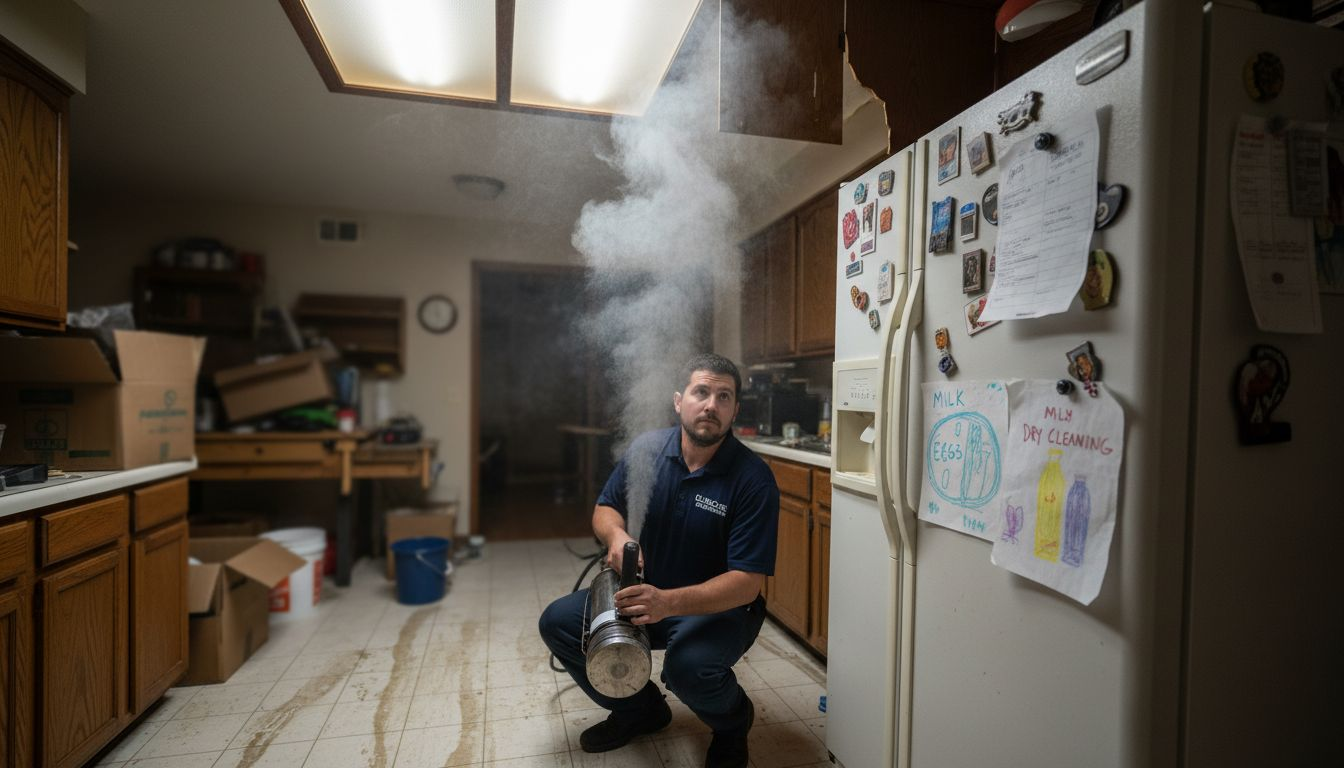
The core of professional smoke odor elimination involves advanced technological approaches. Specialists utilize specialized air purification systems with activated carbon filters to remove volatile organic compounds responsible for persistent smoke odors. These systems work at a molecular level, neutralizing microscopic particles that traditional cleaning methods cannot effectively address. The process typically includes thermal fogging, ozone treatment, and advanced filtration techniques that systematically break down and eliminate smoke residues.
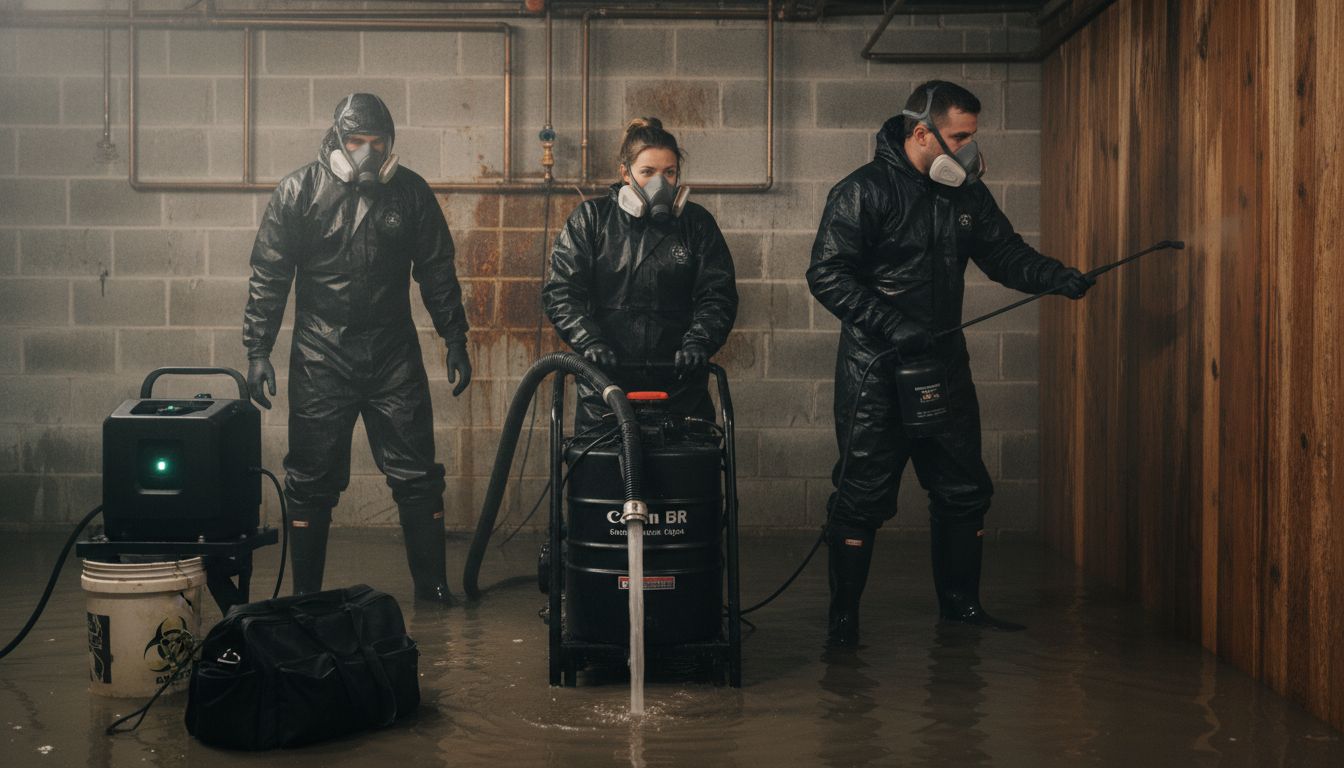
Professional restoration teams conduct a detailed assessment before beginning the odor removal process, identifying the specific type of smoke damage, the materials affected, and the most appropriate restoration strategy. This might involve specialized cleaning agents, industrial-grade air scrubbers, hydroxyl generators, and targeted treatments for different surfaces such as fabric, wood, drywall, and electronics. The goal is not just to mask odors, but to completely eliminate them by breaking down the molecular structures that cause persistent smoke smells.
Pro Tip for Homeowners: Request a comprehensive inspection and detailed treatment plan before smoke odor removal begins, ensuring a thorough and targeted approach to restoring your living space.
Costs And Risks Of DIY Removal
DIY smoke odor removal attempts can quickly become a financially and emotionally draining process for homeowners. While the initial motivation is to save money, inexperienced cleaning efforts often result in incomplete odor elimination, potentially requiring expensive professional intervention later. The hidden costs include purchasing specialized cleaning equipment, multiple cleaning products, and potential damage to surfaces that require professional restoration.
The health and safety risks of DIY smoke odor removal are significant and often underestimated. Improper use of cleaning agents can expose individuals to harmful chemicals, respiratory irritants, and toxic compounds embedded in smoke residues. Amateur cleaning techniques may actually spread smoke particles further, contaminating previously unaffected areas and potentially causing long-term damage to porous materials like fabric, wood, and drywall.
Financial risks extend beyond immediate cleaning expenses. Ineffective DIY methods can lead to permanent property value reduction, persistent odor problems, and potential health complications from lingering smoke particles. Professional restoration teams use advanced technologies and specialized techniques that thoroughly eliminate smoke molecules, whereas home remedies typically only mask odors temporarily. The equipment required for comprehensive smoke odor removal often costs thousands of dollars, making professional services more economically sensible for most homeowners.
Here’s a summary that highlights the main differences between DIY and professional smoke odor removal:
| Aspect | DIY Removal Approach | Professional Restoration Approach |
|---|---|---|
| Required Equipment | Basic household supplies, limited | Advanced tools like HEPA air scrubbers |
| Effectiveness | Often incomplete, odors may linger | Extensive, targets both surface and deep |
| Health Risks | Increased; improper handling likely | Reduced; safety protocols followed |
| Long-term Cost | Can escalate with repeat attempts | Higher upfront, fewer follow-up expenses |
| Documentation | Rarely provided | Detailed reports for insurance claims |
Pro Tip for Homeowners: Calculate the total potential cost of DIY efforts, including equipment, cleaning supplies, and potential property damage, before deciding against professional smoke odor removal services.
Benefits Of Hiring Certified Restoration Experts
Certified restoration experts bring a level of technical precision and comprehensive understanding that transforms smoke odor removal from a challenging task to a systematic solution. These professionals possess specialized equipment and advanced techniques that enable them to address smoke contamination at its molecular level, ensuring complete and thorough restoration of affected spaces.
The technical advantages of hiring certified experts extend far beyond basic cleaning capabilities. Professional air cleaning devices and tailored techniques allow for a targeted approach that addresses the unique characteristics of different smoke residues. Certified professionals understand the complex chemistry of smoke particles, utilizing advanced technologies like thermal fogging, ozone treatment, and industrial-grade air scrubbers that can penetrate and neutralize odors in ways consumer-grade solutions cannot.
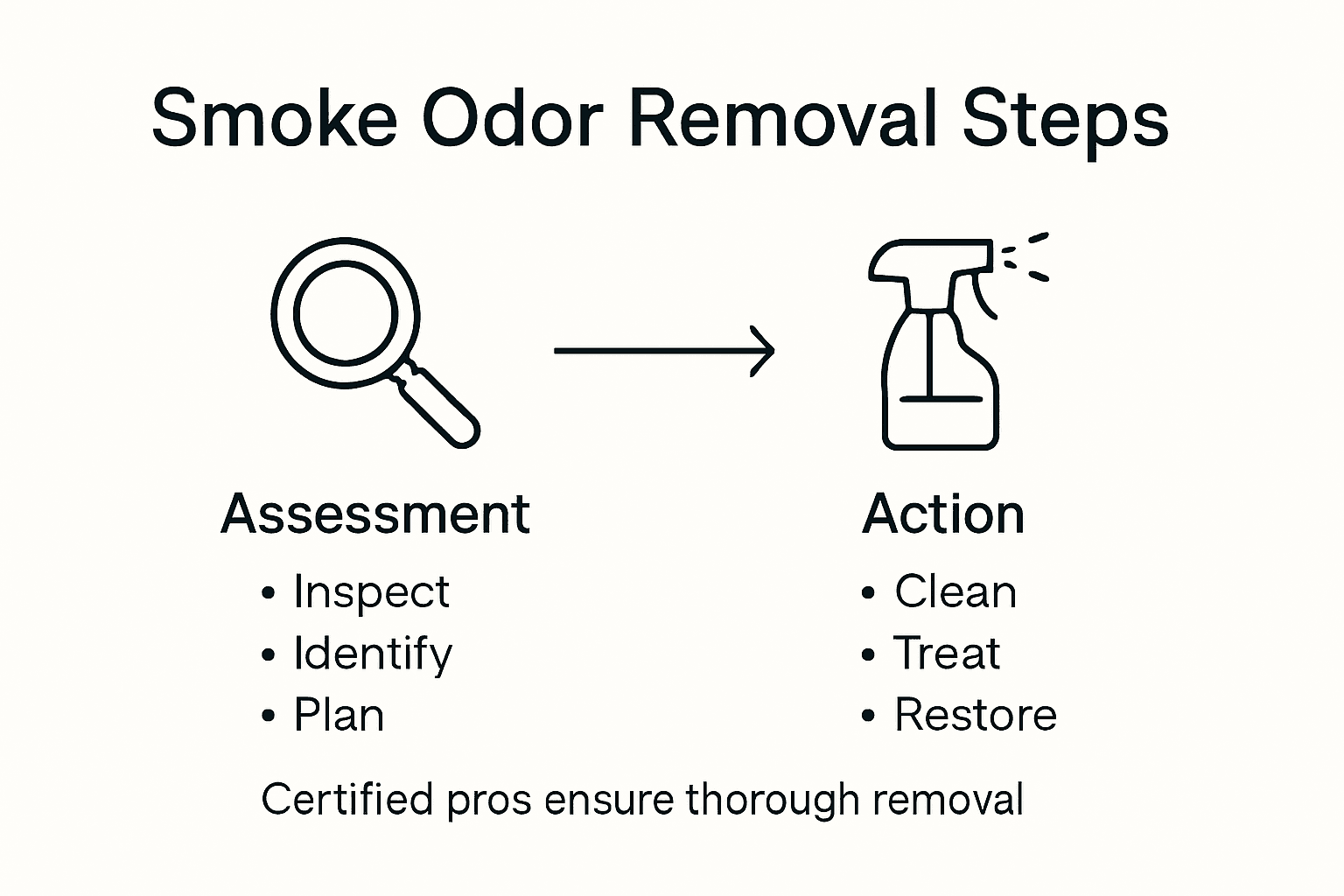
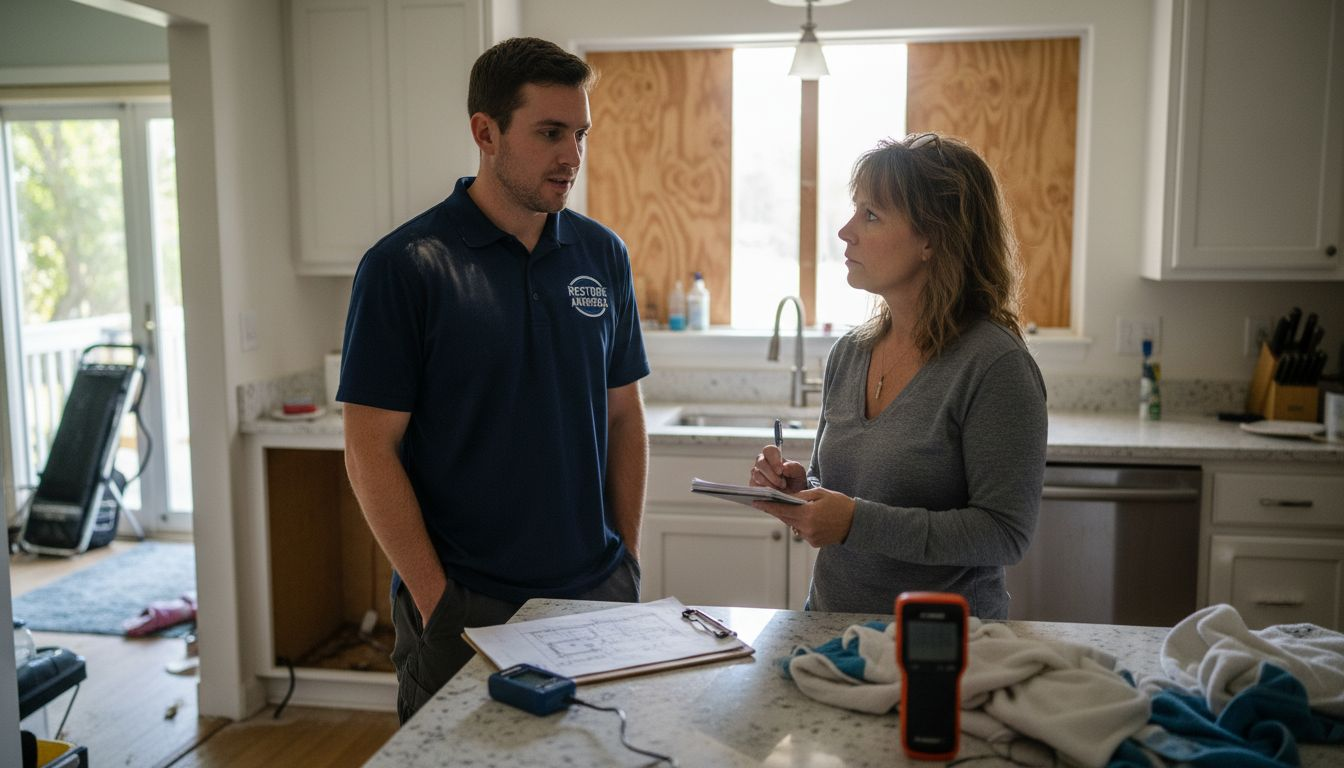
Beyond technical expertise, certified restoration experts provide comprehensive risk mitigation and documentation services. They conduct detailed assessments that identify potential health hazards, structural damage risks, and secondary contamination concerns. Their professional-grade approach includes detailed reporting for insurance purposes, ensuring homeowners have complete documentation of the restoration process. This systematic approach not only resolves immediate smoke odor issues but also protects long-term property value and resident health.
Pro Tip for Homeowners: Request and verify professional certification credentials before hiring a restoration team, ensuring you’re working with genuinely qualified smoke odor removal specialists.
Professional Smoke Odor Removal to Restore Your Home’s Comfort
Dealing with persistent smoke odors after a fire can feel overwhelming. The article highlights key challenges such as microscopic smoke particles deeply embedded in walls, furniture, and other materials that create long-lasting odors and potential health risks. Quick action and expert intervention are essential to fully eliminate these odors and protect your home. If you want to avoid incomplete DIY attempts and reduce health hazards from lingering toxins, turning to certified smoke odor removal professionals is the best solution.
At PuroClean of Northeast Sacramento, our certified restoration experts use advanced techniques like thermal fogging, ozone treatments, and industrial-grade air purifiers to target smoke contamination at a molecular level. We deliver thorough assessments and tailored restoration plans to ensure your living space returns to a clean, safe environment. Our 24/7 emergency response team understands the urgency of smoke remediation and works diligently to prevent permanent damage and restore your peace of mind.
Restore your home with confidence. Contact PuroClean of Northeast Sacramento now for expert smoke odor removal designed to protect your health and property. Don’t wait until odors become permanent. Take the first step toward a fresher, safer home today.
Frequently Asked Questions
What is smoke odor removal?
Smoke odor removal is a specialized process that eliminates microscopic smoke particles from various surfaces in a home after a fire. It involves comprehensive cleaning techniques that address walls, furniture, floors, and other items contaminated by smoke residues.
How do professionals remove smoke odors from homes?
Professionals use advanced methods such as activated carbon air purification systems, thermal fogging, ozone treatments, and specialized cleaning agents. These techniques target both visible and invisible smoke damage to ensure complete odor elimination.
What types of smoke odors can develop in homes?
There are several types of smoke odors, including secondhand smoke from tobacco, thirdhand smoke from residual deposits, cooking smoke from kitchen accidents, and odors from electrical fires or wildfire intrusion. Each type requires different cleaning strategies for effective removal.
What are the risks of DIY smoke odor removal?
Attempting DIY smoke odor removal can lead to incomplete removal of odors and potential health risks from harmful chemicals. Inexperienced methods may also damage surfaces and require costly professional intervention later on, making professional services a more sensible choice.
Recommended
12 Bad Fire Safety Habits That Can Burn Down Your Workplace
Smoke Smell Removal after a Home Fire: Tips from Professionals
How to Mitigate Home Smoke Damage – PuroClean Home Emergency Services
 PuroClean of Northeast Sacramento