 PuroClean of Northeast Sacramento
 Smoke Remediation Steps for Complete Odor Removal
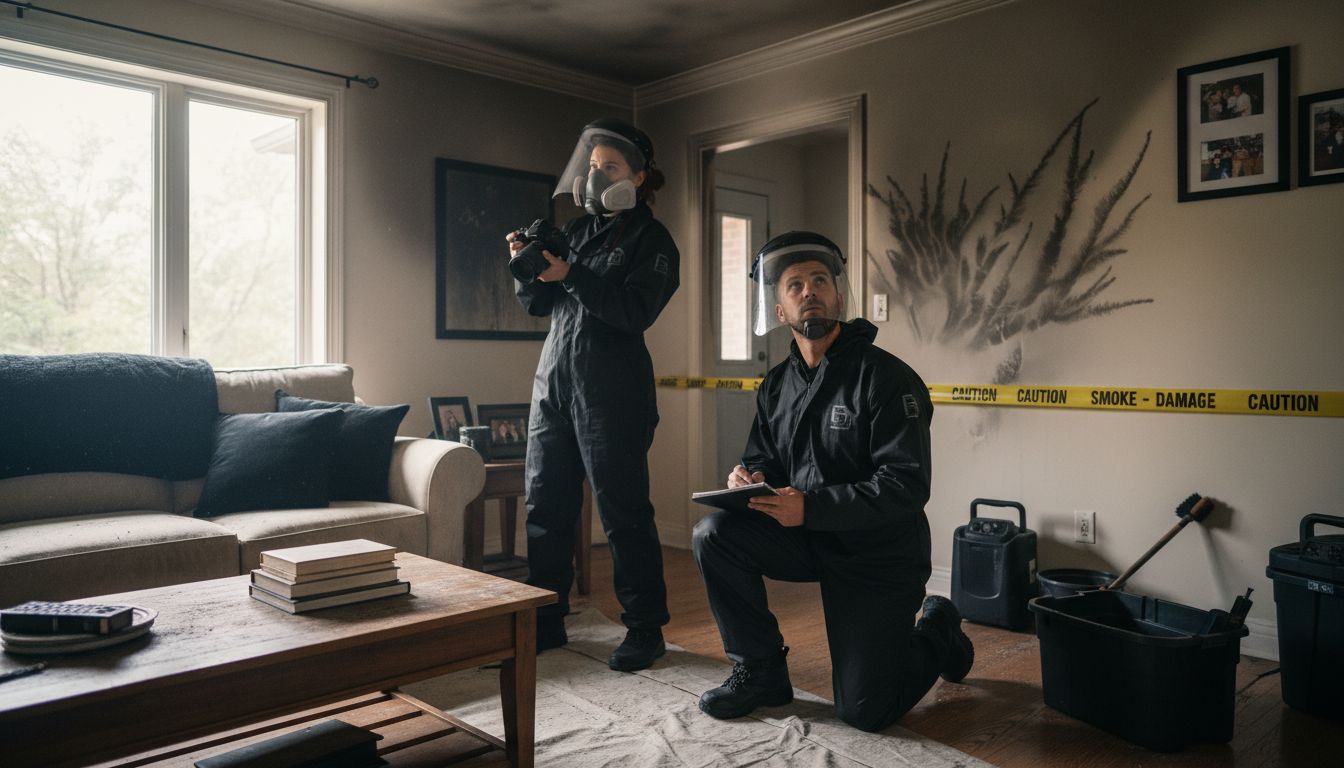
Smoke damage can spread through a property in minutes, with over 60 percent of indoor surfaces absorbing smoke particles after just one exposure. If left unchecked, even minor smoke incidents can lead to hidden contamination and serious health risks. Knowing how to properly assess, clean, and restore affected areas gives you the power to protect your investment and health while avoiding ongoing air quality issues.
Table of Contents
- Step 1: Assess Smoke Damage and Secure the Area
- Step 2: Ventilate Spaces and Remove Residue
- Step 3: Clean Surfaces and Deodorize Materials
- Step 4: Inspect HVAC Systems and Replace Filters
- Step 5: Verify Air Quality and Prevent Recurrence
Quick Summary
| Key Point | Explanation |
|---|---|
| 1. Assess smoke damage thoroughly | Evaluate all affected areas and document findings to prevent further risks and aid restoration. |
| 2. Ensure proper ventilation | Open windows and use fans and air scrubbers to restore air quality and eliminate smoke particles effectively. |
| 3. Clean and deodorize surfaces | Use appropriate cleaning solutions and advanced deodorization techniques to remove soot and persistent odors. |
| 4. Inspect and maintain HVAC systems | Clean ducts and replace filters to avoid recirculating smoke contaminants and protect air quality. |
| 5. Verify air quality post-remediation | Conduct air quality testing and implement preventive measures to ensure a safe and healthy living environment. |
Step 1: Assess Smoke Damage and Secure the Area
When smoke invades your property, the first critical step is conducting a thorough damage assessment and securing the affected area. This initial phase sets the foundation for successful smoke remediation and prevents further potential damage.
Begin by performing a comprehensive property evaluation. According to restoration experts, you need to identify all areas impacted by smoke including structural components and personal belongings. Carefully examine walls, ceilings, floors, furniture, and hidden spaces where smoke residue might have penetrated. Look for discoloration, soot buildup, and potential structural weakening.
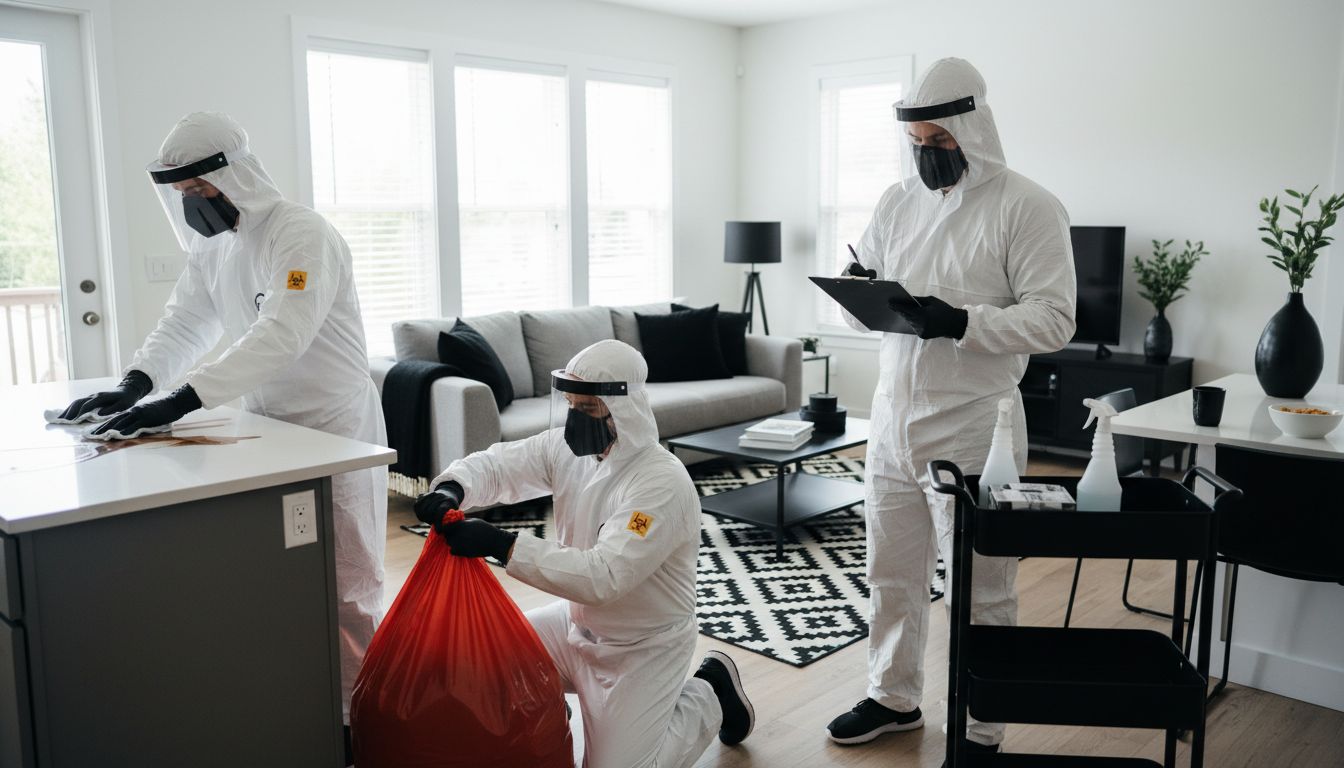
Prioritize safety during your assessment. Secure any compromised structures to prevent potential accidents or unauthorized access. This means blocking off unstable areas, covering exposed openings, and ensuring no one enters potentially dangerous zones without proper protection.
Warning: Never enter a damaged area without first checking structural integrity and wearing appropriate personal protective equipment.
Professional inspections become crucial at this stage. As industry specialists recommend, engaging experts can help perform detailed source evaluations to determine the precise extent of smoke damage. These professionals use advanced techniques to identify smoke origin points and create targeted remediation strategies.
The next phase involves documenting everything meticulously. Take clear photographs of all damaged areas, create detailed written descriptions, and make comprehensive notes. This documentation will be invaluable for insurance claims and professional restoration planning.
With your initial assessment complete, you are now prepared to move forward with specialized smoke removal techniques. Learn more in our guide on smoke odor removal to understand the next critical steps in restoring your property.
Step 2: Ventilate Spaces and Remove Residue
After assessing smoke damage, ventilation becomes your next critical strategy for removing smoke particles and odors from your property. This step will help restore air quality and prepare your space for deeper cleaning and restoration.
According to indoor air quality experts, enhancing air circulation is crucial. Begin by opening all windows and doors to create immediate cross ventilation. Strategically position high powered fans to push contaminated air outside and draw fresh air inside. As recommended by restoration professionals, utilize air scrubbers equipped with HEPA filters to capture microscopic smoke particles and neutralize airborne contaminants.
The Environmental Protection Agency emphasizes implementing targeted exhaust ventilation during remediation. This means using specialized equipment to directly expel pollutants outdoors instead of recirculating them through your interior spaces. Position exhaust fans near the most affected areas to maximize particle removal.
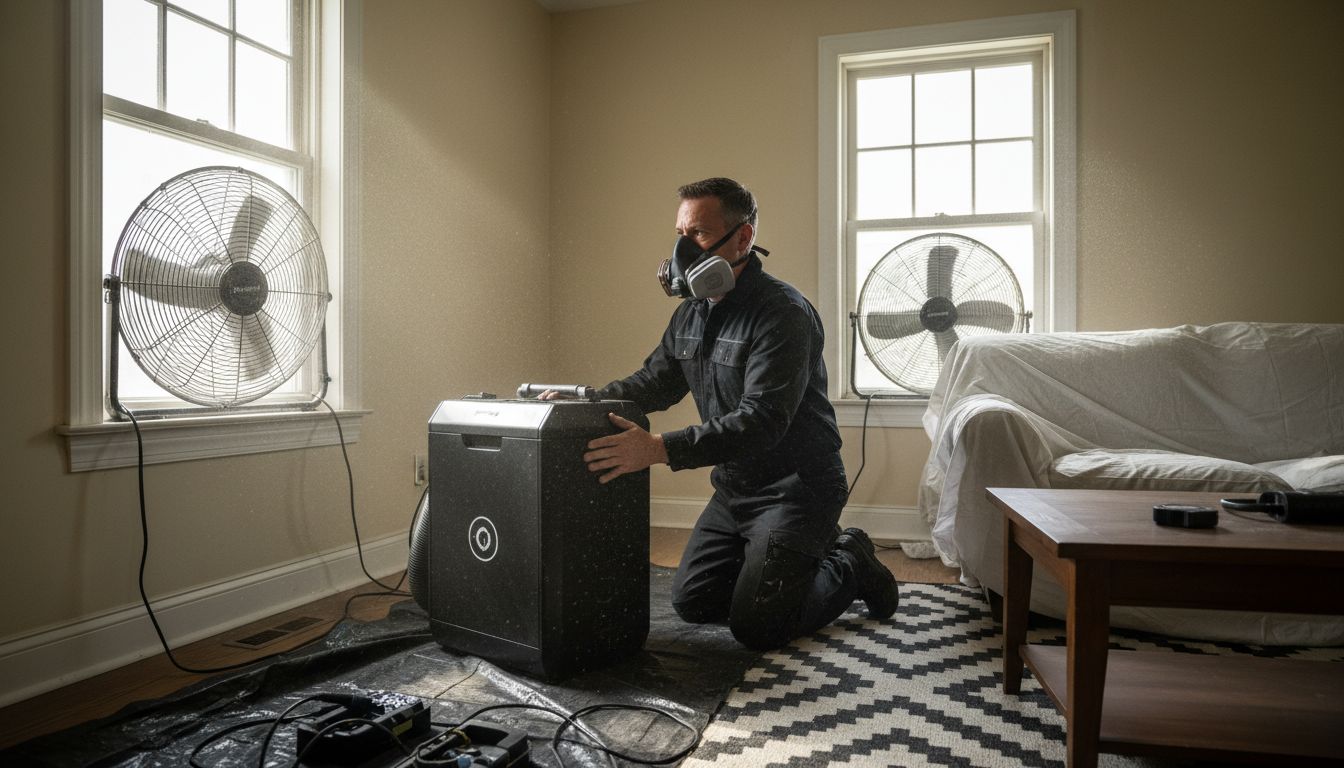
Pro Tip: Always wear protective respiratory equipment when conducting ventilation in smoke damaged environments.
Focus on creating multiple air exchange points. Open windows on opposite sides of rooms to create natural air current flows. If possible, use industrial grade fans angled to push smoke laden air directly outside. Pay special attention to enclosed spaces like closets, attics, and crawl spaces where smoke residue tends to accumulate.
Understand more about smoke odor removal techniques to comprehensively address lingering smoke contamination in your property. Proper ventilation sets the stage for successful smoke remediation and indoor air quality restoration.
Step 3: Clean Surfaces and Deodorize Materials
After ventilating the space, you will now tackle the critical task of cleaning smoke residues and eliminating persistent odors from your property. This stage requires targeted cleaning techniques and specialized treatments to restore your surfaces and materials.
According to restoration professionals, specialized cleaning agents are essential for removing soot and smoke residues from different surfaces. Begin by selecting appropriate cleaning solutions for specific materials such as wood, fabric, metal, and painted surfaces. Soft cloths and gentle cleaning techniques work best to prevent additional damage while removing smoke particles.
For porous materials like fabrics and upholstery, consider professional deep cleaning methods. These specialized treatments can penetrate deep into fibers to extract embedded smoke molecules. Nonporous surfaces like glass and metal typically respond well to targeted solvent based cleaners designed to break down smoke residues.
Pro Tip: Always test cleaning solutions on a small hidden area first to ensure they do not cause discoloration or additional damage.
To address persistent odors, restoration experts recommend advanced deodorization techniques. Ozone treatment offers an effective solution for oxidizing and neutralizing smoke smells. This process involves using specialized equipment that generates ozone molecules to break down odor causing compounds at their molecular level.
Learn more about controlling bad odors to understand comprehensive strategies for eliminating smoke contamination. Proper surface cleaning and deodorization are crucial steps in restoring your property to its pre smoke condition.
Step 4: Inspect HVAC Systems and Replace Filters
After cleaning surfaces and addressing odors, your HVAC system requires careful inspection and thorough cleaning to prevent smoke contaminants from recirculating throughout your property. This critical step ensures your ventilation system remains a solution rather than a source of continued pollution.
According to the Environmental Protection Agency, regular maintenance and inspection of HVAC systems are crucial to preventing indoor air quality issues. Begin by conducting a comprehensive examination of all system components including ductwork, vents, filters, and internal mechanisms. Look for visible signs of soot accumulation, discoloration, or smoke residue that might have penetrated your ventilation system.
Carefully remove and inspect all air filters. Smoke particles are microscopic and can easily embed themselves in filter materials, potentially reintroducing contaminants into your living spaces. Replace disposable filters entirely and consider professional deep cleaning for permanent filter components. For fabric or reusable filters, use specialized cleaning solutions designed to extract embedded smoke molecules.
Pro Tip: Wear protective respiratory equipment and gloves during HVAC inspection to avoid direct contact with potentially hazardous smoke residues.
Pay special attention to air ducts where smoke particles can become trapped and create persistent odor problems. If significant contamination is discovered, professional duct cleaning might be necessary to completely eliminate smoke residues and prevent future air quality issues.
Learn more about HVAC maintenance and potential issues to ensure comprehensive system restoration and protect your indoor environment. Thorough HVAC inspection represents a critical final step in complete smoke remediation.
Step 5: Verify Air Quality and Prevent Recurrence
After completing smoke remediation steps, verifying your indoor air quality becomes the final crucial phase in ensuring a safe and healthy environment. This process involves comprehensive testing and establishing preventative protocols to protect your property from future smoke contamination.
According to the Environmental Protection Agency, implementing ongoing air quality monitoring is essential for maintaining a healthy indoor environment. Begin by conducting professional air quality testing using specialized particulate meters and air sampling equipment. These advanced tools can detect microscopic soot particles and harmful chemical residues that might not be visible to the naked eye.
Work with certified indoor air quality professionals who can provide detailed analysis of your property’s air composition. They will measure particulate levels, identify potential chemical contaminants, and recommend targeted strategies to eliminate any remaining pollutants. Focus on collecting samples from multiple areas including living spaces, HVAC systems, and less frequently accessed zones like attics and crawl spaces.
Pro Tip: Invest in high quality HEPA air purifiers with activated carbon filters to continuously remove residual smoke particles and prevent future contamination.
Establish long term prevention strategies by creating a comprehensive maintenance plan. This includes regular air quality assessments, consistent HVAC system cleaning, and immediate response protocols for any future smoke exposure. Educate household members about potential sources of indoor air pollution and develop proactive cleaning routines.
Learn more about managing indoor air quality to protect your living environment and maintain healthy indoor conditions. Thorough verification represents the final step in complete smoke remediation and long term air quality protection.
Here’s a summary of the five essential smoke remediation steps:
| Step | Key Actions | Purpose |
|---|---|---|
| Assess Smoke Damage | Evaluate damage Document & photograph Secure area | Prevent further risk Guide restoration |
| Ventilate & Remove Residue | Open windows/doors Use fans & air scrubbers Target enclosed spaces | Restore air quality Remove smoke particles |
| Clean & Deodorize | Use surface-specific cleaners Deep clean fabrics Apply advanced deodorization | Remove soot Eliminate odors |
| Inspect HVAC & Replace Filters | Check ducts & vents Replace filters Consider duct cleaning | Stop recirculation Protect air system |
| Verify Air Quality & Prevent Recurrence | Test air quality Install HEPA purifiers Schedule regular maintenance | Ensure safety Prevent future smoke issues |
Restore Your Space with Expert Smoke Remediation from PuroClean of Northeast Sacramento
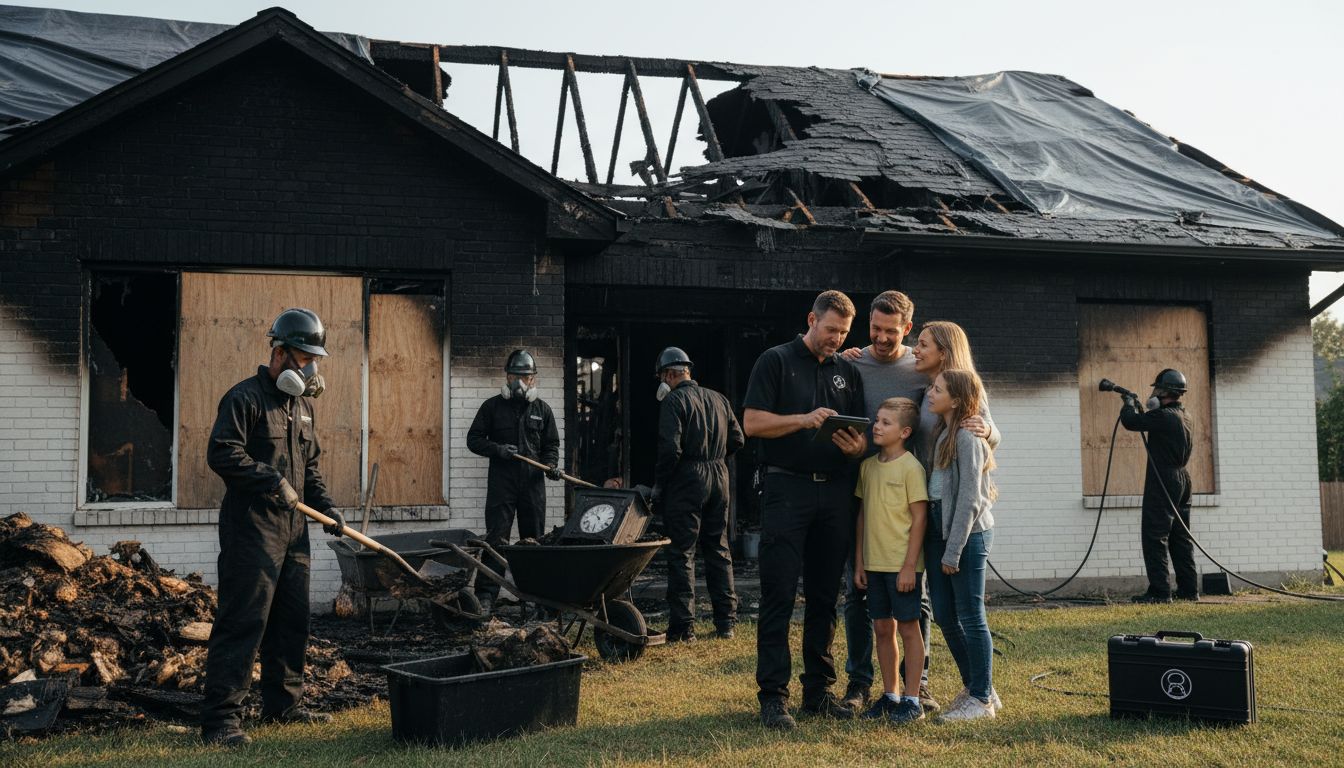
Smoke damage and its stubborn odors can feel overwhelming and harmful beyond just the visible destruction. The detailed process of assessing smoke damage, ventilating spaces, deep cleaning surfaces, inspecting HVAC systems, and verifying air quality demands professional care and proven technology to protect your home or business. If you are dealing with lingering smoke odors or worried about hidden contaminants, do not leave your recovery to chance.
Trust the certified experts at PuroClean of Northeast Sacramento who specialize in complete fire and smoke restoration services including emergency response available 24/7. Their advanced methods and compassionate customer care ensure your property is not only cleaned and deodorized but also safe and healthy for you and your family or customers. Act now to prevent further damage and reclaim your indoor air quality. Visit our site to learn more about our emergency restoration services and how we assist with insurance claims for a smooth recovery journey.
Frequently Asked Questions
What are the initial steps to assess smoke damage in my property?
Begin with a thorough evaluation of the affected areas, including walls, ceilings, and furniture. Document your findings with photographs and detailed notes to assist in the restoration process.
How can I effectively ventilate my home after smoke damage?
Open all windows and doors to create cross ventilation and use high-powered fans to push contaminated air outside. Aim to establish multiple air exchange points to enhance air quality quickly.
What are the best cleaning methods for removing smoke residue from different surfaces?
Use specialized cleaning agents tailored to specific materials like wood and fabric, applying gentle techniques to prevent further damage. For porous fabrics, consider professional deep cleaning to ensure embedded smoke particles are removed effectively.
How should I inspect and maintain my HVAC system after smoke exposure?
Conduct a comprehensive examination of your HVAC components, checking for soot accumulation, and replace any disposable filters immediately. Consider professional cleaning for ductwork if significant contamination is present.
What steps can I take to verify air quality after smoke remediation?
Conduct air quality testing to measure particulate levels and identify any remaining chemical contaminants. Implement ongoing monitoring and maintenance plans to ensure the air quality remains healthy and smoke-free.
What preventative measures can I take to avoid future smoke contamination?
Establish a maintenance schedule that includes regular air quality assessments and HVAC system cleaning. Educate household members on potential indoor air pollution sources and develop proactive cleaning routines.
Recommended
Tobacco and Smoke Odor Removal – PuroClean of Alexandria
Cigarette Smoke Odor Removal for Homes and Properties
The Cigarette Smoke Removal Process – PuroClean of Alexandria
 PuroClean of Northeast Sacramento