 PuroClean of Northeast Sacramento
 What Causes Water Leaks – Protecting Your Sacramento Home
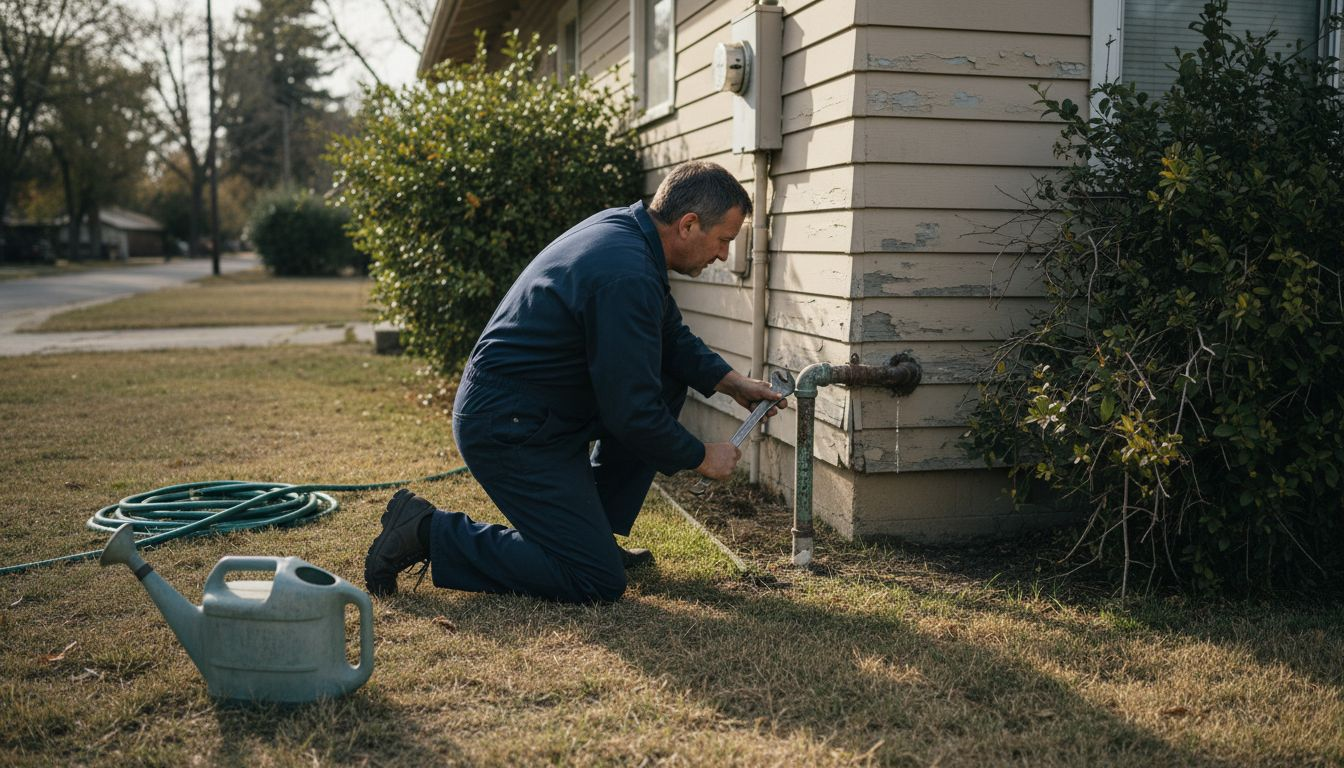
A sudden burst pipe or a silent leak creeping through your walls can leave any Northeast Sacramento homeowner feeling overwhelmed. Water leaks are not always obvious and often go unnoticed until significant damage occurs, especially when hidden underground or behind surfaces. Early detection is crucial since invisible leaks can waste tremendous amounts of water and threaten your property’s safety. This guide gives you practical steps for fast restoration and shows how documenting every detail can streamline your insurance claims.
Table of Contents
- Water Leaks Defined And Common Misconceptions
- Major Sources Of Water Leaks In Homes
- Key Warning Signs And Early Detection
- Impact Of Water Leaks On Property Value And Safety
- Insurance Claims Process For Leak Damage
- Common Prevention And Restoration Mistakes To Avoid
Key Takeaways
| Point | Details |
|---|---|
| Understanding Water Leaks | Water leaks often go unnoticed and can cause significant damage if not identified and addressed promptly. Regular inspections and advanced detection technologies are essential for early detection. |
| Common Sources of Water Leaks | Major leak sources include toilets, faucets, and underground pipes. Homeowners should monitor these areas closely to prevent costly water damage. |
| Impact on Property Value | Untreated water leaks can decrease property value significantly while also increasing safety risks, including mold growth and structural damage. |
| Insurance Claims Process | Prompt and thorough documentation is crucial for successful insurance claims after water damage, ensuring homeowners receive adequate compensation for repairs. |
Water Leaks Defined and Common Misconceptions
Water leaks represent more than just a nuisance for Sacramento homeowners – they’re complex plumbing events that can cause significant damage if left unaddressed. Understanding what constitutes a water leak involves recognizing the various ways moisture can escape from water systems in residential properties.
A water leak occurs when water escapes from its intended pathway, which can happen through multiple mechanisms:
- Tiny fractures in pipe walls
- Loose pipe connections
- Deteriorating seal points
- Structural shifts causing pipe misalignment
- Corrosion and material degradation
Advanced leak detection technologies have transformed our ability to identify hidden moisture problems before they escalate. These systems can pinpoint microscopic breaches that traditional methods might miss, potentially saving homeowners thousands in potential repair costs.
Here’s a quick comparison of traditional and advanced leak detection methods:
| Detection Method | Accuracy Level | Typical Cost | Best Use Cases |
|---|---|---|---|
| Traditional Visual | Moderate, can miss hidden leaks | Low (DIY, minimal tools) | Visible leaks, simple inspections |
| Advanced Electronic | High, identifies microscopic leaks | Higher (professional service) | Early detection, hidden leaks |
| Acoustic Sensors | High for underground leaks | Medium to high | Foundation, slab, outdoor piping |
Most homeowners misunderstand water leaks, assuming they’re always visible or dramatic. In reality, many leaks occur silently within walls, under foundations, or underground. Invisible leaks can waste substantial water volumes without immediate detection. According to water conservation experts, residential leaks can account for approximately 10,000 gallons of water loss annually in an average household.
Common Misconceptions About Water Leaks:
- All leaks are immediately noticeable
- Small leaks aren’t serious
- Leaks only happen in older homes
- DIY repairs are always sufficient
Understanding leak dynamics requires recognizing that water follows the path of least resistance. Even minor pressure differences can cause water to seep through seemingly solid surfaces, creating potential damage zones that aren’t immediately apparent.
Pro tip: Schedule professional leak inspections annually to catch potential issues before they transform into expensive restoration projects.
Major Sources of Water Leaks in Homes
Homeowners in Sacramento face numerous potential sources of water leaks that can cause significant damage if left undetected. Understanding these sources is crucial for preventing costly water-related issues and protecting your property’s structural integrity.
Common Water Leak Sources in Residential Properties:
- Toilet mechanisms
- Faucet connections
- Shower and bathtub seals
- Water supply lines
- Underground pipe networks
- Irrigation systems
Common household water leaks can waste substantial amounts of water without homeowners even realizing it. Running toilets alone can waste up to 15 times more water than a standard shower, creating both environmental and financial challenges.
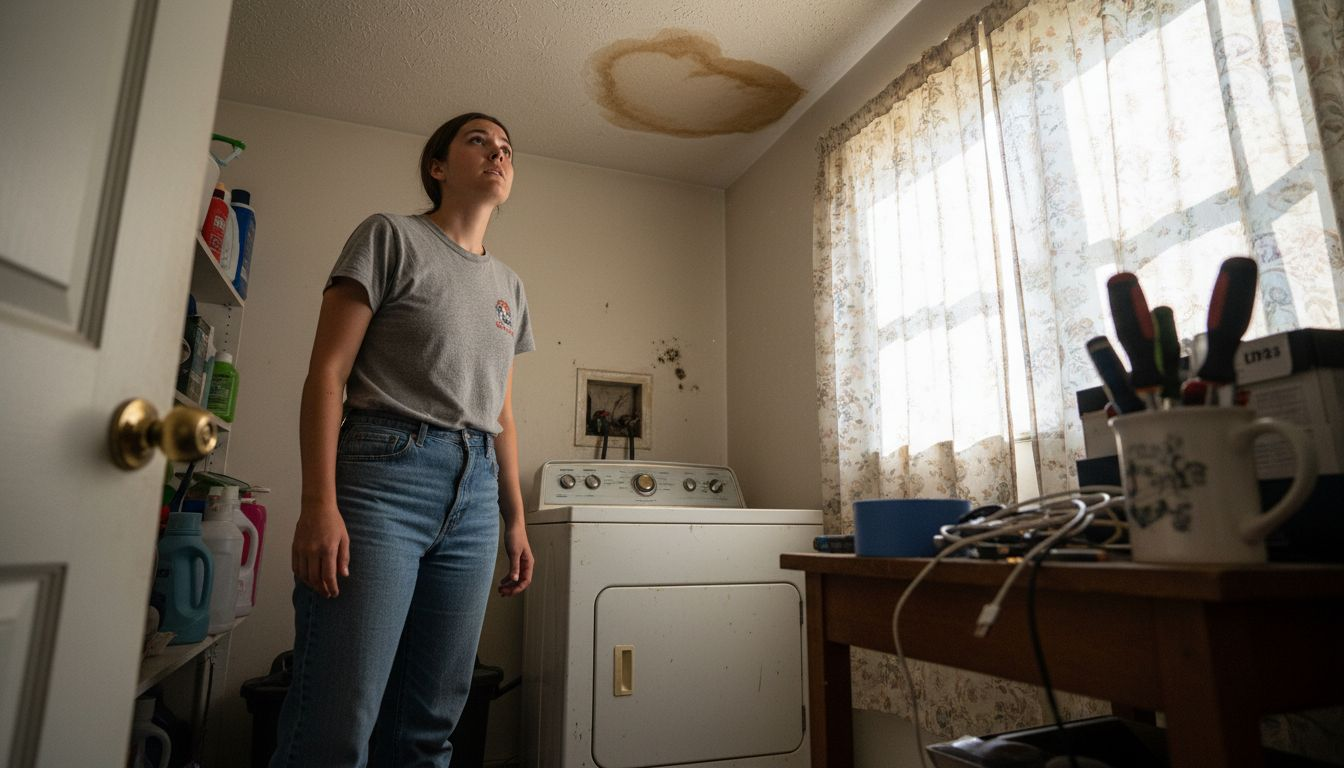
Indoor plumbing systems contain multiple potential leak points that require careful monitoring. Water supply lines are particularly vulnerable, especially in older homes with aging infrastructure. Tree root intrusion, material degradation, and ground shifts can compromise underground pipes, creating hidden leak risks that may go unnoticed for years.
Major Leak Locations in Residential Properties:
- Kitchen sink connections
- Bathroom plumbing fixtures
- Washing machine supply lines
- Water heater connections
- Outdoor irrigation systems
- Foundation and slab pipe networks
Each potential leak source presents unique challenges. Some leaks manifest through visible water damage, while others remain completely hidden, silently causing structural deterioration. Professional inspection becomes critical in identifying these potential problem areas before they escalate into major repair projects.
Underground leaks can waste thousands of gallons of water annually without any visible surface indication.
Pro tip: Conduct quarterly visual inspections of exposed plumbing connections and monitor your water meter for unexpected usage fluctuations that might indicate hidden leaks.
Key Warning Signs and Early Detection
Detecting water leaks early can save Sacramento homeowners thousands of dollars in potential damage and restoration costs. Water leak detection requires a keen eye and understanding of subtle warning signs that often go unnoticed until significant damage occurs.
Early Warning Signs of Potential Water Leaks:
- Unexplained increases in water bills
- Damp or discolored wall and ceiling patches
- Musty odors in specific areas
- Soft or warped flooring
- Sounds of running water when fixtures are off
- Visible mold growth
Advanced leak detection technologies have transformed homeowners’ ability to identify potential water damage before it becomes catastrophic. These innovative systems can pinpoint microscopic breaches that traditional methods might miss, potentially preventing extensive structural damage.
Water meters provide an excellent diagnostic tool for detecting hidden leaks. Leak investigation methods involve carefully monitoring water usage when all household water sources are turned off. If the meter continues to register water flow, it strongly indicates an underground or hidden leak that requires professional investigation.
Critical Leak Detection Techniques:
- Check water meter for unexpected movement
- Conduct visual inspections of exposed pipes
- Listen for unusual water sounds
- Monitor unexplained moisture areas
- Track monthly water bill variations
- Inspect appliance connections regularly
Hidden leaks can waste thousands of gallons of water annually without any visible surface indication.
Pro tip: Photograph and document any potential leak signs immediately, creating a timeline that can help professionals diagnose and address water damage more efficiently.
Impact of Water Leaks on Property Value and Safety
Water leaks represent far more than simple maintenance issues for Sacramento homeowners. They pose significant risks to property value, structural integrity, and household safety that can have long-lasting financial and health consequences.
Potential Property Damage Consequences:
- Structural foundation deterioration
- Compromised wall and ceiling materials
- Decreased home market value
- Potential health hazards from mold growth
- Increased insurance premium risks
- Reduced overall property structural integrity
Water damage claims significantly impact homeowners with average losses exceeding $11,000 per incident. These expenses extend beyond immediate repair costs, potentially reducing a home’s market value and creating complex insurance complications.
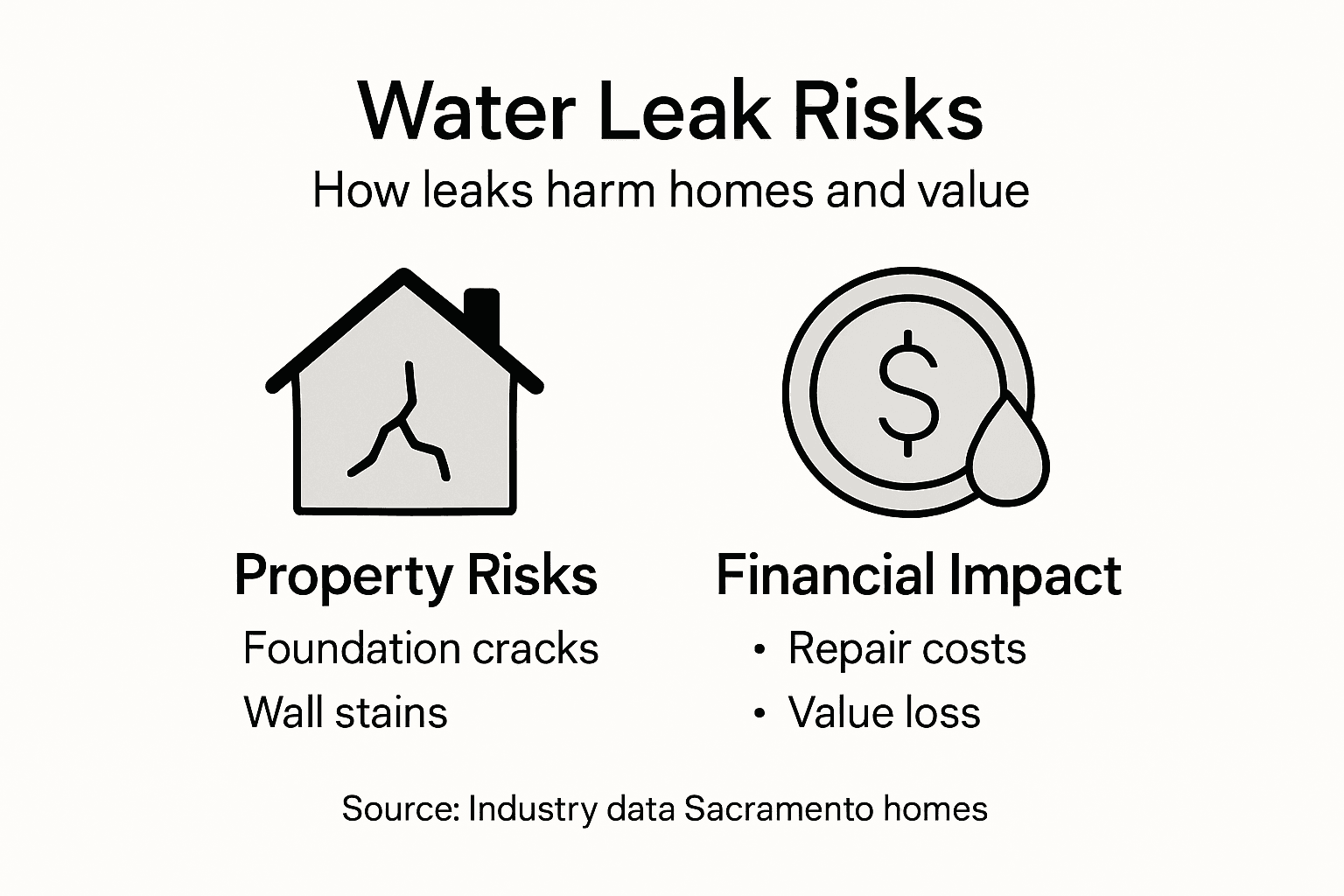
The safety implications of unaddressed water leaks extend well beyond superficial damage. Structural degradation can compromise building foundations, weaken load-bearing walls, and create dangerous living environments. Persistent moisture encourages toxic mold growth, which poses serious respiratory health risks to inhabitants and can lead to expensive remediation processes.
Major Safety and Value Risks from Water Leaks:
- Compromised building structural integrity
- Increased risk of electrical hazards
- Potential foundation shifting
- Respiratory health risks from mold
- Reduced property appraisal value
- Higher long-term maintenance costs
Untreated water leaks can decrease property value by up to 20% and create significant safety challenges for homeowners.
Pro tip: Conduct comprehensive property inspections twice annually and maintain detailed documentation of all water-related maintenance to protect your home’s value and safety.
Insurance Claims Process for Leak Damage
Navigating the insurance claims process for water leak damage can be complex and overwhelming for Sacramento homeowners. Understanding the critical steps and documentation requirements is essential to ensuring a smooth and successful claim resolution.
Key Insurance Claim Documentation:
- Detailed photographic evidence
- Repair estimates from licensed contractors
- Precise incident timeline
- Comprehensive damage inventory
- Maintenance and repair records
- Professional assessment reports
Insurance claims for water damage require prompt and systematic reporting to maximize potential compensation. Homeowners must file claims typically within one year from the damage date, providing comprehensive documentation that substantiates the extent of water-related destruction.
The claims process involves multiple stages, beginning with immediate notification to your insurance provider. Claim investigation procedures typically include an adjuster inspection, where professionals evaluate the damage’s scope and determine coverage eligibility. Mortgage lenders may also be involved in managing claim payments, adding another layer of complexity to the process.
Recommended Claims Process Steps:
- Document damage immediately
- Contact insurance provider
- Schedule professional adjuster inspection
- Obtain detailed repair estimates
- Submit comprehensive claim documentation
- Track claim progression
Accurate and timely documentation can significantly accelerate the insurance claims process and improve potential compensation outcomes.
Pro tip: Maintain a dedicated digital folder with all water damage documentation, including timestamps, photographs, and communication records to streamline your insurance claim.
Common Prevention and Restoration Mistakes to Avoid
Water damage prevention and restoration require strategic planning and careful execution. Sacramento homeowners frequently make critical errors that can escalate water damage and compromise their property’s structural integrity.
Common Prevention Mistakes:
- Ignoring minor pipe leaks
- Neglecting regular plumbing inspections
- Poor drainage management
- Inadequate waterproofing
- Overlooking appliance maintenance
- Delaying repairs
Water damage restoration standards emphasize the importance of identifying and correcting water intrusion sources quickly. Professionals recognize that rushing through repairs or overlooking critical details can lead to long-term structural and health risks.
Most homeowners underestimate the complexity of water damage restoration. Restoration process pitfalls include insufficient moisture detection, improper drying techniques, and failing to address potential mold growth. These mistakes can transform a manageable water incident into a costly, extensive renovation project.
Critical Restoration Mistakes to Avoid:
- Attempting DIY repairs without proper equipment
- Ignoring hidden moisture pockets
- Skipping professional moisture assessment
- Delaying comprehensive documentation
- Failing to address root cause of water intrusion
- Incomplete structural drying
Proper water damage restoration requires precision, professional expertise, and systematic approach to prevent long-term property damage.
Pro tip: Always document water damage thoroughly with time-stamped photographs and maintain a detailed log of all restoration activities to support potential insurance claims.
Protect Your Sacramento Home From Costly Water Leaks Today
Water leaks in your home can hide silently behind walls or underground, causing serious damage to your property’s foundation and interior before you even notice a problem. If left unaddressed, these leaks can lead to warped floors, mold growth, and expensive repairs. Recognizing early warning signs and taking swift action is essential to protecting your Sacramento home from water damage.
At PuroClean, we specialize in rapid water damage restoration and comprehensive leak detection services. Our expert team uses advanced technology to find hidden leaks, perform water extraction, and dry structures thoroughly, preventing further damage and protecting your family’s health. Whether you are dealing with slab leaks, burst pipes, or appliance failures, our 24/7 emergency response ensures you get professional help when it matters most.
Don’t wait until a small leak becomes a major crisis. Visit PuroClean Water Damage Restoration now to schedule a professional inspection or emergency service. Protect your home’s value and safety by acting quickly with trusted experts who understand Sacramento’s unique water challenges. Your home deserves timely, effective care from water damage specialists ready to restore peace of mind.
Frequently Asked Questions
What are the common causes of water leaks in homes?
Common causes of water leaks include faulty toilet mechanisms, loose faucet connections, degrading seals in showers and bathtubs, and underground pipe network issues. Mechanical wear and structural shifts can also contribute to leak formation.
How can I detect hidden water leaks in my home?
To detect hidden water leaks, monitor your water meter when all water sources are off; if it still registers usage, you likely have a concealed leak. Additionally, look for damp patches on ceilings and walls, listen for running water sounds when fixtures are off, and inspect appliances and fixtures regularly.
What are the warning signs of a water leak?
Warning signs of a water leak include unexplained increases in water bills, damp or discolored walls and ceilings, musty odors, soft or warped flooring, and visible mold growth. Addressing these signs quickly can prevent more significant damage.
How can I prevent water leaks from causing damage to my property?
To prevent water leaks, conduct regular inspections of plumbing systems, maintain appliances, ensure proper drainage, and address minor leaks promptly. Implementing annual professional leak inspections can help catch problems early before they escalate.
Recommended
Water Leak Sensors & Smart Water Metering | LeakSense California
7 Common Examples of Water Damage and How to Spot Them – PuroClean of Northeast Sacramento
Expert Water Leak Detection in Sacramento, CA | PuroClean
7 Key Tips to Keep Water Out of Your Basement – PuroClean of Northeast Sacramento
7 Essential Water Damage Prevention Tips for Property Owners – PuroClean of Northeast Sacramento
 PuroClean of Northeast Sacramento