 PuroClean of Northeast Sacramento
 What Is Disaster Remediation? Solutions for Property Recovery
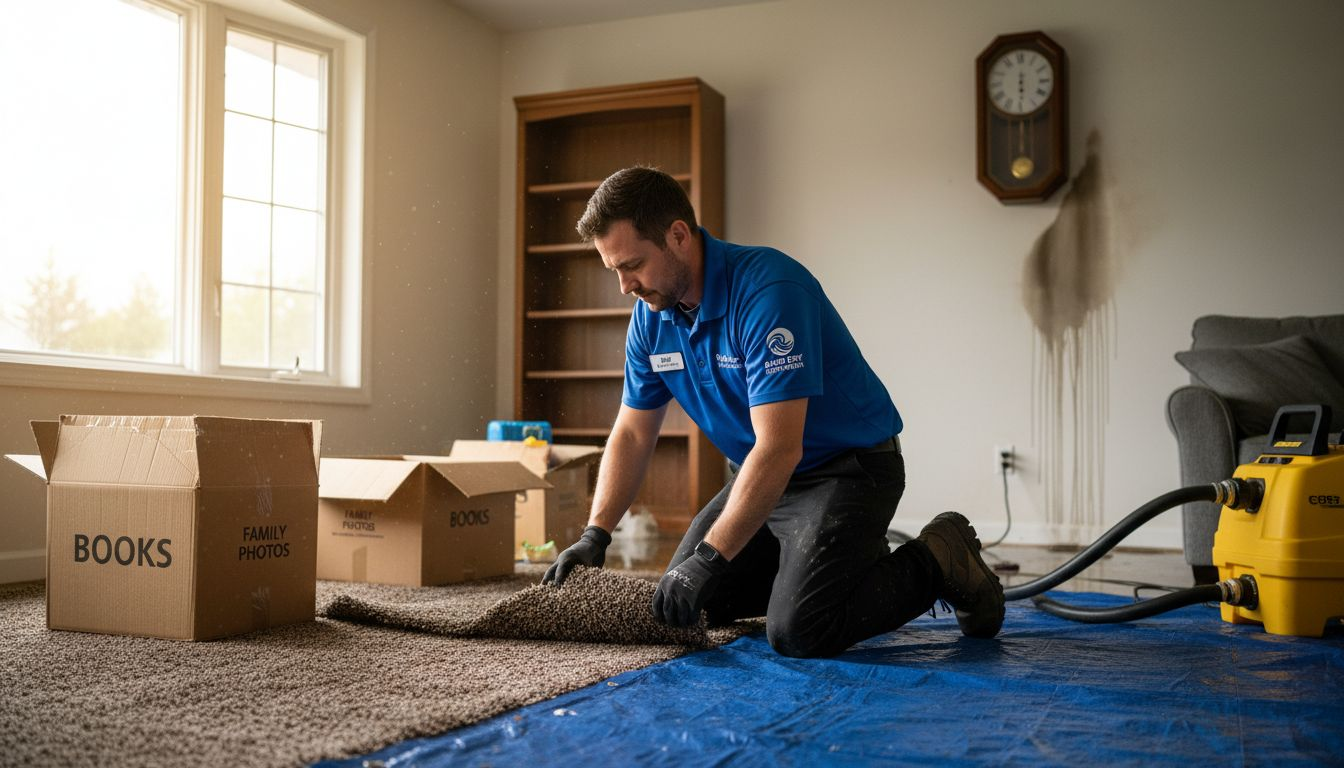
Over one-third of American property owners face some form of disaster damage each year, from floods to fires. When devastation strikes, fast and effective remediation becomes critically important not just for personal well-being but for community health and safety. Understanding the purpose and scope of disaster remediation helps American families and businesses make informed decisions about protecting their property, health, and long-term stability.
Table of Contents
- Defining Disaster Remediation And Its Purpose
- Common Types Of Disaster Scenarios Addressed
- Key Steps In The Remediation Process
- Insurance, Legal, And Safety Responsibilities
- Financial Costs And Common Pitfalls To Avoid
Key Takeaways
| Point | Details |
|---|---|
| Disaster Remediation Importance | Effective disaster remediation is essential for restoring safety and environmental health post-disaster. |
| Types of Disaster Scenarios | Understanding different disaster scenarios, such as water damage and fire damage, helps develop appropriate response strategies. |
| Remediation Process Steps | Key steps include damage assessment, containment, removal, cleaning, and restoration to ensure thorough recovery. |
| Financial Preparedness | Maintaining an emergency fund and understanding insurance coverage can alleviate financial stress during remediation efforts. |
Defining Disaster Remediation and Its Purpose
Disaster remediation represents a comprehensive strategy for restoring property and environmental conditions after significant damage or contamination occurs. At its core, this process involves systematic approaches to removing harmful substances, repairing structural damage, and returning spaces to safe, functional states. Environmental remediation fundamentally focuses on neutralizing risks and protecting human health through targeted restoration techniques.
The purpose of disaster remediation extends far beyond simple cleanup. Removing pollution or contaminants from environmental media requires sophisticated scientific and technical interventions across multiple domains including soil, groundwater, sediment, and surface water. Professionals in this field work meticulously to assess damage, develop strategic recovery plans, and implement precise restoration protocols that meet strict safety standards.
Professional disaster remediation encompasses a broad spectrum of scenarios – from water damage and fire restoration to mold removal and biohazard cleanup. Disaster mitigation strategies emphasize proactive measures designed to prevent future damage while simultaneously addressing immediate recovery needs. This holistic approach considers not just physical restoration, but also potential long term environmental and structural implications.
Pro Tip: Immediate Professional Assessment: Contact certified disaster remediation specialists within 24 hours of discovering property damage to minimize potential secondary complications and accelerate comprehensive recovery processes.
Common Types of Disaster Scenarios Addressed
Disaster scenarios represent a complex spectrum of events that can dramatically impact property and human safety. Disasters are fundamentally categorized into natural and man-made events, each demanding unique remediation strategies and specialized restoration approaches. Understanding these scenarios helps property owners anticipate potential risks and develop proactive protection plans.
Water Damage emerges as one of the most prevalent disaster scenarios, encompassing scenarios from burst pipes and sewage backups to significant flooding events. Common disaster scenarios include comprehensive damage types like water intrusion, fire damage, and structural disruptions that can compromise building integrity and create long-term environmental hazards. These incidents range from minor leaks to catastrophic flood events that require immediate professional intervention.
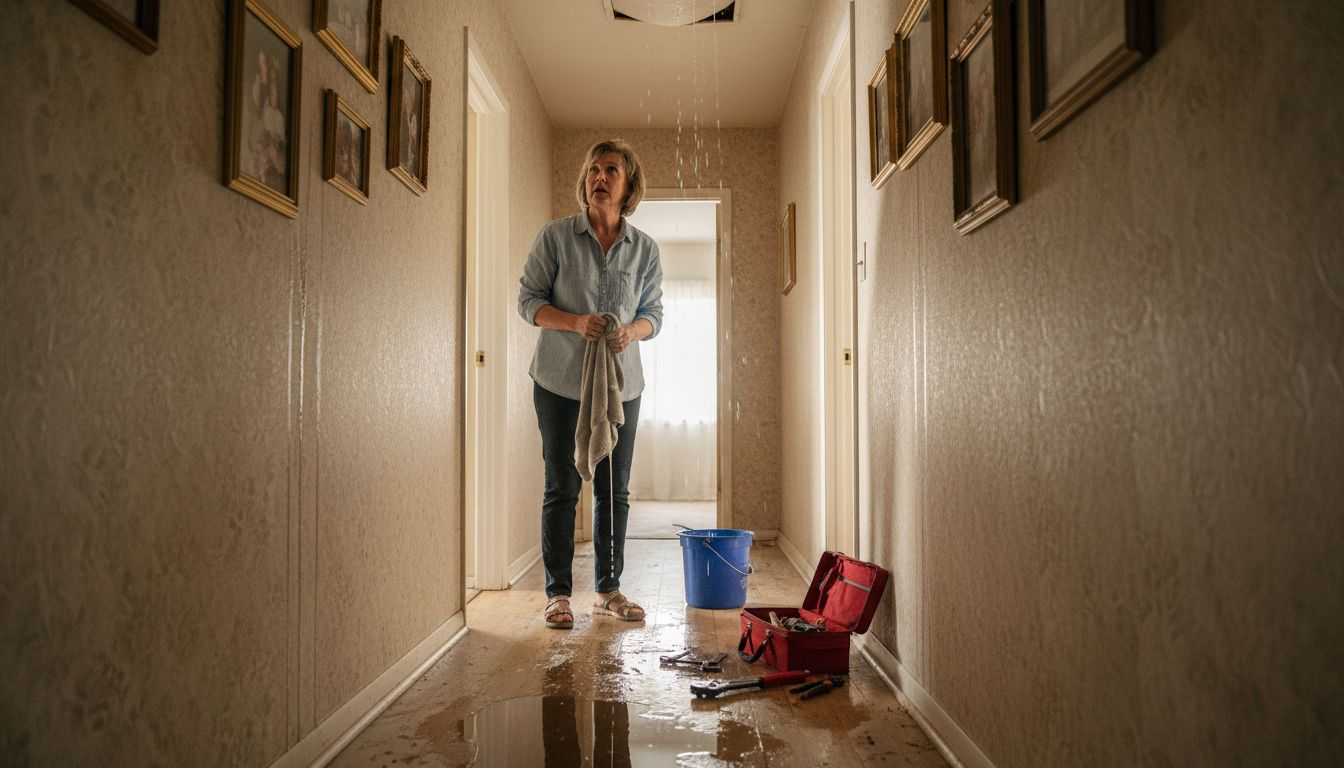
Beyond water-related challenges, disaster scenarios also include complex events like fire damage, mold infestations, storm-related destruction, and hazardous material contaminations. Natural Disasters: What to Know and How to Respond highlights the critical importance of understanding these varied scenarios and their potential impacts. Each disaster type presents unique challenges – from structural weakening and electrical system disruptions to potential health risks from contamination or toxic exposure.
Pro Tip: Emergency Preparedness Strategy: Develop a comprehensive disaster response plan that includes emergency contact numbers, critical document storage, and a clear evacuation protocol to minimize potential property and personal risk during unexpected events.
Here is a comparison of common disaster scenarios and their primary remediation focus:
| Disaster Type | Typical Hazards | Key Remediation Focus |
|---|---|---|
| Water Damage | Mold, structure weakening | Water extraction, drying |
| Fire Damage | Smoke, soot, toxins | Debris removal, decontamination |
| Mold Infestation | Allergens, spores | Mold removal, air filtration |
| Biohazard Contamination | Pathogens, chemicals | Sanitization, hazardous waste removal |
| Storm Destruction | Flooding, wind damage | Structural repair, drainage restoration |
Key Steps in the Remediation Process
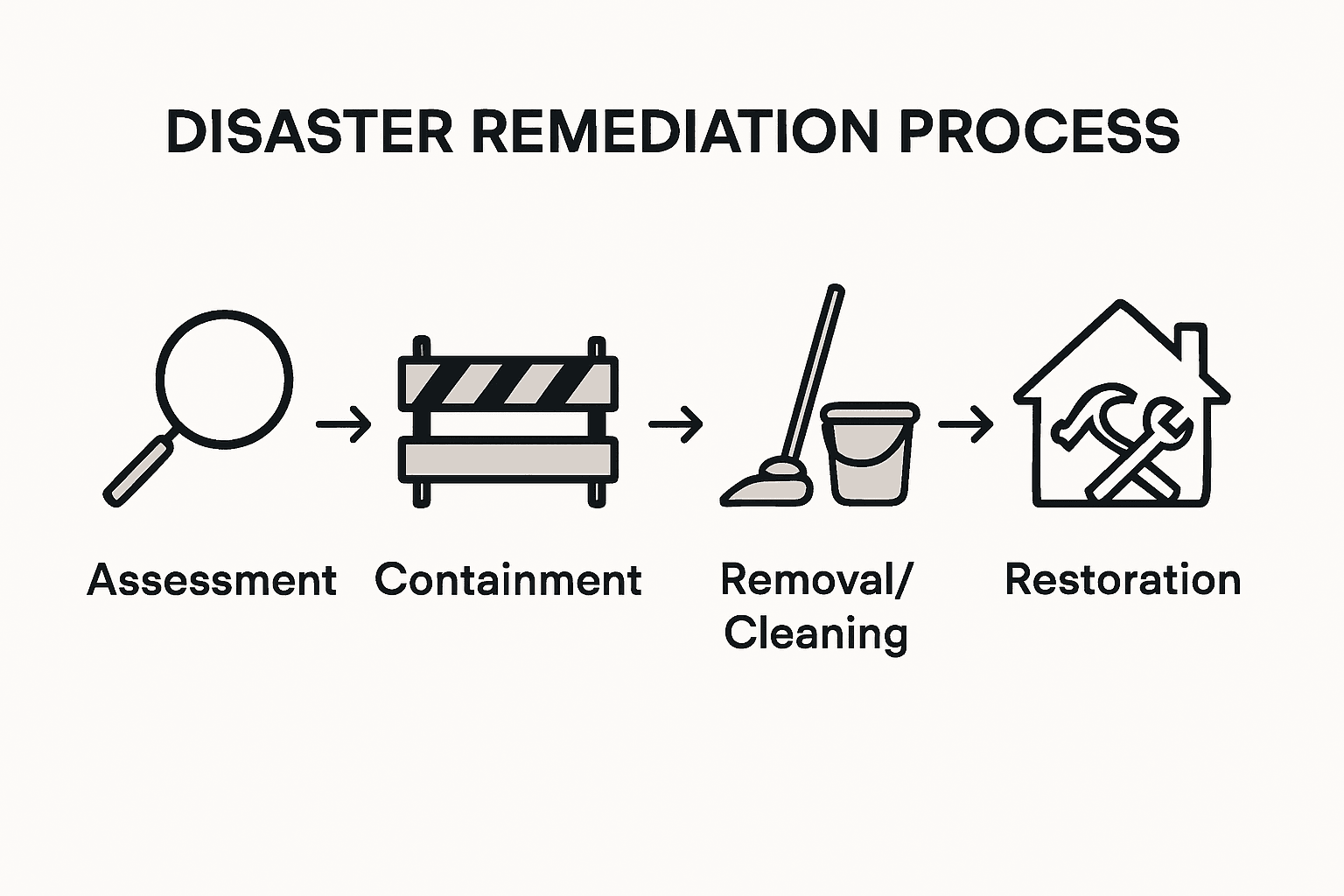
Disaster remediation is a systematic approach that requires careful planning and precise execution. The remediation process involves a comprehensive strategy of assessing risks, planning mitigation strategies, and implementing targeted measures to effectively address property damage and environmental challenges. Understanding these critical steps helps property owners navigate complex restoration scenarios with confidence and strategic insight.
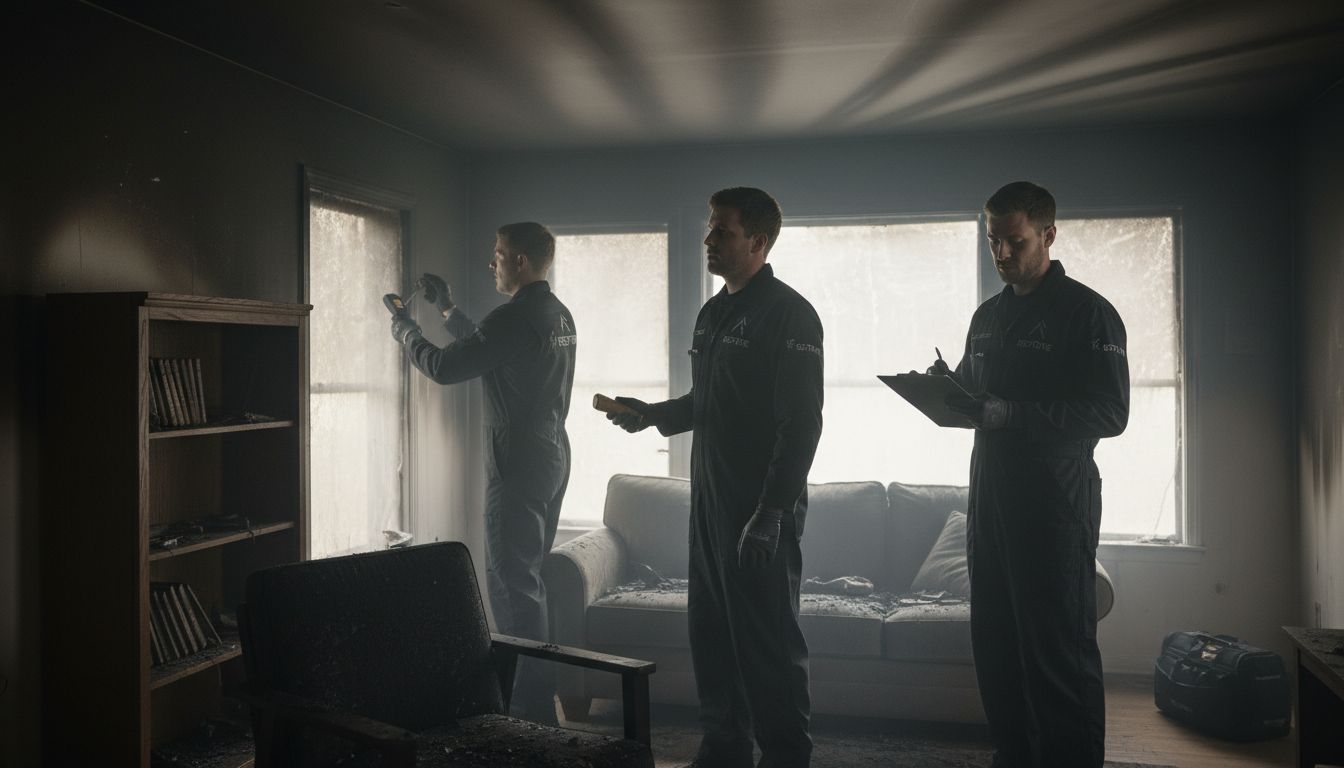
The initial phase of remediation focuses on comprehensive damage assessment and documentation. Professionals conduct thorough inspections to identify the extent of damage, potential hazards, and underlying structural issues. Effective disaster mitigation includes implementing strategic interventions like engineering resilient infrastructure and enforcing precise building codes to minimize future risks and ensure long-term property stability. This critical evaluation stage determines the most appropriate restoration techniques and recovery protocols.
Subsequent remediation steps typically involve containment, removal of damaged materials, cleaning, and restoration. Mold Remediation Process Guide: Effective Cleanup Steps illustrates the importance of systematic approaches in addressing specific damage types. Professionals utilize specialized equipment and techniques to sanitize, decontaminate, and rebuild affected areas, ensuring comprehensive recovery that addresses both visible and potential hidden damages.
Pro Tip: Immediate Documentation Strategy: Photograph and document all damage immediately after discovery, creating a comprehensive visual record for insurance claims and remediation planning before any cleanup begins.
This summary shows the main steps in professional disaster remediation:
| Step | Description | Typical Outcome |
|---|---|---|
| Damage Assessment | Inspect, document extent of damage | Informed recovery plan |
| Containment | Isolate affected areas | Prevent spread of hazards |
| Removal & Cleaning | Discard debris, sanitize surfaces | Clean, hazard-free space |
| Restoration | Repair and rebuild damaged structures | Safe, functional environment |
Insurance, Legal, and Safety Responsibilities
Property damage recovery involves a complex intersection of insurance protocols, legal frameworks, and safety considerations. Business continuity planning requires prioritizing key processes and identifying potential threats to ensure comprehensive protection for property owners facing disaster scenarios. Understanding these intricate responsibilities helps individuals and businesses navigate the challenging landscape of post-disaster recovery.
Legal responsibilities in disaster remediation extend far beyond simple cleanup efforts. Mitigation efforts include strategic legal measures like zoning laws and building codes designed to prevent disasters and reduce community impacts that can potentially cause widespread damage. Property owners must understand their obligations for maintaining safe premises, documenting damage, and working collaboratively with insurance providers to ensure proper compensation and restoration. What You Need to Know About Fire Damage Legal Liability Coverage highlights the critical importance of understanding insurance nuances during recovery processes.
Insurance claims represent a critical component of disaster remediation, requiring meticulous documentation, timely reporting, and strategic communication with insurance representatives. Property owners must carefully review their policy details, understand coverage limitations, and provide comprehensive evidence of damages to support their claims. The process demands careful attention to detail, prompt action, and a thorough understanding of one’s insurance contract to maximize potential recovery and minimize financial losses.
Pro Tip: Documentation Defense Strategy: Maintain a digital and physical file of all property documents, insurance policies, and potential damage photographs in a secure, easily accessible location to streamline insurance claim processes during emergency scenarios.
Financial Costs and Common Pitfalls to Avoid
Disaster remediation presents complex financial challenges that can overwhelm unprepared property owners. Natural hazards can significantly impact remediation costs, creating additional financial burdens and complications in restoration and community recovery efforts that extend far beyond initial damage assessments. Understanding potential financial risks becomes crucial for managing unexpected expenses and navigating the intricate landscape of property restoration.
Investing strategically in mitigation strategies can substantially reduce the overall financial burden associated with disaster recovery by preventing extensive damage and facilitating faster restoration processes. Property owners frequently encounter common pitfalls such as underestimating repair costs, delaying damage documentation, and failing to understand comprehensive insurance coverage. These mistakes can result in significant out-of-pocket expenses and prolonged recovery timelines that compound initial financial stress.
Most property owners encounter unexpected challenges when confronting remediation expenses. Common financial pitfalls include overlooking hidden damage, neglecting professional assessment, and attempting do-it-yourself repairs without understanding complex restoration requirements. Fire Insurance Tips from Property Damage Experts emphasize the importance of comprehensive documentation, professional evaluation, and strategic insurance claim management to minimize financial risks during disaster recovery.
Pro Tip: Budget Buffer Strategy: Maintain a dedicated emergency fund representing 10-15% above your estimated remediation costs to cover unexpected expenses and provide financial flexibility during complex restoration processes.
Trusted Disaster Remediation Solutions for Northeast Sacramento Property Owners
Facing a disaster scenario such as water damage, fire destruction, or mold infestation can feel overwhelming and urgent. The article highlights critical challenges including immediate damage assessment, containment of hazards, and navigating complex insurance claims. At PuroClean of Northeast Sacramento, we understand these pain points and bring professional expertise to every restoration project. Our 24/7 emergency response ensures minimal secondary damage and accelerates your property recovery by leveraging advanced restoration technologies and certified remediation protocols.
Act now to protect your home or business from long-term damage and financial risk. Experience compassionate, comprehensive care designed specifically for disaster recovery scenarios described in the article. Learn more about our specialized services for water, fire, mold, and biohazard cleanup by visiting our disaster remediation solutions page.
Don’t wait for hidden damage to worsen or insurance delays to stall your recovery. Contact PuroClean of Northeast Sacramento today for a thorough, professional evaluation and swift restoration. Get peace of mind with experts who prioritize your safety and property value. Visit us now at PuroClean of Northeast Sacramento and take the first step toward comprehensive disaster recovery.
Frequently Asked Questions
What is disaster remediation?
Disaster remediation is a comprehensive strategy for restoring property and environmental conditions after significant damage or contamination. It involves removing harmful substances, repairing structural damage, and ensuring safety through targeted restoration techniques.
What types of disasters can require remediation?
Common disaster scenarios requiring remediation include water damage from burst pipes or flooding, fire damage, mold infestations, biohazard contamination, and storm destruction. Each type presents unique challenges that need specialized restoration approaches.
What are the key steps involved in the disaster remediation process?
The key steps in the disaster remediation process include damage assessment, containment of affected areas, removal and cleaning of debris, and restoration of damaged structures. Each step is critical for ensuring a safe and functional environment after a disaster.
How can insurance assist with disaster remediation costs?
Insurance can play a vital role in disaster remediation by covering the costs associated with property damage recovery. Property owners should document damage meticulously, understand their policy details, and communicate promptly with insurance representatives to maximize claims and minimize out-of-pocket expenses.
Recommended
Professional Steps To Take When Your Home Suffers Water Damage USA
Property Restoration – Disaster Recovery – PuroClean Emergency Property Recovery
Emergency Property Recovery | Eco Friendly Approaches – PuroClean Emergency Property Recovery

 PuroClean of Northeast Sacramento