 PuroClean of Northeast Tacoma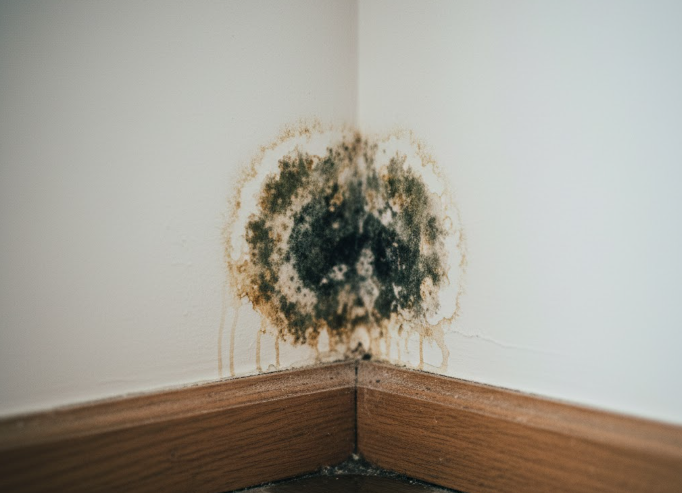
Table of Contents
Mold is a common but dangerous problem that can lurk in hidden areas of your home, such as inside walls. Left untreated, mold can lead to serious health issues, including respiratory problems, allergies, and other chronic conditions.
Additionally, it can cause structural damage to your property. If you suspect that mold might be growing inside your walls, it’s crucial to take immediate action.
In this blog post, we’ll walk you through the process of testing for mold inside walls and provide helpful tips for dealing with the problem.
Why Mold Grows Inside Walls
Mold thrives in dark, damp, and warm environments, and your walls provide the perfect conditions for growth, especially if there’s a water leak or high humidity. Plumbing leaks, floods, or condensation from poorly insulated windows can all lead to moisture buildup inside the walls, creating a breeding ground for mold.
While you can’t always see the mold growth right away, there are several signs that indicate its presence. Knowing how to properly test for mold inside your walls can help you take swift action before the situation worsens.
Signs of Mold Inside Walls
Before you begin testing for mold, it’s important to be on the lookout for telltale signs of mold growth. Here are a few things to look out for:
- Musty Odors: One of the first signs of hidden mold is a musty or earthy odor. If you notice a smell that doesn’t seem to go away, it could be a sign that mold is growing inside your walls.
- Water Stains: Discoloration, water marks, or stains on your walls could indicate that moisture has seeped into the walls, which is a prime condition for mold growth.
- Peeling or Bubbling Paint: When mold grows behind the wall, the moisture it produces can cause paint to peel or bubble.
- Visible Mold: Sometimes, you may notice mold growing on the surface of the walls, but it could be a sign that the problem is deeper inside.
Step-by-Step Guide on How to Test for Mold Inside Walls
If you’ve noticed any of these warning signs, it’s time to start testing for mold. Here’s how to go about it:
1. Visual Inspection
Start by conducting a thorough visual inspection of the walls in your home. Look for areas of discoloration, water stains, or peeling paint. If the problem is in a specific area, such as around windows or near plumbing pipes, focus your attention there.
Check around baseboards, window sills, and any other places where water might be getting trapped inside your walls. If you find any visible mold on the surface of the wall, it’s a good indication that there could be a larger mold problem inside the wall.
2. Smell Test
If you can’t see mold, the next step is to use your nose. A musty odor in your home is often one of the first indicators that mold is present. Stand in different rooms and take note of any areas where the musty smell is stronger. Focus on rooms where plumbing leaks, flooding, or condensation are common problems.
If the smell is particularly strong near certain walls, it’s a good clue that there may be hidden mold growing inside the walls.
3. Use a Moisture Meter
A moisture meter is a tool used to detect the amount of moisture inside building materials. By using a moisture meter, you can measure the moisture content of the walls, which will help you determine if there’s excessive moisture that could promote mold growth.
- Insert the moisture meter’s probe into the wall. If the readings are above normal levels (generally over 20-25%), it’s a sign that the area is too damp and could be conducive to mold growth.
- If the moisture meter shows consistent readings of high moisture in a specific area, that’s an indication you may need to look deeper.
4. Wall Probe Test (Using a Mold Test Kit)
If you suspect mold is hidden inside the wall, consider using a mold test kit to confirm. These kits typically include a sampling device, such as a swab or tape, which you can use to take a sample from the surface of the wall.
Once you’ve collected the sample, send it to a laboratory for analysis. The lab will identify whether mold is present and what type of mold it is. Some kits also offer air quality tests to measure mold spores in the environment.
5. Drill Test (Professional Help Recommended)
If you still can’t detect mold with a moisture meter or a mold test kit, a professional may drill small holes into the wall to test the air inside. This technique can help professionals assess the interior moisture level and determine if mold is growing behind the drywall.
Note: This method should only be done by a licensed mold inspector, as drilling can cause further damage to your walls.
What to Do if You Find Mold
If testing reveals mold inside your walls, it’s essential to act fast. Here’s what you should do:
- Don’t try to remove mold yourself: While DIY mold removal is possible, it’s not always effective and can sometimes worsen the problem. Mold spores are highly contagious, and disturbing the mold without the right equipment can spread it throughout your home.
- Call a professional mold remediation service: Certified mold specialists have the tools, training, and expertise to safely remove mold from your walls and prevent future outbreaks. They’ll also ensure that your home is properly sanitized to protect your health.
Get Professional Help for Mold Remediation
Testing for mold inside walls can be a challenging task, but it’s crucial to detect and address mold issues before they escalate. If you suspect mold is lurking behind your walls, don’t hesitate to contact the experts at Puroclean of Northeast Tacoma.
Our team of certified mold remediation specialists is equipped with advanced tools and techniques to test, locate, and remove mold from your home. Whether you’re dealing with a small patch of mold or a widespread infestation, we have the experience to restore your home to a safe, mold-free environment.
Contact Puroclean of Northeast Tacoma today at (206) 929-0155 for a mold inspection and remediation consultation in Tacoma and surrounding areas.


 PuroClean of Northeast Tacoma