


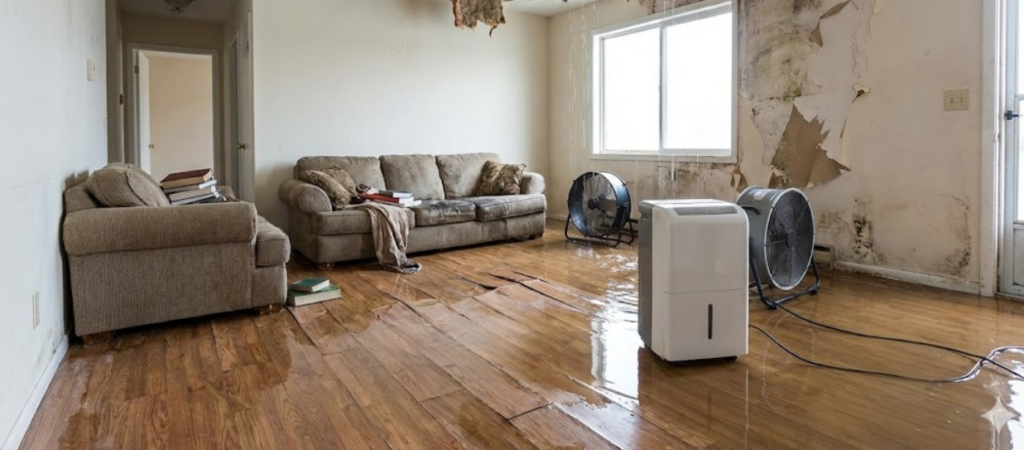
Winter Sewage Backup Prevention Tips Every Homeowner Must Know
Table of Contents
Winter brings freezing temperatures, heavy rain, snowmelt, and saturated ground. While many homeowners prepare for burst pipes and roof leaks, one of the most damaging and overlooked winter disasters is a sewage backup. When sewer lines fail during winter, contaminated water can flow back into your home through toilets, drains, and floor pipes, causing extensive property damage and serious health risks.
Understanding sewage backup prevention in winter is essential for protecting your home, your family, and your finances. Cold weather creates unique stress on sewer systems, and without proactive steps, even well maintained homes can experience sudden failures. This guide explains why sewage backups happen in winter, how to prevent them, and what to do if you notice early warning signs.
Why Sewage Backup Is More Common in Winter
A sewage backup occurs when wastewater cannot flow through the sewer system and reverses direction, entering your property instead. Winter conditions significantly increase this risk.
Frozen Sewer Lines and Blockages
Cold temperatures can freeze moisture inside sewer pipes. As ice forms, it restricts flow and allows waste, grease, and debris to build up behind the frozen section. Eventually pressure forces wastewater back toward the lowest drains in the home.
Heavy Rain and Snowmelt Overload Systems
Winter storms often bring prolonged rainfall followed by rapid snowmelt. Municipal sewer systems can become overwhelmed, especially older combined systems that carry both stormwater and sewage. When capacity is exceeded, sewage backup incidents increase across entire neighborhoods.
Tree Root Intrusion Made Worse by Winter
Tree roots naturally seek moisture and can infiltrate sewer lines through small cracks. During winter, soil shifts due to freezing and thawing cycles can widen these cracks, allowing more roots to invade and block pipes.
Aging Sewer Infrastructure
Many homes in the Pacific Northwest and older communities have sewer lines made of clay or cast iron. These materials deteriorate over time and are more susceptible to winter damage, increasing the likelihood of a sewage backup.
Health and Property Risks of a Sewage Backup
A sewage backup is not just an inconvenience. It is a serious hazard that requires immediate professional attention.
- Raw sewage contains bacteria, viruses, and parasites.
- Contaminated water can soak into flooring, drywall, insulation, and subfloors.
- Mold growth can begin within 24 to 48 hours after exposure.
- Long term structural damage can occur if cleanup is delayed.
According to the Environmental Protection Agency, sewage exposure significantly increases the risk of gastrointestinal illness, respiratory issues, and skin infections. Winter conditions make cleanup more difficult and increase restoration costs if not handled promptly.
Contact PuroClean of Northeast Tacoma on (206) 929-0155 today for professional sewage cleanup, prevention guidance, and emergency restoration services. Call us to protect your home and restore peace of mind before winter conditions cause serious damage.
Early Warning Signs of a Winter Sewage Backup
Recognizing early indicators can help prevent a full scale disaster.
Slow Drains Throughout the Home
If multiple drains are slowing at the same time, this often indicates a main sewer line issue rather than a localized clog.
Gurgling Sounds From Toilets or Drains
Air trapped in blocked pipes can cause bubbling or gurgling noises, especially after flushing or running water.
Sewage Odors Indoors
Persistent sewer smells during winter may signal trapped waste or a developing blockage that needs immediate attention.
Water Backing Up Into Tubs or Floor Drains
This is a critical warning sign that a sewage backup is imminent or already occurring.
Sewage Backup Prevention in Winter Starts Outside
Preventative steps taken before and during winter significantly reduce risk.
Schedule a Professional Sewer Line Inspection
A camera inspection identifies cracks, root intrusion, bellies in the line, and buildup before winter stress worsens existing issues. Annual inspections are especially important for homes older than 20 years.
Keep Gutters and Downspouts Clear
Clogged gutters force water toward the foundation, increasing pressure on underground sewer connections. Ensure downspouts extend several feet away from the home.
Manage Surface Water Drainage
Poor grading allows melting snow and rain to pool near sewer cleanouts and foundation walls. Proper drainage helps reduce sewer overload during winter storms.
Indoor Prevention Measures That Make a Big Difference
Avoid Pouring Grease and Food Waste Down Drains
Cold temperatures cause grease to solidify faster, increasing the chance of blockages. Dispose of fats and oils in sealed containers instead.
Limit Water Usage During Heavy Storms
Washing machines, dishwashers, and long showers add unnecessary strain to sewer systems already under pressure from winter weather.
Install a Backwater Valve
A backwater valve automatically closes if sewage begins flowing backward into your home. This is one of the most effective defenses against a sewage backup and is often recommended for homes with basements.
Insulate Exposed Pipes
Pipes located in crawl spaces, garages, or exterior walls are more likely to freeze. Insulation helps maintain consistent temperatures and prevents ice related blockages.
How Winter Weather Affects Municipal Sewer Systems
Understanding the bigger picture helps explain why prevention matters.
- Frozen ground limits soil absorption of rainwater.
- Snowmelt releases large volumes of water quickly.
- Older sewer systems were not designed for modern water usage.
- Emergency overflows may occur to protect treatment plants.
The American Society of Civil Engineers consistently grades United States wastewater infrastructure as below average, citing aging systems and increased weather extremes as major concerns. This makes individual property protection even more important.
What To Do If You Experience a Sewage Backup
Despite best efforts, emergencies can still happen. Acting quickly reduces damage and health risks.
Stop Using Water Immediately
Avoid flushing toilets or running sinks, as this can worsen the backup.
Keep People and Pets Away
Sewage water is hazardous. Restrict access to affected areas.
Do Not Attempt DIY Cleanup
Household disinfectants are not sufficient for sewage contamination. Improper cleanup can spread bacteria and lead to long term issues.
Call a Professional Restoration Company
Certified professionals have the equipment and training to safely remove contaminated materials, disinfect affected areas, and restore your home to pre loss condition.
Why Professional Sewage Cleanup Is Essential in Winter
Winter conditions complicate sewage restoration.
- Cold temperatures slow drying.
- Frozen materials can hide moisture.
- HVAC systems may spread contaminants if not handled correctly.
Professional sewage cleanup includes water extraction, removal of contaminated materials, industrial drying, antimicrobial treatment, and deodorization. This process protects both your property and your health.
Long Term Solutions for Sewage Backup Prevention
Replace or Rehabilitate Aging Sewer Lines
Trenchless pipe lining and pipe bursting technologies allow repairs with minimal disruption. These solutions extend pipe life and improve flow.
Upgrade Plumbing Systems
Modern materials like PVC are more resistant to cracking and root intrusion than older pipes.
Maintain Regular Plumbing Maintenance
Annual drain cleaning and inspections keep lines clear and catch problems early.
Why Winter Sewage Backup Prevention Protects Property Value
Homes with a history of sewage backup incidents may face reduced property value and insurance challenges. Preventative measures demonstrate responsible ownership and reduce future risk.
Insurance claims related to sewage backup often come with coverage limits or exclusions. Investing in prevention can save thousands in out of pocket expenses.
Trusted Local Help Matters
Local restoration professionals understand regional weather patterns, soil conditions, and sewer infrastructure. This expertise is critical when responding to winter sewage emergencies quickly and effectively.
Final Thoughts on Sewage Backup Prevention in Winter
Winter creates the perfect conditions for sewer system failures, but proactive planning makes a measurable difference. From inspections and drainage management to backwater valves and professional cleanup, every step reduces the likelihood of a sewage backup and limits damage if one occurs.
Sewage backup prevention is not a one time task. It is an ongoing commitment to protecting your home against seasonal risks that are becoming more common due to aging infrastructure and extreme weather patterns.
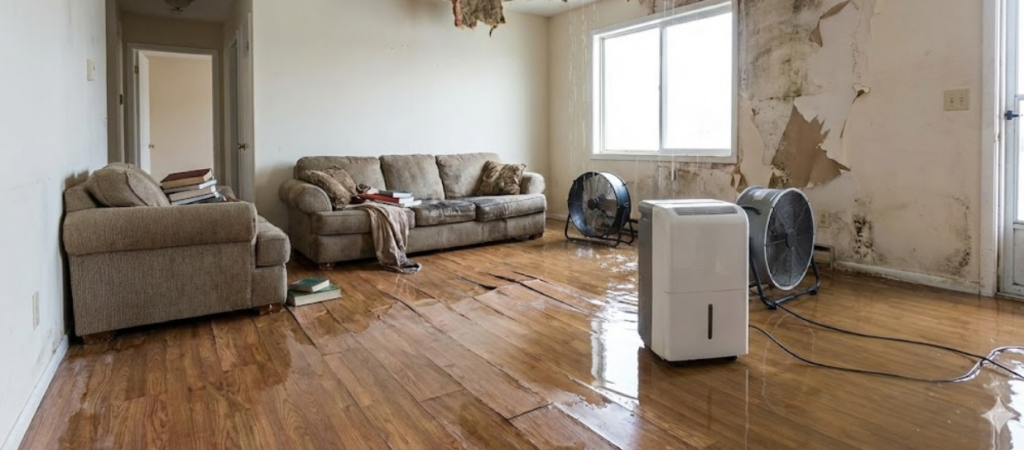
If you are concerned about sewage backup risks this winter or are dealing with an active sewage emergency, do not wait. The longer contaminated water sits, the greater the damage and health risks become.
Contact PuroClean of Northeast Tacoma on (206) 929-0155 today for professional sewage cleanup, prevention guidance, and emergency restoration services. Call us to protect your home and restore peace of mind before winter conditions cause serious damage.