


Dangerous Mildew on Wall Problems and the Proven Way to Remove Them Safely
Table of Contents
Seeing mildew on wall surfaces can be unsettling. It often appears as small gray, white, or black spots and usually brings a musty odor that signals moisture problems inside your home. While mildew may seem like a minor cosmetic issue at first, it can quickly become a health concern and a warning sign of deeper moisture damage if ignored.
Understanding how to remove mildew on wall surfaces correctly is essential for protecting your indoor air quality, preventing mold growth, and maintaining the condition of your property. This comprehensive guide explains what causes mildew on wall areas, how to remove it safely, when DIY methods are appropriate, and when professional help is necessary.
What Is Mildew on Wall Surfaces?
Mildew is a type of fungus closely related to mold. It typically grows on damp surfaces and feeds on organic materials such as paint, drywall paper, wallpaper adhesive, and dust. Mildew on wall areas is most commonly found in bathrooms, kitchens, laundry rooms, basements, and poorly ventilated bedrooms.
Mildew vs Mold on Walls
Although mildew and mold are often used interchangeably, they are not the same.
- Mildew usually appears flat and powdery and is lighter in color
- Mold tends to be darker, thicker, and can penetrate deeper into materials
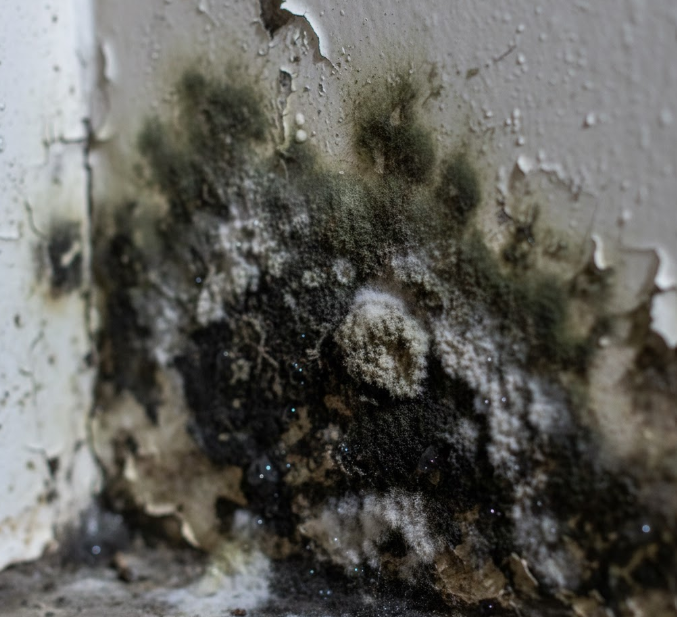
Mildew on wall surfaces is often an early warning sign. If moisture problems continue, mildew can transition into more aggressive mold growth that requires professional remediation.
According to the Environmental Protection Agency, mold and mildew growth indoors is directly linked to moisture problems, not cleanliness. This means removal alone is not enough without addressing the moisture source.
Common Causes of Mildew on Wall Areas
Understanding why mildew on wall surfaces forms is key to preventing it from returning after cleaning.
Excess Indoor Humidity
High humidity levels create ideal conditions for mildew growth. Homes should maintain indoor humidity between 30 and 50 percent. Bathrooms without exhaust fans, homes with poor ventilation, and properties in damp climates are especially vulnerable.
Water Leaks Behind Walls
Slow plumbing leaks, roof leaks, or condensation inside wall cavities can lead to mildew on wall surfaces. Often, the visible mildew is only a symptom of a hidden moisture problem.
Poor Air Circulation
Furniture placed tightly against walls, closed interior doors, and blocked vents can restrict airflow. Without air movement, moisture lingers and mildew develops.
Inadequate Insulation
Cold wall surfaces can cause condensation when warm indoor air contacts them. This is common on exterior walls during cooler months and often results in mildew on wall sections near windows or corners.
Call Puroclean on (206) 929-0155 now to schedule a mildew inspection and removal service in Tacoma WA.
Is Mildew on Wall Dangerous?
Mildew on wall surfaces should never be ignored. While mildew is generally less aggressive than mold, it can still affect health and property.
Health Risks Associated With Mildew
The Centers for Disease Control and Prevention reports that exposure to fungal spores can cause symptoms such as:
- Nasal congestion
- Throat irritation
- Coughing or wheezing
- Skin and eye irritation
People with asthma, allergies, or compromised immune systems may experience more severe reactions.
Structural and Material Damage
Mildew on wall areas can stain paint, weaken drywall surfaces, and degrade wallpaper adhesives. Over time, untreated mildew can lead to peeling paint, soft drywall, and costly repairs.
How to Remove Mildew on Wall Safely
Proper removal of mildew on wall surfaces depends on the severity of growth and the type of wall material involved.
Step One Identify the Moisture Source
Before removing mildew on wall surfaces, identify and correct the moisture problem. Without moisture control, mildew will return quickly.
Common moisture sources include:
- Bathroom steam without ventilation
- Leaking plumbing
- Condensation on exterior walls
- Basement humidity
Step Two Gather Safety Equipment
Even small areas of mildew on wall surfaces require basic protection.
Recommended safety gear includes:
- Gloves
- Eye protection
- An N95 or similar respirator mask
Proper ventilation during cleaning is also essential.
DIY Methods for Removing Mildew on Wall Surfaces
For small, surface level mildew on wall areas, DIY cleaning may be effective.
Vinegar Solution for Mildew on Wall
White distilled vinegar is mildly acidic and effective against mildew.
How to use:
- Spray undiluted vinegar directly onto the mildew on wall surface
- Allow it to sit for at least one hour
- Scrub gently with a soft brush or sponge
- Wipe clean with warm water and dry thoroughly
Baking Soda Paste
Baking soda helps remove mildew while deodorizing the area.
How to use:
- Mix baking soda with water to form a paste
- Apply to the mildew on wall area
- Scrub gently and rinse
- Dry completely
Hydrogen Peroxide for Painted Walls
Hydrogen peroxide is effective on mildew and safer for indoor air than bleach.
How to use:
- Use a 3 percent solution
- Spray onto mildew on wall surfaces
- Let it sit for 10 minutes
- Scrub lightly and wipe clean
Why Bleach Is Not Always the Best Choice
Many homeowners reach for bleach to remove mildew on wall surfaces, but this approach has limitations.
Bleach may remove surface discoloration, but it often fails to penetrate porous materials like drywall. The moisture in bleach can actually feed deeper fungal growth beneath the surface, allowing mildew to return.
Professional remediation guidelines recommend antimicrobial treatments specifically designed for porous building materials when mildew on wall problems persist.
When Mildew on Wall Requires Professional Help
DIY methods are only appropriate for small, isolated areas. Professional assistance is recommended when:
- Mildew on wall covers more than 10 square feet
- There is a persistent musty odor
- Walls feel soft, warped, or damp
- Mildew returns repeatedly after cleaning
- Health symptoms worsen indoors
According to EPA guidance, widespread or recurring fungal growth should be evaluated by trained professionals to prevent further contamination.
Professional Mildew and Mold Remediation Process
Professional services go far beyond surface cleaning to ensure mildew on wall issues are fully resolved.
Inspection and Moisture Mapping
Professionals use moisture meters and thermal imaging to locate hidden moisture sources inside walls.
Containment and Air Filtration
Affected areas are isolated to prevent spores from spreading during removal. HEPA air scrubbers improve indoor air quality throughout the process.
Material Removal and Treatment
If drywall or insulation is contaminated, it may be removed and replaced. Antimicrobial treatments are applied to prevent recurrence.
Moisture Control Recommendations
After remediation, professionals recommend ventilation improvements, dehumidification, or repairs to eliminate the root cause of mildew on wall growth.
Preventing Mildew on Wall in the Future
Prevention is the most effective strategy once mildew on wall surfaces has been removed.
Control Indoor Humidity
Use dehumidifiers in damp areas and ensure bathrooms and kitchens have working exhaust fans.
Improve Ventilation
Open interior doors, move furniture slightly away from walls, and allow airflow behind large items.
Address Leaks Immediately
Even small leaks can lead to mildew on wall surfaces over time. Prompt repairs reduce long term damage.
Insulate Cold Wall Surfaces
Proper insulation reduces condensation and lowers the risk of mildew forming on exterior walls.
Why Professional Help Matters for Persistent Mildew
Mildew on wall surfaces is often a symptom of deeper moisture or structural issues. Professional remediation ensures the problem is addressed safely and completely, protecting both your health and your property.
PuroClean of Northeast Tacoma specializes in moisture related damage, mildew cleanup, and mold remediation. Their trained technicians understand how mildew on wall issues develop and how to stop them at the source.
Eliminate Mildew on Wall the Right Way
Mildew on wall surfaces should never be treated as a minor inconvenience. It signals moisture problems that can affect indoor air quality, damage building materials, and lead to more serious mold growth if ignored.
Knowing how to remove mildew on wall areas safely and when to call professionals makes all the difference. By addressing moisture sources, using proper cleaning methods, and seeking expert help when needed, you can restore a clean, healthy indoor environment and prevent future issues.
If mildew on wall surfaces keeps returning or you suspect hidden moisture or mold, do not take chances with your health or property. Contact PuroClean of Northeast Tacoma today for professional mildew and mold remediation services. Our experienced team can identify the source, remove contamination safely, and help prevent future growth. Call Puroclean on (206) 929-0155 now to schedule a mildew inspection and removal service in Tacoma WA.