 PuroClean of Northeast Tacoma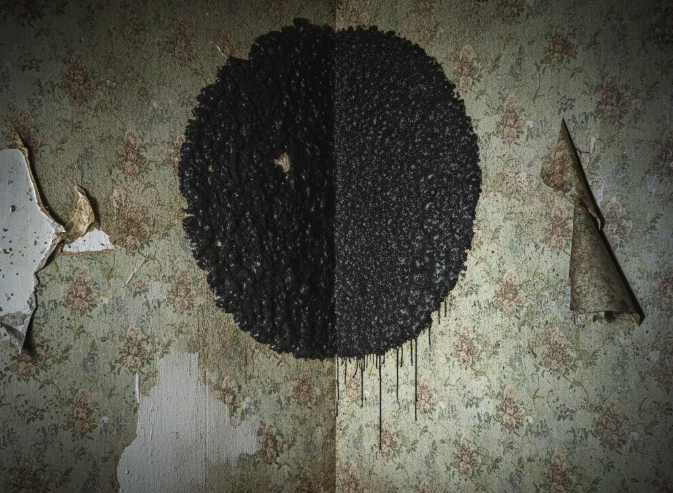
Black Mold Exposure Signs & Removal Tips
Table of Contents
Black mold is one of the most harmful types of mold that can infest a home or building. It grows in damp, humid environments and can pose serious health risks to those exposed to it. Whether you’ve noticed a musty smell, visible patches of mold, or are experiencing unexplained health symptoms, understanding the signs of black mold exposure is crucial in protecting your health and property.
This guide will provide expert advice on how to spot black mold, the dangers it poses, and effective removal methods to ensure your home is safe again.
What Is Black Mold?
Black mold, scientifically known as Stachybotrys chartarum, is a type of toxic mold that typically thrives in areas with excessive moisture. It is commonly found in basements, attics, bathrooms, and kitchens particularly in areas where leaks, flooding, or high humidity levels are present. Black mold is characterized by its dark greenish-black color and a slimy texture, which often grows on materials like wood, drywall, and insulation.
While mold growth is common in many homes, black mold is especially dangerous due to the toxins it produces. These toxins, known as mycotoxins, can cause a variety of serious health problems, particularly in people with weakened immune systems, asthma, or other respiratory issues.
Signs of Black Mold Exposure
Recognizing black mold and understanding the symptoms of exposure are critical in taking prompt action. The following signs can indicate that black mold may be present:
1. Visible Mold Growth
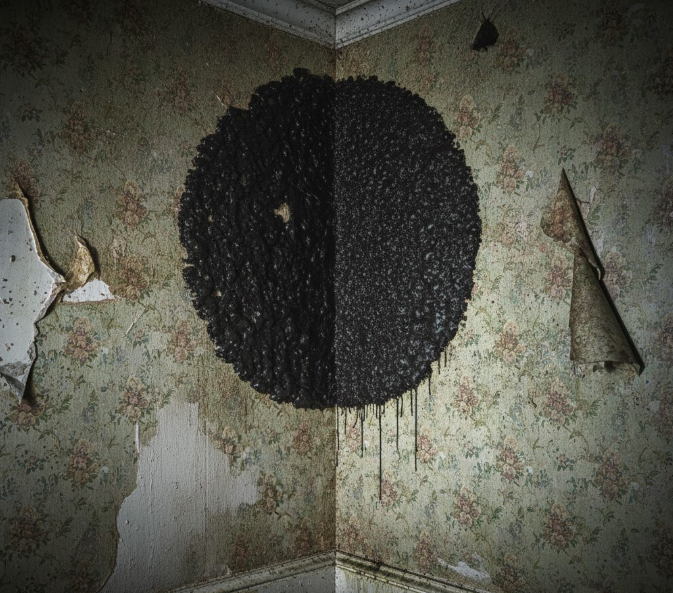
One of the most obvious signs of black mold is the appearance of dark, discolored patches on walls, ceilings, or floors. These patches often appear as black or greenish-black clusters and can grow in both visible and hidden areas. Black mold thrives in areas with poor ventilation or moisture, such as behind wallpaper, under sinks, or inside air ducts.
2. Musty Odor
A strong, musty odor is a common indicator of mold growth, particularly black mold. This smell is usually noticeable in areas that are damp or have experienced water damage. If you notice a persistent musty smell, it’s essential to investigate further for signs of mold.
3. Health Symptoms
Exposure to black mold can cause a variety of health issues, ranging from mild to severe. If you experience any of the following symptoms, it could be a sign of black mold exposure:
- Respiratory Issues: Coughing, sneezing, wheezing, shortness of breath, or nasal congestion are common symptoms caused by mold spores affecting the respiratory system.
- Allergic Reactions: Skin rashes, itchy eyes, runny nose, and other allergy-like symptoms can occur when mold spores are inhaled.
- Headaches and Fatigue: Mold exposure can cause persistent headaches, dizziness, and general fatigue, making it difficult to focus or stay energized.
- Sinus and Throat Problems: Inflammation in the sinuses, sore throat, and difficulty swallowing can also be triggered by mold exposure.
- Asthma Exacerbation: For individuals with asthma, mold exposure can worsen symptoms and even lead to asthma attacks.
4. Water Damage or Leaks
If your home has experienced recent flooding, leaks, or water damage, it’s important to inspect the area for black mold. Mold spores spread rapidly in wet conditions, and black mold can begin to form within 24 to 48 hours of water exposure.
5. Condensation and Humidity Issues
Excessive moisture in the air or condensation on windows and pipes can provide an ideal breeding ground for mold. If you notice constant condensation on windows, walls, or pipes, it may be an indication that black mold could be present.
If you’ve noticed signs of black mold in your home, don’t wait until it spreads. Contact PuroClean of Northeast Tacoma today at (206) 929-0155 for expert mold remediation services.
Dangers of Black Mold Exposure
Black mold exposure can be hazardous to your health. The mycotoxins produced by black mold can cause severe health issues, especially for vulnerable individuals. The risks include:
1. Respiratory Distress and Asthma
For individuals with asthma or other respiratory conditions, black mold exposure can trigger serious symptoms, such as wheezing, coughing, and shortness of breath. Prolonged exposure can make breathing even more difficult and may result in permanent damage to the lungs.
2. Neurological Symptoms
Some studies suggest that prolonged exposure to black mold can cause neurological issues, such as memory problems, mood swings, and difficulty concentrating. These symptoms are often linked to the toxic compounds released by the mold.
3. Weakened Immune System
If you have a weakened immune system due to conditions like cancer treatment, HIV, or other immunosuppressive conditions, black mold can further compromise your ability to fight infections. This can lead to more severe health complications.
4. Skin Rashes and Infections
Direct contact with black mold can cause skin irritation and rashes. In some cases, mold spores can enter the body through cuts or other open wounds, leading to infections.
5. Long-Term Health Effects
Prolonged exposure to black mold can result in chronic respiratory and neurological issues that can last for years. In extreme cases, black mold exposure has been linked to organ damage and death.
How to Safely Remove Black Mold
If you’ve detected black mold in your home, it’s essential to take immediate action. However, mold removal is not always a simple DIY project. Depending on the extent of the infestation, you may need to contact a professional mold remediation service. Here’s a step-by-step guide on how to handle black mold removal:
1. Protect Yourself
Before attempting any mold removal, ensure you are properly protected. Wear protective clothing, gloves, a mask, and goggles to avoid direct contact with the mold spores.
2. Isolate the Area
To prevent mold spores from spreading to other parts of the house, isolate the affected area. Close all doors and windows and cover vents with plastic sheets. Turn off the HVAC system to prevent air circulation.
3. Remove and Replace Affected Materials
In some cases, materials like drywall, insulation, or carpets may need to be removed if they are too damaged by the mold. It’s crucial to discard these items in sealed plastic bags to avoid further contamination.
4. Clean Surfaces
For non-porous materials, use a mold-killing solution like bleach or a commercial mold cleaner to scrub away the mold. If bleach is used, mix one cup of bleach with one gallon of water. Use a scrubbing brush to remove the mold and allow the area to dry completely.
5. Dry the Area Thoroughly
After cleaning, ensure the area is thoroughly dried. Use fans or dehumidifiers to reduce moisture levels. Remember that mold thrives in damp environments, so it’s essential to eliminate any remaining moisture.
6. Use Professional Help
If the mold infestation is extensive or you are concerned about the potential health risks, it’s best to hire a professional mold remediation company. They will have the tools, expertise, and safety equipment to handle mold removal effectively and safely.
If you’ve noticed signs of black mold in your home, don’t wait until it spreads. Contact PuroClean of Northeast Tacoma today at (206) 929-0155 for expert mold remediation services.
Preventing Future Mold Growth
Once the mold is removed, taking preventative measures can help stop it from returning:
- Fix Leaks: Repair any leaks in pipes, roofs, or windows immediately to prevent excess moisture.
- Improve Ventilation: Use exhaust fans in bathrooms and kitchens, and ensure good airflow throughout your home.
- Control Humidity: Use dehumidifiers in damp areas, such as basements, to keep humidity levels in check.
- Regular Inspections: Regularly check areas prone to mold growth, such as basements, attics, and bathrooms, for signs of moisture or mold.
Black mold can pose serious health risks to both you and your family. Recognizing the signs of black mold exposure and acting quickly is crucial in preventing long-term health issues and property damage. Whether you choose to tackle the mold removal yourself or hire a professional, taking swift action is key to eliminating this dangerous problem from your home.



 PuroClean of Northeast Tacoma