


When the humidity in your home in Tuscaloosa, Alabama becomes overwhelming, what do you do? If there’s a roof leak or a faulty appliance, the best first step is always to fix the source of the moisture. But when that isn’t immediately possible—or when lingering humidity remains—mold can begin to grow and quickly take over, turning your home into a frustrating, unhealthy environment.
In situations like this, many homeowners ask: does a dehumidifier kill mold?
In this article, you will learn:
- What a humidifier is
- If a humidifier kills mold
- The benefits of using a humidifier
- How to choose a humidifier
Let’s get started!
What Is a Dehumidifier?
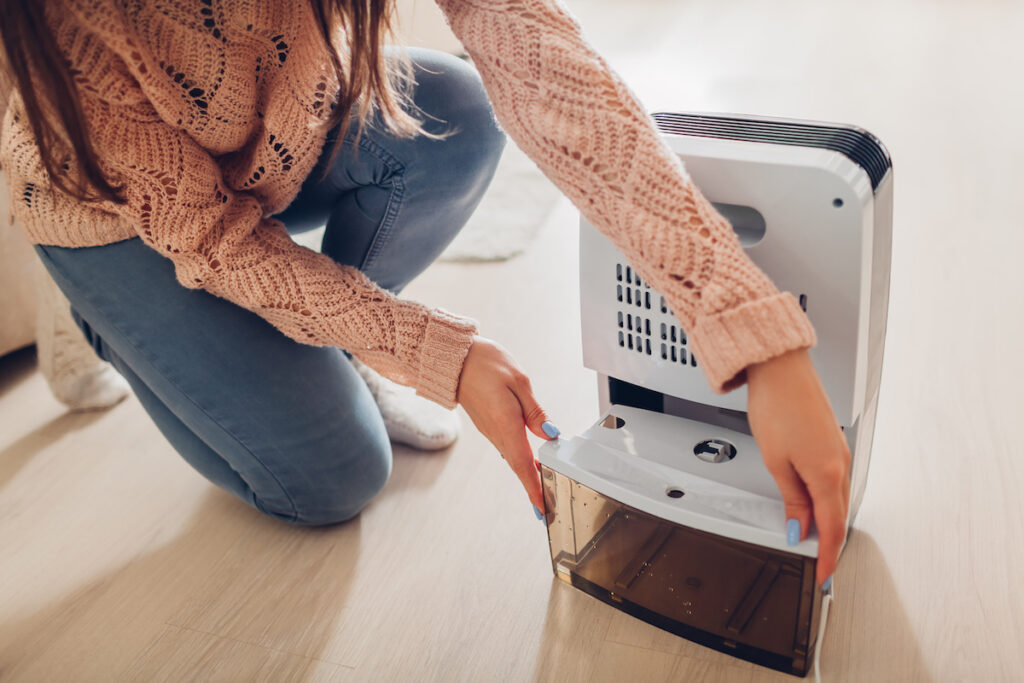
Dehumidifiers are portable devices that pull moisture from the air, decreasing the humidity in a room. Humidity refers to the amount of moisture or water vapor present in the air. Dehumidifiers work by drawing in moist air, cooling it to condense the water vapor, and then collecting and removing the condensed water. The dehumidified air is then released back into the room with lower humidity levels.
Ideally, you’d want your home to have a relative humidity between 30 and 60%. This improves comfort and decreases health risks. To monitor the humidity in your home, use a hygrometer, which can be found at most home improvement stores.
Does a Dehumidifier Kill Mold?
Removing all mold spores from your Tuscaloosa home is nearly impossible. Mold stays “dormant” in the air or on surfaces even when there’s no excess moisture to help it grow. If the humidity in a room increases, mold will start growing in patches on walls, clothes, and more. So, to answer your question, dehumidifiers do NOT kill mold, but they do prevent it by reducing humidity.
If you have a mold problem in your Tuscaloosa home, don’t wait. Mold spreads as long as it has a water source. Remove the mold and stop the moisture source (leak, condensation, high humidity, etc.) to prevent more damage and costly repairs. Call a professional restoration company to efficiently deal with the mold and the moisture problem.
What Are the Benefits of Using a Dehumidifier?
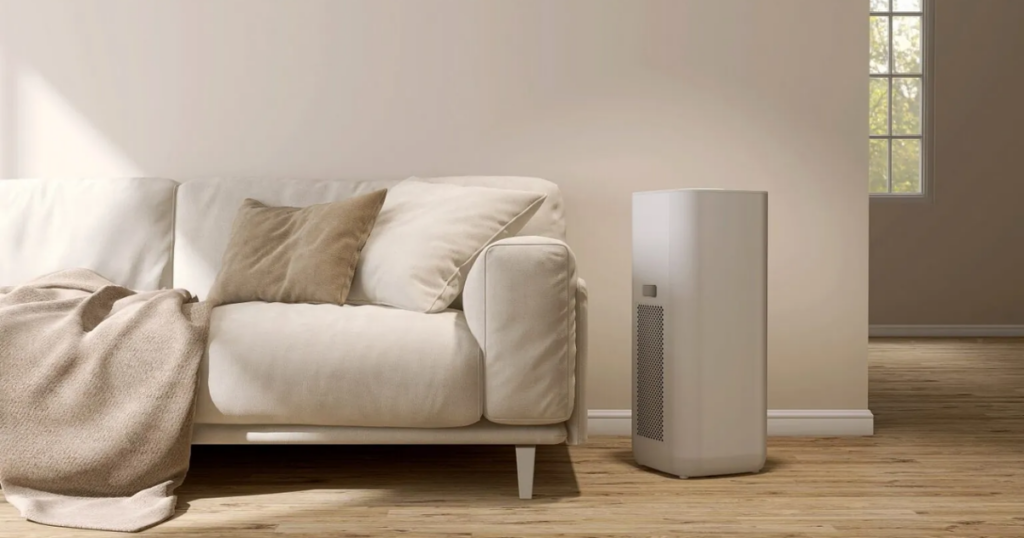
- Preventing Mold and Mildew: Excess moisture in the air can lead to the growth of mold and mildew, which can be harmful to both your health and the structural integrity of a building. Dehumidifiers can help reduce the risk of mold and mildew formation by maintaining optimal humidity levels. The musty odors linked to high humidity will also be reduced.
- Allergy and Asthma Control: Dust, mold, pet dander, and other allergens can overtake your home if indoor humidity is too high. Dehumidifiers help reduce these indoor pollutants that can cause allergy triggers such as stuffy nose, itch eyes, sneezing or skin rashes.
- Comfort: High humidity levels can make a room feel muggy and uncomfortable. Dehumidifiers can make the indoor environment more pleasant by reducing moisture in the air.
- Preservation of Belongings: Excessive moisture can damage or deteriorate items such as clothing, electronics, and documents. Using a dehumidifier can help protect your valuable possessions. Dehumidifiers also protect wooden items from moisture. Too much moisture in your home can damage your furniture and hardwood.
- Basement and Crawl Space Maintenance: These areas are particularly susceptible to high humidity, which can lead to moisture-related problems. Dehumidifiers are commonly used in basements and crawl spaces to control humidity and prevent issues like water damage, odors, and structural damage.
- Energy Savings: Lower humidity levels can make a room feel cooler, allowing you to set your thermostat at a higher temperature without sacrificing comfort. This can lead to energy savings and lower cooling costs.
How Do I Choose a Dehumidifier?
Choosing the right dehumidifier depends on the humidity in your area and how much moisture is released in your home. It’s generally a good idea to have one installed in the basement, bathroom or kitchen where humidity levels are higher.
There are dehumidifiers made for small rooms, but models that cover a whole house also exist. The smallest dehumidifiers absorb 30 pints per day and the largest, 90 pints per day.
The choice of dehumidifier depends on the specific needs of the space and the severity of the humidity issue. It’s important to maintain and clean your dehumidifier regularly to ensure its effective operation and prevent mold or bacterial growth within the unit.
Conclusion: Does a Dehumidifier Kill Mold?
So can you use a dehumidifier to kill the mold in your home? Unfortunately, no. But, they do play an important role in preventing mold by reducing humidity. To get rid of mold in your home, it must be removed physically. For mold remediation services and water damage repair, contact your local PuroClean of Tuscaloosa office.