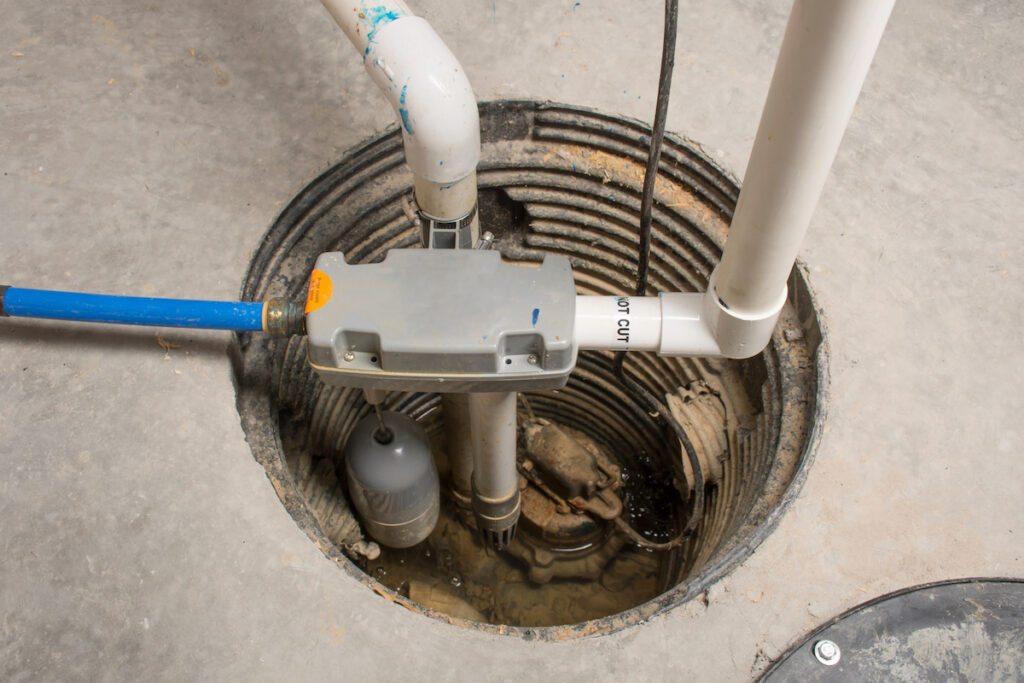

Winter weather can create problems for homeowners that go beyond icy sidewalks and frozen outdoor faucets. When temperatures drop below freezing, your sump pump discharge line can become vulnerable to ice buildup. This is especially concerning during periods of melting snow or winter precipitation when water continues collecting around your home’s foundation.
Your sump pump is designed to move excess groundwater away from your basement and foundation. However, if the discharge pipe becomes blocked by ice, the water has nowhere to go. Your pump may continue attempting to push water through the frozen line, potentially causing mechanical damage or premature pump failure. Even worse, groundwater can accumulate in the sump basin and eventually overflow into your basement.
Taking a few preventative measures before winter arrives can help keep your drainage system functioning when you need it most.
5 Ways to Protect Your Sump Pump from Freezing
1. Make Sure Your Discharge Pipe Drains Properly
One of the most effective ways to reduce freezing problems is to prevent water from sitting inside the discharge line. Inspect the outdoor portion of your sump pump system and make sure the pipe directs water away from your foundation.
If your discharge line runs above ground, it should have a continuous downward slope that allows water to drain naturally after the pump shuts off. Avoid unnecessary dips, bends, or low spots where leftover water can collect and freeze.
2. Direct Water Away from Your Foundation
Where your sump pump releases water is just as important as how it gets there. Discharging water too close to your house can allow moisture to collect around the foundation and potentially find its way back into your basement.
Extend the discharge point a sufficient distance from your home. A distance of approximately 10 to 20 feet is commonly used, depending on the property’s grading and drainage conditions.
Consider using a smooth, rigid discharge extension that allows water to flow freely. Make sure the outlet is positioned where water can safely drain without creating puddles, flooding neighboring properties, or freezing across sidewalks and driveways.
3. Protect Exposed Pipes from Extreme Cold
Sections of your discharge system that remain above ground are particularly vulnerable during prolonged freezing temperatures. Pipe insulation designed for outdoor plumbing applications can provide additional protection against cold weather.
Pay special attention to exposed connections and areas where the pipe exits your home. These sections may experience greater temperature fluctuations than buried portions of the drainage system.
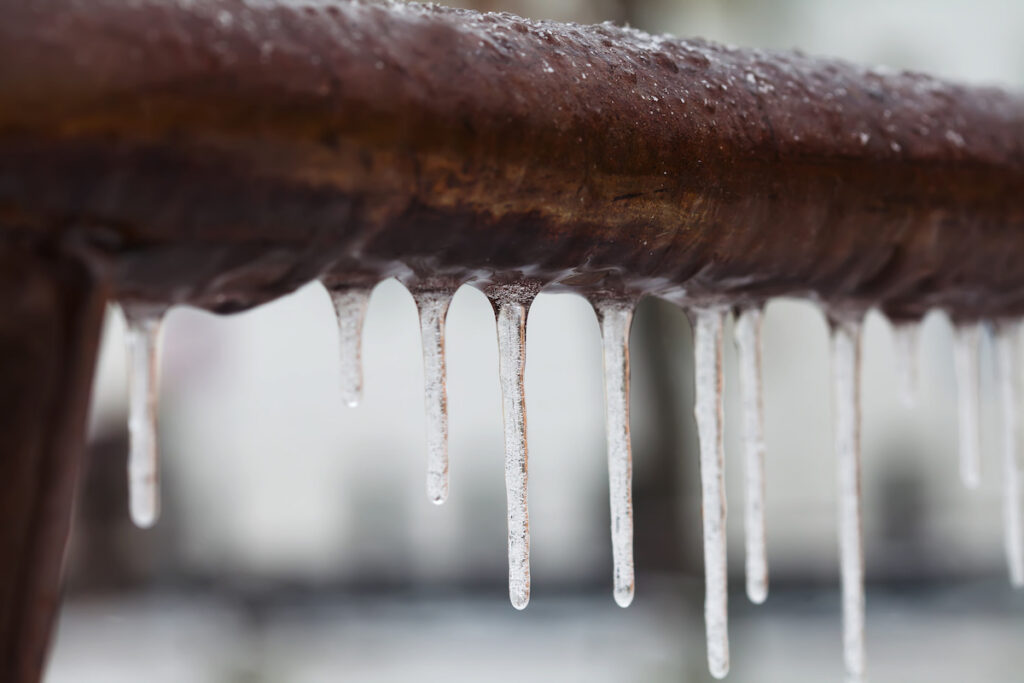
4. Keep Snow and Ice Away from the Discharge Outlet
Even when the pipe itself is properly installed, snow accumulation can create drainage problems. A discharge opening buried beneath snow or blocked by ice may prevent water from escaping.
Periodically inspect the outdoor outlet, especially after heavy snowfall. Remove snow and other obstructions while keeping the discharge area clear enough for water to flow away from your property.
Also, check that water isn’t being released onto areas where it could freeze and create dangerous walking conditions.
5. Test Your Sump Pump Before and During Winter
A sump pump that hasn’t been inspected in months may not operate as expected when groundwater levels rise. Before winter weather arrives, examine the sump basin for debris and check that the pump’s float switch can move freely.
You can test the system by adding water to the basin according to the manufacturer’s recommendations and observing whether the pump activates and removes the water properly.
What Should You Do If Your Sump Pump Discharge Line Freezes?
If you suspect your discharge pipe has frozen, don’t ignore the problem. A blocked line can quickly become a serious concern if groundwater continues entering your sump basin.
Avoid using blowtorches, open flames, or other high-heat devices to thaw frozen pipes. These methods can damage plumbing materials and create a fire hazard. Portable heating equipment should also never be placed near standing water or electrical components.
If the discharge line is inaccessible or you cannot safely resolve the blockage, contact a qualified plumber. If the pump cannot discharge water, have the system assessed promptly rather than allowing it to operate against a blocked line.
Never pour antifreeze into your sump basin. Household antifreeze products can introduce harmful chemicals into groundwater and should not be used as a sump pump freeze-prevention solution.

Protect Your Alsip Home from Winter Water Damage
A frozen sump pump discharge line may seem like a minor winter maintenance issue, but the consequences can be significant. When groundwater cannot drain away from your property, basement flooding can happen at an inconvenient time and cause damage to flooring, drywall, personal belongings, and other building materials.
If a sump pump failure or winter plumbing problem results in water damage, PuroClean Disaster Mitigation is available 24/7 to help. Our IICRC certified restoration professionals provide water damage restoration services to help homeowners address flooding, remove excess water, and begin the recovery process.
Don’t let a winter water emergency turn into a larger property damage problem.
Contact PuroClean Disaster Mitigation at (708) 929-9696 for professional water damage restoration assistance.