Table of Contents
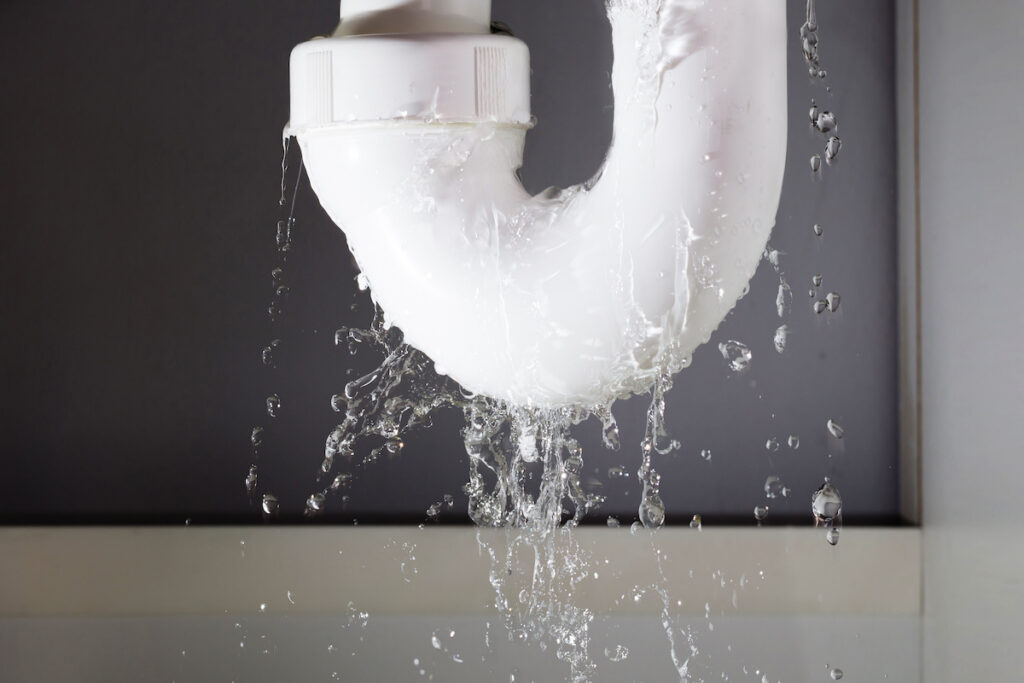
How to Reduce the Risk of a Burst Water Pipe
Exposed water pipes can freeze during cold weather, especially in unheated parts of a home. Prepare before temperatures drop, arrange needed maintenance and keep the contact details of a licensed plumber available. Prevention and early assessment can help reduce the risk of a leak becoming a larger property-damage problem.
A pipe leak may affect adjoining walls, flooring and belongings before all of the damage is visible. Do not assume that wiping up surface water resolves moisture inside building materials. A plumber can assess the pipe problem, while a restoration professional can discuss the affected materials and recovery work.
Water freezing inside a pipe can create conditions that lead to a rupture and leakage. The American Red Cross frozen-pipe guide explains prevention considerations and when to contact a licensed plumber. Use qualified help if the affected pipe cannot be safely located or accessed.
Fortunately, below you will be able to find the list of actions that will help you to protect your pipes from bursting.
Pipe Maintenance Before Cold Weather
- Before cold weather, review exposed plumbing in areas such as:
- Attic;
- Garage;
- Outdoor hose connections and other exposed plumbing.
- If you leave during cold weather, follow appropriate heating and winter-preparation guidance for your home. Ask a qualified professional about vulnerable or unheated areas.
- Discuss extended absences with a licensed plumber. Any plan to shut off or drain a water system should suit the property and its equipment; do not assume the same procedure is appropriate for every home.
- Arrange appropriate maintenance of your heating and plumbing systems. Ask the relevant qualified trade about exposed lines, visible deterioration or recurring cold-weather problems.
- Check that household members know how to report a leak and whom to contact. Keep emergency information accessible rather than waiting until water is escaping to locate the right assistance.
- Ask a qualified professional about suitable pipe insulation and protection for exposed or hard-to-reach plumbing. Use materials and installation methods appropriate for the system.
Prepare the household’s contact information before a pipe emergency occurs. Keep the number of a licensed plumber, the property manager where applicable and your insurer accessible. Ask a qualified professional to explain the relevant water shutoff arrangements for the home. Do not attempt to operate unfamiliar equipment or enter a wet electrical area to reach a valve.
If a leak occurs, separate the plumbing repair from the property-damage assessment when discussing the work. Stopping the source does not by itself establish that a wall, floor or ceiling is dry. Tell the restoration professional when water was first noticed, which materials appear affected and whether water has spread into adjoining rooms. Photographs taken safely can help explain the situation without disturbing damaged materials.
Before finishing repairs, ask how the affected materials have been evaluated and whether further drying, removal or inspection is needed. Keep the proposed scope and any changes with your project records. There is no single schedule that fits every burst pipe loss: access, the water source, affected materials and conditions found during assessment influence the appropriate next steps. If the same location leaks repeatedly, arrange investigation of the underlying plumbing or building concern rather than treating each event as an isolated surface-cleaning problem. Keep a note of the repair date and affected location so recurring leaks can be discussed during future maintenance.
So in case, your residential or commercial property in Illinois faced water escape and further damage, call PuroClean Disaster Mitigation service and we will be glad to solve this issue for you. Here is our 24/7 phone number: (708) 708-7876.
You can also follow us on Instagram.
Planning Recovery After a Burst Pipe
An assessment should connect the visible symptoms with the source of the problem, the materials involved and the steps needed for recovery. Before authorizing work, explain when the incident occurred, what changed afterward and whether anyone has already attempted cleanup. Tell the team about nearby electrical equipment, suspected contamination, damaged ceilings and any restrictions on entering the room.
Keep a record of the affected rooms and items without putting yourself at risk to obtain photographs. If access is unsafe, wait for appropriate assistance. Note the source of any water, smoke or other damage if it is known, and explain whether that source is still active. The cause and the extent of damage may need separate investigations.
Ask for a written explanation of the proposed scope. It should distinguish initial mitigation, cleaning, drying or other treatment from subsequent repairs. Discuss what may be salvageable, what needs further evaluation and what conditions could change the estimate. Material replacement should follow the assessment rather than a blanket assumption that every affected item can be saved.
Communication, documentation and next steps
When discussing work begins, ask who will coordinate access and provide progress updates. Agree how questions about personal belongings, work hours, temporary restrictions and unexpected findings will be handled. If additional damage is discovered, request an explanation of the revised scope before further work is authorized.
If you intend to submit an insurance claim, ask your insurer about the policy terms, documentation and reporting requirements. Restoration records can support the description of a loss, but they do not determine coverage. Keep photographs, estimates, receipts and communications together so the adjuster can review the information relevant to the claim.
Completion should be explained in terms appropriate to the work performed. For a moisture-related loss, ask how materials were evaluated before repairs or finishes were installed. For cleaning or odor concerns, ask what was treated and what limitations remain. Follow the project-specific instructions for access, ventilation, routine care and any follow-up assessment.
Contact PuroClean Disaster Mitigation to discuss your property, its location and the current concern. Describe the situation before entering or disturbing damaged areas. The team can help explain the next step and the information needed for an assessment; response and work schedules depend on the circumstances.