Table of Contents
This guide to water cleanup in tinley park explains what to look for, how to protect access to affected areas, and what to discuss with a restoration professional.
Recently, we dispatched our team at PuroClean Disaster Mitigation to provide water cleanup services in Tinley Park because a water line leak in a refrigerator had caused some flooding in the kitchen. They arrived expecting a standard water cleanup job, but once the crew got to work, a new problem revealed itself: microbial growth under the cabinets.
Providing Water Cleanup for a Tinley Park Home
Our crew quickly got to work in the kitchen. They did not waste any time as the homeowner was a single mother and worked night shifts.
We soon realized that the leak had spread beyond just the refrigerator. We discovered there was water underneath the adjacent cabinets, as well. Upon testing, we saw that there was microbial growth present, meaning mold was beginning to grow.
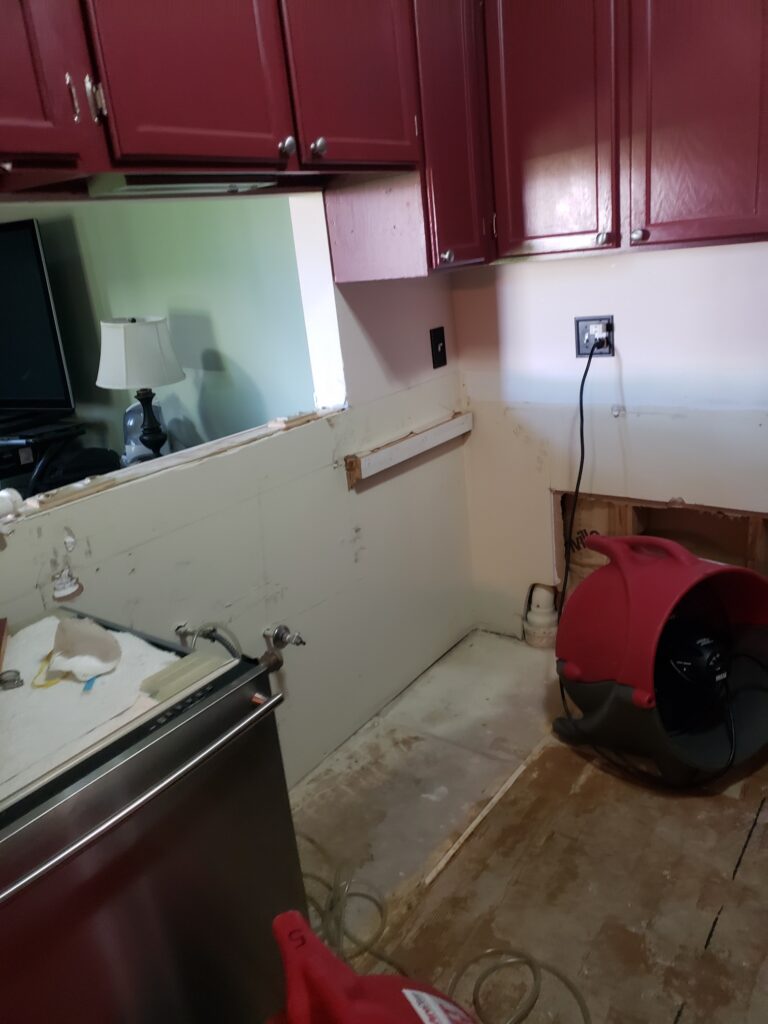
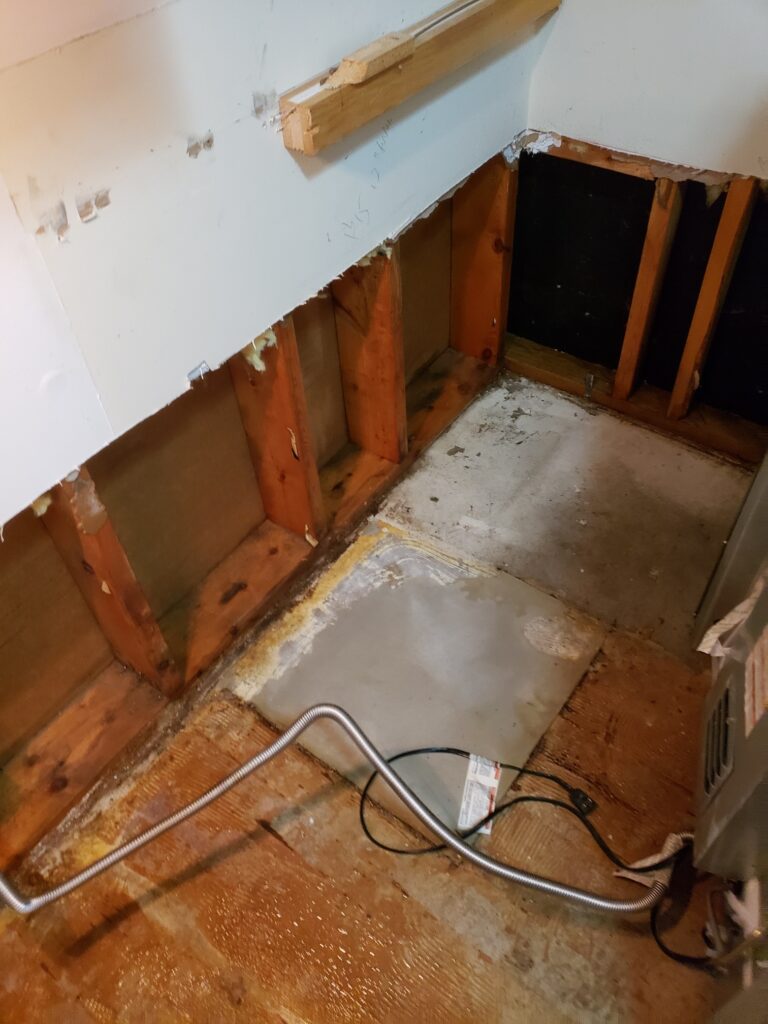

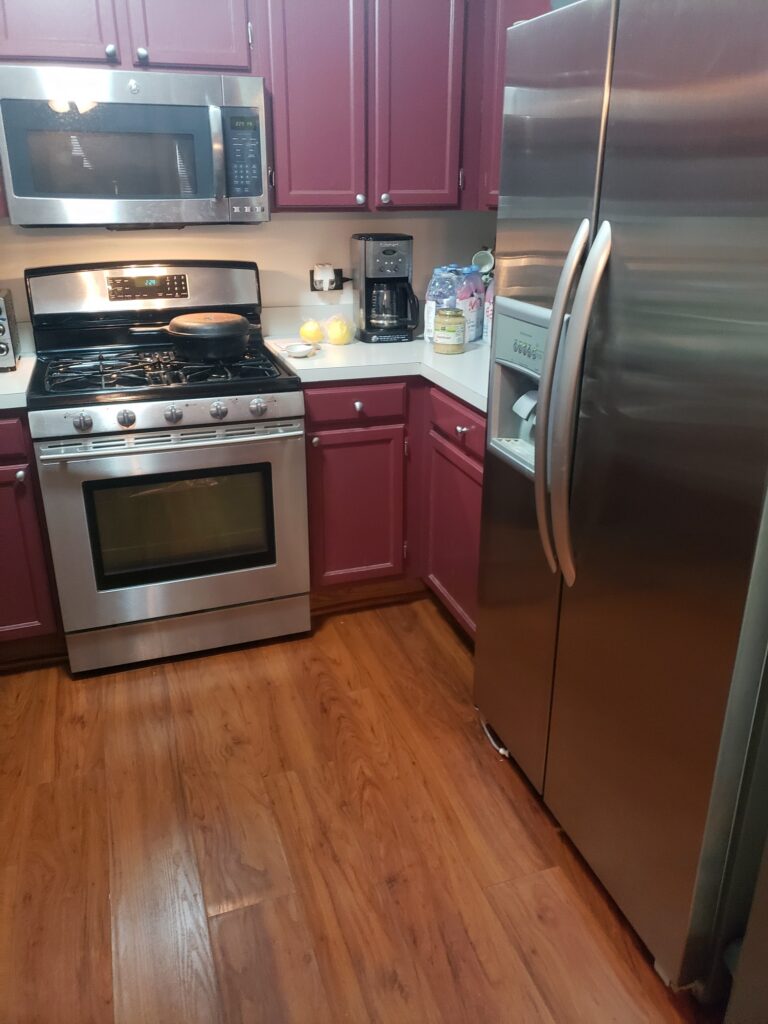
With plenty of moisture for mold to grow, spores can pose a significant health risk to humans. The leak doused the kitchen floor and the lower cabinets with water, turning the frame into a potential incubator for mold growth. As a result, we ended up removing all of the cabinets in order to dry and clean the floors and framing.
The homeowner was very happy with our technicians’ work, although the project was more than they initially had anticipated. She asked us to proceed with the reconstruction of the kitchen, as well. Our technicians dried, cleaned, and restored the kitchen to finish the job in only 5 days.
For water cleanup in Tinley Park and the Palos Hills area, call PuroClean!
Leaks and floods always have the potential to lead to mold growth. But, if that does happen to you at your home or commercial property, there is no need to panic! Call the professionals at PuroClean Disaster Mitigation at (708) 708-7876 for water damage restoration services in the Palos Hills area!
Planning water cleanup in tinley park
For the property described in this article, the next steps depend on the current condition and the agreed repair scope. Before authorizing work, explain when the incident occurred, what changed afterward and whether anyone has already attempted cleanup. Tell the team about nearby electrical equipment, suspected contamination, damaged ceilings and any restrictions on entering the room.
Keep a record of the affected rooms and items without putting yourself at risk to obtain photographs. If access is unsafe, wait for appropriate assistance. Note the source of any water, smoke or other damage if it is known, and explain whether that source is still active. The cause and the extent of damage may need separate investigations.
Ask for a written explanation of the proposed scope. It should distinguish initial mitigation, cleaning, drying or other treatment from subsequent repairs. Discuss what may be salvageable, what needs further evaluation and what conditions could change the estimate. Material replacement should follow the assessment rather than a blanket assumption that every affected item can be saved.
Communication, documentation and next steps
When discussing water cleanup in tinley park, ask who will coordinate access and provide progress updates. Agree how questions about personal belongings, work hours, temporary restrictions and unexpected findings will be handled. If additional damage is discovered, request an explanation of the revised scope before further work is authorized.
If you intend to submit an insurance claim, ask your insurer about the policy terms, documentation and reporting requirements. Restoration records can support the description of a loss, but they do not determine coverage. Keep photographs, estimates, receipts and communications together so the adjuster can review the information relevant to the claim.
Completion should be explained in terms appropriate to the work performed. For a moisture-related loss, ask how materials were evaluated before repairs or finishes were installed. For cleaning or odor concerns, ask what was treated and what limitations remain. Follow the project-specific instructions for access, ventilation, routine care and any follow-up assessment.
Contact PuroClean Disaster Mitigation to discuss your property, its location and the current concern. Describe the situation before entering or disturbing damaged areas. The team can help explain the next step and the information needed for an assessment; response and work schedules depend on the circumstances.
For general moisture-control information, see the EPA guide to mold and moisture. Follow product instructions and seek an assessment appropriate to the materials and contamination involved.